Sawan Shivratri 2026: Date, Night Puja Vidhi & Jalabhishek Significance

Sawan Shivratri 2026: Date, Night Puja Vidhi & Jalabhishek Significance
Each year, as the monsoon rains nourish the land, the sacred month of Shravan inspires millions of devotees to intensify their prayers. Devotees await Sawan Shivratri 2026 to honor Lord Shiva with fervent prayers and sacred rituals. This auspicious day, falling in the holy month of Sawan, holds immense importance for seeking blessings. This guide will detail the exact date, night puja vidhi, and the spiritual significance of jalabhishek for a blessed observance.
Quick Takeaways
- Sawan Shivratri falls on Tuesday, August 11, 2026, a powerful day for Shiva devotion.
- Performing jalabhishek during the four prahars of night puja is highly beneficial.
- Offering belpatra, milk, and Gangajal to the Shivling purifies karma and grants wishes.
- Observing a strict fast and maintaining spiritual discipline enhance the day's blessings.
Key Information
| Event | Date / Time (2026) | Tithi | Muhurat / Timing | Significance |
|---|---|---|---|---|
| Sawan Shivratri | Tuesday, August 11, 2026 | Shravana Krishna Chaturdashi | Main observance throughout the day and night | Dedicated to Lord Shiva; an auspicious occasion for fasting, Jalabhishek, Rudrabhishek, and night-long worship. |
| 1st Prahar Puja | August 11, 2026 | Krishna Chaturdashi | 7:04 PM – 9:45 PM | Begin the night vigil with Jalabhishek, Bilva leaves, and Shiva mantra chanting. |
| 2nd Prahar Puja | August 11–12, 2026 | Krishna Chaturdashi | 9:45 PM – 12:26 AM | Perform Panchamrit Abhishek and continue chanting "Om Namah Shivaya." |
| Nishita Kaal Puja | Midnight of August 11–12, 2026 | Krishna Chaturdashi | 12:05 AM – 12:48 AM | Most auspicious time for worshipping Lord Shiva and performing Rudrabhishek. |
| 3rd Prahar Puja | August 12, 2026 | Krishna Chaturdashi | 12:26 AM – 3:07 AM | Offer Bilva leaves, Dhatura, and meditate on Lord Shiva. |
| 4th Prahar Puja | August 12, 2026 | Krishna Chaturdashi | 3:07 AM – 5:49 AM | Conclude the night-long worship with Aarti and prayers before sunrise. |
Why This Matters: The Sacred Purpose of Sawan Shivratri
Sawan Shivratri, observed during the holy month of Shravan, holds immense spiritual significance. It commemorates the Samudra Manthan, the churning of the cosmic ocean, where Lord Shiva consumed the Halahala poison to save the universe from destruction. This selfless act, performed during Shravan, makes the entire month, and especially Shivratri within it, a time of deep gratitude and devotion to Mahadev, the protector. Devotees perform special pujas to honor this sacrifice and seek His benevolence. The sacred texts speak of the significant spiritual benefits of observing this fast and performing rituals with utmost devotion.
The Shiva Purana, Vidyeshwar Samhita 6.14, declares that anyone who worships Shiva on Shivratri attains liberation from sins and gains significant spiritual merit. This scripture highlights the power of sincere devotion on this particular night. For devotees in Kashi, the ancient city dedicated for centuries to Lord Shiva, the observance of this day takes on an even deeper spiritual resonance. Countless pilgrims perform `jalabhishek` at the Kashi Vishwanath Temple, offering sacred Ganga water to the revered Shivling. The atmosphere resonates with prayers, reflecting centuries of unbroken devotion in this sacred city.
Many devotees undertake the challenging `Kanwar` Yatra, carrying sacred Ganga water from Haridwar or other holy rivers. They offer this pure water to Shiva temples, particularly on Sawan Shivratri. This arduous journey is a testament to unwavering faith and physical austerity. Understanding `Sawan Shivratri` extends beyond just ritual; it represents a spiritual path connecting the devotee to the cosmic presence of Lord Shiva. It is a time for introspection, purification, and renewal. To deepen your spiritual practice during this sacred month, consider exploring Shravan Maas Sadhana, an article guiding you through dedicated practices.

The Main Guide: Step-by-Step Sawan Shivratri Puja Vidhi
Observing Sawan Shivratri involves a specific night puja vidhi to honor Lord Shiva. This year, the main observance falls on August 11, 2026. Performing the rituals with purity and dedication is key to receiving blessings. Here is a detailed, step-by-step guide for performing the `Sawan Shivratri puja vidhi` at home or in a temple:
- Preparation and Altar Setup: Wake up before sunrise on August 11, 2026. Take a purifying bath, with water containing a few drops of Ganga Jal, and wear clean, preferably white clothes, symbolizing purity. Set up your puja altar in a clean space, facing East or North. Place an idol or picture of Lord Shiva, Goddess Parvati, Lord Ganesha, and Nandi. Arrange all puja items neatly: Gangajal, fresh milk, curd, ghee, honey, sugar, fresh `belpatra` leaves, `dhatura` fruit, `bhang` (cannabis), a variety of flowers (especially white ones like jasmine, lotus, or `aak` flowers), fresh fruits, homemade sweets, sandalwood paste, incense sticks, and a `diya` (lamp) with ghee.
- Sankalp (Taking a Vow): After preparing, sit comfortably before the altar. Hold a spoonful of rice, a flower, and a few drops of water in your right hand. Declare your intention (Sankalp) to observe the fast and perform the puja with sincerity, specifying your name and family. You can chant: "Om Vishnu, Om Vishnu, Om Vishnu. Adya (date, tithi), Aham (your name) sarva paap kshayaartham, sarva manorath siddhyartham, Shri Shiv Pujan Sawan Shivratri Vratam karishye." Then offer the rice, flower, and water to the earth, requesting its blessings for the successful completion of your vow.
- Jalabhishek and Panchamrit Snan: Begin the main puja by performing `jalabhishek`. Gently pour Gangajal over the Shivling while chanting the sacred mantra "Om Namah Shivaya." This initial offering purifies the Shivling. Follow this with the Panchamrit snan, offering milk, curd, ghee, honey, and sugar, one by one. After each Panchamrit offering, rinse the Shivling with fresh Gangajal or pure water, wiping it clean before the next offering. Each element of Panchamrit has a specific spiritual symbolism, from nourishing body and soul (milk) to bringing sweetness into life (sugar).
- Offerings and Adornment: After the `jalabhishek` and `panchamrit snan`, adorn the Shivling. Offer `belpatra` leaves; three leaves joined at the stem are considered most auspicious and represent the Trimurti (Brahma, Vishnu, Shiva). Place them stem-side towards the devotee, with the smooth side facing the Shivling. Offer `dhatura` fruit, `bhang`, `akshat` (unbroken rice grains), and various white flowers like jasmine or lotus. Apply `sandalwood paste` to the Shivling, which brings coolness and peace. Light a `diya` with ghee and several incense sticks to create a purifying and reverent atmosphere. Remember to offer water and `belpatra` to `Nandi`, Lord Shiva's divine bull, as well, as he is the primary devotee and vehicle of Shiva. You may also offer a new piece of cloth (vastra) to the Shivling.
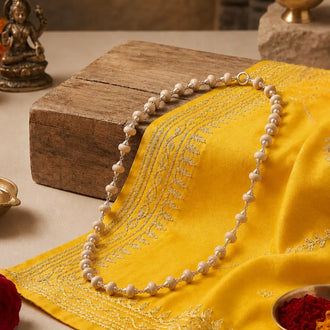
- Mantra Chanting and Meditation: Throughout the puja, immerse yourself in mantra chanting. The most powerful mantras for Lord Shiva are the Mahamrityunjaya Mantra and "Om Namah Shivaya." Chant these mantras with devotion, using a Rudraksha Mala with Trishul. The Rudraksha beads are believed to enhance concentration and channel spiritual energy, connecting you more deeply with Lord Shiva. Focus your mind on the divine form of Shiva and meditate on His attributes of compassion, detachment, and power.
- Night Vigil (Ratri Jagran) and Prahars: Sawan Shivratri is unique for its night-long observance, known as `Ratri Jagran`. Devotees stay awake, performing puja during each of the four prahars (three-hour periods) of the night. Each prahar has specific rituals and offerings. The Nishita Kaal, from 12:05 AM – 12:48 AM (August 12) is considered the most potent time for worship, when Shiva is believed to be most accessible. During each prahar, you may repeat the `jalabhishek` and `panchamrit` rituals, offer new flowers and `belpatra`, and continue chanting.
- Aarti and Prayer: Conclude the puja with a sincere aarti to Lord Shiva, Goddess Parvati, and the entire Shiva Parivar. Use a lamp (`diya`) with ghee and camphor. Offer prayers for the well-being of all beings, for peace, prosperity, and spiritual growth. Seek forgiveness for any errors or shortcomings in your rituals. Remembering Shiva's `Damru` (drum of creation) and `Trishul` (trident of destruction and preservation) can also be part of your meditative focus, symbolizing the cosmic dance of existence. Distribute the `Prasad` (offerings) among family and friends.
Checklist for Sawan Shivratri Offerings and Preparations
To ensure a complete and blessed puja on Sawan Shivratri, devotees prepare specific items that are dear to Lord Shiva. These offerings symbolize devotion, purification, and gratitude. Here is a comprehensive checklist of items to consider, alongside their significance:
- Gangajal: Essential sacred water for `jalabhishek`, believed to cleanse sins and purify the soul.
- Panchamrit Ingredients: Fresh milk, curd, ghee, honey, and sugar for the purifying Panchamrit abhishek. These symbolize purity, nourishment, well-being, sweetness, and prosperity.
- Belpatra (Bilva Leaves): Three-leafed clusters, sacred to Lord Shiva. Offering `belpatra` is believed to grant spiritual benefits, peace, and fulfillment of desires.
- Dhatura and Aak Flowers: These wild flowers and fruit are favored by Shiva. `Dhatura` is said to please Shiva and remove negativity, while `Aak` flowers symbolize purity and devotion.
- Bhang (Cannabis): Offered to Lord Shiva, representing detachment, liberation, and a connection to Shiva's ascetic nature.
- Akshat (Unbroken Rice): Symbolizes prosperity, completeness, and an offering of sustenance. Ensure the rice grains are whole and unbroken.
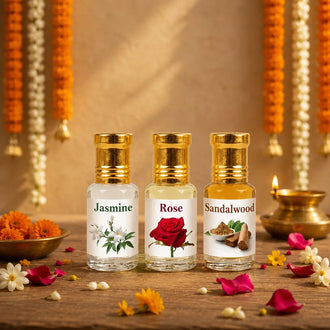
- Sandalwood Paste (Chandan): For anointing the Shivling, bringing coolness, peace, and spiritual tranquility. You can find pure Chandan blessed from Vrindavan for your puja.
- Incense Sticks (Dhoop) and Diya (Lamp): For creating a purifying and reverent atmosphere, symbolizing the removal of darkness and the spread of divine light.
- Fruits and Sweets: Seasonal fruits and homemade sweets like `laddoos` or `halwa` as `Prasad`, to be distributed after the puja.
- Rudraksha Mala: Wearing and chanting with an 5 Mukhi Rudraksha Mala during puja is considered very auspicious, enhancing focus and connection to Shiva.
- White Flowers: Especially jasmine or lotus, symbolizing purity, peace, and devotion. Other flowers like marigolds can also be offered.
- New Clothes: Wearing clean, preferably white or light-colored clothes during puja signifies purity and readiness for devotion.
- Asana (Puja Mat): A clean mat for sitting during puja, providing a dedicated and sacred space.
- `Braj Raj` (Sacred Vrindavan Dust): A pinch of sacred dust, if available, can be offered or applied to the forehead, symbolizing humility and connection to holy lands. Consider adding Braj Raj blessed from Vrindavan to your puja items.
Can Women Observe Sawan Shivratri Jalabhishek During Menstruation?
This is a common and sensitive question among women devotees seeking to participate in sacred rituals. Traditionally, during menstruation, women were often advised to abstain from actively touching deities or participating in temple rituals due to concepts of ritual purity (`shuddhi`). This advice was often rooted in societal customs and interpretations of ancient texts, which emphasized the importance of maintaining a specific state of purity for physical interaction with sacred objects.
However, modern interpretations and personal spiritual practices vary widely, reflecting evolving understandings of faith and devotion. Many devotees now believe that true devotion comes from the heart and spiritual connection, not merely from physical adherence to ritualistic purity. From a spiritual perspective, menstruation is a natural bodily process, and a woman's inherent devotion and purity of intent remain unaffected. The spiritual connection is internal and transcends physical states.
Some women choose to perform mental worship (`manasik puja`) during this period. This involves offering prayers, meditating on Lord Shiva, chanting mantras, and contemplating His attributes, all without physical interaction with the idol or Shivling. This approach allows for continued spiritual engagement. Others may observe the fast, read sacred texts, listen to devotional hymns (`bhajans`), and participate in communal prayers from a respectful distance. The ultimate guidance often comes down to personal belief, family traditions, and consulting a trusted priest who can provide tailored advice based on your circumstances and community customs. It is always wise to follow what brings you peace, spiritual comfort, and aligns with your deepest faith. For more insights on ritual purity and different observances, you might find information on Masik Shivaratri helpful.

Common Mistakes to Avoid During Sawan Shivratri Puja
Performing `Sawan Shivratri puja vidhi` with sincerity and adherence to tradition is essential for receiving Lord Shiva's blessings. Sometimes, devotees unintentionally make mistakes that can diminish the efficacy of their worship. Avoiding these common errors can enhance your spiritual experience and ensure your devotion is directed:
- Ignoring Nishita Kaal: The night puja, especially the `Nishita Kaal` period from 112:05 AM – 12:48 AM (August 12) is central to Shivratri observance. This specific time is considered most auspicious for worshipping Lord Shiva. Skipping or neglecting this critical period diminishes the spiritual benefits of the night-long vigil. Ensure you plan your puja to include this potent time.
- Incorrect Offerings: Offering `Tulsi` leaves or turmeric to Lord Shiva is traditionally avoided, as these are not considered dear to Him. `Tulsi` is sacred to Lord Vishnu, and turmeric is often associated with Goddesses. Instead, always use `belpatra` leaves, `dhatura` fruit, `aak` flowers, and `sandalwood paste`, which are Shiva's favored items.
- Breaking the Fast Early: The `Sawan Shivratri` fast is a strict one. It should be observed diligently throughout the day and broken only after the conclusion of the fourth `prahar puja` in the early morning of the next day (August 12) or after sunrise, following the proper `Parana` ritual. Breaking the fast prematurely negates the ascetic discipline and potential spiritual gains.
- Disregarding Nandi: `Nandi`, Lord Shiva's divine bull and his loyal `vahana` (vehicle), holds significant importance. Always offer prayers and a few drops of water or `belpatra` to `Nandi` before offering to the Shivling. He is considered the guardian of Shiva's abode and a primary devotee, and pleasing him is believed to grant access to Shiva's grace.
- Lack of Cleanliness and Purity: Before commencing any `puja`, ensure complete physical cleanliness by taking a bath and wearing fresh clothes. The puja space and all puja items must also be clean. Inner purity, through a focused mind and sincere heart, is also important. Any ritual performed without proper hygiene or a pure intent is considered incomplete.
- Using Metal `Lota` for `Jalabhishek`: While brass or copper `lotas` are common for many pujas, for `jalabhishek` to Lord Shiva, using a copper `lota` is considered most auspicious. Iron or steel vessels are generally avoided for offerings to the Shivling.
FAQs
What is the Sawan Shivratri 2026 date?
The Sawan Shivratri 2026 date is Tuesday, August 11, 2026. This auspicious day falls during the holy month of Shravan, making it a powerful time for Shiva devotees to perform special prayers and seek divine blessings.
What is the significance of jalabhishek?
The significance of `jalabhishek` lies in its purification and cooling properties. Devotees pour water, often Gangajal, over the Shivling to calm Lord Shiva, who is believed to have consumed Halahala poison, and to seek cleansing from sins.
What offerings are traditional for Shravan Shivratri?
Traditional offerings for `Shravan Shivratri` include `belpatra` leaves, milk, curd, ghee, honey, sugar, `dhatura`, `aak` flowers, and `bhang`. These items are believed to be beloved by Lord Shiva and help to invoke his blessings.
Can I perform Sawan Shivratri puja vidhi at home?
Yes, you can perform `Sawan Shivratri puja vidhi` at home with devotion. Prepare a clean space, gather all puja items, and follow the steps for `jalabhishek`, offerings, and mantra chanting, even if you cannot visit a temple.
How many prahars are there for Sawan Shivratri puja?
There are four prahars for Sawan Shivratri puja, which are four three-hour divisions of the night. Devotees perform specific rituals and offerings during each prahar, concluding with the Nishita Kaal, considered most auspicious.
Conclusion
Observing Sawan Shivratri 2026 offers devotees a potent opportunity to connect with Lord Shiva's sacred presence. By understanding the auspicious date, following the `Sawan Shivratri puja vidhi` with sincerity, and appreciating the `jalabhishek` significance, you can invite immense blessings into your life. The devotion shown through offerings of `belpatra` and the spiritual discipline of the fast purify the soul. Remember to keep a focused mind while chanting with a quality Original 5 Mukhi Rudraksha Mala. Embrace the sacred traditions of this powerful day for spiritual growth and well-being. For further spiritual insights into the holy month, explore our blog on Shravan Somwar Vrat.
By Rehan Dhaka