Shami Puja Dussehra 2026: The Pandava Weapon Story and Vidhi
 Shami Puja Dussehra: A Guide to the Pandava Tradition">
Shami Puja Dussehra: A Guide to the Pandava Tradition
On 20 October 2026, the evening sky over India will mark the return of the victorious spirit. Millions of devotees will perform Shami Puja to invite stability and victory into their homes. This ritual connects us to the bravery of the Pandavas and the final march of Lord Rama. You will learn the exact steps to perform this worship and understand the significance of Shami and why we exchange leaves as gold.
The tradition is rooted in Hindu mythology, where the Shami tree is connected with the Pandavas and the return of their weapons. It is also associated with kshatriyas and the kings, for whom martial strength and victory held special importance.
Quick Takeaways
- The ritual commemorates the Pandavas retrieving their weapons from the sacred tree after their long exile.
- Devotees in Maharashtra exchange Apta leaves as symbolic gold to spread prosperity and communal harmony.
- The Aparahna Puja Time and Vijay Muhurat on 20 October 2026 are considered auspicious for these prayers.
- The Shami tree are revered in traditional accounts, and these remain among the important rituals associated with the Navratri festival and Dussehra period.
| Detail | Information |
|---|---|
| Festival Date | 20 October 2026 (Tuesday) |
| Tithi Window | Ashwina Shukla Dashami |
| Auspicious Muhurat | Vijaya Muhurat in aparahna |
| Primary Deity | Lord Rama and the Shami Tree |
Why This Matters
The Shami tree stands as a symbol of endurance and protection in our ancient history. In the Mahabharata, Virata Parva, the Pandavas chose the Shami tree to guard their divine weapons during their final year of exile. They were living in disguise at the court of King Virata and needed a safe hiding place. Arjuna placed his Gandiva bow within the dense, thorny branches of this sacred tree to keep it hidden. Before they retrieved their shastra (weapons) on Vijayadashami, they offered prayers to the tree for its protection.
Lord Rama also sought the blessings of the Shami tree before his journey to Lanka. This history makes the tree a witness to the victory of dharma over adharma. In Maharashtra and Karnataka, this tradition evolved into the 'Sona Patta' custom. You should check the Dussehra date and Muhurat to ensure you align your prayers with these cosmic events. Worshiping the tree today reminds us that our strengths remain protected even during difficult times. It is a day to reclaim your power and focus on your goals for the coming year.
 Shami Puja Dussehra Vidhi and Steps">
Traditional Shami Puja Dussehra Vidhi and Steps
Preparing the Puja Space
Visit a Shami tree or an Apta tree during the Vijay Muhurat on 20 October 2026. This window occurs in the late afternoon as the sun begins its descent toward the horizon. Clean the area around the base of the tree using a bit of water and a cloth. Take a small brass plate containing sandalwood paste, turmeric, vermilion, and a few grains of unbroken rice. Carry a copper vessel filled with clean water from your home mandir to begin the purification process.
The Step-by-Step Worship Ritual
For Shami tree worship during Dussehra, it is recommended that the Shami tree is situated in the north-east of the town or city. The Dashami Tithi begins according to the local Panchang, so families should confirm the exact timing before starting. Pour water at the base of the trunk while focusing your mind on Lord Rama and Goddess Durga. Apply a tilak of sandalwood and vermilion to the bark of the tree. Place the rice grains on the sanctified spot as an offering of gratitude.
Light a ghee lamp and an incense stick to create a meditative atmosphere for your family. These are among the important rituals performed while seeking the blessings of the goddess and honouring the sacred Shami tradition.
Chanting the Shami Shanti Mantra
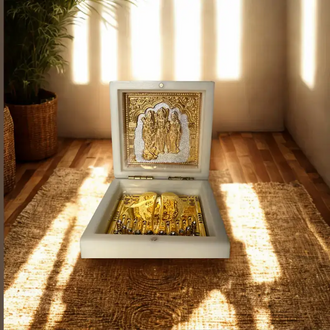
Recite the traditional prayer: Shamane Shamate Papam, Shami Shatruvinashini. This mantra identifies the tree as a destroyer of sins and a subduer of all external and internal enemies. It acknowledges the tree as the witness to the Pandavas reclaiming their divine strength. Focus on your personal battles while you chant these words near the roots. Keep a Ram Darbar in your home temple to maintain this energy of victory throughout the month. The presence of the divine court reminds us that truth always triumphs in the end.
The Sona Patta Tradition
After completing the prayers, pick a few fallen leaves or gently pluck a small sprig from the Apta tree. In Western India, devotees refer to these leaves as 'sona' or symbolic gold. You will carry these back to your house and place them in your safe or temple. This act attracts prosperity and ensures that your hard-earned wealth remains stable. Exchange these leaves with your elders and friends when you return home in the evening. This gesture mirrors the Pandavas returning from their long exile to reclaim the kingdom of Indraprastha.

Checklist for a Complete Ritual
- Water, sandalwood paste, and vermilion for the initial offerings.
- A ghee lamp or incense sticks to light at the base of the tree.
- Fresh fruit or jaggery to offer as bhog after the prayers.
- Apta or Shami leaves to exchange with family members as symbolic gold.
- A pure heart focused on the lessons from the Ramayana regarding the victory of light.
- Donating food or clothes to the needy after the puja to share your prosperity.
- Placing a gold plated Ram pendant on your person to carry the protective energy.
What is the correct substitute if a shami tree is not available nearby?
Many devotees living in urban areas find it difficult to locate a real Shami tree (Prosopis cineraria) in their vicinity. If you cannot find one, the most common and accepted substitute is the Apta tree (Bauhinia racemosa). The Apta tree is widely used in Maharashtra and Karnataka for the 'sona' exchange ritual. Its twin-joined leaves are considered highly auspicious and represent the wealth of the earth.
Alternatively, you can keep a small Shami plant in a pot on your balcony or north-east window. If you have no access to a live plant, place a clear photograph of the Shami tree in your puja room. Perform the full vidhi in front of this image with the same devotion you would show to a physical tree. The intention and the vibration of the mantras are what reach the divine. If you feel confused about a specific Vastu placement, you should consult a qualified priest for guidance.
Common Mistakes
- Performing the ritual after the Tithi has ended or during an inauspicious Choghadiya.
- Plucking a large number of Shami leaves and causing harm to the tree's health.
- Facing the south direction while offering water or lighting the lamp.
- Forgetting to bring the leaves home to place them in the temple or cash box.
- Performing the puja without cleaning the area around the tree base first.
FAQ
What is the shami puja date for Dussehra?
You should perform shami puja on the Vijayadashami day, 20 October 2026, during the Vijay Muhurat. The shami puja time usually falls in the late afternoon and is considered ideal for this ritual.
Can I do shami puja at home?
You can perform shami puja at home by using a small Shami plant kept in a balcony pot. If you cannot access one, follow the same method with a sacred image and worship Shami tree according to your family tradition.
What mantra should I chant?
The correct mantra to worship the Shami tree is the Shami Shanti Mantra. Chanting Shamane Shamate Papam helps in removing negative energies and commemorates the moment Arjuna retrieved his weapons from the sacred branches of the tree.
Conclusion
Celebrating the victory of the Pandavas through this ritual brings a sense of protection to every household. By following the steps of 2026 Shami Puja on 20 October 2026, you align yourself with the ancient strength of our ancestors. Remember to share the symbolic gold of the Apta leaves with your loved ones to spread joy. Visit our guide on the Dussehra date and Muhurat to plan your timings perfectly.