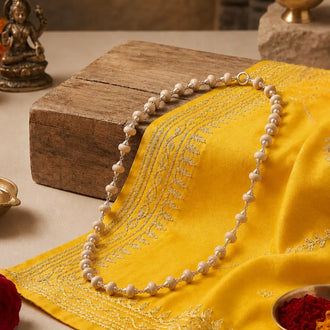
Shravan Somwar Vrat Katha 2026: Story, Significance & Reading Vidhi

Shravan Somwar Vrat Katha 2026: Story, Significance & Reading Vidhi
For many devotees, the Sawan Maas brings a heartfelt desire to connect with Lord Shiva, especially during the sacred Mondays. A common question among sincere devotees is: how does one properly honor the sacred narratives associated with this period? The Shravan Somwar Vrat Katha is a central part of this observance, offering spiritual solace and blessings. This guide will walk you through the deep story, its spiritual meaning, and the correct method for reading it to maximize your devotion this year.
Quick Takeaways
- The katha recounts the unwavering devotion of Devi Sati and Parvati to Lord Shiva.
- Reading this narrative during Shravan Somwar brings blessings for marital harmony and prosperity.
- Follow specific steps for purification, offering, and attentive recitation of the katha.
- The story highlights the power of penance and true love, revered across generations.
Key Information Snapshot: Shravan Somwar 2026 Dates & Vrat Katha Reading Vidhi
Shravan Somwar 2026 Dates – North India (Purnimanta Calendar)
| Somwar | Date (2026) | Significance |
|---|---|---|
| First Shravan Somwar | Monday, August 3 | Beginning of Shravan Monday fasts, seeking Lord Shiva's blessings. |
| Second Shravan Somwar | Monday, August 10 | Strengthening devotion and praying for prosperity and harmony. |
| Third Shravan Somwar | Monday, August 17 | Seeking spiritual growth and removal of obstacles. |
| Fourth Shravan Somwar | Monday, August 24 | Final Shravan Monday, offering gratitude and prayers for family well-being. |
Shravan Somwar 2026 Dates – West & South India (Amanta Calendar)
| Somwar | Date (2026) | Significance |
|---|---|---|
| First Shravan Somwar | Monday, July 20 | Beginning of Shravan Monday fasts, seeking Lord Shiva's blessings. |
| Second Shravan Somwar | Monday, July 27 | Strengthening devotion and praying for prosperity and harmony. |
| Third Shravan Somwar | Monday, August 3 | Seeking spiritual growth and removal of obstacles. |
| Fourth Shravan Somwar | Monday, August 10 | Final Shravan Monday, offering gratitude and prayers for family well-being. |
For the proper observance of the Shravan Somwar Vrat, follow these reading vidhi steps:
- Purification: Bathe early morning and wear clean, traditional clothes. Perform achaman (sipping of water) for internal purity.
- Altar Setup: Prepare your puja space by placing an idol or picture of Lord Shiva and Goddess Parvati. Adorn them with fresh flowers and sacred ash (bhasma).
- Offerings: Present auspicious items such as Bilva patra (Lord Shiva's favorite leaf), fresh cow's milk, Gangajal (holy water), white flowers, dhatura, bhang, and incense (dhoop) to Shiva. Offer turmeric and vermillion (kumkum) to Goddess Parvati.
- Vrat Sankalp: Hold a small amount of water, rice, and a flower in your hand. Declare your sincere intention (sankalp) to observe the Somwar vrat for the day, seeking specific blessings from Lord Shiva and Parvati.
- Katha Recitation: Sit in a calm posture, facing the altar. Read the sacred Shravan Somwar Vrat Katha with devotion, understanding each part of the narrative. Maintain a peaceful and focused mind.
- Aarti: Conclude the puja by performing Lord Shiva's aarti, lighting a lamp, and singing praises joyfully. Chant Om Jai Shiv Omkara to invoke divine energy.
- Prasad Distribution: Share the blessed offerings (prasad) among family members and other devotees. Partaking in prasad signifies the completion of your spiritual practice and acceptance of divine grace.
Why This Matters: The Deep Resonance of Shravan Somwar Vrat
The observance of the Shravan Somwar Vrat, especially when accompanied by its sacred katha, holds deep spiritual significance for millions of devotees across India and beyond. It is a time when the cosmic energies are believed to be most receptive to prayers offered to Lord Shiva, the destroyer of ignorance and bestower of blessings. The core narrative details the immense devotion of Devi Parvati, who performed severe penance to marry Lord Shiva after the self-immolation of Sati. Her dedication during these challenging times set an example for all aspiring devotees, symbolizing the power of unwavering faith and perseverance in achieving one's highest spiritual goals.
This devotional story is recounted in various ancient texts, with specific mentions highlighting its importance in the spiritual tradition. For instance, the Skanda Purana 2.4.18 describes the glories of Lord Shiva and the power of sincere worship, linking the observance to liberation from worldly suffering. The Shiva Purana also extensively narrates the tale of Sati and Parvati, emphasizing the ideal of divine partnership and the triumph of love. In Kashi, the sacred city of Lord Shiva, devotees often meditate upon these tales, performing abhishekams at the ancient Vishwanath Temple and connecting deeply with the energy of the divine couple. Many seek blessings for a virtuous partner, a long and harmonious married life, or the well-being of their family, following Parvati's example of dedication. Observing the vrat with this sacred narrative enhances the spiritual merit, aligning the devotee's aspirations with divine will and drawing them closer to the compassionate heart of Mahadev.

The Sacred Shravan Somwar Vrat Katha: A Tale of Love and Penance
The story of the Somwar vrat is a significant tale of devotion, sacrifice, and divine union, centered around Lord Shiva and Goddess Parvati. It begins with the narrative of Sati, the first consort of Lord Shiva, and her father, King Daksha Prajapati, whose pride set in motion a series of cosmic events.
The Story of Sati and Daksha: A King's Pride and a Daughter's Sacrifice
King Daksha, a powerful Prajapati, once organized a grand yajna (fire sacrifice) with a heart filled with arrogance and disdain for Lord Shiva. He deliberately excluded Lord Shiva and Sati from the invitation, intending to insult his divine son-in-law. Despite Shiva's calm counsel against going uninvited, Sati, feeling deeply insulted by her father's disrespect towards her beloved husband, resolved to attend the yajna. She wished to confront her father and remind him of Shiva's supreme position. Upon arriving, Sati found herself amidst a hostile environment where Daksha publicly humiliated Shiva with harsh words and accusations. Unable to bear the affront to her beloved husband, and realizing her father's unyielding ego, Sati invoked her Yogic powers and immolated herself in the sacrificial fire, giving up her mortal body. This act of deep devotion and ultimate sacrifice devastated Lord Shiva, whose grief and anger were boundless. In his fury, Shiva unleashed Virabhadra, a fierce manifestation of his wrath, to destroy Daksha's yajna and punish those who had disrespected him. This catastrophic event signifies Shiva's fierce protection of Sati's honor and the severe consequences of spiritual arrogance. The place where Sati's body parts fell later became Shakti Peeths, sacred sites revered by devotees.
Parvati's Penance for Lord Shiva: Unwavering Resolve and Austerity
Sati was later reborn as Parvati, the daughter of Himavan, the personification of the Himalayas, and Mena. From her early childhood, Parvati was resolved to marry Lord Shiva, who was then immersed in deep penance on Mount Kailash, detached from worldly affairs after Sati's passing. To win his affection and reawaken his love, Parvati undertook arduous spiritual practices, demonstrating a level of determination rarely seen. She left her royal comforts and retreated to the mountains, enduring harsh weather conditions – the scorching sun, freezing snow, and torrential rains. Her penance, known as “Solah Somwar” vrat (16 Mondays fasts), involved severe fasting, initially surviving on fruits, then leaves, then only water, and finally, air alone for many years. She meditated solely on Shiva, chanting his mantras with unwavering concentration. Even when tested by various sages, including Lord Vishnu in disguise, Parvati remained steadfast in her resolve, affirming her unshakeable love for Shiva. Her austerities transformed her, burning away all impurities and misconceptions, leaving only pure devotion.
The Eternal Union: Shiva and Parvati and the Path to Divine Love
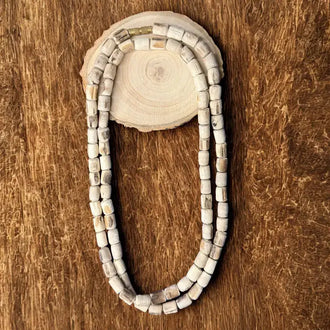
Eventually, Lord Shiva was moved by Parvati's pure and intense devotion. He tested her resolve multiple times, appearing in various guises, including a young brahmachari who spoke ill of Shiva. Yet, Parvati's faith never wavered. Convinced of her sincerity and immense spiritual dedication, Shiva finally revealed his true form and agreed to marry her, culminating in the joyous Shiva-Parvati vivah. Their union, celebrated as a cosmic event, symbolizes the perfect balance of masculine (Purusha) and feminine (Prakriti) energies. It represents creation, preservation, and dissolution, embodying the complete cycle of existence. This somwar vrat story underscores the power of true love, perseverance, and unwavering faith in achieving one's highest spiritual aspirations. Reading this katha reinforces the values of commitment, purity, and devotion, guiding devotees on their own path to self-realization. The divine couple's story teaches that sincere effort, even in the face of immense challenges, will ultimately lead to divine grace. For devotees wishing to deepen their connection with Lord Shiva, wearing a Rudraksha mala can be a powerful aid during meditation and vrat. Consider an Original 5 Mukhi Rudraksha Mala 108+1 Beads, 4 mm, Daily Meditation, Blessed in Kashi to enhance your spiritual practice during Sawan.
Benefits of Shravan Somwar Vrat Katha: Inviting Shiva's Blessings
Reading or listening to the Shravan Somwar Vrat Katha offers numerous spiritual benefits, aligning devotees with divine blessings and fostering a deeper connection with Lord Shiva and Goddess Parvati:
- Marital Harmony and Longevity: Unmarried girls praying for a suitable husband, and married women observing the fast for their husband's long life and family prosperity, find their wishes fulfilled by Lord Shiva's grace. Parvati's penance is the ultimate inspiration for such aspirations.
- Spiritual Purification: Reciting the katha helps cleanse the mind and soul, removing negative thoughts, karmic impurities, and fostering inner peace. This purification is especially potent during the sacred Sawan Maas, making it a time for spiritual renewal.
- Enhanced Devotion and Faith: Understanding the deep sacrifice and unwavering devotion of Sati and Parvati strengthens one's own faith and dedication towards Lord Shiva. The narrative makes the observance more meaningful, transforming it from a ritual into a heartfelt expression of love.
- Blessings for Progeny: Couples seeking children often find their prayers answered through sincere observance of the vrat and katha recitation, as per ancient traditions. Lord Shiva is known as Ashutosh, meaning 'easily pleased,' and grants desires of devoted followers.
- Protection from Adversity: Lord Shiva, pleased by sincere devotion, bestows protection from evil forces, negative influences, and worldly challenges. He guides his followers through difficulties, granting both material and spiritual prosperity.
- Connection to Universal Devotion: Though a Shiva katha, the spirit of devotion echoes in all spiritual practices. It connects devotees to universal themes of love, sacrifice, and divine grace, much like the bhakti traditions rooted in Vrindavan's sacred soil.
To further enhance your puja and meditate on Shiva's protective aspect, consider including an Authentic Rudraksha Mala with Brass Damru & Trishul Pendant Blessed in Kashi as a sacred offering or for personal wear during your prayers. This powerful combination invokes Lord Shiva's energy.
What if you miss a Somwar in the middle of your Sawan Vrat cycle?
Missing a Somwar during your Sawan vrat cycle, especially when observing the Solah Somwar or a specific number of fasts, can certainly cause concern for sincere devotees. However, the path of devotion is one of sincerity and genuine intention, not rigid adherence without compassion. If you miss a fast due to unforeseen circumstances like severe illness, urgent travel, menstruation, or unavoidable family commitments, it is generally understood that your genuine intention still holds merit in the eyes of the divine. Lord Shiva is known as Bholenath, easily pleased and forgiving.
Many traditions suggest that if a Somwar is missed, you can observe an extra fast on the subsequent Monday as a compensatory measure, or perform an equivalent act of devotion. This could include increased japa of the Panchakshari mantra "Om Namah Shivaya" for a specific number of rounds (e.g., 108 or 1008 times), performing extra charity by feeding the poor or animals, or offering more elaborate worship to Lord Shiva at home or in a temple. You might also consider offering a special Bilva Patra puja to compensate. It is always advisable to consult with a learned priest (pandit) who can guide you on specific atonement rituals suitable for your individual situation and regional traditions. The spiritual efficacy of the vrat and its katha lies in the purity of the heart and the strength of one's devotion, not just strict adherence to every single day without exception. Sincere repentance and renewed commitment are key. For further guidance on observing the fast, refer to our Shravan Monday Fasting Guide.

Common Mistakes to Avoid During Shravan Somwar Vrat
To ensure your Shravan Somwar Vrat is observed correctly and brings maximum spiritual benefit, it is crucial to avoid common errors that devotees sometimes make:
- Incomplete Katha Reading: Do not rush the Sawan Somwar Katha or skip parts. Read it fully, slowly, and with complete attention. Understand its meaning rather than just reciting words, allowing the narrative to resonate within your heart.
- Lack of Cleanliness and Purity: Before commencing the puja and katha recitation, ensure both external (body and clothes) and internal (mind and thoughts) purification. An impure environment or distracted mind diminishes the impact of your devotion. Always bathe and wear fresh clothes.
- Incorrect or Incomplete Offerings: Offering inappropriate items or forgetting essential ones like Bilva patra, Gangajal, or milk for Lord Shiva is a common oversight. Research the traditional offerings specific to Shiva puja for Shravan Maas and ensure all items are fresh and pure.
- Distracted Mind During Prayers: Allowing the mind to wander during the katha or prayers significantly diminishes the spiritual benefit. Practice mindfulness and focus entirely on the divine presence of Lord Shiva and Parvati. Avoid using phones or engaging in casual conversations during this sacred time.
- Breaking the Vrat Prematurely: Ending the fast before sunset, or consuming prohibited foods, negates the vrat's purpose. Understand the specific rules for breaking the fast and adhere to them strictly, only consuming sattvic food if observing a partial fast.
- Forgetting to Observe Brahmacharya: During the period of the vrat, especially for those observing strict austerities, maintaining brahmacharya (celibacy) is often recommended to preserve spiritual energy and focus, enhancing the spiritual potency of the observance.
- Ignoring the Significance of Prasad: Not sharing or disrespecting the prasad (blessed offerings) can be seen as a lapse in devotion. Prasad should be distributed and consumed with reverence, as it carries the blessings of the deity.
FAQs
What is the Shravan Somwar Vrat Katha?
The Shravan Somwar Vrat Katha is a sacred narrative recited during the Mondays of the Sawan month. It details the deep devotion of Goddess Parvati and her severe penance to marry Lord Shiva. This katha inspires devotees to cultivate unwavering faith and dedication to the divine.
Why is the Somwar Vrat story significant for devotees?
The Somwar Vrat story is significant because it highlights the power of pure devotion, sacrifice, and perseverance. It serves as an example for devotees, especially women, seeking blessings for marital happiness, progeny, and general well-being by invoking Lord Shiva's grace during the sacred Sawan period.
When should the Vrat Katha be read during the Somwar fast?
The Vrat Katha should be read during the Somwar fast, typically after performing the morning puja and offerings to Lord Shiva and Goddess Parvati. It is traditionally recited in the afternoon or evening before breaking the fast, allowing for full absorption of its spiritual message.
What is the meaning behind observing the Sawan Somwar fast?
The meaning behind observing the Sawan Somwar fast is to honor Lord Shiva, seeking his blessings for prosperity, happiness, and spiritual growth. This month is considered Shiva's favorite, and sincere devotion, accompanied by fasting and katha recitation, is believed to yield immense spiritual merit and fulfill desires.
Are there different versions of the Somwar Vrat Katha?
There are different versions of the Somwar Vrat Katha found in various Puranas and regional traditions, though the core narrative of Parvati's devotion to Shiva remains consistent. While some may include minor variations in details, the essence of the story, emphasizing dedication and faith, stays the same across all versions.
Conclusion
Observing the Shravan Somwar Vrat, complete with reciting the Shravan Somwar Vrat Katha, is a powerful act of devotion that deeply connects you to Lord Shiva's divine grace. The timeless story of Sati and Parvati's unwavering dedication serves as an eternal source of inspiration for all seeking blessings in their lives. By understanding its meaning and following the traditional reading vidhi, you invite spiritual harmony and well-being into your home. Consider acquiring a 5 Mukhi Original Rudraksha Mala 108 Beads + 1 Guru Bead, Blessed in Kashi to enhance your meditative practices and attract positive energy this Sawan. May your devotion bring immense joy and fulfillment. For more on this auspicious period, explore our guide on Sawan Shivratri 2026: Dates, Significance & Puja Vidhi.
By Anushka Gupta