Shukla vs Krishna Paksha: Lunar Fortnights, Astrology & Spiritual Insight

Have you ever noticed how the moon's phases seem to influence everything, from the tides to our moods? In Hinduism, the lunar calendar is deeply intertwined with daily life and spiritual practices, dividing each month into two distinct halves. This division gives rise to the crucial concept of the Shukla vs Krishna Paksha difference. Understanding these two lunar fortnights is essential for grasping the rhythm of Hindu festivals, rituals, and even astrological predictions. Beyond mere dates, these phases carry profound energetic implications, guiding us on optimal times for spiritual growth, new beginnings, or introspection. This blog post will delve into the meanings, spiritual significance, astrological effects, and recommended practices associated with both the waxing and waning phases of the moon. Join us as we explore this ancient wisdom to bring more harmony and purpose to your spiritual journey, aligning your actions with cosmic energies.
The Cosmic Rhythm: Understanding Pakshas in Hinduism
The Hindu lunar calendar, known as the Panchang, meticulously tracks the celestial movements, particularly those of the moon. Central to this system are the Pakshas – two lunar fortnights that constitute a single lunar month. A Paksha lasts approximately 14-15 days, marked by the moon's journey from new to full (Shukla Paksha) and then from full to new again (Krishna Paksha). This cyclical rhythm is not merely an astronomical observation but a profound spiritual principle, influencing auspicious timings for pujas, ceremonies, and personal sadhana. The scriptures, particularly the Puranas like the Vishnu Purana, describe the moon as a celestial body intimately connected to the human mind and emotions, emphasizing the impact of its phases on earthly life. This ancient wisdom, often observed in sacred dhams like Vrindavan, highlights how aligning with these lunar energies can deepen one's connection to the divine. It's a foundational element of the Introduction to Hindu Calendar, guiding countless devotees in their daily spiritual rhythm.
When do the Shukla and Krishna Pakshas occur in a Hindu Lunar Month?
The distinction between Shukla Paksha and Krishna Paksha is fundamental to understanding the Hindu calendar and its spiritual implications. While both are lunar fortnights, their energies, symbolism, and recommended practices vary significantly, marking the natural ebb and flow of cosmic influence.
| Feature | Shukla Paksha (Bright Fortnight) | Krishna Paksha (Dark Fortnight) |
|---|---|---|
| Moon Phase | Waxing Moon (Amavasya to Purnima) | Waning Moon (Purnima to Amavasya) |
| Light/Darkness | Increasing illumination and visibility | Decreasing illumination and visibility |
| Auspiciousness | Generally considered more auspicious for new beginnings, growth, and prosperity. | More suited for introspection, clearing, spiritual austerities, and specific rites. |
| Energy Flow | Outward, expansive, growth-oriented, and dynamic energy. | Inward, recessive, contemplative, and transformative energy. |
| Symbolism | Creation, positivity, optimism, and material/spiritual manifestation. | Dissolution, transformation, quietude, and release. |
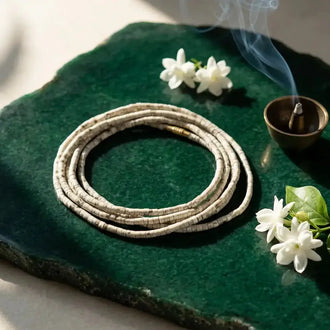
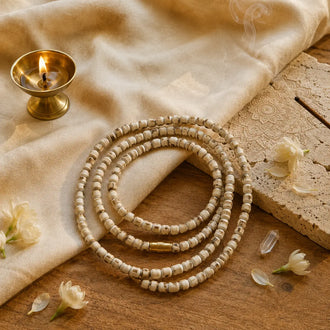
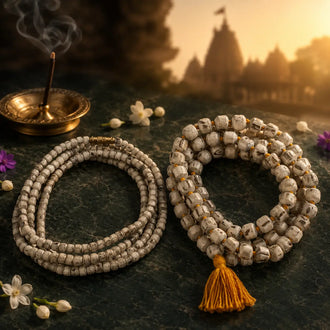
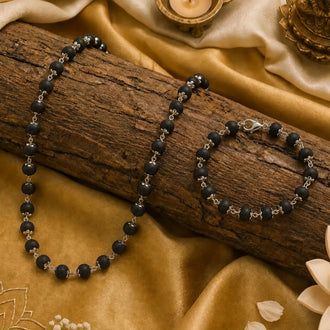
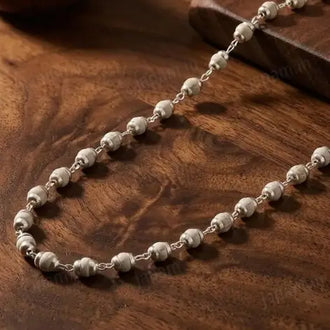
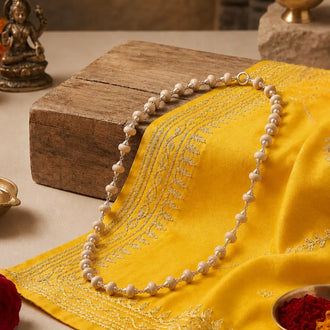
The core Shukla vs Krishna Paksha difference lies in this fundamental lunar motion and its symbolic implications for our inner and outer worlds. Understanding these phases allows practitioners to align their spiritual and material activities with the natural flow of cosmic energy, enhancing the efficacy of their efforts. For those seeking spiritual growth and enhanced focus during either phase, wearing an Tulsi Japa Mala with 108 Original Big Beads for Meditation can provide profound support and spiritual connection.
The Cosmic Dance: Unpacking Each Lunar Fortnight
Each Paksha holds unique energies and significances, guiding various aspects of Hindu life and spiritual practice. Embracing the rhythm of the waxing vs waning moon effects can bring profound benefits to one's spiritual journey and overall well-being, helping to cultivate a life in harmony with cosmic cycles.
Shukla Paksha: The Period of Ascending Energy
The Shukla Paksha, or the bright fortnight, begins immediately after the New Moon (Amavasya) and culminates on the Full Moon (Purnima). During this period, the moon's visible portion progressively increases, symbolizing growth, expansion, and the manifestation of light. It is a time imbued with positive and outward-moving energy, making it highly auspicious for new ventures, beginnings, ceremonies, and celebrations. Many important festivals, like Akshaya Tritiya and parts of Navratri, fall during this period, reinforcing its association with prosperity, good fortune, and spiritual merit. Devotees often engage in practices that foster spiritual growth and invoke blessings for their endeavors, believing that efforts made now will yield increasing results. This period is ideal for starting a new Sadhana, performing important rituals, or undertaking significant life events with an optimistic outlook. For enhancing positive energy and invoking auspiciousness during this phase, consider wearing an Gold Plated Om Pendant With Chain. You can learn more about auspicious timings and how to harness them in our blog on Auspicious Timings in Hinduism, ensuring your actions are perfectly aligned.
Spiritual Insight: The increasing light of Shukla Paksha encourages us to cultivate virtues, expand our spiritual consciousness, and initiate positive actions, drawing us closer to divine grace and abundant blessings.
Krishna Paksha: The Period of Descending Energy
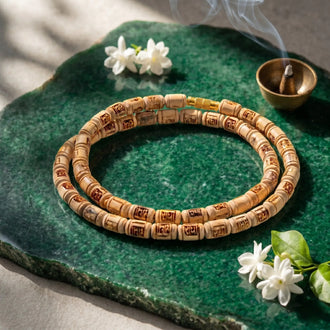
Conversely, the Krishna Paksha, or the dark fortnight, commences after the Full Moon (Purnima) and concludes with the New Moon (Amavasya). As the moon gradually wanes, its light diminishes, symbolizing introspection, dissolution, and withdrawal. This period is associated with inward-moving energy, making it profoundly suitable for practices that involve release, purification, and deep spiritual contemplation. While often considered less auspicious for new beginnings in the material sense, it is supremely significant for specific rites, such as those dedicated to ancestors (Pitru Paksha) or for intense self-cleansing rituals. The decreasing light encourages one to look within, confront shadows, and shed old patterns, preparing for renewal and rebirth with the next Amavasya. It is a potent time for austerities (tapasya), deep meditation, and practices aimed at spiritual liberation and detachment from worldly attachments. To aid in such profound spiritual practices and enhance inner peace, a mala like the Original 5 Mukhi Rudraksha Mala 108+1 Beads, 4 mm, Daily Meditation, Blessed in Kashi, blessed in the sacred city of Kashi, is highly recommended for its spiritual potency.
Spiritual Insight: Krishna Paksha reminds us that introspection, purification, and dissolution are vital parts of spiritual evolution, paving the way for rebirth, renewal, and the emergence of new light.

Astrological Effects and Energy Flow of Waxing vs Waning Moon
The waxing vs waning moon effects extend deeply into Vedic astrology, influencing individual horoscopes, collective consciousness, and the subtle energetic patterns that govern our lives. Each Paksha subtly alters the cosmic energies, impacting our moods, decisions, and spiritual receptivity. This understanding of 'paksha astrology meaning' is critical for astrologers and spiritual seekers alike to navigate life's currents with greater awareness.
Impact of Waxing Moon (Shukla Paksha)
During Shukla Paksha, as the moon gains luminosity, its positive influence on the mind and body is said to increase significantly. Astrologically, the waxing moon strengthens the benefic aspects of various planets, especially those associated with growth, harmony, and well-being. It enhances mental clarity, emotional stability, and physical vitality, making it an excellent time for focused endeavors. This period is generally considered highly auspicious for starting new ventures, performing important ceremonies like weddings or housewarmings, initiating education, or engaging in any activity that requires growth, expansion, and positive manifestation. The energy flow is outward, progressive, and optimistic, fostering success in both material and spiritual endeavors. It's an excellent time for invoking blessings for prosperity, well-being, and overall auspiciousness. A Rudraksha bead like the Original 7 Mukhi Rudraksha Certified Natural Bead of Goddess Lakshmi for Wealth & Prosperity can amplify positive energies during this phase, drawing abundance. You can explore more about specific astrological benefits and how to balance planetary influences in our comprehensive guide on Rudraksha for Planetary Peace.
Vrindavan Tradition: In Vrindavan, the Shukla Paksha is often vibrant with special temple decorations, increased devotional singing, and elaborate festivals, reflecting the celebratory and expansive energy of the waxing moon, especially for Lord Krishna's devotees.
Impact of Waning Moon (Krishna Paksha)
The Krishna Paksha, with its diminishing moonlight, creates a distinctly different energetic atmosphere. Astrologically, the waning moon encourages introspection, detachment, and the release of negative energies and old patterns. While it might lead to a slight decrease in physical vitality for some, it significantly enhances spiritual intuition, psychic abilities, and the capacity for deep meditation and profound inner work. This period is ideal for activities involving closure, purification, self-analysis, or spiritual withdrawal. Fasting, performing Shraddha (rites for ancestors), conducting self-analysis, or engaging in intense spiritual austerities are particularly potent during Krishna Paksha, helping one to cleanse karmic imprints. The energy flow is inward, promoting detachment from worldly desires and fostering a profound connection to the inner self and higher consciousness. It's a time for quiet contemplation, shedding what no longer serves one's highest good, and preparing for spiritual renewal. To support practices of strength, courage, and divine protection during this transformative time, consider a 9 Mukhi Rudraksha for Strength, Courage & Protection Certified Original and Blessed in Kashi.
Vrindavan Tradition: During Krishna Paksha, especially around Amavasya, devotees in Vrindavan often engage in more solitary worship, extensive chanting, and profound meditation, seeking deeper spiritual connection amidst the quieting lunar energy and reflecting on their inner journey.
Real-Life Effects and Spiritual Practices for Each Paksha
Understanding the Shukla vs Krishna Paksha difference translates into practical spiritual living, guiding devotees on how to best utilize these lunar energies for their personal and collective well-being. By aligning our actions with the moon's phases, we can enhance the efficacy of our spiritual practices and achieve greater harmony.
Auspicious Practices During Shukla Paksha
The bright fortnight is an excellent time for activities that involve growth, expansion, and new beginnings, leveraging the increasing positive lunar energy. It is believed that actions initiated during Shukla Paksha gain momentum and lead to successful outcomes.
- Starting New Ventures: Launching a business, starting a new job, or embarking on a significant personal or professional project is highly favored.
- Marriage & Celebrations: Most Hindu weddings, engagements, and other festive occasions are meticulously planned during Shukla Paksha duein to its inherent auspiciousness and blessings for union.
- Spiritual Initiations: Taking Diksha (spiritual initiation), beginning a new mantra sadhana, or enrolling in spiritual studies benefits from the waxing moon's energy.
- Housewarming Ceremonies: Moving into a new home or performing Griha Pravesh rituals ensures peace, prosperity, and positive vibrations in the new abode.
- Fasting for Growth: Observing fasts like Ekadashi Vrat during this period is believed to accrue immense spiritual merit, positive karma, and blessings for future endeavors.
This period is also ideal for offering prayers for prosperity, health, and success, as the universe is seen as more receptive. Many families prepare special offerings and Prasad during this time, inviting divine grace. For a convenient way to observe auspicious occasions and bring sacred blessings into your home, a Vrindavan Prasad Box (Braj Raj included) can bring the profound blessings of the sacred Dham directly to your altar.
Spiritual Insight: The escalating light of Shukla Paksha serves as a constant reminder to fill our lives with virtuous actions, noble intentions, and a spirit of gratitude, fostering continuous growth and abundance in all realms.
Recommended Sadhana During Krishna Paksha
The dark fortnight is profoundly beneficial for practices centered on introspection, purification, and the release of what no longer serves our highest good. The diminishing light encourages an inward journey, facilitating deep transformation.
- Introspection & Meditation: Deepening one's meditation practice, engaging in self-reflection, and silent contemplation are particularly potent during this introspective phase.
- Ancestral Rites: Performing Shraddha ceremonies, Tarpan, and offering prayers to ancestors (Pitru Paksha) is highly significant for spiritual merit and ancestral blessings.
- Fasting for Purification: Observing fasts to cleanse the body, mind, and spirit, such as on Mahashivaratri or specific Ekadashis, aids in spiritual detoxification and renewal.
- Detachment & Release: Focusing on letting go of old habits, negative emotions, attachments, and past karmic burdens is supported by the waning energy.
- Austerities (Tapasya): Engaging in disciplines that build spiritual strength, resolve, and inner resilience prepares one for the next cycle of creation and growth.
This time is perfect for practices that promote inner healing, emotional release, and spiritual preparation for renewal. It emphasizes looking inward to understand and transform oneself at a fundamental level. For practices that require deep concentration, unwavering resolve, and spiritual focus, an Authentic Rudraksha Mala with Brass Damru & Trishul Pendant Blessed in Kashi can be an exceptionally powerful aid, enhancing the spiritual vibrations of your sadhana.
Spiritual Insight: The diminishing light of Krishna Paksha encourages us to confront our inner darkness, purifying ourselves to embrace the next cycle of creation with renewed clarity, wisdom, and an unburdened spirit.

Choosing the Right Time for Spiritual Practices: A Paksha Guide
Aligning your spiritual activities with the appropriate Paksha can significantly enhance their effectiveness and bring greater harmony and purpose to your life. This guide helps you choose the optimal lunar fortnight for various endeavors, ensuring your spiritual efforts are well-timed and maximally beneficial.
| Activity | Recommended Paksha | Recommended For |
|---|---|---|
| Starting a New Mantra Japa | Shukla Paksha (especially Prathama to Panchami) | Growth in spiritual practice & new beginnings in devotion. Tulsi Japa Mala with 108 Original Big Beads for Meditation |
| Ancestral Offerings (Shraddha) | Krishna Paksha (especially Pitru Paksha) | Honoring ancestors & seeking their blessings and peace. Original 5 Mukhi Rudraksha Mala 108+1 Beads, 4 mm, Daily Meditation, Blessed in Kashi |
| Undertaking a Purification Fast | Krishna Paksha (especially Ekadashi or Shivaratri) | Cleansing body & mind, spiritual discipline & renewal. Premium and Authentic Rudraksha Mala & Panch Mukhi Rudraksha Bracelet Combo - Blessed in Kashi |
| Planning Auspicious Ceremonies | Shukla Paksha (avoiding specific inauspicious tithis) | Weddings, housewarmings, naming ceremonies, new ventures. Lakshmi Ganesha Pure Silver Coin |
By observing these recommendations, you can optimize your spiritual efforts, enhance the positive impact of your rituals, and better harness the natural lunar energies, ensuring your endeavors are blessed with divine timing and grace.
Preparing Your Mandir for Auspicious Lunar Phases
Preparing your home mandir (altar) in alignment with the lunar phases can significantly enhance your spiritual practices during both Shukla and Krishna Paksha. A well-maintained, purified, and spiritually charged mandir serves as a powerful focal point for inviting and receiving divine blessings, creating an atmosphere conducive to devotion and meditation.
- Cleanliness is Key: Before the start of each Paksha, thoroughly clean your mandir. Remove dust, polish deities, and refresh the altar space. This symbolizes purifying your intentions and making spiritual space for new energies to flow freely.
- Fresh Offerings: Always offer fresh flowers, pure water, and seasonal fruits to your deities. During Shukla Paksha, vibrant, expansive flowers like lotus or roses are ideal, representing growth and joy. For Krishna Paksha, more subdued or white flowers can symbolize purity, peace, and introspection, aligning with the inward energy.
- Light and Incense: Light fresh Incense Cups - Purity, Blessings & Peace and traditional oil lamps daily. During Shukla Paksha, the increasing light of the lamps mirrors the moon's brightness, inviting positive energy. During Krishna Paksha, lamps symbolize inner light guiding through introspection and spiritual darkness.
- Mantra Chanting & Japa: Keep your chosen mala (e.g., Tulsi or Rudraksha) purified and ready for use. Engage in more intensive mantra chanting and japa during both Pakshas, adjusting your focus – expansion and manifestation during Shukla, introspection and dissolution during Krishna.
- Thematic Decorations: For Shukla Paksha, use bright, auspicious colors and decorations that evoke joy, celebration, and prosperity, reflecting the outward energy. For Krishna Paksha, a simpler, more contemplative setup with earthy tones might be appropriate, reflecting quietude and inner peace.
Regular preparation ensures your sacred space is always attuned to the cosmic rhythms, enhancing your connection to the divine. Consider utilizing a Monthly Vrindavan Puja Kit (for sincere Krishna devotees) - Restocking on 1st June to maintain sanctity with authentic, blessed items directly from Vrindavan Dham.
Embracing the Divine Flow: Spiritual & Emotional Layer
Beyond the astrological charts and ritualistic guidelines, the Shukla vs Krishna Paksha difference offers a profound spiritual and emotional blueprint for navigating life. The waxing phase, Shukla Paksha, invites us to embrace optimism, initiate positive actions, and foster growth in all aspects – spiritual, mental, and material. It's a blessed time to celebrate life's blossoming, to express gratitude for abundance, and to connect with the expansive, creative energies of the cosmos. The increasing light of the moon encourages us to shine our inner light outward, sharing our blessings and cultivating virtues. Conversely, Krishna Paksha, the waning phase, provides a sacred invitation for introspection, purification, and surrender. It teaches us the profound beauty of letting go, of retreating within to replenish our spiritual reserves and shed unnecessary burdens. This period is not about negativity but about the vital process of dissolution that gracefully precedes new creation. It encourages us to confront our inner shadows, release what no longer serves us, and cultivate profound inner peace and acceptance. Embracing both phases as equally important aspects of the divine play helps us understand the cyclical nature of existence and our own beautiful spiritual journey. How do you personally feel attuned to the moon's waxing and waning energies, and how do they influence your spiritual rhythm?
Bring Divine Harmony Home with Dharmik
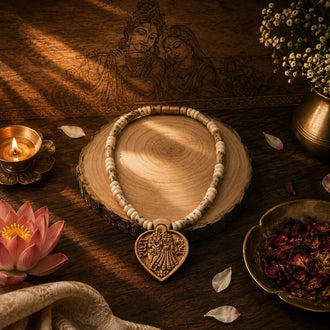
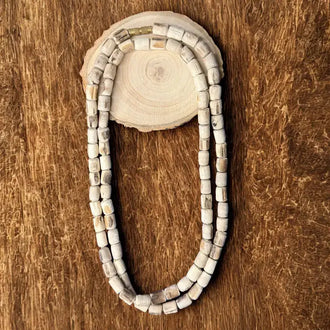
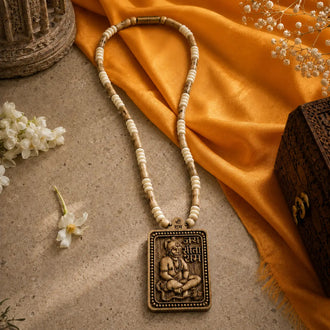
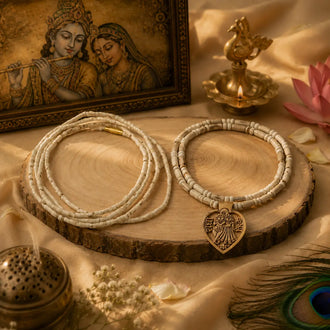
Understanding the Shukla vs Krishna Paksha difference enriches your spiritual journey, allowing you to align your life with the powerful cosmic rhythms. Dharmik is committed to providing authentic, high-quality puja products that support your practices during every lunar phase, fostering a deeper connection to the divine. From sacred malas that aid meditation during introspection to auspicious deity idols that invoke blessings for new beginnings, our collection is curated with utmost care and devotion. Each item, whether it's our Original Tulsi Kanthi Mala Triple Round, 6 mm, Daily Bhakti, Prayer or a Premium and Authentic Rudraksha Mala & Panch Mukhi Rudraksha Bracelet Combo - Blessed in Kashi, is sourced with integrity and blessed for spiritual potency. Many of our products are abhimantrit in sacred dhams like Vrindavan and Kashi, and our Rudrakshas are lab-certified, ensuring their spiritual authenticity and power. Experience the difference authenticity and divine blessings make in your spiritual life, and let Dharmik be your trusted partner on this sacred path.
Frequently Asked Questions About Lunar Fortnights
What is Shukla Paksha?
Shukla Paksha is the bright fortnight in the Hindu lunar calendar, spanning from the New Moon (Amavasya) to the Full Moon (Purnima). During this period, the moon's light gradually increases, symbolizing growth, expansion, and auspiciousness for new beginnings.
What is Krishna Paksha?
Krishna Paksha is the dark fortnight in the Hindu lunar calendar, extending from the Full Moon (Purnima) to the New Moon (Amavasya). The moon's light diminishes during this phase, signifying introspection, purification, and letting go.
Which Paksha is more auspicious for new beginnings?
Shukla Paksha is generally considered more auspicious for new beginnings. Its waxing energy is conducive to starting new ventures, marriages, spiritual initiations, and other positive, growth-oriented activities due to the increasing lunar light.
What activities are best suited for Krishna Paksha?
Activities best suited for Krishna Paksha include introspection, deep meditation, ancestral rites (Shraddha), fasting for purification, and releasing old habits or attachments. The waning moon encourages inner reflection and spiritual cleansing.
How do lunar fortnights impact astrology?
Lunar fortnights impact astrology by influencing planetary strengths and individual moods. Shukla Paksha enhances positive energies, promoting mental clarity and vitality. Krishna Paksha fosters introspection, detachment, and heightened spiritual intuition.
Conclusion
Understanding the profound Shukla vs Krishna Paksha difference offers a timeless wisdom for navigating life's spiritual and practical aspects with greater awareness and intention. The bright Shukla Paksha, with its expanding light, invites growth, new beginnings, and outward manifestations, serving as a period of auspicious creation. Conversely, the introspective Krishna Paksha, with its waning light, encourages self-reflection, purification, and release, paving the way for profound inner transformation. By aligning our spiritual practices and daily activities with these natural lunar rhythms, we can live more harmoniously and purposefully, enhancing our well-being and spiritual evolution. Embrace the cyclical dance of the moon, recognizing both phases as essential for holistic living and connecting deeply with the divine flow. Discover authentic products to support your journey by exploring Dharmik's full collection of puja products today.
By Dharmik