Shukla Paksha Vrat Rules 2026: Auspicious Days & Sadhana Guide

Have you ever wondered about the profound spiritual significance of the moon's waxing phase? In Hinduism, Shukla Paksha, the bright fortnight of the lunar month, is a period imbued with immense spiritual energy, ideal for vows, rituals, and intense sadhana. Understanding Shukla Paksha vrat rules is essential for devotees seeking to harness this celestial influence for inner purification and divine connection. As the moon grows in luminosity, it symbolically represents the growth of our spiritual potential, offering a potent window for inner transformation and divine alignment. This auspicious period has been revered for millennia as a time when spiritual efforts yield magnified benefits, guiding countless seekers towards deeper devotion and self-realization.
This comprehensive guide will illuminate the spiritual importance of Shukla Paksha, detail the auspicious days in 2026, and provide practical instructions for observing vrat and performing puja. You will learn about fasting guidelines, specific rituals, and the numerous benefits of dedicating yourself to spiritual practices during this sacred time. Our aim is to help you deepen your devotion, align with higher consciousness, and make the most of every blessed moment, bringing you closer to the divine grace experienced in holy dhams like Vrindavan and Kashi.
Understanding the Spiritual Significance of Shukla Paksha
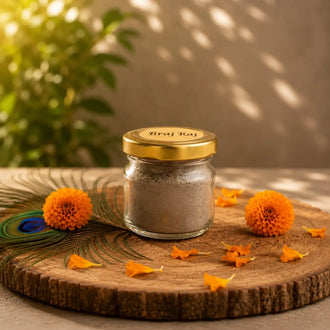
The Hindu calendar, or Panchang, is intricately linked to the lunar cycles, dividing each month into two halves: Krishna Paksha (the dark or waning phase) and Shukla Paksha (the bright or waxing phase). Shukla Paksha begins after the New Moon (Amavasya) and culminates on the Full Moon (Purnima). This period symbolizes growth, light, and the increasing spiritual energy available for seekers. It is believed that as the moon grows in luminosity, so too does one's spiritual potential and connection to the divine. Many scriptures, including various Puranas, emphasize the sanctity of Shukla Paksha for undertaking auspicious activities, starting new ventures, and intensifying spiritual disciplines. For instance, the Vishnu Purana extols the virtues of performing sacred acts during the waxing moon, asserting that such actions yield magnified positive results. The energies during this fortnight are considered conducive for invoking blessings, performing penance, and seeking liberation from worldly attachments, especially in sacred places like Vrindavan, where every lunar phase is celebrated with devotional fervor and where the very dust (Braj Raj) carries spiritual potency.
When are the Auspicious Days in Shukla Paksha 2026?
The year 2026 offers numerous auspicious days during Shukla Paksha, ideal for spiritual practices, vrat observance, and beginning new endeavors. Dedicate these days to prayer, meditation, and charity to maximize their spiritual benefits. Below is a calendar-style snapshot of some key auspicious days:
| Month | Date (2026) | Auspicious Event / Tithi | Primary Deity / Significance |
|---|---|---|---|
| January | 3 January | Pausha Purnima | Lord Vishnu / Holy bath, charity, and spiritual merit |
| January | 29 January | Jaya (Bhaimi) Ekadashi | Lord Vishnu / Liberation from sins and divine blessings |
| February | 1 February | Magha Purnima | Sacred bathing, charity, and spiritual purification |
| February | 27 February | Amalaki Ekadashi | Lord Vishnu / Prosperity and good health |
| March | 3 March | Phalguna Purnima (Holi) | Lord Krishna / Victory of good over evil |
| March | 29 March | Kamada Ekadashi | Lord Vishnu / Fulfilment of desires |
| April | 1 April | Chaitra Purnima (Hanuman Jayanti) | Lord Hanuman / Strength and devotion |
| April | 27 April | Mohini Ekadashi | Lord Vishnu / Freedom from delusion |
| May | 13 May | Apara Ekadashi | Lord Vishnu / Removal of sins |
| June | 25 June | Nirjala Ekadashi | Lord Vishnu / Most sacred Ekadashi fast |
| June | 29 June | Jyeshtha Purnima (Vat Purnima) | Lord Vishnu / Charity and spiritual merit |
| July | 25 July | Devshayani Ekadashi | Lord Vishnu / Beginning of Chaturmas |
| July | 29 July | Ashadha Purnima (Guru Purnima) | Worship of Gurus / Wisdom and blessings |
| August | 24 August | Shravana Putrada (Pavitropana) Ekadashi | Lord Vishnu / Blessings for progeny |
| August | 27 August | Shravana Purnima (Raksha Bandhan) | Raksha Bandhan and sacred observances |
| September | 22 September | Parivartini (Parsva) Ekadashi | Lord Vishnu / Midpoint of Chaturmas |
| September | 26 September | Bhadrapada Purnima | Beginning of Pitru Paksha |
| October | 22 October | Papankusha Ekadashi | Lord Vishnu / Removal of sins |
| October | 25 October | Sharad Purnima | Moon worship and Kojagari observance |
| November | 21 November | Prabodhini (Devutthana) Ekadashi | Lord Vishnu awakens from Yog Nidra |
| November | 24 November | Kartik Purnima | Holy bath, Deep Daan, and charity |
| December | 20 December | Mokshada Ekadashi | Lord Vishnu / Bhagavad Gita Jayanti and liberation |
| December | 23 December | Margashirsha Purnima | Lord Vishnu / Peace, charity, and blessings |
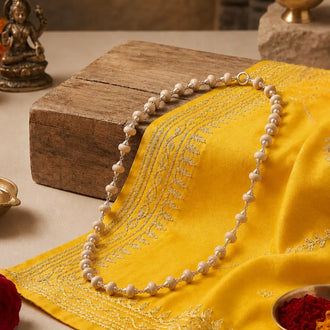
This table highlights key observances. Beyond these, every day during Shukla Paksha holds merit for sincere sadhana. For those observing Ekadashi, an Tulsi Japa Mala with 108 Original Big Beads for Meditation. can be an invaluable companion for chanting and focused prayer. You can also explore our blog on The Power of Ekadashi Fasting for deeper insights into this potent spiritual practice.
Essential Shukla Paksha Vrat Rules and Fasting Guidelines
Observing Shukla Paksha vrat rules requires discipline and devotion, with specific guidelines for fasting and daily conduct. The general principle is to purify the body and mind, making them receptive to divine energies. Fasting during this period is not merely about abstaining from food but about cultivating a deeper spiritual connection, fostering self-control, and directing one's consciousness towards the divine. By consciously choosing to limit worldly indulgences, devotees create a sacred space within themselves for spiritual growth and introspection.
General Fasting Protocols
- Abstinence: Typically, devotees fast from sunrise to sunrise on the day of the vrat. Some fasts may begin from the previous sunset and extend until the sunrise of the following day, depending on regional and scriptural variations.
- Dietary Restrictions: Grains (rice, wheat, lentils) are usually avoided. Permitted foods often include fruits, milk, nuts, specific vegetables (especially non-root ones like potatoes or pumpkins), and flours like kuttu (buckwheat) or singhara (water chestnut). Processed foods are generally discouraged.
- Water Intake: Some fasts are "Nirjala" (without water), like Nirjala Ekadashi, demanding complete abstinence from food and water. Other fasts allow water, juices, milk, or permitted beverages to sustain the body while maintaining spiritual focus.
- No Onion/Garlic: Sattvic food (pure, wholesome) is consumed, devoid of onion, garlic, and non-vegetarian items. These ingredients are considered rajasic or tamasic, hindering spiritual sensitivity.
- Mindful Consumption: Even permitted foods should be consumed in moderation, focusing on the spiritual purpose rather than appeasing cravings. The emphasis is on spiritual nourishment, not physical indulgence.
It is advisable to break the fast only after performing the prescribed puja and offering prayers to the deity. Ensuring you have the right tools for your prayers, such as an Original 5 Mukhi Rudraksha Mala 108+1 Beads, 4 mm, Daily Meditation, Blessed in Kashi, can greatly enhance your focus during chanting and meditation. For more details on preparing sacred food, refer to our blog Sattvic Diet for Spiritual Living.
Specific Vrat Observances
Different Tithis within Shukla Paksha have unique vrat rules and specific observances. Each vrat is associated with particular deities and purposes, offering unique spiritual benefits. Adhering to these specific guidelines amplifies the spiritual rewards.
- Ekadashi Vrath: These vrats, observed on the 11th lunar day of each fortnight, involve strict fasting (often Nirjala or with minimal intake) and staying awake for prayers and chanting throughout the night. They are primarily dedicated to Lord Vishnu.
- Purnima Vrath: The full moon vrats often include holy baths in sacred rivers (like the Ganga), charitable deeds (dana), and special pujas dedicated to the presiding deity of that particular Purnima.
- Other Tithi Vrath: Specific vrats like Chaturthi (dedicated to Ganesha), Ashtami (dedicated to Devi), or Trayodashi (Pradosh Vrat for Shiva) may have their own unique fasting protocols and puja rituals tailored to their respective deities and objectives.
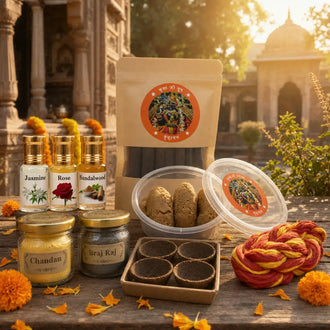
Preparing for these vrats also involves cleansing your puja space and gathering the necessary samagri. A Monthly Vrindavan Puja Kit (for sincere Krishna devotees) - Restocking on 1st June can help ensure you have all necessary samagri directly blessed from the sacred land of Vrindavan. The Vrindavan Tradition emphasizes purity and devotion in every act of fasting, seeing it as a direct offering to the Divine and a means to cultivate unconditional love (prema).

Performing Puja Vidhi During Shukla Paksha Auspicious Days
The auspicious days in Shukla Paksha are perfect for performing various puja vidhi ceremonies to invite blessings, purify the environment, and strengthen one's spiritual resolve. Proper puja vidhi (method of worship) helps to channel divine energy effectively, express heartfelt devotion, and create a sanctified atmosphere within your home and heart. Engaging in these rituals with sincerity can transform your space into a temple and your mind into a conduit for divine grace.
Daily Puja for Spiritual Upliftment
During Shukla Paksha, establishing a consistent daily puja routine is highly beneficial. This practice creates a rhythm of devotion and reminds you of your spiritual purpose amidst daily life. A typical daily puja includes:
- Morning Bath & Cleanliness: Begin your day with a purifying bath (snana) and don clean clothes. Cleanliness is paramount before approaching the divine.
- Altar Preparation: Clean your puja altar, remove previous day's offerings, and arrange the deities or pictures neatly. Decorate with fresh flowers and sacred leaves like Tulsi or Bel Patra.
- Lamp Lighting (Deep Prajwalana): Light a ghee or oil lamp (diya), symbolizing knowledge, divine presence, and the dispelling of darkness. A single flame can illuminate your entire being.
- Offerings (Upachara): Offer incense (dhoop), fresh flowers (pushpa), pure water (jal), and optionally, fruits or sweets (naivedyam) to your chosen deity.
- Mantra Chanting (Japa): Recite mantras dedicated to your Ishta-Devata (chosen deity) or universal mantras like Om. Using a rosary like an Original Radha Madhav Tulsi Kanthi Mala Single Round, 10 mm, Love & Harmony can aid in keeping count and maintaining focus during japa.
- Aarti: Conclude with Aarti, circulating a lamp before the deity while singing devotional hymns. This signifies offering light and love to the divine.
- Pranam & Prasad: Bow down in reverence (pranam) and distribute the offered food (prasad) to family members.
This routine, especially during the waxing moon, is believed to enhance spiritual vibrations in the home, fostering peace and harmony. Spiritual Insight: Consistency in daily puja, even for a few minutes, builds a strong spiritual foundation and an unwavering connection to the Divine. You can find more details on enriching your daily practice in our blog Daily Puja Essentials: A Guide to Meaningful Worship.
Mantra Chanting and Meditation
Shukla Paksha is particularly potent for mantra chanting (Japa) and meditation. The increasing lunar energy supports deeper states of concentration and spiritual absorption, making it easier to calm the mind and connect with inner peace. Chanting specific mantras like the Maha Mantra (Hare Krishna Hare Krishna, Krishna Krishna Hare Hare, Hare Rama Hare Rama, Rama Rama Hare Hare) or Gayatri Mantra can lead to mental clarity, peace, and spiritual awakening. Meditation during this time allows one to connect with the subtle energies of the universe and one's inner self, facilitating profound insights and a sense of oneness. For focused meditation, consider using an Premium and Authentic Rudraksha Mala & Panch Mukhi Rudraksha Bracelet Combo - Blessed in Kashi, known for its powerful spiritual vibrations. The Vrindavan Tradition emphasizes collective chanting (Sankirtan) during Shukla Paksha, believing it multiplies the spiritual benefits for all participants and creates an atmosphere saturated with divine names. Discover the transformative power of chanting in our blog The Power of Mantra Japa: Chanting for Spiritual Liberation.
Benefits of Observing Shukla Paksha Vrats
Observing Shukla Paksha vrats and spiritual practices offers a myriad of benefits, both material and spiritual. These practices are designed to cleanse, elevate, and protect the devotee, creating a pathway to a more fulfilling and divinely connected life. By consciously engaging in these spiritual disciplines, individuals can experience profound transformations on all levels of their being.
Inner Purification and Mental Clarity
- Body Cleansing: Adhering to Shukla Paksha vrat rules, particularly fasting, initiates a process of physical detoxification, cleansing the body of accumulated impurities and promoting better health.
- Mind Purification: The spiritual discipline involved in vrats helps to cleanse the mind of negative thoughts, desires, and attachments, leading to enhanced mental clarity and focus.
- Emotional Balance: Cultivating self-control and devotion during this period can calm emotional turbulence, fostering a profound sense of inner peace and emotional stability.
- Strengthened Willpower: The discipline of fasting and adherence to rules strengthens willpower and self-mastery, which are crucial for overcoming life's challenges.
This purification process makes the mind more receptive to spiritual insights and helps in better decision-making, leading to a profound sense of inner peace. To support your daily purification, consider wearing an Silver Plated Tulsi Bracelet 17 Beads, 10 mm, Daily Protection, known for its purifying energies. Spiritual Insight: Inner purification is not just about abstaining, but about cultivating a pure heart and mind that naturally connect with the Divine.
Accumulation of Spiritual Merits
- Positive Karma: Actions performed during Shukla Paksha are believed to yield manifold spiritual benefits (punya). Whether it's chanting, donating, or performing puja, the positive karma accumulated during this period is said to be greater due to the auspicious lunar energy.
- Mitigating Past Karmas: Sincere spiritual practices and devotion during this time can help in mitigating the effects of past negative karmas, paving the way for a brighter future.
- Divine Blessings: Observing vrats with faith attracts the blessings of the deities, leading to spiritual progress and protection.
- Spiritual Growth: Each act of devotion and self-sacrifice contributes to one's spiritual growth, bringing one closer to the ultimate goal of moksha (liberation).
This spiritual merit aids in one's journey towards moksha and helps in mitigating past negative karmas. Offering a Lakshmi Ganesha Pure Silver Coin during puja is considered highly auspicious for attracting blessings. For a deeper understanding of charitable acts, read our blog The Significance of Charity in Hinduism.
Fulfillment of Righteous Desires
- Material Well-being: Devotees often observe specific vrats during Shukla Paksha for the fulfillment of righteous desires, such as good health, prosperity, and success in ventures.
- Harmonious Relationships: Prayers and vrats during this period can invoke divine grace for harmonious family relationships and strong bonds of love and friendship.
- Progeny and Family Welfare: Many specific vrats, like Putrada Ekadashi, are observed with the intention of being blessed with children or ensuring the well-being of existing family members.
- Overcoming Obstacles: Sincere devotion during Shukla Paksha can help remove obstacles (vighnas) from one's path, allowing for smoother progress in life's journey.
With sincere devotion and adherence to puja vidhi shukla paksha, these spiritual practices are believed to invoke divine grace to fulfill such aspirations. For example, wearing a Gold Plated Ram Pendant With Chain can invoke the blessings of Lord Rama for protection and strength. Spiritual Insight: While material desires may be fulfilled, the ultimate goal of these practices is spiritual growth and closer communion with the Divine, realizing that true fulfillment lies beyond transient worldly pleasures.

Choosing Your Sadhana Companion: Mala Comparison
Selecting the right mala is crucial for enhancing your Japa and meditation during Shukla Paksha. Different malas offer unique energies and benefits, aligning with various spiritual paths and devotional preferences. This table helps you choose the ideal mala for your specific sadhana, guiding you to a companion that resonates with your innermost spiritual aspirations.
| Mala Type | Material | Key Benefits | Recommended For |
|---|---|---|---|
| Tulsi Mala | Holy Basil Wood | Peace, devotion, purity, connection to Vishnu/Krishna. Dispels negative energy. | Devotees of Vishnu/Krishna, seeking peace, spiritual cleansing, and divine protection. |
| Rudraksha Mala | Rudraksha Beads | Protection, spiritual power, focus, connection to Shiva. Enhances meditation. | Devotees of Shiva, seeking strength, protection, deep meditation, and spiritual awakening. |
| Vaijanti Mala | Vaijanti Seeds | Victory, success, wealth, connection to Lakshmi/Krishna. Removes obstacles. | Those seeking victory over obstacles, prosperity, divine blessings, and unwavering resolve. |
Practical Puja Preparation for Shukla Paksha
Preparing your mandir and mind for Shukla Paksha observances is an integral part of the sadhana. A well-prepared environment enhances the sanctity and effectiveness of your pujas and vrats, allowing for a deeper and more focused connection with the divine. By investing time and effort in preparation, you create a sacred space that resonates with spiritual energy, conducive to profound worship and meditation.
Cleansing Your Sacred Space
- Physical Cleaning: Start by thoroughly cleaning your puja altar and the surrounding area. Dust, sweep, and mop to ensure a pristine environment. Remove any stale offerings or withered flowers.
- Spiritual Cleansing: Sprinkle Ganga Jal (holy water) around your mandir to purify the space spiritually. You can also light a traditional diya or burn camphor to further cleanse the atmosphere and invoke positive energies.
- Arrangement: Arrange your deity idols or pictures neatly. Ensure they are clean and adorned with fresh clothes and ornaments if applicable. Place fresh flowers and decorative elements to beautify the altar.
A clean and vibrant mandir creates a positive energy field, conducive to worship and inviting divine presence. For those special occasions during Shukla Paksha, consider refreshing your altar with items from a Monthly Vrindavan Puja Kit (for sincere Krishna devotees) - Restocking on 1st June, which brings the authentic essence of devotion directly to your home. For more insights on purifying your space, read our blog The Power of Ganga Jal: Sanctifying Your Space and Soul.
Essential Puja Samagri List
Having all your puja items ready beforehand ensures a seamless and focused worship experience, allowing you to concentrate fully on your devotion without interruptions. A comprehensive list includes:
- Deity Offerings: Fresh flowers (especially lotus for Lakshmi or hibiscus for Durga), seasonal fruits, sweets (naivedyam), and panchamrit (a sacred mixture of milk, curd, ghee, honey, and sugar).
- Incense & Light: Dhoop (incense sticks), agarbatti, a ghee lamp (diya) with fresh cotton wicks, and matches/lighter to ignite the flame of devotion.
- Water & Containers: A small kalash (pot) for pure water, a small spoon for offering, and a small plate for collecting offerings.
- Tilak & Prasad: Kumkum (red vermillion powder), Chandan (sandalwood paste), haldi (turmeric powder), and ingredients for preparing fresh prasad (sacred food).
- Mala: Your chosen Japa Mala for chanting, such as an Original Tulsi Japa Mala 108+1 Beads, 10 mm, Deep Meditation, ready for use.
Having these items readily available helps you maintain focus on the puja itself, rather than searching for essentials. The Vrindavan Tradition emphasizes using fresh, natural elements for puja, seeing them as direct expressions of devotion and love for the Divine. You can also explore our blog post on Setting Up Your Home Mandir: A Step-by-Step Guide for more detailed guidance.
Embracing the Spiritual & Emotional Layer of Shukla Paksha
Beyond the rituals and rules, the true essence of observing Shukla Paksha lies in its spiritual and emotional depth. It is a time for profound introspection, heartfelt devotion, and strengthening your bond with the Divine on a personal level. As the moon waxes, so too should your inner light, spiritual awareness, and capacity for unconditional love. This period encourages us to cultivate virtues like patience, humility, and compassion, transforming our daily lives into an act of worship and self-realization. By consciously dedicating this fortnight to spiritual growth, we align ourselves with the cosmic rhythm, experiencing profound peace, heightened intuition, and a renewed sense of purpose. The acts of fasting and puja become conduits for divine grace, helping us transcend worldly concerns, purify our intentions, and touch the sublime essence of our being. It's an opportunity to listen to the whispers of the soul and allow divine love to permeate every aspect of your existence. What deeper connections can you forge with the Divine during this sacred waxing moon phase, and how will these insights transform your everyday journey?
Bring Shukla Paksha Sadhana Home with Dharmik
To truly elevate your Shukla Paksha observances in 2026, rely on Dharmik for authentic and spiritually potent puja products. Our offerings are carefully curated to support your devotion and enhance your spiritual journey, ensuring purity and efficacy. From genuine malas to sacred idols and puja essentials, each product is sourced with integrity and blessed in holy dhams, bringing the spiritual energy directly to your home. Consider enhancing your daily rituals with our Original Radha Madhav Tulsi Kanthi Mala Single Round, 10 mm, Love & Harmony, perfect for daily chanting and connecting with divine love and harmony. For those seeking protection and spiritual focus, our Original 5 Mukhi Rudraksha Mala 108+1 Beads, 4 mm, Daily Meditation, Blessed in Kashi, blessed in Kashi, is an ideal choice for enhancing meditation and attracting Shiva's grace. We pride ourselves on providing products that are lab-certified for authenticity and abhimantrit in Vrindavan or Kashi, ensuring their spiritual potency and purity. Experience the purity and power of genuine puja samagri delivered with free shipping directly to your home, making your spiritual journey seamless and deeply meaningful.
What is Shukla Paksha in Hinduism?
Shukla Paksha in Hinduism is the bright fortnight, the moon's waxing phase from New Moon to Full Moon. It signifies growth and light, making it auspicious for spiritual practices, vows, and new beginnings.
Which days are auspicious during Shukla Paksha 2026?
Auspicious days during Shukla Paksha 2026 include various Ekadashi, Purnima, and other significant Tithis. These days are ideal for fasting, performing puja, and engaging in spiritual sadhana for enhanced benefits and divine connection.
What are the fasting rules during Shukla Paksha?
Fasting rules during Shukla Paksha typically involve abstaining from grains, onion, and garlic. Devotees consume permitted foods like fruits and milk. Some specific fasts may require complete abstinence from water.
How is puja vidhi performed during Shukla Paksha?
Puja vidhi during Shukla Paksha involves cleansing the sacred space, preparing the altar, lighting lamps, and offering incense, flowers, and water to deities. Mantra chanting and Aarti are integral parts of the worship.
What are the benefits of observing Shukla Paksha vrats?
The benefits of observing Shukla Paksha vrats include inner purification, mental clarity, and accumulation of spiritual merits. These practices deepen one's connection to the Divine and promote overall well-being and spiritual growth.
Shukla Paksha in 2026 presents a powerful opportunity for spiritual growth, self-purification, and divine connection. By understanding and adhering to Shukla Paksha vrat rules, observing fasts, and performing pujas with sincerity, devotees can truly harness the auspicious energies of the waxing moon. The disciplined approach to sadhana during this period brings not only mental clarity and inner peace but also accumulates significant spiritual merits. Let this guide empower you to make the most of every auspicious moment, deepening your devotion and enriching your spiritual journey. We invite you to explore Dharmik’s authentic collection of puja samagri and spiritual products, sourced from holy dhams and blessed to support your devotion. Visit our Tulsi Malas Collection to find your perfect chanting companion for Shukla Paksha and experience divine connection.
By Dharmik