Solah Somwar Vrat 2026: Rules, Katha & Blessings for Marriage

Observing the Solah Somwar Vrat 2026: Rules, Katha, and Blessings
Many devotees, particularly unmarried women, seek the divine grace of Lord Shiva and Devi Parvati for a loving spouse and harmonious home. The Solah Somwar Vrat is a powerful observance undertaken over sixteen consecutive Mondays, specifically to invoke these blessings. This guide will help you understand the precise rules, the inspiring katha, and the steps for its successful completion, including the crucial udyapan ceremony.
Quick Takeaways
- The 16 Mondays fast brings blessings for a desired spouse or family harmony.
- Lord Shiva and Devi Parvati are the main deities worshipped during this vrat.
- Proper observance includes specific puja rituals, fasting, and listening to the katha.
- The vrat concludes with a special udyapan ceremony after the sixteenth Monday.
| Fast No. | Date (2026) | Tithi | Significance / Key Focus |
|---|---|---|---|
| 1st Monday | July 27, 2026 | Sawan Krishna Paksha Dwitiya | Beginning the sacred vow for marital happiness. |
| 2nd Monday | August 3, 2026 | Sawan Krishna Paksha Dashami | Deepening devotion to Lord Shiva and Parvati. |
| 3rd Monday | August 10, 2026 | Sawan Krishna Paksha Dwitiya | Seeking divine intervention for obstacles. |
| 4th Monday | August 17, 2026 | Sawan Krishna Paksha Dashami | Last Monday of Shravan, highly auspicious. |
| 5th Monday | August 24, 2026 | Bhadrapada Krishna Paksha Dwitiya | Continuing the commitment beyond Sawan. |
| 6th Monday | August 31, 2026 | Bhadrapada Krishna Paksha Navami | Praying for steadfastness in the vrat. |
| 7th Monday | September 7, 2026 | Bhadrapada Shukla Paksha Dwitiya | Invoking blessings for health and prosperity. |
| 8th Monday | September 14, 2026 | Bhadrapada Shukla Paksha Navami | Halfway mark, reinforcing spiritual energy. |
| 9th Monday | September 21, 2026 | Ashwin Krishna Paksha Trayodashi | Focusing on inner purity and dedication. |
| 10th Monday | September 28, 2026 | Ashwin Shukla Paksha Dwitiya | Seeking guidance for future marital life. |
| 11th Monday | October 5, 2026 | Ashwin Shukla Paksha Navami | Reinforcing spiritual connection with deities. |
| 12th Monday | October 12, 2026 | Kartik Krishna Paksha Dwitiya | Praying for removal of marital challenges. |
| 13th Monday | October 19, 2026 | Kartik Krishna Paksha Navami | Cultivating patience and devotion. |
| 14th Monday | October 26, 2026 | Kartik Shukla Paksha Dwitiya | Seeking harmony and understanding in relationships. |
| 15th Monday | November 2, 2026 | Kartik Shukla Paksha Navami | Preparing mentally for the culmination. |
| 16th Monday | November 9, 2026 | Margashirsha Krishna Paksha Pratipada | Udyapan day, expressing gratitude and completing the vow. |
Why This Matters: The Genesis of the Solah Somwar Vrat
The observance of Solah Somwar is deeply rooted in Hindu mythology and tradition, primarily associated with seeking the blessings of Lord Shiva and Goddess Parvati. This sacred fast is particularly popular among unmarried women who pray for an ideal life partner. Married women also undertake this vrat seeking sustained harmony and well-being for their families. The unwavering devotion of Devi Parvati to win Lord Shiva as her husband is the quintessential inspiration behind this vrat.
Ancient texts detail the divine narrative of this vrat. For instance, the Skanda Purana, Brahma Khanda 8.30, recounts how Devi Parvati herself undertook rigorous penance to please Lord Shiva. She performed austerities for many years, consuming only Bilva leaves and water, demonstrating unparalleled dedication. Her steadfast determination eventually led to their divine union, a symbol of perfect marital bliss and a beacon of hope for devotees. This story inspires millions to observe the fast with similar devotion, hoping to receive comparable blessings in their lives.
In Vrindavan, where every corner resonates with divine love, devotees often connect this fervent desire for a loving union to the eternal bond of Radha and Krishna. While Solah Somwar directly honors Shiva and Parvati, the underlying sentiment of seeking a perfect spiritual or marital connection aligns with Vrindavan's ethos. The practice strengthens one's resolve and purifies the mind, fostering a deep connection with the divine, a principle central to Vrindavan's spiritual traditions. This spiritual discipline helps devotees align their intentions with higher universal energies. To further explore such observances, read about the Mangala Gauri Vrat.

The Main Guide: Solah Somwar Vrat Rules and Rituals
Observing the Solah Somwar Vrat requires discipline and adherence to specific rituals over sixteen consecutive Mondays. This sacred practice begins on the first Monday of the Hindu month of Shravan, which in 2026 falls on July 27th. The following steps outline the proper method for its successful observance, encompassing fasting, puja, and the traditional katha.
1. Preparations for Each Monday Fast
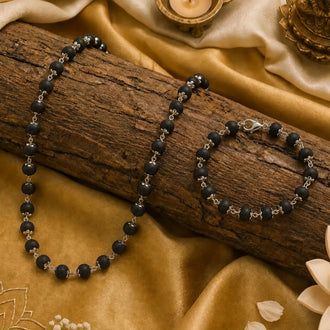
On the eve of each Monday, wake up early, ideally during Brahma Muhurat, typically between 4:00 AM and 5:30 AM. This auspicious time is believed to enhance the spiritual benefits of your devotion. After taking a purifying bath, wear clean, traditional clothes. Prepare your puja area by placing an idol or image of Lord Shiva and Devi Parvati on a clean altar. Collect all necessary puja items such as fresh Bilva Patra (Bael leaves), fragrant Datura flowers, Ganga Jal (holy water), raw milk, yogurt, ghee, honey, sugar, sandalwood paste, and incense sticks. Keep a bell, an oil lamp, and an aarti plate ready. Consider using an Authentic Rudraksha Mala with Brass Damru & Trishul Pendant Blessed in Kashi for your chants, as Rudraksha beads are sacred to Lord Shiva.
2. The Solah Somwar Vrat Puja Vidhi
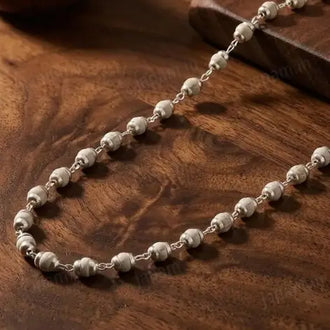
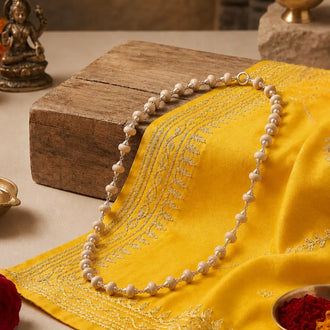
The puja begins with an invocation of Lord Ganesha, the remover of obstacles, ensuring a smooth observance. Then, proceed with the main worship of Lord Shiva and Devi Parvati. Offer Ganga Jal, milk, curd, ghee, honey, and sugar (Panchamrit) to the Shiva Lingam, performing Abhishek. Each offering is accompanied by specific mantras. Apply sandalwood paste to the deities and offer 108 Bilva Patra leaves, believed to be highly pleasing to Shiva, along with Datura, Akarkara, and other seasonal white flowers. Light a ghee lamp (diya) and incense (agarbatti), circling them clockwise. Recite the Shiva Moola Mantra "Om Namah Shivaya" 108 times, using a Tulsi Japa Mala with 108 Original Big Beads for Meditation for counting. Offer sweets and fruits as Naivedyam, especially chana-gud prasad (chickpea and jaggery mixture), which is a traditional offering for this vrat. Conclude the puja by performing an Aarti to Shiva and Parvati, expressing gratitude and devotion.
3. Observing the Fast
For the entire day, devotees observe a fast from sunrise to sunset. Some observe a strict nirjala fast (without water), while others consume only fruits, milk, or water. Grains, salt, and spicy foods are generally avoided. It is customary to break the fast only after the evening puja and listening to the Solah Somwar katha. Throughout the day, keep your mind focused on devotion, meditate on Lord Shiva and Devi Parvati, and refrain from negative thoughts or actions. The strictness of the fast can be adapted based on individual health and capacity, but the spirit of unwavering devotion remains central.
4. The Solah Somwar Katha
Listening to or reading the Solah Somwar katha is an essential part of the vrat. This narrative, often passed down through generations, typically tells the story of a merchant's daughter named Sumati who, through her sincere observance of this fast, was blessed with a virtuous husband and abundant prosperity. Her devotion eventually led to her husband's return from a perilous journey and their happy family life, despite initial challenges. The katha reinforces belief in the power of devotion and the blessings of Lord Shiva and Parvati. This story should be heard with full attention and reverence, preferably after the evening puja, as it strengthens one's faith and resolve.
5. The Significance of Solah Shringar
On each Monday, especially for unmarried women, observing Solah Shringar (the sixteen traditional adornments) can enhance the devotional aspect of the vrat. This practice symbolizes the dedication and purity with which one approaches the deities, especially Parvati, who is revered as the epitome of grace and beauty. Solah Shringar includes items like a bindi, sindoor, kajal, mehndi, bangles, anklets, and a traditional saree. It is a way to present oneself respectfully and beautifully to the divine, aligning with the traditional symbolism of the Shiva-Parvati vivah and seeking similar auspiciousness in one's own life.
6. Solah Somwar Udyapan: The Grand Conclusion
The udyapan ceremony marks the successful completion of the sixteen Mondays fast. This significant ritual is performed on the 17th Monday, symbolizing the culmination of your spiritual efforts. It involves a special havan (fire ritual) performed with Vedic mantras, feeding Brahmins (typically 16 Brahmins, one for each Monday), and donating items relevant to Shiva and Parvati, such as food, clothes, and puja articles. The chana-gud prasad is offered again, along with other traditional delicacies. Distributing prasad to family members, friends, and the needy is also a vital part of this concluding ceremony, symbolizing the sharing of blessings received and good fortune. This final act of devotion completes the spiritual path undertaken, securing the full benefits of the vrat.

Benefits of the 16 Mondays Fast & What to Offer
Observing the Solah Somwar Vrat brings numerous spiritual and worldly benefits, particularly centered around marital well-being and general prosperity. The consistent discipline and devotion over sixteen Mondays are believed to purify the mind, body, and spirit, drawing divine grace into one's life.
- Fulfillment of Marriage Wishes: Unmarried women observing this vrat with sincerity are believed to receive blessings for finding a compatible and loving life partner who shares their spiritual values.
- Marital Harmony: Married women undertaking the fast seek sustained happiness, mutual understanding, and longevity for their husbands and family members, fostering a peaceful home environment.
- Relief from Obstacles: Devotees often experience a reduction in life's challenges, both personal and professional, and an increase in overall peace and positive energy, clearing paths to success.
- Spiritual Growth: The regular practice of fasting and prayer fosters a deeper connection with Lord Shiva and Devi Parvati, enhancing spiritual awareness and inner strength.
- Health and Well-being: The discipline of fasting, when done correctly, can also contribute to physical detoxification, improved digestion, and mental clarity, promoting better overall health.
- Accumulation of Punya (Merit): Each Monday's observance adds to the devotee's spiritual merits, leading to auspicious outcomes in this life and beyond, bringing good karma.
When performing the puja, specific offerings are highly regarded for their spiritual significance:
- Bilva Patra: Offer 108 leaves to Lord Shiva, as they are considered extremely dear to Him and symbolize purity and devotion.
- Datura and Akarkara: These flowers are traditional offerings to Shiva, symbolizing detachment, purity, and his ascetic nature.
- Milk, Water, Honey, Ghee, Yogurt: Used for Abhishekam, purifying the Shiva Lingam and seeking blessings for abundance.
- Sandalwood Paste: Applied to the deities for coolness and reverence, symbolizing peace and spiritual purity.
- Chana-gud Prasad: A simple yet significant offering of chickpeas and jaggery, symbolizing humility, devotion, and gratitude.
- Sweets and Fruits: Any seasonal sweets or fruits can be offered as Naivedyam, representing the sweetness of devotion.
- Clothes for Idols: Offer new garments, especially during the udyapan, to Shiva and Parvati, symbolizing respect and new beginnings.
For enhancing your daily meditation and chanting during these Mondays, a mala made of natural beads can be very helpful. You can find a suitable Original 5 Mukhi Rudraksha Mala (Nepali/Indian) 108+1 Beads, 6 mm, Spiritual Protection, Blessed in Kashi to aid your prayers and connect with Shiva's energy.
Can Solah Somwar continue if a Monday falls on a death anniversary or family mourning?
Observing a vrat like Solah Somwar during periods of impurity, known as 'Sutak' (after childbirth) or 'Patak' (after a death in the family), is generally avoided in traditional Hindu practices. If a death anniversary or a period of family mourning (such as within the 10-13 days following a demise) coincides with one of your Solah Somwar fasts, it is advised to temporarily pause the vrat for that specific Monday. The period of impurity means that certain religious rites, including elaborate pujas and fasts, are usually suspended to maintain spiritual sanctity. Once the period of impurity concludes and the necessary purification rituals have been performed, you can resume the Solah Somwar Vrat from the next available Monday. The missed Monday is not typically carried forward or made up, but the sequence of 16 consecutive Mondays is considered broken. However, the spiritual intent and devotion remain intact. Consult a knowledgeable family priest or guru for personalized guidance based on your specific family traditions and regional customs to ensure proper observance in such delicate situations. For more on ritual purity, you might read about Shravan Maas Sadhana.
Common Mistakes to Avoid
- Breaking the Fast Prematurely: The fast must be observed for the entire day until evening puja and katha recitation. Breaking it early can diminish the vrat's intended spiritual benefits.
- Incorrect Puja Items: Ensure you have all the traditional offerings, especially Bilva Patra (108 leaves are ideal) and Datura flowers for Lord Shiva. Using incorrect items or missing key components can reduce the efficacy of the ritual.
- Ignoring the Katha: The Solah Somwar katha is an integral part of the vrat; skipping it diminishes the spiritual benefit and understanding of the vrat's origins and blessings. Listening to it connects you to its rich tradition.
- Missing Udyapan: Not performing the udyapan ceremony on the 17th Monday leaves the vrat incomplete and unfulfilled. This concluding ritual is crucial for formally completing your vow and receiving full blessings.
- Lack of Cleanliness: Maintaining physical and mental purity is crucial, including wearing clean clothes and having a pure mindset throughout the day. Neglecting hygiene or harboring negative thoughts can affect your spiritual connection.
- Disrespecting Elders or Brahmins: During the vrat, especially on udyapan day, showing disrespect to family elders or Brahmins can negate the positive merits gained. Humility and respect are key aspects of devotional service.
FAQs
What are the primary Solah Somwar Vrat rules?
The primary Solah Somwar Vrat rules include observing a fast for sixteen consecutive Mondays, waking early, performing specific puja to Lord Shiva and Devi Parvati with offerings like Bilva Patra, and listening to the Solah Somwar katha. The fast is broken after evening puja, typically avoiding grains and salt during the day.
What are the significant 16 monday fast benefits?
The significant 16 monday fast benefits include blessings for finding a desired life partner for unmarried women, promoting marital harmony and family well-being for married women, removing obstacles, fostering spiritual growth, and accumulating spiritual merit, leading to overall peace and prosperity.
Can you explain the Solah Somwar katha briefly?
The Solah Somwar katha typically narrates the story of a merchant's daughter who, by observing the 16 Mondays fast with unwavering devotion, was blessed with a virtuous husband, a happy marriage, and prosperity. This story serves as an inspiring example of the vrat's power to fulfill sincere prayers.
What is the procedure for Solah Somwar udyapan?
The procedure for Solah Somwar udyapan involves concluding the fast on the 17th Monday with a grand ritual. This typically includes performing a havan, feeding Brahmins, offering specific donations such as food, clothes, and puja items, and distributing chana-gud prasad to friends and family, symbolizing gratitude and completion.
Who can observe the Solah Somwar Vrat?
The Solah Somwar Vrat can be observed by any devotee with sincere intentions, primarily unmarried women seeking a loving spouse and married women praying for family harmony, husband's well-being, and overall prosperity. Men can also observe it for spiritual growth or specific wishes related to Lord Shiva.
Conclusion
The Solah Somwar Vrat is a powerful and sacred observance, offering devotees a structured path to seek divine blessings from Lord Shiva and Devi Parvati. By understanding the Solah Somwar Vrat rules, faithfully following the puja vidhi, and sincerely engaging with the Solah Somwar katha, practitioners can truly connect with the divine. Whether seeking marital bliss or family harmony, this sixteen-Mondays fast purifies the heart and strengthens one's spiritual resolve. Conclude your vrat with the traditional udyapan ceremony, offering gratitude for the blessings received. For your daily puja needs, explore our authentic Monthly Vrindavan Puja Kit (for sincere Krishna devotees) - Restocking on 1st June.
By Jaya Singh