Spiritual Truths About the Soul After Death Hinduism Afterlife

Spiritual Truths About the Soul After Death Hinduism Afterlife
Kashi priests perform the Antyesti sanskar for thousands of devotees every month to ensure the atman finds peace. This ancient practice provides a direct look into the soul after death hinduism afterlife cycle. You will learn how the subtle body leaves the physical shell and what determines the next birth. This guide explains the spiritual continuation of life through the lens of Vedic wisdom and Puranic traditions.

Quick Takeaways
- The atman remains eternal and never dies despite the destruction of the physical body.
- Karma acts as the primary force determining the nature of the next physical form.
- A thirteen day mourning period helps the subtle body transition away from earthly bonds.
- Moksha represents the ultimate end to the cycle of birth and death forever.
| Event | Timeline | Significance | Muhurat |
|---|---|---|---|
| Prana Tyaga | Moment of Death | Soul leaves the sthula sharira | Brahma Muhurat preferred |
| Mukhagni | Cremation | Fire purifies the physical elements | During daylight hours |
| Pinda Daan | Days 1 to 10 | Building the temporary subtle body | Afternoon (Pitru time) |
| Shuddhi | Day 13 | Soul finishes its earthly transition | Sunrise tithi |

Why This Matters
Understanding the transition of the self helps devotees face mortality with composure and clarity. In the Vedic tradition, death is not a final stop but a gateway to a new state of existence. This belief system emphasizes that every action performed in this world leaves a trace on the subtle body. These traces, known as samskaras, shape the future of the atman. Skanda Purana 2.4.18 states that the soul receives the fruits of its own labor through the divine justice of Yama. This scripture highlights that no act goes unnoticed in the eyes of the cosmos. In holy cities like Vrindavan and Kashi, the focus remains on preparing the consciousness for this inevitable change. By following specific rituals, families help their loved ones move toward higher lokas. Spiritual continuation depends on the balance of merit and debt accumulated over many lifetimes. You can learn more about divine forms in our guide on the divine mother in hinduism to understand how grace aids the soul.
The Main Guide to the Afterlife
The Exit of Prana
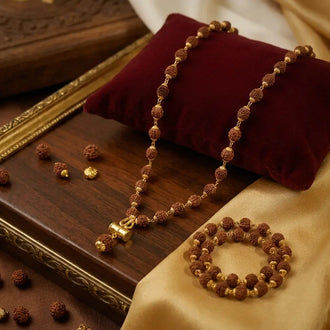
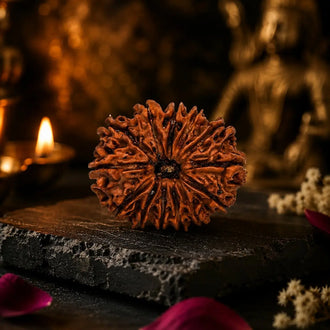
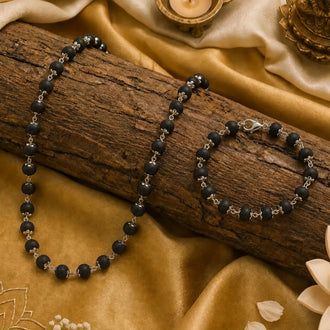
The process starts when the prana or life force begins to withdraw from the extremities. According to the Upanishads, the soul exits through one of the eleven gates of the body. Devotees believe that exiting through the crown of the head or Brahmarandhra leads to higher dimensions. At this moment, the individual sees a summary of their entire life. The attachment to the physical body is strongest here, which is why chanting holy names is vital. Using a 5 Mukhi Original Rudraksha Mala 108 Beads + 1 Guru Bead, Blessed in Kashi during daily prayers helps keep the mind focused on the divine before the final hour arrives.
The Path to Yamaloka
After the body is cremated, the soul exists in a thumb-sized form known as the Preta. For several days, it lingers near its former home and loved ones. The Garuda Purana describes a long path that the soul must travel toward the court of Yama. This path features various obstacles that represent the person's earthly challenges and sins. The offerings of water and sesame seeds by the family provide the soul with the energy needed for this journey. Without these rituals, the soul might feel stranded in the Bhu-Loka or earthly plane. Afterlife beliefs suggest that the prayers of the living provide the necessary light for the departed.
Judgment and Chitragupta
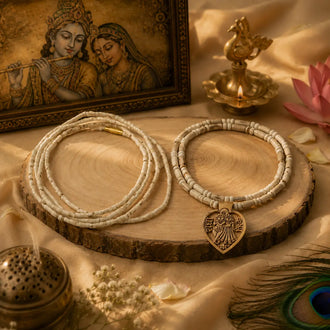
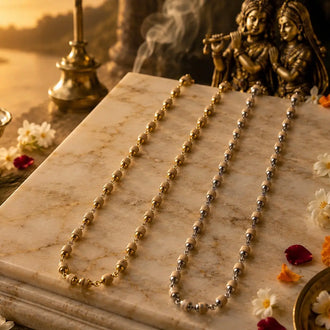
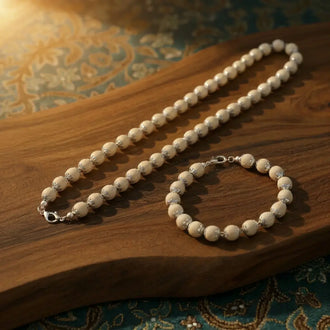
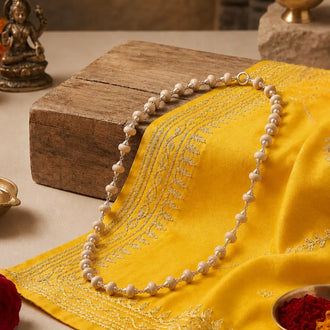
Once the soul reaches the assembly of Yama, the deity of justice, its deeds are reviewed. Chitragupta, the divine accountant, reads from the record of every thought and action. This is where reincarnation is decided based on the dominant gunas or qualities of the soul. Those with high sattva may go to Svarga, while those with heavy tamas might face periods in Naraka for purification. This is not a permanent heaven or hell but a temporary state to balance the karmic ledger. Wearing a Gold-Plated Tulsi Mala 60 Beads, 5-6 mm, Peace & Protection can help a person stay aligned with sattvic living during their lifetime.
The Return to Rebirth
After the period of reward or punishment ends, the soul must return to the martya loka or the world of mortals. It enters a new womb through the medium of rain and food. The specific family and environment are chosen to provide the lessons needed for further growth. This cycle continues until the soul achieves total purity and realizes its oneness with Brahman. This realization leads to the end of the soul journey and the beginning of eternal bliss.
Key Benefits of Rituals
- Rituals provide the necessary spiritual energy for the soul to move forward without fear.
- Daily chanting of the Laxmi Ji Ki Aarti creates a positive environment that attracts auspiciousness.
- Pinda Daan ensures that the ancestors are satisfied and do not suffer in the lower realms.
- Donating items like food, clothes, and lamps in the name of the departed earns immense merit.
- Keeping a Original 5 Mukhi Rudraksha Mala 108+1 Beads, 4 mm, Daily Meditation, Blessed in Kashi near the altar helps the family maintain mental peace during mourning.
- The use of Ganga jal and Tulsi leaves at the time of death purifies the departing prana.
What does Hinduism say about what happens to the soul after death?
Hinduism teaches that the soul is an indestructible entity that changes bodies just as a person changes old clothes for new ones. When death occurs, the physical body returns to the five elements, but the subtle body carrying the mind and karma remains. This subtle body travels to various lokas depending on the merit earned through life. The soul does not experience death in the way the body does. Instead, it undergoes a transformation of state. In the initial period, it requires assistance through shraddha ceremonies to transition from a ghost-like state to a pita or ancestor. Eventually, the soul is pulled back into the cycle of reincarnation by its unfulfilled desires and karmic debts. The ultimate goal remains Moksha, where the atman merges with the supreme consciousness. It is always wise to consult a priest to understand the specific tithi and rituals required for family members. This ensures that the tradition is followed with accuracy and respect for the departed spirit. You can read about protecting the home from negative energy in our Kali Mata Ki Aarti blog.
Common Mistakes to Avoid
- Refrain from performing rituals without checking the correct tithi according to the local Panchang.
- Avoid keeping the ashes of the deceased inside the home for an extended period after cremation.
- Do not skip the 13th day ceremony as it is crucial for the soul's final departure.
- Never perform funeral rites during the prohibited hours of the night unless it is an emergency.
- Avoid wearing a japa mala used for death rituals during regular festive puja ceremonies.
What is the role of Karma in reincarnation?
The role of Karma in reincarnation is to act as the steering force for the soul. Every action creates a seed that must eventually bear fruit. This determines whether a soul moves toward higher or lower species in the next life.
How long does the soul take to reincarnate?
How long the soul takes to reincarnate varies based on its karmic burden and spiritual state. Some souls take birth within months, while others may stay in the ancestral realm for many years before returning to the physical plane.
Can a soul be trapped on earth after death?
Can a soul be trapped on earth after death is a common concern if rituals are not done. If a person has extreme attachments or died an unnatural death, the soul might become a Preta until specific pujas are performed.
What is the significance of the river Vaitarna?
What is the significance of the river Vaitarna involves a difficult crossing the soul must make. It is said that those who donated a cow during their lifetime can cross this river of misery easily by holding its tail.
Do souls recognize their family in the afterlife?
Do souls recognize their family in the afterlife depends on the level of attachment and the specific loka. While in the Pitru Loka, ancestors can recognize and bless their descendants, though their perception is different from ours.
Conclusion
The transition of the soul after death hinduism afterlife process is a structured journey governed by the laws of karma and devotion. By focusing on dharma and performing the necessary rituals, one ensures a peaceful path for the atman. Remember that life is a preparation for the final transition toward the divine. Using a Premium and Authentic Rudraksha Mala & Panch Mukhi Rudraksha Bracelet Combo - Blessed in Kashi can help you stay connected to your daily bhakti. For more insights into spiritual protection, explore our Kali Mata Ki Aarti guide.
Written by- Ipshita Jain