Exploring Tulsi Medicinal Uses Health Benefits Ayurveda Traditions

Exploring Tulsi Medicinal Uses Health Benefits Ayurveda Traditions
Walking through a courtyard in Kashi at sunrise, one often hears the rustle of dark green leaves being plucked for morning tea. This small shrub remains a central part of Indian homes because tulsi medicinal uses health benefits ayurveda practitioners recommend are vital for daily life. You will learn about the phytochemicals, respiratory advantages, and simple ways to incorporate this holy basil into your modern routine for lasting vitality.

Quick Takeaways
- Ocimum sanctum contains eugenol which supports heart health and reduces oxidative stress in the body.
- Daily consumption of three fresh leaves helps maintain stable blood sugar levels for most healthy adults.
- Ayurvedic practitioners categorize the herb as a Kapha-Vata shamak to balance internal bodily humors.
- Vrindavan varieties like Krishna Tulsi offer higher concentrations of antioxidants compared to standard garden basil.
| Property | Benefit | Ayurvedic Action | Modern Usage |
|---|---|---|---|
| Antipyretic | Reduces Fever | Jvaraghna | Tulsi Decocotion |
| Adaptogen | Stress Relief | Manas-Shanti | Herbal Tea |
| Antimicrobial | Fights Infection | Krimighna | Skin Poultice |
| Expectorant | Clears Phlegm | Kasa-Shvasahara | Honey Mixture |
Why This Matters
The significance of this plant goes beyond its green leaves and woody stems. In the ancient texts, it is described as the essence of purity that cleanses both the physical body and the environment. Charaka Samhita Sutrasthana 27.165 mentions that the herb is effective in treating hiccups, coughs, and foul odors while acting as a protector of the vital breath. Devotees in Vrindavan treat the plant as a living deity, but they also recognize its practical medicinal value for maintaining a clear mind during long hours of chanting. The high eugenol content acts as a natural cox-2 inhibitor, which helps manage inflammation without the side effects of synthetic drugs. Research shows that the plant emits oxygen for 20 hours a day and produces ozone, making it a natural air purifier for small living spaces. When you choose an authentic why you should avoid chemical treated tulsi malas for your spiritual practice, you are respecting the same purity found in its medicinal applications. This plant bridges the gap between the physical health of the devotee and the spiritual goals of the practitioner.

The Main Guide to Healing with Tulsi
Tulsi Plant Properties for Respiratory Relief
The primary tulsi plant properties focus on the respiratory system. It acts as an effective expectorant that thins mucus in the bronchial tubes. Devotees often mix five crushed leaves with one teaspoon of raw honey to treat chronic bronchitis or asthma. The presence of camphene and cineole helps in opening up the lungs. This mixture is usually taken twice a day, specifically after morning prayers when the stomach is relatively empty. In the humid climates of Braj, this practice prevents seasonal congestion and ensures the throat remains clear for kirtan. It also serves as a potent remedy for influenza by inducing perspiration and bringing down high temperatures.
Skin Health and Antimicrobial Wellness
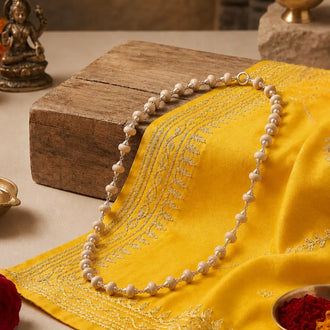
For external wellness, the plant serves as a powerful antifungal and antibacterial agent. Applying a paste of Rama Tulsi leaves to the skin helps treat ringworm and other fungal infections. The leaves contain ursolic acid which promotes skin elasticity and prevents premature aging. Many people in rural India use the juice of the plant to treat insect bites or stings because it neutralizes toxins quickly. You can also use the dried powder mixed with sandalwood to create a face pack that removes excess oil. If you are looking for spiritual protection to match this physical care, the Gold-Plated Tulsi Mala 60 Beads, 5-6 mm, Peace & Protection provides a constant connection to these purifying energies.
Stress Management and Cognitive Function
As a natural adaptogen, the plant helps the body respond to emotional and physical stress. It regulates cortisol levels, which prevents the "fight or flight" response from becoming a permanent state. This medicinal value extends to improving memory and concentration during complex tasks. Drinking a warm infusion of the leaves before bed can improve sleep quality by calming the nervous system. The volatile oils like linalool contribute to this sedative effect. In Vrindavan, the presence of the plant in the home is said to lower the overall anxiety of the household, creating a peaceful environment for meditation. For those who meditate, using the Tulsi Japa Mala with 108 Original Big Beads for Meditation can further deepen this sense of mental stillness.
Digestive Support and Detoxification
The plant aids digestion by stimulating the production of gastric juices. It prevents flatulence and helps in the proper assimilation of nutrients. A small dose of the juice mixed with ginger can stop vomiting and nausea almost immediately. It also supports liver function by protecting the organ from chemical toxins and heavy metals. This detoxification process is essential for anyone living in modern urban environments with high pollution levels. The bitter and pungent taste of the leaves helps in scraping away 'Ama' or undigested toxic waste from the intestinal lining.
Key Benefits and Daily Practice
- Reducing blood pressure by relaxing the smooth muscles of the blood vessels.
- Lowering blood sugar levels in patients with type 2 diabetes through improved insulin sensitivity.
- Acting as a natural mouth freshener that kills 99% of bacteria responsible for dental cavities and bad breath.
- Providing a rich source of Vitamin K which is essential for bone health and blood clotting.
- Treating earaches by putting two drops of lukewarm juice into the ear canal.
- Strengthening the immune system by increasing the production of T-helper cells and natural killer cells.
- Using the Silver Plated Tulsi Bracelet 17 Beads, 10 mm, Daily Protection to carry the plant's calming vibration throughout the day.
What are the medicinal uses and health benefits of the Tulsi plant beyond its spiritual use?
Beyond its spiritual use, the Tulsi plant serves as a comprehensive biological shield. It contains a high concentration of phytochemicals like eugenol, rosmarinic acid, and apigenin. These compounds provide significant anti-inflammatory, antioxidant, and anti-stress benefits. Modern clinical trials have shown that the plant can effectively manage metabolic stress by normalizing blood glucose and lipid levels. It also has a radioprotective effect, helping cells recover from oxidative damage caused by environmental radiation. The presence of vitamin C and A supports the ocular system, potentially preventing cataracts and other vision-related issues. In addition, the plant acts as a natural insect repellent when grown near windows, reducing the risk of mosquito-borne illnesses like malaria or dengue. Its ability to modulate the immune system makes it a natural prophylactic during flu season. While these health benefits are documented, it is always wise to consult a priest or an Ayurvedic doctor before starting any intense herbal regimen, especially if you are on blood-thinning medication. For more on the lifespan of these sacred materials, read about tulsi mala care how long it lasts dos don ts to keep your spiritual tools in peak condition.
Common Mistakes to Avoid
- Chewing the leaves directly as the mercury content can damage tooth enamel over a long period.
- Plucking leaves on Sunday, Ekadashi, or Dwadashi, which violates the spiritual purity of the plant.
- Heating honey while mixing it with leaf juice, as Ayurveda considers heated honey to be toxic.
- Using the plant for medicinal purposes without washing away the dust and pollutants from the surface.
- Taking the herb in very high doses during pregnancy without expert supervision.
What are the specific medicinal value indicators of Tulsi?
The medicinal value indicators of Tulsi include its high concentration of eugenol and ursolic acid. These specific chemical markers determine the potency of the herb in fighting inflammation and oxidative stress within the human body during daily use.
How does the plant contribute to daily wellness?
The plant contributes to daily wellness by acting as a natural adaptogen that balances cortisol levels. Consuming its leaves regularly helps the body manage psychological stress and physical fatigue while maintaining high energy levels throughout the working day.
What health benefits arise from drinking Tulsi tea?
The health benefits from drinking Tulsi tea include improved digestion and a stronger immune response against seasonal viruses. This warm infusion helps in clearing the respiratory tract and provides a calming effect on the central nervous system before sleep.
Are there any known tulsi plant properties for skin?
Known tulsi plant properties for skin include powerful antifungal and antibacterial actions that help clear acne and infections. The antioxidants present in the leaves also help in reducing the appearance of dark spots and fine lines over time.
How does Ayurveda explain its role in healing?
Ayurveda explains its role in healing as a Prana-enhancing herb that balances the Kapha and Vata doshas. By removing excess phlegm and calming the wind element, it restores the natural flow of energy and supports the body's self-healing mechanisms.
Conclusion
The integration of the plant into your life provides both physical and spiritual rewards. From clearing the lungs to reducing mental stress, the various applications of the herb make it an essential part of any home. Remember to use the leaves mindfully and respect the traditional harvesting rules. You can maintain a close connection to this sacred herb by wearing an Original Radha Madhav Tulsi Kanthi Mala Single Round, 10 mm, Love & Harmony. Understanding the tulsi medicinal uses health benefits ayurveda offers ensures a healthier future for your family. Explore more about spiritual tools in our guide on how to use tulsi mala for meditation daily prayer.
Written by- Ipshita Gwande