Tulsi Vivah Rituals 2026: Sacred Marriage, Significance & Puja Guide

Have you ever wondered about the profound spiritual significance behind the marriage of a plant to a deity, a union that resonates deeply within the spiritual heart of India? Tulsi Vivah, a sacred Hindu festival, beautifully encapsulates this divine union, symbolizing the ceremonial wedding of the holy Tulsi plant (Ocimum tenuiflorum), revered as a manifestation of Goddess Lakshmi, with Lord Vishnu, often in his aniconic Shaligram form. This auspicious occasion not only marks the joyful conclusion of the Chaturmas period – a four-month period of spiritual austerity – but also heralds the eagerly anticipated beginning of the Hindu wedding season across India. It is a heartfelt celebration imbued with deep devotion, fervent prayers for prosperity, and aspirations for enduring marital bliss. In this comprehensive guide, we will embark on a spiritual journey to delve into the rich history, profound spiritual meaning, detailed puja processes, and essential preparations required for performing Tulsi Vivah rituals, ensuring you can honor this divine ceremony with complete understanding, heartfelt reverence, and an enriched spiritual experience. This sacred event in 2026 promises to be a powerful reminder of divine love and the enduring power of devotion.
The Divine Union: Understanding Tulsi Vivah Significance
Tulsi Vivah is far more than just a ceremonial event; it is a profound spiritual occurrence deeply embedded in Hindu mythology and ancient traditions, holding particular reverence in the sacred land of Vrindavan, where every leaf and every deity resonates with divine love. This auspicious day commemorates the symbolic marriage of the divine Tulsi plant, universally regarded as a terrestrial form of Goddess Lakshmi, the consort of Lord Vishnu, with Lord Shaligram, who is revered as an aniconic representation of Lord Vishnu himself. The spiritual significance of Tulsi Vivah is immense, signifying the pivotal end of the Chaturmas period, during which Lord Vishnu is believed to be in a celestial sleep (Yoga Nidra). The performance of Tulsi Vivah thus symbolizes the awakening of Lord Vishnu and the return of auspicious energies to the cosmos. Devotees firmly believe that participating in and performing this sacred marriage ritual attracts boundless blessings, fosters prosperity, strengthens marital harmony, and bestows good fortune upon the household. The ancient Padma Purana glorifies the virtues of Tulsi, unequivocally stating that wherever the sacred Tulsi plant is present, Lord Vishnu graciously resides, purifying the entire environment and bestowing immeasurable spiritual merit upon all who dwell there. Observing Tulsi Vivah, therefore, is not merely a ritual but a heartfelt connection to the eternal divine love story and the cosmic balance of purity and devotion it profoundly represents. This tradition underscores the belief that even the humblest of creations, when imbued with devotion, can become a conduit for the divine.
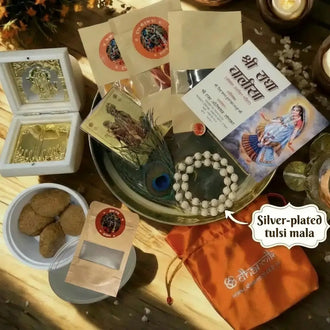
Bring the sanctity of Vrindavan into your home with a Monthly Vrindavan Puja Kit (for sincere Krishna devotees) - Restocking on 1st June, meticulously curated to support and elevate your daily spiritual practices.
Spiritual Insight: The union of Tulsi and Shaligram represents the ultimate merger of Prakriti (nature, represented by Tulsi) and Purusha (the divine masculine, Lord Vishnu), highlighting the cosmic balance essential for creation and sustenance. It teaches us the importance of reverence for nature as a manifestation of the divine.
When is Tulsi Vivah 2026? Dates, Tithi, & Muhurat
Tulsi Vivah is traditionally observed with great devotion on the Dwadashi (the twelfth day) or sometimes Trayodashi (the thirteenth day) of the Shukla Paksha (the bright fortnight) of the Kartik month in the Hindu lunar calendar. This period typically falls in late October or November according to the Gregorian calendar. For the year 2026, devotees across India and worldwide will prepare to celebrate this auspicious festival with immense fervor. The precise dates and timings are crucial for observing the rituals correctly and maximizing the spiritual benefits.
| Aspect | Details for 2026 |
|---|---|
| Date | November 11, 2026 |
| Tithi | Kartik Shukla Dwadashi |
| Dwadashi Tithi Begins | Morning of November 10, 2026 (exact time will vary by location, typically around sunrise) |
| Dwadashi Tithi Ends | Late evening of November 11, 2026 (exact time will vary by location, typically post-sunset) |
| Auspicious Muhurat (Evening) | Specific evening hours (to be confirmed closer to date by local Panchang, typically between 6:00 PM - 8:00 PM, considered prime for the wedding ceremony) |
| Location | Observed across all regions of India, with particular emphasis in Vaishnava traditions and devout Hindu homes worldwide, symbolizing a grand domestic wedding. |
It is highly recommended to consult a local Panchang (Hindu almanac) or an experienced priest closer to the date for the most accurate and precise timings specific to your geographic location, as Tithi timings can fluctuate slightly. This ensures that the sacred Tulsi Vivah rituals are performed during the most auspicious period, invoking the fullest blessings of Lord Vishnu and Goddess Tulsi.
Commemorate this sacred event and invite prosperity with a Lakshmi Ganesha Pure Silver Coin, an ideal item for offerings, prayers, and receiving divine blessings of wealth and wisdom.
Spiritual Insight: The precise timing of Tithis and Muhurats in Hinduism is believed to align human efforts with cosmic energies, ensuring rituals are performed at moments when divine grace is most accessible and potent.
The Sacred Tulsi Vivah Katha: A Tale of Devotion and Transformation
The legend behind Tulsi Vivah is a captivating and deeply moving narrative drawn from ancient Hindu scriptures, predominantly detailed within the revered Padma Purana. This profound tulsi vivah katha eloquently unfolds the divine marriage between the sacred Tulsi plant and Lord Vishnu, serving as a timeless testament to themes of unwavering devotion, immense sacrifice, and ultimately, divine grace. Understanding this story is crucial to grasping the true essence of the festival.
The Saga of Vrinda and Jalandhar
The epic tale commences with Vrinda, a woman of unparalleled piety, devotion, and chastity, who was the devoted wife of the formidable demon king Jalandhar. Vrinda's unwavering purity and unblemished chastity were the very source of her husband's invincibility, granting him an impenetrable shield against any foe. As long as her virtue remained intact, no power in the heavens or on earth could defeat Jalandhar. His immense power became a significant threat to the cosmos, leading to tyrannical rule that even the most powerful deities, including Lord Shiva, struggled to counteract. The Devas, suffering under Jalandhar's oppressive reign, desperately sought divine intervention to restore cosmic order.
Lord Vishnu's Dilemma and Intervention
Faced with the grave peril Jalandhar posed to the universe, Lord Vishnu was compelled to intervene, albeit through an act that would test the boundaries of dharma. To break Jalandhar's invincibility, Lord Vishnu assumed the guise of Jalandhar himself and approached Vrinda. Through this divine deception, Vrinda's chastity was unwittingly compromised. Stripped of her virtue's protective aura, Jalandhar immediately lost his supernatural powers and was swiftly defeated and slain by Lord Shiva in battle.
Vrinda's Curse and Transformation
Upon discovering the profound deception, Vrinda was utterly heartbroken and overwhelmed with grief and a sense of betrayal. In her anguish, she uttered a powerful curse upon Lord Vishnu, condemning him to be transformed into a Shaligram, a black stone, and to endure separation from his beloved consort, Lakshmi. Vrinda then immolated herself on her husband's funeral pyre, demonstrating the depth of her devotion and despair. However, from the ashes of her physical form, a new, sacred plant miraculously sprouted, which came to be known as Tulsi.
The Fulfillment of a Divine Vow
Lord Vishnu, deeply moved and touched by Vrinda's unwavering devotion, immense sacrifice, and the purity of her spirit despite her sorrow, graciously accepted her curse. He then declared that Vrinda, through her rebirth, would forever be revered as the sacred Tulsi plant. He solemnly vowed that he, in his Shaligram form, would annually marry her, thereby eternally honoring her unwavering devotion. Furthermore, he granted her the supreme boon that no puja (worship ritual) offered to him would ever be considered complete without the sacred offering of Tulsi leaves. This divine act transformed Vrinda's tragic sacrifice into eternal glory, elevating Tulsi to the status of the most revered and sacred plant in Hindu tradition, forever intrinsically associated with Lord Vishnu and Goddess Lakshmi. Thus, Tulsi Vivah represents the poignant fulfillment of Lord Vishnu's vow and Vrinda's ultimate transformation into a divine, worshipped entity. The ceremony is a poignant reminder of the transcendent power of devotion, the enduring cycle of transformation, and the boundless nature of divine mercy and compassion.
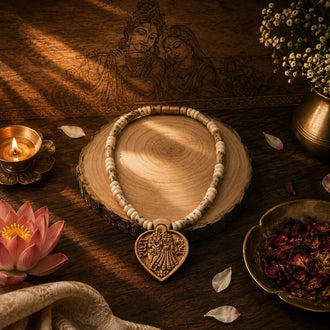
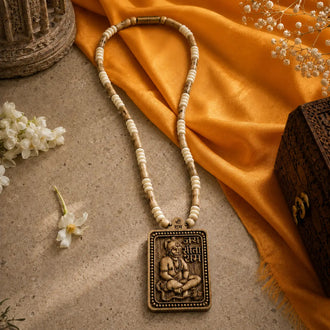
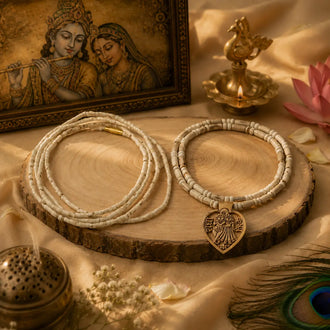
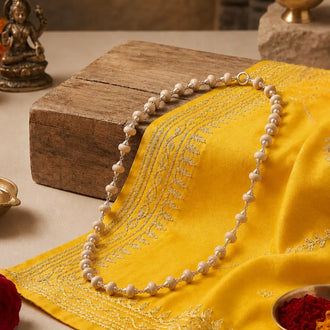
Embrace and symbolize this divine love in your daily life with an Original Tulsi Mala with Radha Krishna Pendant Single Round, 10 mm, Sacred Devotion, a powerful and beautiful symbol of unwavering devotion.
Spiritual Insight: The Tulsi Vivah Katha teaches that true devotion, even in its most challenging forms, is eternally recognized and rewarded by the divine. It emphasizes the concept of divine play (leela) and the interconnectedness of all creation.

Comprehensive Tulsi Puja Vidhi: A Step-by-Step Guide to the Sacred Marriage
Performing the tulsi puja vidhi for Tulsi Vivah is a meticulous and deeply spiritual endeavor that involves careful preparations and adherence to specific, time-honored rituals. Each step is designed to invoke the abundant blessings of Lord Vishnu and Goddess Tulsi, creating a sacred atmosphere for their celestial union.
Preparing for the Divine Wedding: Mandap Setup & Decorations for Tulsi Vivah
A crucial and visually enchanting part of the Tulsi Vivah ceremony is the meticulous setup of a beautiful mandap (a ceremonial canopy or altar) that serves as the sacred venue for the divine marriage. This preparation sets the festive and reverent tone for the entire event.
- Choose a clean, auspicious, and well-lit spot in your home, ideally in a courtyard, balcony, or a dedicated puja room, ensuring it is a place of peace and sanctity.
- Erect a small, sturdy, and exquisitely decorative mandap. This is traditionally done using four fresh sugarcane stalks as pillars, symbolizing sweetness and prosperity. Drape the structure with vibrant, colorful cloths, auspicious fresh flowers, and fresh mango leaves, which signify purity and good fortune.
- Carefully place the potted Tulsi plant, healthy and vibrant, in the precise center of the mandap, treating her as the bride.
- Position an idol or a beautiful picture of Lord Vishnu, or preferably a revered Lord Shaligram, directly beside the Tulsi plant, ensuring they face each other as the divine groom and bride.
- Decorate the entire surrounding area elaborately with traditional rangoli patterns, using colorful powders or flower petals. Light numerous earthen lamps (diyas) and decorative lights to create a luminous and festive wedding atmosphere. Incorporate fresh flower garlands generously.
- Ensure the area is not only visually splendid but also spiritually fragrant with the aroma of high-quality incense sticks and traditional dhoop, setting a serene and inviting ambiance for the deities.
- Prepare a small platform or a chowki for the deities, covered with a clean cloth.
- Keep all puja samagri (ritual items) neatly arranged and within easy reach before the ceremony commences.
Adorn your deities and mandap with a Radha Rani Chunri Divine Grace from Vrindavan, symbolizing purity, devotion, and divine feminine grace for the ceremony.
Spiritual Insight: The mandap symbolizes the cosmic dwelling where the divine union takes place, while sugarcane signifies abundance, and mango leaves represent the blessings of fertility and prosperity.
Essential Puja Samagri List for Tulsi Vivah Rituals
A comprehensive and well-prepared list of puja items is absolutely essential to ensure a smooth, complete, and spiritually fulfilling Tulsi Vivah ceremony.
| Category | Items | Significance |
|---|---|---|
| Deities | Tulsi plant (healthy and well-maintained), Lord Shaligram or Vishnu idol/picture | The divine bride and groom whose union is celebrated. |
| Offerings (General) | Sweets (Mithai, especially Laddoos or Kheer), seasonal fruits, whole coconut, betel leaves and nuts (paan-supari), Ganga Jal (sacred Ganga water), fresh milk, pure ghee, honey, sugar candy (misri) | Symbolize sweetness, abundance, purity, and reverence offered to the deities. |
| Auspicious Items | Sindoor (vermilion), turmeric powder (haldi), kumkum, rice (Akshat, unbroken grains), cotton wicks, oil/ghee for lamp, camphor, sandalwood paste (chandan), saffron (kesar) | Represent prosperity, auspiciousness, purification, and devotion, essential for all Hindu rituals. |
| Garments/Adornments | Red chunari (a small saree or dupatta) for Tulsi, new clothes for Lord Vishnu (traditionally dhoti/pitambar in yellow), small pieces of jewellery (necklaces, bangles for Tulsi), flower garlands (especially marigold and jasmine) | Dress the deities as a bride and groom, symbolizing respect and making them beautiful for the wedding. |
| Mandap Items | Sugarcane stalks (4 for pillars), fresh flowers (roses, marigolds), fresh mango leaves, earthen lamps/diyas, incense sticks, rangoli colors, colorful ribbons/decorations | To create the sacred wedding canopy and festive environment. |
| Ritual Tools | Small bell, conch shell (shankh), kalash (water pot), copper or brass spoon, small plate/thali for Aarti, matchbox or lighter, water pot with fresh water, a small seat (asan) for the devotee. | Instruments for performing the rituals, purifying the space, and offering prayers. |
For your sacred offerings, consider presenting an Vrindavan Prasad Box (Braj Raj included), filled with authentic blessings and traditional items directly from the holy land of Vrindavan.
Spiritual Insight: Every item used in puja has symbolic value, from sindoor representing marital bliss to Ganga Jal symbolizing purification. These items aid in focusing devotion and inviting divine energies.
The Puja Rituals: Performing the Sacred Marriage of Tulsi and Vishnu
The actual Tulsi Vivah rituals are performed with great devotion and precision, simulating a traditional Hindu wedding ceremony.
- Sankalpa (Taking the Vow): Begin the puja by taking a formal sankalpa, a sacred vow. Hold a little water, rice, and a flower in your hand, state your name, date, and purpose of performing the Tulsi Vivah, seeking blessings for your family's prosperity, health, and happiness. Then, offer these items to the earth.
- Ganesh Puja (Invoking the Remover of Obstacles): Before any major Hindu ritual, it is customary to first invoke Lord Ganesha. Offer modak, flowers, and chant "Om Gam Ganapataye Namaha" to seek His blessings for the smooth and successful completion of the ceremony, ensuring all obstacles are removed.
- Tulsi Snan & Shringar (Bathing and Adorning the Bride): Gently bathe the Tulsi plant with sacred Ganga Jal, pure water, and milk. Then, adorn her like a traditional Indian bride. Drape her with a vibrant red chunari or a miniature saree, decorate her with bangles, apply sindoor (vermilion) and kumkum on her pot/base, and offer small pieces of jewellery and flower garlands.
- Lord Shaligram/Vishnu Snan & Shringar (Bathing and Adorning the Groom): Bathe the Lord Shaligram or Vishnu idol with Panchamrit (a mixture of milk, curd, ghee, honey, and sugar), followed by pure water. Dress Him in new, auspicious clothes, typically a yellow dhoti (pitambar), and adorn Him with fragrant flower garlands, sandalwood paste, and other embellishments fitting a divine groom.
- Ghat Sthapana & Lamp Lighting: Establish a kalash (pot) filled with water, mango leaves, and a coconut on top, symbolizing auspiciousness and the presence of divine energies. Light earthen lamps (diyas) around the mandap, signifying the dispelling of darkness and the welcoming of divine light.
- Invoking Deities (Avahana): With folded hands, offer heartfelt prayers to Lord Vishnu and Tulsi Devi, reverently inviting them to accept your puja and grace the ceremony with their divine presence. Offer incense and dhoop.
- Kanyadaan (Giving Away the Bride): Symbolically perform the Kanyadaan for Tulsi, an act where the devotee, as the guardian, offers her to Lord Vishnu. This is a profound moment signifying dedication and surrender to the divine. This is usually done by tying a sacred thread (mangal sutra or kalava) around the Tulsi plant's pot and connecting it to the Shaligram stone or Vishnu idol.
- Phere (Circumambulations): Perform circumambulations (Parikrama) around the Tulsi plant (along with the Shaligram/Vishnu idol), typically seven times, symbolizing the wedding vows. As you circle, pray for a blessed and harmonious life, much like the commitment made in a human marriage.
- Aarti (Offering of Light): Conclude the main puja with the traditional Aarti for Lord Vishnu and Tulsi Devi. Offer prayers by rotating a lighted lamp (diya) clockwise in front of the deities, accompanied by devotional songs and the ringing of bells.
- Prasad Distribution (Sharing Blessings): Distribute the consecrated sweets and other offerings (prasad) among all family members, friends, and devotees present, sharing the divine blessings and joy of the occasion.
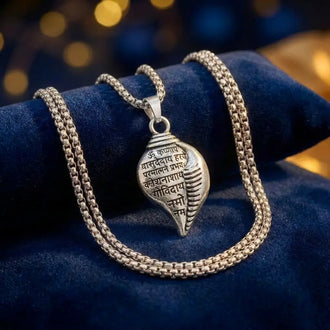
Enhance your divine offerings and prayers with a sacred Gold Plated Ram Pendant With Chain, representing auspiciousness and unwavering devotion to Lord Vishnu's incarnation.
Spiritual Insight: Each step in the puja vidhi is a symbolic act of love, surrender, and invocation. The Kanyadaan, in particular, signifies the devotee's offering of all worldly attachments to the divine, seeking spiritual liberation.

Mantras and Offerings for a Blessed Tulsi Vivah
The chanting of specific mantras and the offering of particular items play a profoundly significant role in invoking and amplifying the divine energies during the Tulsi Vivah ceremony. These sacred sounds and tangible offerings serve as bridges between the human and the divine realms, making the ritual more potent.
Chanting Powerful Tulsi Vivah Mantras for Spiritual Connection
Chanting these powerful mantras with unwavering devotion and a pure heart can tremendously amplify the spiritual benefits of the Tulsi Vivah ceremony, creating a potent vibrational field of divine energy.
- For Tulsi Devi (while offering prayers and water): "Om Namo Bhagavate Vasudevaya Namah" This mantra invokes Lord Vishnu, and since Tulsi is His beloved, chanting it while worshipping Tulsi is highly auspicious. It is a fundamental mantra for Vaishnava devotees.
- Tulsi Stuti (Praise of Tulsi): "Devi Tvam Nirmita Purvam Architasi Munishwaraih, Namaste Tulasi Devi Papam Hara Haripriye." This beautiful Sanskrit shloka translates to: "Salutations to Tulsi Devi, beloved of Lord Hari (Vishnu), who was created and worshipped by ancient sages. O Divine Mother Tulsi, please remove all my sins." Chanting this expresses deep reverence and seeks forgiveness.
- Tulsi Gayatri Mantra: "Om Shri Tulsayai Vidmahe, Vishnu Priyayai Dhimahi, Tanno Tulsi Prachodayat." This Gayatri mantra for Tulsi invokes her divine energy, asking for inspiration and enlightenment through her grace.
- For Lord Vishnu (during the main wedding rites): "Om Namo Narayanaya" or "Hare Krishna Hare Krishna, Krishna Krishna Hare Hare, Hare Rama Hare Rama, Rama Rama Hare Hare." These are the Mahamantras, potent invocations of Lord Vishnu and His avatars, suitable for any Vishnu-related puja, especially during His symbolic wedding.
- Vivah Mantras: During the symbolic wedding rituals, traditional Hindu marriage mantras (Vivah Mantras) are chanted, often by a learned priest. These mantras sanctify the union and invoke blessings for eternal companionship and harmony.
Regular chanting not only purifies the mind but also creates a positive aura around the practitioner and the puja space.
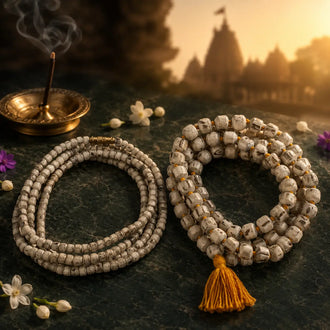
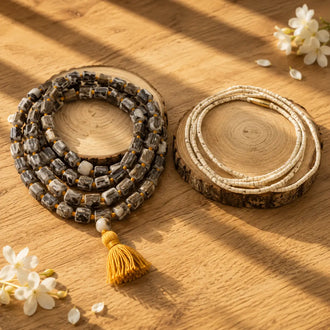
Deepen your meditation and chanting practices with an Original Tulsi Japa Mala 108+1 Beads, 10 mm, Deep Meditation, blessed and suitable for profound spiritual practice and concentration.
Spiritual Insight: Mantras are not just words but divine vibrations that awaken spiritual consciousness. Chanting connects us directly to the deity, purifying our inner being and aligning us with cosmic harmony.
Significance of Daan (Donations) on Tulsi Vivah: A Path to Merit and Compassion
Offering daan (charitable donations or gifts) on the auspicious occasion of Tulsi Vivah is considered an act of immense spiritual merit and a powerful gesture of gratitude, compassion, and selflessness. It symbolizes sharing one's blessings with society and inviting further divine grace.
- Food & Clothing Donations: Providing wholesome food to the needy, the poor, and the hungry is a highly meritorious act. Additionally, offering new clothes to Brahmins, spiritual practitioners, or less fortunate individuals on this day is believed to attract blessings of prosperity and comfort.
- Ghee & Grains (Annadaan): Gifting pure ghee, rice, wheat, or other essential grains to temples, ashrams, or charitable organizations is a traditional way to invoke blessings of sustenance, abundance, and nutritional well-being for oneself and others.
- Monetary Donations (Dakshina): Offering monetary donations (dakshina) to temples, priests who perform the puja, or to registered charitable organizations that support spiritual or humanitarian causes is believed to accumulate good karma and facilitate spiritual progress.
- Distributing Tulsi Plants: Actively distributing healthy Tulsi plants to others is a beautiful way to spread its sacredness, promote spiritual well-being, and encourage devotion among more people. This act multiplies the spiritual merit.
- Puja Samagri Donations: Donating essential puja items and samagri to those who wish to perform the Tulsi Vivah ceremony but may lack the resources is a compassionate act that enables others to participate in the sacred ritual, thereby earning collective blessings.
These acts of charity are not merely financial transactions but expressions of heartfelt devotion and a commitment to universal welfare.
Consider offering a Pure Silver Hanuman Coin as a form of auspicious daan or as a sacred gift, inviting blessings of strength, protection, and devotion.
Spiritual Insight: Daan on auspicious days purifies one's karma and cultivates compassion. It reinforces the principle of giving, recognizing that all our possessions are ultimately divine gifts to be shared for the welfare of all beings.
Benefits of Observing Tulsi Vivah: Blessings for Life and Beyond
Observing Tulsi Vivah is believed to bestow a multitude of spiritual, material, and emotional benefits upon devotees. This sacred ceremony, steeped in tradition and devotion, attracts divine grace in various aspects of life.
- Attainment of Punya (Merit): Performing Tulsi Vivah is considered equivalent to performing Kanyadaan (the giving away of a daughter in marriage), which is one of the highest meritorious acts in Hinduism, bringing immense spiritual merit to the devotee.
- Marital Harmony and Bliss: For married couples, observing Tulsi Vivah rituals is believed to strengthen their bond, foster understanding, and enhance love and harmony in their married life. It invokes blessings for a long and happy conjugal existence.
- Blessings for Unmarried Individuals: Unmarried girls who perform Tulsi Vivah with devotion are believed to be blessed with a virtuous, loving, and ideal life partner, leading to a prosperous and fulfilling married life.
- Prosperity and Wealth: As Tulsi is considered a form of Goddess Lakshmi, her marriage to Lord Vishnu brings forth blessings of wealth, abundance, and financial stability to the household. It removes financial obstacles and invites prosperity.
- Health and Well-being: The Tulsi plant itself is revered for its medicinal properties in Ayurveda. By worshipping Tulsi, devotees also implicitly benefit from her healing energies, promoting physical and mental well-being for the family.
- Spiritual Protection: The presence and worship of Tulsi in a home are believed to create a protective shield against negative energies, evil influences, and misfortunes, inviting divine protection from Lord Vishnu.
- Fulfillment of Desires: Devotees believe that sincere prayers and rituals performed during Tulsi Vivah can help in the fulfillment of righteous desires and aspirations, aligning one's will with divine providence.
- Purity and Purification: Observing Tulsi Vivah purifies the home environment and the minds of the devotees. It cleanses accumulated sins and negative karma, paving the way for spiritual growth and inner peace.
- End of Chaturmas Auspiciousness: Since Tulsi Vivah marks the end of Chaturmas, it signifies the resumption of all auspicious ceremonies, especially weddings, which are otherwise suspended during Lord Vishnu's celestial slumber.
The holistic benefits extend beyond personal gain, fostering a sense of community, devotion, and alignment with cosmic order.
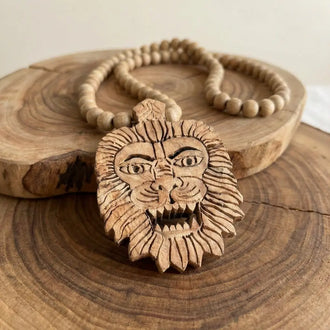
To further enhance protection and spiritual purity, consider a Original Narasimha Raksha Mala Double Round, 8 mm, Divine Protection, known for its powerful protective energies.
Spiritual Insight: The benefits of Tulsi Vivah stem from the profound spiritual connection forged between the devotee and the divine. It's a reminder that righteous actions and sincere devotion attract manifold blessings from the universe.
The Role of Tulsi in Daily Spiritual Life: Beyond the Vivah
While Tulsi Vivah is an annual grand celebration, the significance of the Tulsi plant extends far beyond this single event, deeply integrating into the daily spiritual practices and cultural fabric of Hindu households. Revered as "The Queen of Herbs," Tulsi is considered a living manifestation of divinity, a constant source of positive energy, and an indispensable element in Vaishnava traditions. Its presence in a home is believed to invite peace, prosperity, and protection throughout the year.
Daily Worship and Care:
Many devout Hindus perform daily puja to the Tulsi plant. This typically involves watering the plant, offering prayers, lighting a diya (lamp) with ghee, and circumambulating it (pradakshina). This daily ritual serves as a constant reminder of divine presence and fosters a disciplined spiritual routine. The aroma of Tulsi leaves is also considered purifying and spiritually uplifting.
Use in Puja and Offerings:
Tulsi leaves are an essential offering in almost all Vishnu-related pujas. Lord Vishnu is said to not accept any offering without Tulsi leaves, highlighting their supreme importance. These leaves are also used in various other rituals, yagnas, and ceremonies for their purifying and sanctifying properties.
Ayurvedic Significance:
Beyond its spiritual role, Tulsi is a cornerstone of Ayurvedic medicine. Known for its adaptogenic, anti-inflammatory, and antioxidant properties, it is widely used to promote overall health, boost immunity, reduce stress, and treat various ailments. This dual spiritual and medicinal significance makes Tulsi truly unique and revered.
Symbol of Purity and Devotion:
Tulsi embodies purity, devotion, and resilience. Its ability to thrive and flourish represents the steadfastness of faith. Wearing a Tulsi Mala is believed to purify the body and mind, aid in meditation, and connect the wearer to Lord Vishnu.
Connection to Vrindavan:
The very name "Vrindavan" means "forest of Vrinda," a testament to Tulsi's historical and spiritual connection to this sacred land. Every Tulsi plant is seen as an embodiment of Vrinda Devi, eternally serving Krishna in Vrindavan. This connection reinforces the plant's sanctity and draws devotees closer to the divine abode.
Deepen your daily connection to the divine by chanting with an Tulsi Japa Mala with 108 Original Big Beads for Meditation, crafted for daily spiritual practice.
Spiritual Insight: The daily reverence for Tulsi transcends seasonal festivals, offering a continuous conduit for divine blessings and a tangible representation of spiritual principles in everyday life.
Post-Puja Rituals and Traditions after Tulsi Vivah
The celebrations of Tulsi Vivah do not abruptly end with the completion of the main puja. A series of post-puja rituals and traditions are observed, extending the joyous and auspicious atmosphere, and solidifying the blessings received from the divine union. These traditions vary regionally but generally include sharing meals, seeking blessings, and continuing the festive spirit.
Feasting and Prasad Distribution:
After the puja, a grand feast is typically prepared, consisting of sattvic (pure and wholesome) vegetarian dishes. The consecrated food, known as maha-prasad, is first offered to the deities and then joyfully distributed and consumed by all family members, relatives, and guests. Sharing prasad is believed to distribute divine grace and strengthen communal bonds.
Seeking Blessings:
Elders of the family bless the younger members, and particularly newly married couples or those seeking a partner, with prosperity, harmony, and happiness. The divine couple, Tulsi and Shaligram, are also revered, and their blessings are sought for a peaceful and abundant life.
Continuing the Celebrations:
The festive atmosphere often continues with devotional singing (bhajans and kirtans), cultural programs, and storytelling sessions about Lord Vishnu's leelas (divine pastimes) and the glory of Tulsi Devi. This helps in maintaining the spiritual fervor and strengthens the community's collective devotion.
Symbolic Marital Union:
The Tulsi plant and the Shaligram or Vishnu idol, now formally united, are often kept together for some time, symbolizing their eternal bond. Devotees continue to offer daily prayers to them, nurturing the spiritual connection established during the Vivah.
Starting Auspicious Ventures:
With the end of Chaturmas and the auspiciousness brought by Tulsi Vivah, many families consider this period ideal to initiate new ventures, formalize engagements, or even plan human weddings. The cosmic energies are believed to be highly favorable.
Remembering the Katha:
The retelling of the Tulsi Vivah Katha (story) is a vital part of the post-puja traditions. It ensures that the younger generations understand the profound history, sacrifices, and divine mercy associated with the festival, perpetuating its spiritual legacy.
To continue the spirit of devotion and seek ongoing divine connection, consider embracing a Authentic Rudraksha Mala with Brass Damru & Trishul Pendant Blessed in Kashi in your daily spiritual journey, bringing blessings from Lord Shiva.
Spiritual Insight: Post-puja traditions are crucial for integrating the spiritual experience into daily life, reinforcing community bonds, and perpetuating the rich cultural and devotional heritage for future generations.
Choosing Your Sacred Tulsi Mala: A Dharmik Guide for Deeper Connection
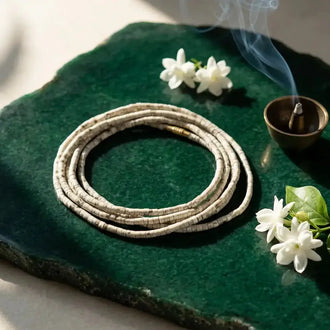
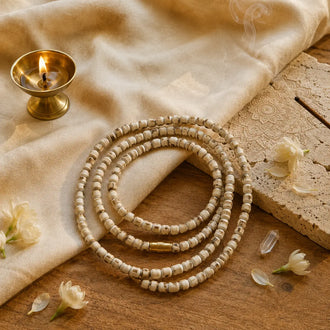
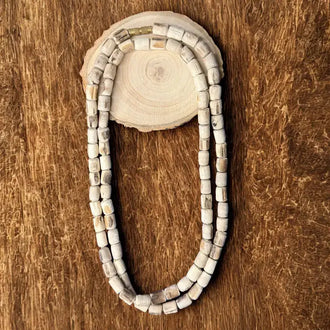
A Tulsi Mala is not merely an accessory; it is a powerful spiritual tool for meditation (Japa), a protective talisman, and a profound symbol of devotion to Lord Vishnu and his consorts. Choosing the right Tulsi Mala can significantly enhance your connection to the divine and deepen your spiritual practice. Dharmik offers a range of authentic Tulsi Malas, each with unique features catering to different spiritual needs.
| Mala Type | Key Features | Primary Benefits | Recommended For |
|---|---|---|---|
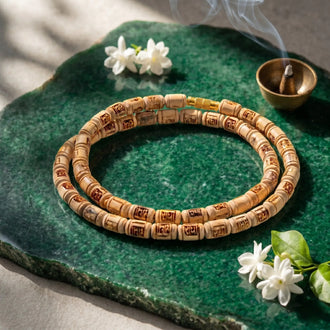
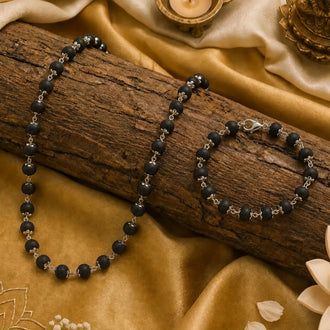
| Original Tulsi Kanthi Mala Triple Round, 6 mm, Daily Bhakti, Prayer | 6 mm beads, triple round, made from pure, natural Tulsi wood. | Consistent daily spiritual connection, enhanced mental peace, spiritual protection, and subtle energy purification. Ideal for wearing close to the body. | Devotees seeking continuous, subtle spiritual connection and daily protection, those engaged in continuous remembrance of the divine. |
| Original Prem Tulsi Mala Double Round, 10 mm, Divine Love and Harmony | 10 mm beads, double round, designed to radiate energies of divine love and emotional balance. | Cultivates profound divine love, promotes harmony in relationships, fosters emotional well-being, and attracts auspicious loving energies. | Individuals actively cultivating deeper love, compassion, and harmonious relationships, especially those devoted to Radha Krishna. |
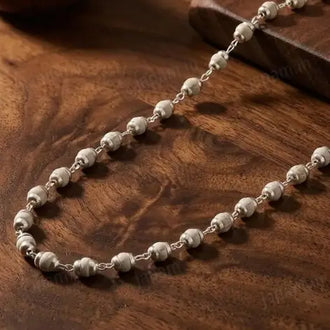
| Gold-Plated Tulsi Mala 60 Beads, 5-6 mm, Peace & Protection | 60 small beads, 5-6 mm, elegantly adorned with gold-plated accents for aesthetic appeal. | Combines the inherent spiritual benefits of Tulsi with an element of elegance and grace, offering both peace and protection while being visually appealing. | Those who desire a blend of spiritual devotion and aesthetic elegance, suitable for wearing as a subtle statement of faith in daily life. |
| Original Radha Madhav Tulsi Kanthi Mala Double Round, 10 mm, Love & Harmony | 10 mm beads, double round, specifically crafted to invoke the divine love of Radha and Madhav. | Deepens connection to the divine couple, enhances love and harmony in personal and spiritual life, fosters emotional balance. | Devotees of Radha and Krishna, couples seeking to enhance their relationship with divine blessings, and those seeking spiritual partnership. |
| Original Dhan Mala Double Round, 8 mm, Prosperity & Positivity | 8 mm beads, double round, specifically associated with attracting prosperity and positive energies. | Attracts financial prosperity, fosters positive thoughts, enhances overall abundance, and offers spiritual blessings for material well-being. | Individuals seeking spiritual aid in achieving prosperity, positivity, and abundance in all aspects of life. |
Each Tulsi Mala from Dharmik is sourced authentically and often abhimantrit (consecrated) in sacred dhammas like Vrindavan, ensuring its spiritual potency and purity. When choosing, consider your primary spiritual goal: is it daily protection, cultivating love, or attracting prosperity? Let your intuition guide you to the mala that resonates most deeply with your heart.
Spiritual Insight: A Tulsi Mala is a tangible connection to Vrinda Devi. Wearing it or chanting with it purifies the soul, protects the wearer, and constantly reminds them of Lord Vishnu's presence, turning every moment into a meditation.
Preparing Your Mandir for Tulsi Vivah: Essential Sadhana & Adornments
Preparing your home mandir (altar) for Tulsi Vivah is a deeply significant act of devotion, creating a truly sacred space for the divine marriage to unfold. This preparation encompasses both meticulous physical cleanliness and profound spiritual readiness, transforming your home into a miniature Vrindavan.
- Deep Cleaning and Purification: Begin by thoroughly cleaning and purifying your entire mandir area. This includes meticulously cleaning all idols, pictures, puja vessels, and any sacred items. Use a cloth dampened with sacred Ganga Jal (Ganga water) or pure, clean water for this purpose. Ensure every corner is spotless, symbolizing the purification of your inner self.
- Adorn with Freshness and Auspicious Colors: Adorn your beloved deities and the mandir itself with an abundance of fresh flowers, vibrant garlands, and new, auspicious clothes. For Tulsi Vivah, colors like yellow, red, orange, and gold are considered extremely auspicious, symbolizing joy, prosperity, and divine energy. Decorate with flower petals and festive streamers.
- Set Up the Tulsi Plant with Reverence: Ensure that your chosen Tulsi plant is healthy, lush, and vibrant, symbolizing Vrinda's eternal youth and devotion. Place it prominently within the mandir area, or in a beautifully decorated pot, ready to be moved into the specially prepared mandap for the wedding ceremony. Ensure its pot is also clean and decorated.
- Ambiance of Light and Fragrance: Use traditional earthen lamps (diyas) filled with pure ghee or oil, and high-quality incense sticks and dhoop to create a serene, luminous, and wonderfully fragrant atmosphere. The gentle flickering of diyas signifies the dispelling of ignorance and the welcoming of divine light, while incense purifies the air and uplifts the spirit.
- Organize Puja Samagri Systematically: Neatly organize all the required puja items (samagri) well in advance of the ceremony. Use separate trays or plates for each category of items to ensure nothing is forgotten or misplaced during the rituals, allowing for a smooth and uninterrupted flow of the puja.
- Spiritual Readiness (Sadhana): Beyond physical preparations, prepare yourself mentally and spiritually. This can involve observing a fast (if it is traditional for you), engaging in quiet meditation, chanting Vishnu mantras, or simply focusing your thoughts on the divine union of Tulsi and Vishnu. This inner preparation ensures your heart is receptive to divine grace.
- Invoking the Presence: Before the main ceremony, take a few moments to sit quietly in your mandir, visualizing Lord Vishnu and Tulsi Devi, and invoking their benevolent presence to bless your home and your efforts.
By carefully attending to these preparations, you transform your mandir into a sacred abode worthy of hosting the celestial wedding, inviting an abundance of peace, prosperity, and divine blessings into your home.
Adorn your Thakurji with a beautiful Silver Plated Bansuri for Thakurji, inviting His divine presence and melodious blessings into your perfectly prepared mandir.
Spiritual Insight: Preparing the mandir is an act of purification and invitation. It signifies creating a space, both externally and internally, where the divine can reside, aligning our environment with our spiritual aspirations.
Experiencing the Divine Love: The Emotional Essence of Tulsi Vivah
Beyond the meticulous rituals, the ancient mantras, and the strict preparations, Tulsi Vivah stands as a profound celebration of divine love and unwavering devotion that resonates deeply within the human heart. It offers a precious opportunity to connect with the pure, unconditional, and transcendent love symbolized by the eternal union of Tulsi Devi and Lord Vishnu. As devotees earnestly partake in the elaborate ceremony, they are not merely performing actions but are actively reminded of the profound, intrinsic relationship between the individual soul (Jivatma) and the Supreme Soul (Paramatma), thereby fostering an overwhelming sense of peace, harmony, and ultimate spiritual fulfillment. The vibrant atmosphere of a divine wedding, complete with joyous chants, the melodious ringing of bells, and heartfelt offerings, invokes a deep sense of bliss and spiritual awakening, transporting the devotee to a realm of pure devotion. This sacred festival powerfully encourages introspection on one's own devotion, loyalty, and unwavering commitment to righteous living (dharma), beautifully reflecting the steadfast purity and perseverance of Vrinda Devi. Do you feel the transformative power of this sacred union, stirring a sense of profound spiritual awakening and divine love in your own heart? This emotional engagement elevates Tulsi Vivah from a mere ritual to a heartfelt spiritual experience.
Bring the Blessings of Tulsi Vivah Home with Dharmik
Celebrate the incredibly auspicious occasion of Tulsi Vivah with authentic, pure, and genuinely abhimantrit puja products from Dharmik. We deeply understand and respect the sanctity and profound spiritual importance of this divine marriage, and thus, we offer a meticulously curated selection of items designed to elevate and enrich your spiritual experience. From exquisite Original Prem Tulsi Malas Double Round, 10 mm, Divine Love and Harmony, which are personally blessed and consecrated in the sacred land of Vrindavan, to comprehensive Monthly Vrindavan Puja Kits (for sincere Krishna devotees) - Restocking on 1st June, each and every item is sourced and prepared with the utmost devotion, care, and adherence to traditional practices. Our commitment to authenticity means many of our products are lab-certified, ensuring their purity and genuineness, and we proudly offer free shipping to ensure these precious blessings are brought directly and conveniently to your doorstep. Trust Dharmik to be your faithful companion, providing everything you need to perform your Tulsi Vivah rituals with the highest reverence, purity, and an abundance of divine grace.
Frequently Asked Questions About Tulsi Vivah
Why is Tulsi Vivah celebrated?
Tulsi Vivah is celebrated to commemorate the ceremonial marriage of the sacred Tulsi plant (a revered form of Goddess Lakshmi) with Lord Shaligram (an aniconic representation of Lord Vishnu). It marks the auspicious end of Chaturmas and brings blessings of prosperity and marital bliss to devotees.
What is the significance of marrying Tulsi with Vishnu?
The significance of marrying Tulsi with Vishnu is profound, symbolizing the union of devotion and divinity. It represents the fulfillment of Vrinda's unwavering devotion and Lord Vishnu's sacred vow, bringing good fortune, harmony, and spiritual purity to those who observe it faithfully.
Which day is Tulsi Vivah celebrated?
Tulsi Vivah is celebrated on the Dwadashi (12th day) or Trayodashi (13th day) of the Shukla Paksha (bright fortnight) of the Kartik month, typically falling in October or November each year, specifically November 11, 2026.
Can unmarried girls perform Tulsi Vivah?
Yes, unmarried girls can absolutely perform Tulsi Vivah with great devotion. It is widely believed that observing this sacred ceremony can bless unmarried girls with a virtuous, loving, and ideal husband, leading to a happy, prosperous, and fulfilling married life in the future.
What offerings are made during Tulsi Vivah puja?
During Tulsi Vivah puja, traditional offerings include sweets, seasonal fruits, coconut, betel leaves, sindoor, turmeric, new clothes for the deities, fragrant flower garlands, and various other puja samagri as per the detailed ritualistic requirements and regional customs.
Is fasting observed on Tulsi Vivah?
Yes, many devotees observe a fast on the day of Tulsi Vivah. This fast is typically broken after the evening puja and Aarti are completed, signifying a period of austerity and heightened spiritual focus for the divine wedding.
What is the best direction to place the Tulsi plant?
The best direction to place the Tulsi plant, especially for daily worship and Tulsi Vivah, is in the east or north-east direction of your home or courtyard. This placement is considered highly auspicious and conducive to receiving positive energies.
Tulsi Vivah is a deeply spiritual, culturally rich, and incredibly joyous occasion, offering a beautiful and profound reminder of divine love, unwavering devotion, and the eternal sanctity of marriage. By delving into the profound tulsi vivah katha, diligently following the precise tulsi puja vidhi, and engaging with the deep symbolic meaning of this sacred union, devotees can undoubtedly invite immense blessings, peace, and prosperity into their lives. The detailed Tulsi Vivah rituals are not merely acts of worship but represent a heartfelt, intimate connection to the cosmic dance of creation, preservation, and divine love. Embrace the spiritual essence of Tulsi Vivah in 2026 and enrich your home with an abundance of divine grace and auspiciousness. To perfectly observe this auspicious festival with purity and authenticity, explore Dharmik's extensive and authentic collection of abhimantrit puja samagri and genuine Tulsi Malas.Explore Our Tulsi Mala Collection Today!
By Dharmik