Tulsi Vivah 2026 Date Importance Rituals: Spiritual Guide

Tulsi Vivah 2026 Date and Rituals
On the evening of November 21, 2026, the courtyard of every devotee transforms into a small Vrindavan. We celebrate tulsi vivah to mark the awakening of Lord Vishnu from his four-month yogic sleep. This ritual represents the union between the sacred Tulsi plant and Shaligram, the stone form of Shri Krishna. After the silence of Chaturmas, this day reopens the season for Hindu weddings and auspicious ceremonies across India. By following the correct vidhi, we invite the grace of Lakshmi-Narayana into our homes. You will learn the exact timings and steps to perform this wedding correctly.
Quick Takeaways
- The ceremony takes place on Saturday, November 21, 2026, during the Dwadashi Tithi.
- Dwadashi Tithi ends at 04:56 AM on November 22, 2026 after which the wedding window closes.
- Devotees must use a Shaligram shila or an image of Krishna for the marriage.
- The ritual officially ends the four-month Chaturmas period for all practising Vaishnavas.
| Event Name | Date in 2026 | Muhurat Timing |
|---|---|---|
| Devutthana Ekadashi | Friday, November 20 | Tithi begins 07:15 AM (Nov 20) |
| Tulsi Vivah Date | Saturday, November 21 | Dwadashi ends 04:56 AM |
| Pradosh Kaal Muhurat | Saturday, November 21 | 05:25 PM to 07:49 PM |
| Ekadashi Parana | Saturday, November 21 | 01:11 PM to 03:18 PM |

Why This Matters
The significance of this union finds its roots in the story of Vrinda and Demon Jalandhar. According to the Padma Purana, Uttara Khanda, Lord Vishnu took the form of Jalandhar to break Vrinda's vow of chastity, which was protecting the demon. When Vrinda discovered the deception, she cursed Vishnu to become a stone, resulting in the Shaligram form. In return, the Lord blessed her to manifest as the Tulsi plant, declaring that he would never accept any food offering without her leaves. This spiritual wedding restores the cosmic balance and marks the triumph of devotion over ego. In Vrindavan, the temples of Radharaman and Banke Bihari observe special decorations to celebrate this divine marriage. Performing this ritual is said to bring the same merit as conducting a Kanyadaan for one's own daughter. It is a moment where the plant kingdom and the divine realm merge through a simple household ceremony. Following the Tulsi Vivah traditions helps maintain the spiritual purity of the household for the coming year.
What You'll Need
Preparing the samagri beforehand ensures the ritual proceeds without any interruptions during the shubh muhurat.
The essentials
- Tulsi Plant: the bride, placed in a clean decorative pot.
- Shaligram Shila: the groom, representing Lord Vishnu in stone form.
- Red Chunari: a 1.25-meter cloth to drape over the Tulsi plant.
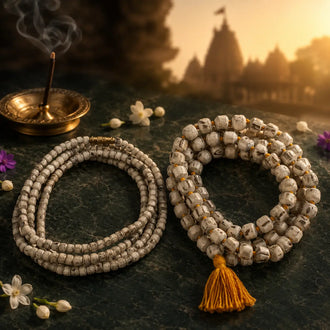
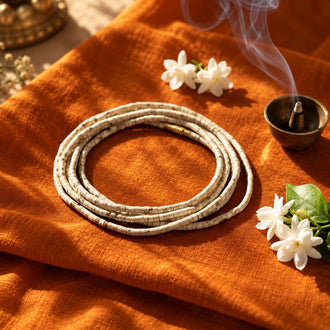
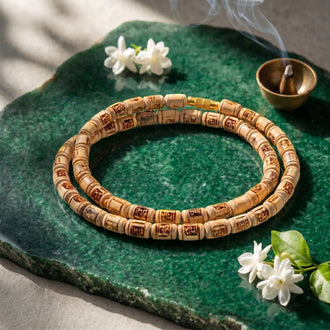
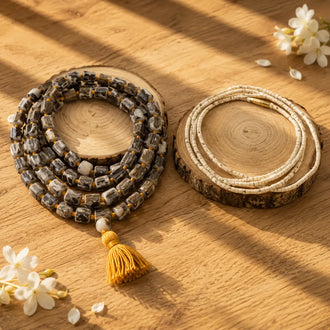
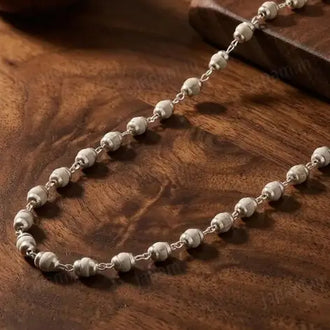
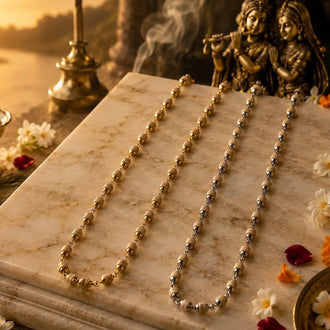
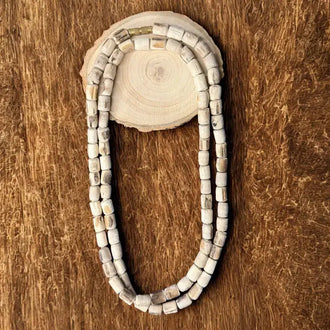
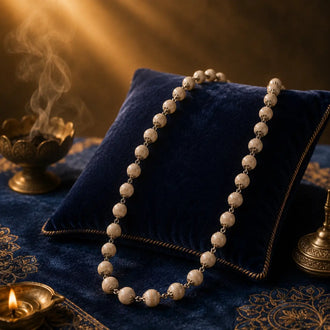
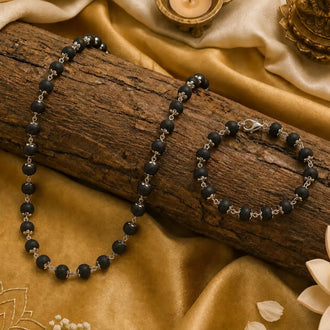
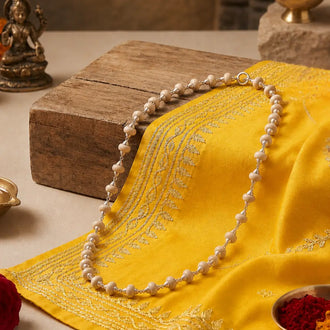
- Tulsi Mala: for chanting the Vishnu Sahasranama during the wedding. original Tulsi kanthi mala
- Moli Thread: to tie the symbolic bond between the pot and the Shaligram.
If you are doing the full vidhi
- Sugarcane Stalks: 4 stalks to create a mandap around the plant.
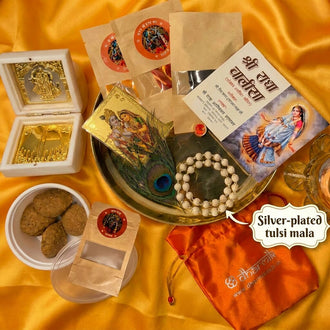
- Silver Necklace: offered to the plant as a wedding ornament. silver plated Tulsi necklace
- Sandalwood Paste: for the tilak of Lord Shaligram.
- Seasonal Fruits: specifically Ber, Aonla, and sweet potatoes for the bhog.
- Incense and Ghee Lamp: for the final aarti of the couple.
Explore our complete Tulsi collection for your daily bhakti needs.

The Main Guide: Tulsi Vivah 2026 Vidhi
Performing the ceremony requires a clean space, preferably in an open courtyard or near a window where the moon is visible. Follow these sequential steps for a complete household wedding.
1. Preparing the Wedding Mandap
Clean the area around the Tulsi pot and apply a fresh coat of geru or turmeric. Place four sugarcane stalks around the pot and tie them at the top with a moli thread to form a traditional canopy. Decorate the pot with vermillion, turmeric, and sandalwood paste. Drape a red or yellow chunari over the plant, treating her as a bride ready for her ceremony.
2. Invoking Lord Shaligram
Place a small pedestal or chowki next to the Tulsi pot. Cover it with a yellow cloth and place the Shaligram shila or an idol of Krishna on it. Bathe the Lord with Pancha-amrit, a mixture of milk, curd, honey, sugar, and ghee. Apply a sandalwood tilak to the stone and offer a yellow dhoti or cloth. If you do not have a Shaligram, a photo of Lord Vishnu is a valid substitute.
3. The Marriage Ceremony
Tie one end of the moli thread to the Tulsi plant and the other to the Shaligram shila. This represents the Gathbandhan or the sacred knot. Chant the Mangal Ashtaka or wedding mantras while showering the couple with Akshat, which are unbroken rice grains mixed with turmeric. Offer a garland made of fresh marigolds to both the plant and the deity.
4. The Kanyadaan and Offerings
The head of the family performs the Kanyadaan by pouring water over the Shaligram while holding Tulsi leaves. Offer 16 items of Shringar, including bangles, bindi, and sindoor, to the Tulsi plant. Present the bhog consisting of Ber, Aonla, and singhara. These seasonal offerings are specific to the Kartik month and signify the end of the monsoon harvest.
5. Parikrama and Aarti
Lift the Shaligram and perform four circles around the Tulsi plant. If the shila is too heavy, the devotee can revolve around the pot four times. Conclude the ceremony by performing a ghee lamp aarti. Distribute the bhog as prasad to family members and neighbors to complete the tulsi vivah vidhi successfully.
Daan and Benefits
- Donate 1.25 kilograms of rice and yellow lentils to a local priest after the ceremony.
- Offer new clothes and a pair of footwear to an elderly person in the family.
- Distribute 11 or 21 Tulsi saplings to devotees to encourage household worship.
- Feeding a cow with green fodder and jaggery on this day removes planetary doshas.
- Donate seasonal woollens or blankets at a temple to earn the merit of Kartik Maas.
Can we perform Tulsi Vivah if we are in a period of mourning?
The question of performing rituals during Sutak or Patak often causes confusion among families. If a birth or death has occurred in the family within the last 10 to 13 days, you should not touch the Tulsi plant or the Shaligram shila. Purity is a requirement for all Vedic ceremonies. In such cases, you may request a neighbour or a family priest to perform the basic wedding rituals on your behalf. You can observe the ceremony from a distance without participating in the offerings. If no one else can perform it, it is better to wait until the next shubh tithi or perform a simple mental prayer. Consult a qualified priest if the mourning period ends exactly on the day of the festival to determine the purification steps needed before the puja.
Common Mistakes
- Using broken or dried Tulsi leaves for the puja, which is considered inauspicious.
- Performing the marriage during the Rahu Kaal window instead of the Pradosh Kaal.
- Placing the Shaligram directly on the ground without a pedestal or a cloth.
- Forgetting to offer the Kanyadaan water, which is the core of the wedding ritual.
- Using a steel lamp instead of clay or brass for the main wedding aarti.
FAQ
What is the Tulsi Vivah 2026 date and time?
The Tulsi Vivah date is Saturday, November 21, 2026. The ceremony should ideally be performed during the Pradosh Kaal which starts at 05:25 PM and ends at 07:58 PM on that evening.
Can I do Tulsi Vivah on Ekadashi?
Devotees can perform Tulsi Vivah on Ekadashi, but tradition usually places it on Dwadashi. In 2026, the Ekadashi ends late on Friday night, so the wedding rituals are most auspicious on Saturday evening.
What should I do if my Tulsi plant dies before Vivah?
If your Tulsi plant dies before the ceremony, you must bring a fresh, healthy plant from a nursery. Perform a small purification ritual with Ganga water before using the new plant for the wedding ceremony.
What is the Tulsi Vivah 2026 significance for unmarried people?
The Tulsi Vivah significance for unmarried people lies in removing obstacles to marriage. It is believed that performing this ritual with devotion helps in finding a compatible life partner and brings domestic harmony.
Is it mandatory to use a Shaligram for the puja?
Using a Shaligram is the traditional way to represent Lord Vishnu. If one is not available, you can use a small idol of Lord Krishna or a gold coin with Vishnu's image to complete the wedding.
Conclusion
The celebration of Tulsi Vivah marks the transition from the introspective months of Chaturmas to the active festive season. By performing the wedding on November 21, we invite the protective energy of Shri Hari into our homes. Remember to use fresh seasonal fruits and a clean red chunari for the plant. Following the correct Tulsi Vivah steps brings peace and prosperity to the entire family. May the union of Tulsi and Shaligram bless your household during this tulsi vivah celebration.