Why Natural and Non Alcoholic Perfumes Are Eco-Friendly

Why Natural and Non Alcoholic Perfumes Are Eco-Friendly
Traditional perfume production consumes 3,000 gallons of water to produce just one liter of essential oil through high-heat industrial methods. Adopting a natural non alcoholic perfume eco friendly lifestyle reduces the chemical runoff that currently chokes freshwater ecosystems across India. This shift focuses on plant-based resins and steam-distilled flowers rather than petroleum-derived fixatives. You will learn how these pure scents protect biodiversity while keeping your skin safe from harsh synthetic irritants. By understanding the lifecycle of a fragrance, you can align your daily routine with the values of conservation and spiritual purity.
Quick Takeaways
- Traditional alcohol based scents use petroleum derivatives that harm local water tables.
- Pure attars rely on steam distillation which preserves the soil health of flower farms.
- Non alcoholic bases prevent the evaporation of volatile organic compounds into the atmosphere.
- Natural ingredients ensure that every drop is biodegradable and safe for the earth.
| Feature | Synthetic Fragrance | Natural Non-Alcoholic Perfume |
|---|---|---|
| Solvent Base | Denatured Ethanol (Petroleum) | Sandalwood Oil or Vegetable Base |
| Environmental Impact | High Carbon Footprint | Low Carbon Footprint |
| Biodegradability | Low (Contains Phthalates) | 100% Biodegradable |
| Packaging | Mass-Produced Plastic/Glass | Recyclable Traditional Glass Vials |
| Source | Chemical Labs | Flowers, Herbs, and Resins |
Why This Matters
The purity of scent is a core tenet of Vedic living. In the Skanda Purana 2.4.18, the offering of Gandha or fragrance is described as a means to cleanse the senses and the surrounding space. When we use synthetic chemicals, we offer the Earth pollutants instead of praise. Most commercial perfumes contain phthalates and synthetic musks that do not break down in the environment. These substances accumulate in the fatty tissues of aquatic life in rivers like the Yamuna. By choosing a sustainable fragrance, you ensure that your personal aroma does not come at the cost of nature. In the sacred groves of Vrindavan, the use of natural flowers for scent has remained unchanged for centuries. This practice supports local farmers who grow jasmine and rose without heavy pesticides. Authentic perfumes represent a cycle of life where the flower returns to the soil without leaving a toxic trace. This connection to the land is vital for anyone seeking a truly conscious and spiritual existence.

The Sustainability of Traditional Extraction
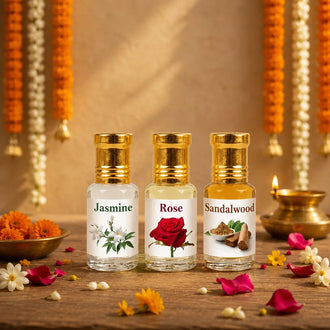
The Deg and Bhapka method is a 400-year-old distillation process used in Kannauj. This technique uses copper stills and clay ovens to extract oil from flowers like Damask Rose. Unlike modern factories, this method does not require electricity or massive amounts of fossil fuels. The water used in the cooling tanks is often recycled within the facility to minimize waste. This ancient approach ensures that the natural ingredients maintain their molecular integrity without chemical interference. When you use Vrindavan Pushp Attar (3 Fragrance), you support a system that values slow production over mass-market speed. This method preserves the eco perfume tradition while providing a livelihood for thousands of rural artisans. Each bottle represents a commitment to the earth and the preservation of heritage techniques.

The Main Guide: Reducing Environmental Impact Through Scent
1. Eliminating Petroleum Derivatives
Most modern perfumes use ethanol derived from petroleum as a carrier. This process contributes to oil drilling and high carbon emissions. Natural perfumes use oil bases like Jojoba or Sandalwood which are carbon-sequestering plants. Switching to an oil-based scent reduces the demand for chemical solvents. You can apply Amrit Jal Perfume directly to pulse points to ensure the scent lasts longer without the need for constant reapplication.
2. Protecting Aquatic Ecosystems
Synthetic musks found in alcoholic sprays are notorious for being non-biodegradable. When these chemicals are washed off the skin, they enter the sewage system and eventually the oceans. Natural oils break down within days when exposed to bacteria and sunlight. This protects the fish and plants in our water bodies from hormonal disruptions caused by chemical fragrances. A sustainable fragrance choice is an active step in water conservation.
3. Supporting Ethical Sourcing
Eco-friendly perfumes focus on ingredients that are harvested sustainably. For example, ethical sandalwood sourcing requires new saplings to be planted for every tree harvested. This ensures the environmental impact remains positive. Traditional scents often use fallen wood or sustainably pruned herbs. This prevents the deforestation often associated with unregulated agricultural expansion for cosmetic ingredients. You can also use Chandan - Blessed from Vrindavan as a natural base for your personal scent rituals.
4. Zero Waste Packaging
Many natural perfume makers focus on small-batch production using glass and cork rather than plastic spray pumps. Plastic pumps are rarely recyclable due to the metal spring inside. Traditional glass bottles with glass applicators are 100% recyclable and often reused by devotees for years. This reduces the amount of landfill waste generated by the beauty industry. Using an eco perfume means considering the bottle just as much as the liquid inside.
Benefits of Plant Based Fragrances
- Natural ingredients do not cause the respiratory distress often triggered by synthetic aerosols.
- Sustainable fragrance oils react with your unique skin chemistry to create a personalized scent.
- Non-alcoholic formulas do not dry out the skin or cause premature aging of the neck area.
- Each purchase supports traditional Indian farming communities and ancient distillation arts.
- The absence of fixatives means you are not inhaling microplastics throughout the day.
- Using a Vrindavan Pushp Attar (3 Fragrance) connects you to the seasonal rhythms of blooming flowers.
- Natural oils carry the therapeutic properties of the plants from which they were extracted.
How are natural non-alcoholic perfumes better for the environment?
Natural non-alcoholic perfumes are better for the environment because they eliminate the use of volatile organic compounds that contribute to smog and air pollution. Unlike mass produced sprays that release fine chemical mists into the air, oil based perfumes stay on the skin. This prevents the inhalation of toxic particles by both the user and those nearby. Furthermore, the sourcing of natural resins and oils encourages the growth of biodiverse forests rather than monoculture chemical plants. Many traditional perfume makers in India use rainwater harvesting and solar drying for their ingredients, which drastically lowers the energy footprint of each bottle. By removing the alcohol, the need for intensive industrial processing is also removed, leading to a cleaner production cycle. It is recommended to consult a priest if you are unsure about the specific ingredients required for certain temple rituals. Choosing these products ensures that the air and water remain as pure as the intentions behind your prayers. This creates a sustainable cycle where beauty does not require destruction. You can read more about ideal perfume choices for specific needs in our other guides.
Common Mistakes to Avoid
- Storing natural oils in direct sunlight which causes the organic molecules to break down quickly.
- Using a synthetic spray and a natural oil at the same time, which can cause skin irritation.
- Buying perfumes that claim to be natural but still list "alcohol denat" as the first ingredient.
- Rubbing your wrists together after application which bruises the delicate natural scent notes.
- Assuming all natural perfumes are vegan, as some traditional scents may use ethically sourced honey or milk.
What makes a perfume qualify as a sustainable fragrance?
A sustainable fragrance qualifies by using ethically sourced raw materials and biodegradable packaging throughout its entire lifecycle. This includes ensuring that the farmers receive fair wages and that the extraction process does not deplete local water resources or soil nutrients.
Why is environmental impact lower for non-alcoholic scents?
Environmental impact is lower for non-alcoholic scents because they avoid the energy intensive distillation of ethanol and the release of harmful vapors. By using oil bases, these perfumes remain stable and do not require chemical preservatives that harm nature.
Are natural ingredients always safer for sensitive skin?
Natural ingredients are generally safer for sensitive skin because they lack the harsh chemical detergents and alcohols that strip moisture. However, it is always wise to perform a patch test as some concentrated plant oils can be very strong.
How does an eco perfume help in reducing plastic waste?
An eco perfume helps in reducing plastic waste by utilizing glass containers and avoiding the complex plastic spray mechanisms that are hard to recycle. Many brands also offer refillable options that keep thousands of bottles out of the landfills.
Can natural non alcoholic perfume eco friendly choices last all day?
Natural non alcoholic perfume eco friendly choices can last all day because oils evaporate much slower than alcohol based sprays. The scent binds to your skin and releases slowly over several hours, providing a consistent and gentle aroma.
Conclusion
Switching to a sustainable fragrance is a practical way to honor the earth while maintaining personal grooming standards. By focusing on natural ingredients, you reduce the chemical load on our rivers and air. These perfumes provide a deeper connection to the botanical world and support the artisans of Kannauj and Vrindavan. Choosing a natural non alcoholic perfume eco friendly option ensures your lifestyle remains consistent with your spiritual values of non-violence and purity. Experience the difference by trying an Amrit Jal Perfume today. You can learn more about the purity of offerings in our guide to perfumes for devotion.
By Aarav Sharma