Chaitra Navratri 2026: Date, Ghatasthapana Muhurat & Significance
Chaitra Navratri 2026 is one of the most revered Hindu festivals, celebrated in devotion to Goddess Durga and her nine divine forms (Navadurga). Observed across India and Hindu communities worldwide, this nine-day festival symbolizes the triumph of good over evil, spiritual renewal, and devotion to the divine feminine energy.
The term Navratri literally means “nine nights,” and each day is devoted to worshipping a specific form of Goddess Durga. During this period, millions of devotees fast, perform daily prayers, chant sacred mantras, and participate in rituals to receive blessings for prosperity, health, and spiritual growth.
The festival begins with Ghatasthapana, a sacred ritual marking the start of Navratri. This ritual signifies the invocation of Goddess Durga into the home and symbolizes purity, prosperity, and divine blessings.
According to the Hindu lunar calendar, Chaitra Navratri begins on the first day of the Chaitra month during the Shukla Paksha (waxing phase of the moon). In many regions, this festival also marks the Hindu New Year, making it an auspicious period for fresh beginnings, personal growth, and spiritual reflection.

Chaitra Navratri Date 2026
In 2026, Chaitra Navratri begins on 19 March and continues for nine days, concluding on 27 March 2026 with Ram Navami, celebrating Lord Rama’s birth anniversary.
During these nine days, devotees worship the Navadurga, the nine forms of Goddess Durga:
- Goddess Shailputri – Embodiment of strength and purity
- Goddess Brahmacharini – Symbol of devotion and austerity
- Goddess Chandraghanta – Represents courage and bravery
- Goddess Kushmanda – Creator of the universe’s energy
- Goddess Skandamata – Motherly energy and protection
- Goddess Katyayani – Represents power and valor
- Goddess Kalaratri – Removes darkness and ignorance
- Goddess Mahagauri – Purity, serenity, and peace
- Goddess Siddhidatri – Grants spiritual enlightenment
Families decorate homes, visit temples, and perform rituals honoring the divine feminine energy. These practices help devotees strengthen faith, cultivate inner peace, and celebrate cultural traditions.
Ghatasthapana Muhurat for Chaitra Navratri 2026
Ghatasthapana (Kalash Sthapana) marks the official start of Navratri. A Kalash (sacred pot) is placed in the home temple, filled with water, decorated with mango leaves, and topped with a coconut. Barley seeds are sown to sprout during the nine days, symbolizing growth, abundance, and blessings.
Performing this ritual during the correct Ghatasthapana Muhurat invites positivity and prosperity into the home.
Chaitra Navratri 2026 Muhurat Timing
| Event | Date | Timing |
|---|---|---|
| Chaitra Navratri Begins | 19 March 2026 | Morning |
| Ghatasthapana Muhurat | 19 March 2026 | 6:10 AM – 8:35 AM |
| Ram Navami | 27 March 2026 | Morning |
Performing Ghatasthapana during the correct Muhurat ensures divine blessings, peace, and spiritual growth.
Ghatasthapana Puja Vidhi (Step-by-Step Guide)
Performing Ghatasthapana marks the beginning of Chaitra Navratri.
- Clean your home and puja area – Ensure the space is neat and sacred.
- Place a Kalash (sacred pot) – Fill it with clean water. Add mango leaves on top and place a coconut on it.
- Sow barley seeds around the Kalash – This symbolizes growth and prosperity.
- Light diyas and incense sticks – Create a positive, divine atmosphere.
- Chant Durga mantras – Offer prayers to Goddess Durga for blessings, protection, and prosperity.
- Decorate the area with flowers and rangoli – Enhances the festive mood.
- Perform Aarti daily – During all nine days of Navratri, continue the rituals and offer Bhog (food offerings) to the goddess.

Preparing for Navratri Celebrations
Preparation involves cleaning homes, decorating temples, and arranging puja items:
- Kalash and coconut
- Mango leaves
- Flowers and incense sticks
- Diyas and lamps
- Barley seeds for sprouting
Significance of Chaitra Navratri
The festival represents the victory of righteousness over evil. According to Hindu mythology, the demon Mahishasura created chaos in the universe. To restore balance, the gods’ energies manifested as Goddess Durga, who fought Mahishasura for nine days and nights. Her victory symbolizes good triumphing over evil and the power of divine energy to overcome negativity.
Chaitra Navratri is a time for spiritual reflection, self-discipline, and devotion. Observing fasts, performing daily rituals, and chanting mantras during Navratri promotes mental clarity, focus, and inner peace.
In many regions, this festival also marks the Hindu New Year, making it a time for new ventures and positive life changes.
How Devotees Celebrate Chaitra Navratri
Common practices:
- Observing Navratri fasting (vrat)
- Performing daily Durga Puja
- Visiting temples dedicated to Goddess Durga
- Chanting Durga mantras and reading Durga Saptashati
- Performing Kanya Pujan on the eighth or ninth day
Families also prepare special Bhog like fruits, sweets, and fasting-friendly dishes.
Navratri Fasting Traditions
Devotees abstain from grains, onion, garlic, and non-vegetarian food. They consume fruits, milk, nuts, and dishes made with buckwheat flour, water chestnut flour, and potatoes.
Fasting purifies the body, strengthens discipline, and increases spiritual focus.
Recitation of Sacred Texts During Chaitra Navratri
During Chaitra Navratri, devotees enhance their spiritual practice by reciting sacred texts dedicated to Goddess Durga. The most commonly recited scriptures include:
- Durga Saptashati (Devi Mahatmya) – A collection of 700 verses describing the victories of Goddess Durga over demons.
- Chandi Path – Prayers and hymns invoking strength, courage, and protection.
- Durga Mantras – Short chants that purify the mind and attract positivity.
Devotees often read these texts at home or in temples, especially during mornings and evenings.

Kanya Pujan During Chaitra Navratri
Kanya Pujan, also called Kanjak Puja, is a special ritual performed on the eighth (Ashtami) or ninth (Navami) day.
- Symbol of Divine Feminine Energy
- Promotes respect and humility
- Brings blessings and prosperity
- Strengthens spiritual connection
How Kanya Pujan is Performed
- Invite young girls to the home temple
- Wash their feet
- Offer gifts and flowers
- Serve Bhog
- Chant mantras and aarti
- Pray for blessings
Ram Navami Celebration at the End of Chaitra Navratri
The ninth day is celebrated as Ram Navami, marking the birth of Lord Rama.
Devotees:
- Perform puja and aarti
- Recite Ramayana
- Offer Bhog
- Participate in processions

Navratri Wishes and Messages
Devotees exchange greetings to spread joy and devotion. Sending Happy Chaitra Navratri wishes, quotes, and messages is common on social media and WhatsApp.
Hindu Lunar Calendar for Chaitra Navratri
The festival follows the lunar calendar:
- Shukla Paksha – Growth and positivity
- Krishna Paksha – Reflection and completion
FAQs – Chaitra Navratri 2026
Q1: What is the date of Chaitra Navratri 2026?
Begins on 19 March 2026 and ends on 27 March 2026.
Q2: What is Ghatasthapana Muhurat?
6:10 AM – 8:35 AM on 19 March 2026.
Q3: How do devotees celebrate?
Through puja, fasting, temple visits, chanting, and Kanya Pujan.

Conclusion
Chaitra Navratri 2026 celebrates devotion, discipline, and divine feminine energy. From the sacred Ghatasthapana Muhurat to daily rituals, fasting, and prayers, the festival promotes spiritual growth, family bonding, and cultural tradition.
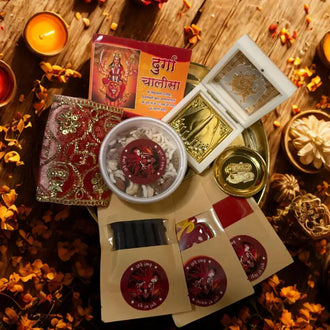
Devotees prepare puja essentials and festive items available at Dharmik. By participating in these traditions, they invite blessings of prosperity, happiness, and spiritual growth, embracing the timeless message of good triumphing over evil.
Written by: Arushi Singh