Durga Saptashati Path Vidhi: How to Read at Home in 2026

How to Perform the Durga Saptashati Path at Home During Navratri
Devotees often ask how to manage the 700 verses of the Devi Mahatmya without making errors. The durga saptashati path is a discipline that requires more than just reading Sanskrit lines from a book. You are invoking the energy of Mahakali, Mahalakshmi, and Mahasaraswati within your own home during the nine nights of Navratri. This guide explains the sequence of the 13 chapters and the essential preparatory prayers needed for a complete ritual. You will be able to perform this sacred recitation with confidence and devotion after following these steps.
Quick Takeaways
- Perform the path during the Shardiya Navratri window from 11 October to 19 October 2026.
- Complete the three preliminary prayers of Kavach, Argala, and Keelak before starting the main chapters.
- Use a clean woollen asana and face the East or North direction for maximum spiritual benefit.
- Recite the Kshama Prarthana at the end to seek forgiveness for any pronunciation mistakes made.
| Step Number | Action to Perform |
|---|---|
| 1 | Perform Achaman and Deepa Pujan to purify the environment. |
| 2 | Take a formal Sankalp stating your name, gotra, and specific purpose. |
| 3 | Recite the Devi Kavach, Argala Stotram, and Keelak Stotram in order. |
| 4 | Chant the Navarna Mantra (Aim Hreem Kleem) 108 times using a mala. |
| 5 | Read the 13 chapters divided into the three main Charitras. |
| 6 | Conclude with the Devi Suktam, Pradhanik Rahasya, and Kshama Prarthana. |

Why the Durga Saptashati Path is Central to Devi Upasaka
This sacred text originates from the Markandeya Purana and contains exactly 700 shlokas durga that describe the victory of the Goddess over various demonic forces. It is not just a story of battles but a map of the human consciousness overcoming ego and ignorance. The text is divided into three sections: the Prathama, Madhyama, and Uttama Charitras. Each section targets a different aspect of the material and spiritual world. According to the Devi Mahatmya / Durga Saptashati (Markandeya Purana), the mere hearing or reading of these verses during the Ashwina Shukla Pratipada tithi brings the grace of Maa Durga. The vibration of the 700 shlokas durga acts as a protective shield for the household. In Vrindavan, many devotees perform this path near the Yamuna banks to align with the energy of the Katyayani Devi temple. The saptashati path vidhi ensures that the practitioner moves from the darkness of Tamas to the light of Sattva. You can find more about the different forms of the Mother in our guide on Nav Durga nine forms. Understanding the symbolic meaning of Mahishasura or Shumbha-Nishumbha helps you connect deeper with the internal struggle these verses aim to resolve.
The Main Guide to Reading Saptashati at Home
Preparatory Acts and the Anga Path
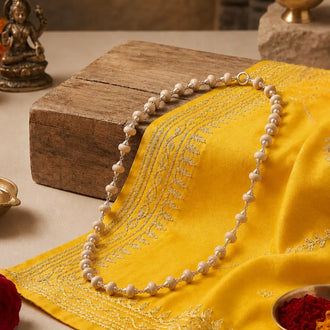
Before you open the book, ensure you have had a bath and are wearing clean clothes. Place the Durga Saptashati on a wooden stand (vyaspeeth) covered with a red silk cloth. Light a ghee lamp that should remain lit throughout the duration of your reading. The chandi path rules state that you must never hold the book in your hands while reading. Always keep it on the stand. Start with the Devi Kavach, which protects every limb of the body. Follow this with the Argala Stotram to request beauty, victory, and fame. Finish the Anga Path with the Keelak Stotram to awaken the hidden power of the mantras. If you are using a 5 mukhi original rudraksha mala for the Navarna mantra, ensure it has been cleansed with Ganga water first. The 108 repetitions of the mantra "Aim Hreem Kleem Chamundayai Vichche" create a bridge between the preparatory prayers and the main text.
Navigating the Thirteen Chapters
The saptashati path vidhi divides the 13 chapters into three segments. The first chapter focuses on Mahakali and the destruction of Madhu-Kaitabha. Chapters two, three, and four form the middle section where Mahalakshmi defeats the buffalo-demon Mahishasura. The final section, from chapters five to thirteen, describes Mahasaraswati ending the reign of Shumbha and Nishumbha. You may choose to read the entire book in one sitting, which takes about three hours. If time is limited, follow the traditional seven-day schedule known as the Saptaha Path. On the first day, read the first chapter. On the second day, read the next two. This continues until you finish the 13th chapter on the seventh day. Always maintain a steady pace. Do not rush the pronunciation of the Sanskrit syllables. If you find the Sanskrit difficult, durga saptashati kaise padhe becomes a question of finding a book with clear transliteration. Reading the meaning alongside the verses can deepen your emotional connection to the Mother.
Concluding the Ritual Correctly
After finishing the thirteenth chapter, do not close the book immediately. You must read the Devi Suktam, which is a hymn from the Rig Veda praising the universal feminine energy. Following this, read the three Rahasyas: Pradhanik, Vaikritik, and Murti Rahasya. These sections explain the forms and secrets of the Goddess that were not revealed in the main chapters. Finally, recite the Aparadha Kshapana Stotram or the Kshama Prarthana. This is a humble request to Maa Durga to overlook any mistakes in your ritual or speech. Performing the Navratri aarti durga mantras after the path adds a devotional completion to the mental rigor of the recitation. Offer some fruit or sweets as bhog and distribute it to your family members. Place the book back in its silk cover with reverence until the next day of Navratri.

Benefits of Chandi Path According to Tradition
The benefits of this practice are described within the Phalastuti chapter of the text itself. Devotees believe that regular recitation helps in overcoming obstacles and providing mental peace during turbulent times.
- Protection from Negative Energy: The Devi Kavach acts as a spiritual armour for the devotee and their home.
- Removal of Poverty: The Madhyama Charitra is specifically associated with the grace of Mahalakshmi for prosperity.
- Clarity of Mind: Reciting the 700 shlokas durga helps in reducing the influence of the six internal enemies like anger and greed.
- Success in Legal Matters: Traditional practitioners often suggest the Argala Stotram for those seeking justice or victory in worldly disputes.
- Fulfillment of Desires: The Sankalp taken at the start helps focus the mind on achieving specific spiritual or material goals.
While many seek material gains, the highest benefit is the development of Bhakti or pure devotion. Using an original premium big beads tulsi japa mala can help keep your focus during the closing prayers and stotrams. We recommend visiting our original rudraksha collection to find beads that resonate with your specific sadhana requirements.
Can Durga Saptashati be read at home without a priest?
Yes, you can certainly perform the durga saptashati at home without a priest, provided you follow the basic rules of purity and procedure. Many devotees feel that Sanskrit is too complex for them, but sincere effort is more important than perfect phonetics in a personal puja. You should use a book that includes the "Siddha Kunjika Stotram" if you are unable to perform the full elaborate Anga Path. However, if you are performing the path for a specific "Tantrik" or "Kamya" purpose (a ritual for a specific result), it is better to consult a qualified priest. For a general "Nitya" or daily Navratri path, your own devotion is sufficient. Ensure you do not leave the book half-read; if you start a chapter, finish it before getting up. If you have any health conditions that prevent you from sitting on the floor for long durations, you may sit on a chair while keeping the book on a high table. Always consult a doctor if you find long fasting or sitting periods physically taxing.
Common Mistakes Devotees Make
- Changing the Sequence: Skipping the Kavach, Argala, or Keelak before the main chapters reduces the effectiveness of the path.
- Touching the Floor: Allowing the holy book to touch the ground is considered disrespectful in the saptashati path vidhi.
- Losing Focus: Talking to others or checking a phone during the recitation breaks the flow of the energy being built.
- Incorrect Tithi: Starting the path on the wrong day or after the Muhurat has passed for Ghatasthapana on 11 October 2026.
- Skipping Kshama Prarthana: Forgetting to ask for forgiveness at the end reflects an egoistic approach rather than a devotee's humility.
FAQ
How can I learn durga saptashati kaise padhe if I do not know Sanskrit?
Durga saptashati kaise padhe is a common concern for beginners, but you can use books with Hindi or English transliteration. Listen to authentic recordings by learned priests while following the text in your book to master the rhythm and pronunciation.
What are the primary chandi path rules for food during Navratri?
The chandi path rules suggest maintaining a Sattvic diet throughout the nine days of reading. Avoid onion, garlic, and non-vegetarian food, and if possible, consume only one meal a day or fruits and milk to keep the body light.
When is the best time for the durga saptashati path in 2026?
The best time for the path in 2026 is during the Shubh Muhurat of Ghatasthapana on 11 October between 06:19 AM and 10:12 AM. Performing the recitation during the Brahma Muhurat or early morning hours is always considered most auspicious.
Why are the 700 shlokas durga divided into three charitras?
The 700 shlokas durga are divided into three charitras to represent the three Gunas: Tamas, Rajas, and Sattva. Each section addresses different challenges of the human condition and invokes a specific form of the Divine Mother to resolve them.
Is it mandatory to use a mala during the saptashati path vidhi?
The saptashati path vidhi requires a mala for the Navarna Mantra Japa which happens before and after the main reading. Using a Rudraksha mala is traditional for Devi worship as it helps in counting the 108 repetitions accurately and mindfully.
Conclusion
Performing the durga saptashati path during Navratri is a transformative experience for any devotee. By following the correct sequence of Kavach, Argala, and Keelak, you align yourself with the ancient tradition of the Markandeya Purana. Remember to stay consistent with your timings and maintain a pure environment in your puja room. Whether you read for spiritual growth or for the protection of your family, the Mother appreciates the sincerity of your heart over the complexity of the ritual. For more guidance on festival rituals, read our article on Navratri aarti durga mantras to complete your worship.