Navratri 2026 Calendar Day Wise Colours Food Prasad Guide

Spiritual Navratri 2026 Calendar Day Wise Colours Food Prasad
By Sarthak Sharma, Devotional Content Lead. Last updated: 22 May 2024
Maa Durga arrives on a palanquin during the Chaitra Navratri starting on March 19, 2026. Following the navratri 2026 calendar day wise colours food prasad helps devotees align their physical space with spiritual energy. This guide explains how to observe the nine nights with specific offerings and attire to please the Navadurga forms. You will find the complete schedule for the upcoming spring festival below.
Quick Takeaways
- Chaitra Navratri 2026 begins on March 19 and concludes with Rama Navami on March 27.
- Each day features a specific hue ranging from yellow to purple to honor the goddess.
- Traditional offerings like desi ghee and honey form the core of daily bhog rituals.
- Devotees follow a strict sattvic diet to maintain purity during these nine holy nights.
| Event Day | Date (2026) | Tithi | Goddess Form | Colour | Prasad |
|---|---|---|---|---|---|
| Day 1 | March 19 | Pratipada | Maa Shailaputri | Yellow | Desi Ghee |
| Day 2 | March 20 | Dwitiya | Maa Brahmacharini | Green | Sugar and Fruits |
| Day 3 | March 21 | Tritiya | Maa Chandraghanta | Grey | Milk and Kheer |
| Day 4 | March 22 | Chaturthi | Maa Kushmanda | Orange | Malpua |
| Day 5 | March 23 | Panchami | Maa Skandamata | White | Banana |
| Day 6 | March 24 | Shashti | Maa Katyayani | Red | Honey |
| Day 7 | March 25 | Saptami | Maa Kaalratri | Royal Blue | Jaggery |
| Day 8 | March 26 | Ashtami | Maa Mahagauri | Pink | Coconut |
| Day 9 | March 27 | Navami | Maa Siddhidhatri | Purple | Sesame Seeds |
Why This Matters
Observing the nine nights of the goddess is a core practice for every Hindu household seeking strength. The transition of seasons during Chaitra creates a shift in bodily energy that requires discipline and devotion. According to the Markandeya Purana 81.1, the goddess appears to protect the righteous and restore cosmic order during these junctions. Following a specific navratri daily guide ensures that a devotee stays connected to the vibrations of each specific avatar. In Vrindavan, temples like Katyayani Peeth observe these days with strict adherence to ancient temple protocols. Using a Navratri Bhog List helps maintain this tradition at home. Each day offers a chance to cleanse the mind through fasting and prayer. By aligning with the planetary shifts of March 2026, families invite health and prosperity into their homes. The tradition of Shailaputri worship on the first day establishes a foundation of stability. These rituals are not simple customs but scientific methods to balance the five elements within the human body. Devotees often find that specific goddess colors help focus the mind during long meditation sessions. The spiritual atmosphere in Kashi and Ayodhya during this period becomes electric with the chanting of Durga Saptashati verses.
Traditional Navratri 2026 Calendar Day Wise Colours Food Prasad Details

Day 1 to Day 3: Shailaputri, Brahmacharini, and Chandraghanta
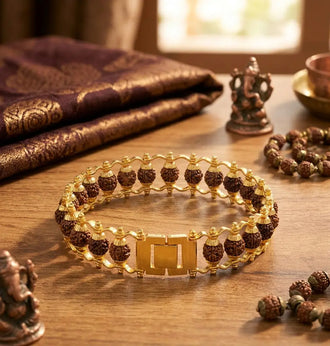
On March 19, the Pratipada tithi begins the festival with the Ghatasthapana ritual. Devotees wear yellow to honor Maa Shailaputri and offer pure cow ghee to ensure a life free from diseases. On the second day, the focus shifts to Maa Brahmacharini, the ascetic form. Green attire represents growth and peace, while sugar and fruits are offered as festival meals. For those seeking protection, the 9 Mukhi Rudraksha for Strength, Courage & Protection Certified Original and Blessed in Kashi is often worn during these prayers. The third day honors Maa Chandraghanta on March 21. Grey is the chosen shade to signify the destruction of evil. Offering milk or kheer helps soothe the mind and brings mental clarity to the practitioner. Keeping a clean puja space is vital during this initial phase of the festival.
Day 4 to Day 6: Kushmanda, Skandamata, and Katyayani
Maa Kushmanda is worshipped on March 22, the fourth day. Orange clothes reflect the sun-like glow of this goddess who created the universe. Malpua is the traditional bhog for this tithi to improve creative energy. On the fifth day, Skandamata, the mother of Lord Kartikeya, is revered. White symbolizes the purity of maternal love. Bananas are the primary offering to maintain physical health. Many families keep a Durga Mata (Matarani) 10gm Pure Silver Coin in their lockers during this day for luck. Day six, March 24, belongs to Maa Katyayani. Red is the color of power and warriors. Offering honey on this day is said to make the devotee more attractive and eloquent in speech. These middle days are the most intense periods of the nine night fast.
Day 7 to Day 9: Kaalratri, Mahagauri, and Siddhidhatri
Maa Kaalratri is the most fierce form, worshipped on March 25. Royal blue garments are worn to represent the night and the vastness of the cosmos. Jaggery is offered to remove obstacles and fear from life. The eighth day, Maha Ashtami, falls on March 26. Pink is the color for Mahagauri, the goddess of beauty and serenity. Coconut is the preferred prasad for this day to seek divine grace. The festival concludes on March 27 with Maa Siddhidhatri. Purple attire celebrates the attainment of spiritual perfections. Sesame seeds or til are offered before the Kanya Pujan ritual begins. Devotees often use a Vaishno Devi Prasad Box to share blessings with neighbors. You can learn more about these traditions in our Navratri 9 Day Colour Calendar guide.
Benefits of Following the 2026 Daily Guide
- Spiritual Alignment: Matching your clothes with goddess colors helps in tuning your energy to the day's specific deity.
- Detoxification: The festival meals prescribed for each day consist of light, digestible items that cleanse the digestive system.
- Mental Discipline: Sticking to a fixed calendar builds focus and strengthens the resolve of the devotee.
- Prosperity: Proper bhog like honey or jaggery is believed to please the planetary lords associated with each day.
- Community Connection: Sharing the specified prasad creates a sense of unity among Hindu families during the spring.
- Divine Protection: Worshipping with a Durga Darbar - Gold Plated at home brings the energy of the Kashi shrines into your living room.
What are the day-wise colours, foods, and prasad for Navratri 2026?

The day-wise colours for Navratri 2026 start with Yellow on March 19 and end with Purple on March 27. Specifically, the sequence is Yellow, Green, Grey, Orange, White, Red, Royal Blue, Pink, and Purple. Each day has a unique food offering starting from Desi Ghee for Maa Shailaputri to Sesame seeds for Maa Siddhidhatri. These choices are based on ancient Vedic astrological calculations and the specific energy of the Tithi. For instance, offering Jaggery on Saptami is meant to pacify the fierce energy of Maa Kaalratri. Devotees should ensure that all food is prepared without onion or garlic in a clean kitchen. It is always wise to consult a local priest for specific muhurat timings in your city as these can vary by a few minutes. Following this structure allows a householder to experience the full spiritual potential of the Chaitra season. You can check the Durga Puja 2025 in Kolkata blog to see how these traditions vary across different Indian states.
Common Mistakes to Avoid
- Using table salt instead of Sendha Namak (rock salt) in your festival meals.
- Wearing black or dark brown colors which are generally avoided during these auspicious nine nights.
- Mixing grains like wheat or rice into the bhog meant for the goddess on fasting days.
- Skipping the daily lamp lighting or diya during the sandhya kaal (evening) period.
- Disrespecting the Kanya Pujan girls by not offering the specific prasad of the day.
What is the importance of the color yellow on the first day?
The importance of the color yellow on the first day is that it represents the brightness and joy of Maa Shailaputri. This color encourages a positive start to the nine day fast and helps attract prosperity to the household during the festival.
Can we eat grains during the Navratri 2026 festival?
Eating grains during the Navratri 2026 festival is generally avoided by devotees who keep a full fast. Instead, people consume kuttu, singhara, and specific fruits that are permitted according to the dietary rules of the Chaitra Navratri season.
Why is jaggery offered to Maa Kaalratri on the seventh day?
Jaggery is offered to Maa Kaalratri on the seventh day because it is believed to alleviate suffering and remove poverty. This offering is part of the traditional ritual to seek protection from the fierce form of the goddess during Saptami.
What should be done if I miss a specific color day?
If you miss a specific color day, you should continue with the color for the next day without worry. The most important aspect is the sincerity of your devotion rather than the clothes you wear during the prayer rituals.
How is the 2026 Navratri calendar different from previous years?
The 2026 Navratri calendar is different because the tithi timings and the weekday alignments change every year. In 2026, the festival starts on a Thursday, which dictates the color sequence starting with yellow for the first day of Chaitra.
Conclusion
Following the navratri 2026 calendar day wise colours food prasad ensures a disciplined and spiritually rewarding festival experience from March 19 to March 27. By selecting the right attire and preparing the correct bhog, you honor the ancient traditions of Vrindavan and Kashi. Remember to focus on purity and devotion during these nine holy nights. Using an Original 7 Mukhi Rudraksha Certified Natural Bead of Goddess Lakshmi for Wealth & Prosperity can further enhance your spiritual practice during this time. For more tips on goddess worship, visit our Navratri Bhog List guide.
By Rehan