Sacred Traditions of the Divine Mother

Sacred Traditions of the Divine Mother
Devotees in Kashi gather at 4:30 AM to offer red hibiscus flowers during the Sharad Navratri festival. This ancient practice of honoring the divine mother 7 forms maa goddess helps seekers connect with the primordial energy of the universe. You will learn the specific iconography, sacred origins, and ritual worship methods for each of these seven powerful feminine manifestations found in our Puranas.
Quick Takeaways
- These seven forms represent the collective energy used to maintain cosmic order and balance.
- Each manifestation carries unique weapons and travels on a specific sacred animal vehicle or vahana.
- The Sapta Matrikas emerged from the bodies of major deities to assist in spiritual battles.
- Regular worship of these forms brings mental clarity, protection from negativity, and material stability.
| Goddess Form | Sanskrit Name | Sacred Vahana | Primary Weapon | Spiritual Gift |
|---|---|---|---|---|
| The Creative Force | Brahmani | Swan (Hamsa) | Water Pot (Kamandalu) | Vedic Knowledge |
| The Eternal Protector | Maheshwari | Bull (Nandi) | Trident (Trishul) | Inner Strength |
| The Youthful Warrior | Kaumari | Peacock | Spear (Vel) | Victory over Ego |
| The Sustainer | Vaishnavi | Eagle (Garuda) | Discus (Sudarshan) | Family Harmony |
| The Earthly Power | Varahi | Boar | Staff (Danda) | Removal of Obstacles |
| The Queen of Heaven | Indrani | Elephant (Airavata) | Thunderbolt (Vajra) | Status and Wealth |
| The Destroyer of Evil | Chamunda | Owl or Corpse | Sword (Kharga) | Fearlessness |
Significance of the Divine Mother 7 Forms Maa Goddess
In the sacred geography of India, the seven mothers are known as the Sapta Matrikas. These energies are not separate entities but different frequencies of the one Shakti that governs the cosmos. The Devi Bhagavatam 9.1.1 states that the supreme energy divides herself into five forms for creation, but the expansion into seven forms occurs for protection. Devotees in Vrindavan often see these forms represented in the 64 Yogini temples that surround the holy Braj region. Citing Skanda Purana 2.4.18, we understand that any ritual performed without honoring the Matrikas remains incomplete and lacks the power of fruition. This tradition is particularly strong in the temple towns of South India and the Himalayan foothills. Every tithi or lunar day is associated with a specific flow of energy from these goddesses. Understanding their origins allows a devotee to align their personal vibrations with the rhythm of nature. You can learn more about related chants in our guide to Laxmi Ji Ki Aarti which honors the goddess of prosperity.

The Main Guide: Rituals for Each Manifestation
1. Honoring Maa Brahmani for Wisdom
Maa Brahmani is the first of the Matrikas and represents the creative power of Brahma. To worship her, devotees offer yellow flowers and sandalwood paste at sunrise on a Thursday. She is often depicted with four heads, symbolizing the four Vedas. Chanting the Gayatri Mantra 108 times while focusing on her image helps improve concentration and memory. She resides in the crown chakra, guiding the seeker toward higher intellectual pursuits and spiritual awakening.
2. Worshiping Maa Maheshwari for Protection
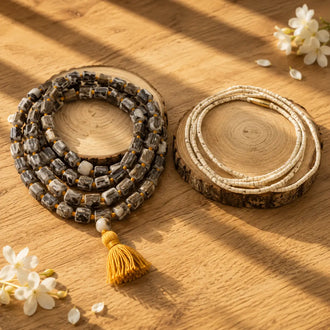
This form mirrors the attributes of Lord Shiva and carries the crescent moon on her forehead. Devotees offer white flowers and Bilva leaves to her during the Pradosh Vrat timings. Wearing a 9 Mukhi Rudraksha for Strength, Courage & Protection Certified Original and Blessed in Kashi can help align your energy with her protective shield. She provides the emotional stability needed to handle difficult life situations with a calm mind.
3. Seeking Victory with Maa Kaumari
As the female counterpart of Kartikeya, she embodies the spirit of a youthful warrior. Worship her by lighting a lamp with sesame oil on a Tuesday. She is especially revered by those seeking victory in legal matters or competitive exams. Her spear symbolizes a one-pointed focus on goals. Offering red pomegranate seeds is a traditional practice to gain her favor in the battle against internal vices.
4. Family Peace with Maa Vaishnavi
Maa Vaishnavi is the sustaining force that carries the conch, discus, mace, and lotus. To invite her presence, devotees perform Vishnu Sahasranama chanting on Ekadashi days. She protects the household from poverty and discord. Placing a Original 7 Mukhi Rudraksha Certified Natural Bead of Goddess Lakshmi for Wealth & Prosperity on your altar connects you to her nourishing energy. She ensures that the home remains filled with grains and joy.
5. Maa Varahi and Earthly Abundance
With the head of a boar, Maa Varahi represents the power to lift the earth from the depths. She is the commander of the goddess Lalita Tripurasundari's army. Perform her puja during the night hours or Rahu Kaal to remove negative influences from your path. She is the guardian of land and property. Devotees often offer cooked pulses or roots to her as a mark of respect for her earthly connection.
6. Maa Indrani for Sovereignty
She sits upon a majestic elephant and holds the power of the heavens. Worshiping Maa Indrani on a Friday helps in attaining social status and leadership roles. She represents the administrative power of the universe. Offering fragrant jasmine flowers and white sweets is common during her rituals. She helps devotees maintain control over their senses and emotional outbursts.
7. Maa Chamunda for Fearlessness
The final form is the fierce Chamunda, who destroyed the demons Chanda and Munda. She is the protector of the cremation grounds and the destroyer of time. Devotees visit her shrines during the Krishna Paksha Ashtami to seek protection from black magic and unknown fears. She demands total surrender of the ego. Lighting a mustard oil lamp under a Peepal tree is a traditional way to honor her energy.
Checklist of Benefits and Offerings
- Mental Clarity: Regular meditation on Brahmani removes confusion and enhances decision making skills.
- Physical Health: Varahi worship is believed to strengthen the bones and improve overall physical stamina.
- Financial Growth: Honoring Vaishnavi and Indrani attracts opportunities for career advancement and wealth accumulation.
- Spiritual Protection: Maheshwari and Chamunda act as shields against the evil eye and psychic disturbances.
- Conflict Resolution: Kaumari rituals help in settling disputes and winning over enemies without violence.
- Offerings: Always use fresh fruits, pure ghee lamps, and incense sticks made from natural resins.
- Sacred Thread: Many devotees wear a red mouli thread on their right wrist after completing the Devi puja.

What are the 7 forms of Divine Mother 'Maa' in Indian culture?
The seven forms of the Divine Mother, collectively known as the Sapta Matrikas, are Brahmani, Maheshwari, Kaumari, Vaishnavi, Varahi, Indrani, and Chamunda. These goddesses represent the feminine aspects of the principal male deities in the Hindu pantheon. They emerged as a collective force to assist the Goddess Durga in her battle against the demon Raktabija, as detailed in the Devi Mahatmya section of the Markandeya Purana. Each mother carries the specific power or Shakti of her male counterpart, yet they function as independent protective spirits. In traditional Indian villages, these seven mothers are often represented by seven stones or simple icons placed near water bodies or under sacred trees like the Banyan. They are seen as the guardians of children and the overseers of agricultural cycles. For a deeper understanding of devotional songs used in these rituals, you may read about Shri Ram Chandra Kripalu Bhajman which reflects the same spirit of surrender. It is always advisable to consult a priest for specific Tithi-based rituals to ensure the best spiritual results.
Common Mistakes to Avoid
- Performing the Devi puja without taking a bath or wearing clean, unstitched clothes like a cotton dhoti or saree.
- Placing the goddess idols in a dark corner or in the south direction of the puja room.
- Using stale flowers or those that have fallen on the ground for the Matrika offerings.
- Chanting the seed mantras with incorrect pronunciation which can alter the intended vibration of the prayer.
- Neglecting the worship of Lord Ganesha before starting the main rituals for the seven mothers.
What is the meaning of the word Shakti?
The meaning of the word Shakti refers to the primordial cosmic energy that represents the dynamic forces that move through the entire universe. It is the feminine principle of creation and the power that enables all existence and movement.
Who are the Matrikas in Hindu tradition?
The Matrikas in Hindu tradition are a group of mother goddesses who are always depicted together as a collective force. They are considered the female counterparts or Shaktis of the major gods and protectors of the cosmic order and devotees.
When is the best time to worship the Devi?
The best time to worship the Devi is during the Sandhya timings of sunrise and sunset or during the nine nights of Navratri. Special lunar days like Ashtami and Navami are also highly auspicious for performing detailed goddess rituals.
Which flowers are most liked by the Goddess?
The flowers most liked by the Goddess include red hibiscus, lotus, jasmine, and marigolds depending on the specific form. Each manifestation has a preference for colors that match her specific energy frequency and the planet she influences.
Can men also perform the Matrika puja?
Men can also perform the Matrika puja as these energies are universal and exist within every human being regardless of gender. The practice helps men balance their internal lunar and solar energies for better spiritual growth and emotional health.
Conclusion
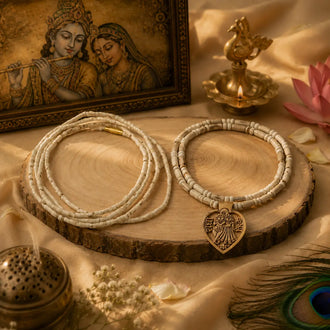
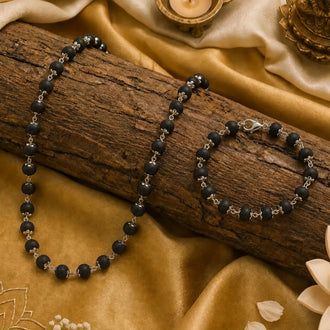
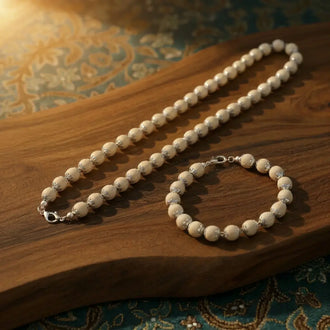
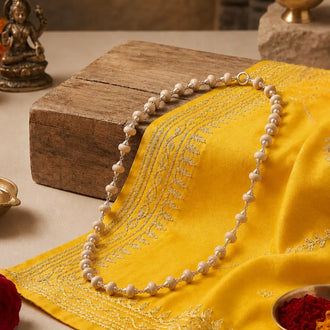
Connecting with the divine mother 7 forms maa goddess offers a path to holistic well-being and spiritual security. By understanding the unique attributes of Brahmani, Vaishnavi, and Chamunda, devotees can tailor their practices to meet specific life challenges. These seven energies guide us from the initial spark of creation to the final liberation of the soul. Ensure you use authentic materials for your daily rituals to maintain the sanctity of your space. You can find quality items like the Original Tulsi Kanthi Mala Triple Round, 6 mm, Daily Bhakti, Prayer for your meditative sessions. For more information on Vedic rituals, explore our post on Krishna Ji Ki Aarti today.
Written by- Ansuhka Jain