Holi Braj 40 Days Festival Timeline Traditions 2027 Guide

Exploring the Holi Braj 40 Days Festival Timeline Traditions
Vasant Panchami 2027 marks the beginning of the spring season on March 22. This date signals the start of a massive celebration in the 84-kos Braj Mandal region. The holi braj 40 days festival timeline traditions provide a structured path for devotees to experience divine joy through specific temple rituals. In the temples of Vrindavan, priests apply the first dash of gulaal to the deity of Lord Krishna. You will learn the exact dates, ritual steps, and the spiritual history behind this long celebration in this article.
Quick Takeaways
- The celebration starts exactly on Vasant Panchami and lasts for forty days in Braj.
- Major highlights include Lathmar Holi in Barsana and the flower Holi at Banke Bihari.
- Specific local flowers like Palash provide the natural orange dye for the temple celebrations.
- Devotees follow a lunar calendar schedule starting from Magha Shukla Panchami every year.
| Event | Date (2027) | Tithi | Muhurat / Timing* | Significance |
|---|---|---|---|---|
| Vasant Panchami | 11 February 2027 (Thursday) | Magha Shukla Panchami | Morning (Sri Panchami) | Official Start of Braj Holi |
| Phulera Dooj | 10 March 2027 (Wednesday) | Phalguna Shukla Dwitiya | All Day | Flower Holi at Banke Bihari Temple |
| Barsana Lathmar Holi | 15 March 2027 (Monday) | Phalguna Shukla Saptami | ~4:30 PM onwards | Gopis playfully strike Huriyars with sticks |
| Nandgaon Lathmar Holi | 16 March 2027 (Tuesday) | Phalguna Shukla Ashtami | ~4:30 PM onwards | Nandgaon celebrates in response to Barsana |
| Rangbhari Ekadashi | 18 March 2027 (Thursday) | Phalguna Shukla Ekadashi | ~10:00 AM onwards | Main Vrindavan Holi celebration |
| Holika Dahan | 21 March 2027 (Sunday) | Phalguna Purnima | 6:21 PM – 8:10 PM (approx., city-specific) | Victory of Prahlad over Holika |
| Dhulandi (Main Holi) | 22 March 2027 (Monday) | Phalguna Krishna Pratipada | All Day | Festival of Colours |
| Dauji Huranga | 23 March 2027 (Tuesday) | Phalguna Krishna Dwitiya | ~12:00 PM onwards | Traditional Huranga at Dauji Temple, Baldeo |
Why This Matters
The Braj region holds a unique status because it remains the playground where Lord Krishna performed His pastimes. While the rest of India celebrates for two days, the 84-kos area follows an extended festival cycle that mirrors the intensity of Gopi bhava. This long period allows the heart to soften and receive the grace of the Lord through sound, color, and community. The foundation of these celebrations appears in the ancient texts that describe the Rasa Lila. Bhagavata Purana 10.33.3 describes how Krishna multiplied Himself to dance with each Gopi, creating a circle of divine love. This same spirit of multiplication and joy flows through the streets of Mathura and Vrindavan today. Devotees often prepare by following a holika dahan 2027 puja vidhi to ensure spiritual purity. The tradition connects the physical act of throwing color to the internal cleansing of the soul. Understanding the sequence helps a devotee move from being a spectator to becoming a participant in the eternal play of the Divine Couple. Every day of these forty days offers a different flavor of devotion, from the gentle use of flowers to the energetic Lathmar battles.

The Core of Holi Braj 40 Days Festival Timeline Traditions
Phase 1: The Inauguration at Vasant Panchami
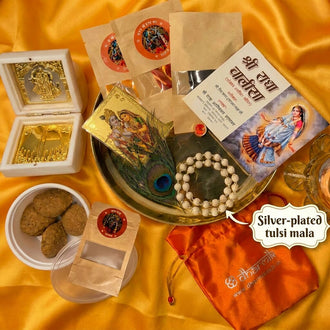
The process begins at the Banke Bihari Temple and Dwarkadhish Temple. Priests dress the deities in yellow garments to represent the mustard fields of spring. They place a small heap of roasted grain and dry color at the lotus feet of Krishna. This act signifies that the winter chill has ended and the season of love has arrived. For the next several weeks, temples host Samaj Gayan, which are traditional musical sessions where Brajwasis sing poems about the childhood antics of Kanha. You can bring this energy home with a Vrindavan Holi Box ( Holi Utsav Prasadam from Vrindavan Dham ) to connect with the Dham. The songs used during this period are in the Braj Bhasha dialect and carry the weight of centuries of oral history.
Phase 2: Phulera Dooj and The Flower Festival
Phulera Dooj is considered one of the most auspicious days in the Hindu calendar. It is a day when no planetary alignment can cause harm, making it a favorite for weddings. In Vrindavan, the deity is showered with thousands of kilograms of fresh rose and marigold petals. This is a dry Holi that avoids water to protect the delicate jewelry of the Lord. Devotees often use Palash ke Phool - Blessed from Vrindavan to create natural pigments. The scent of the flowers fills the narrow lanes, and the atmosphere becomes light and cheerful. This stage marks the transition from subtle colors to the more intense physical celebrations that follow a week later.
Phase 3: Lathmar Holi of Barsana and Nandgaon
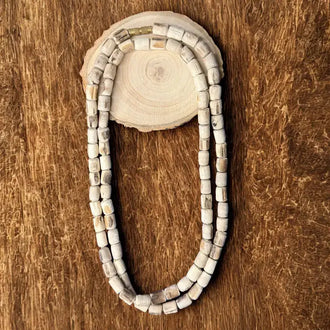
The Lathmar tradition is a reenactment of Krishna visiting Radha's village. Men from Nandgaon travel to Barsana, where the women wait with long bamboo sticks called lathis. The men carry leather shields to protect themselves as the women playfully strike them. The entire village participates in singing songs that mock the opposing side. This ritual highlights the power and grace of the Gopis. The next day, the men of Barsana visit Nandgaon to repeat the process. This exchange of energy strengthens the social bonds between the two villages. The dust raised by the feet of the devotees is considered sacred, often referred to as Braj Raj - Blessed from Vrindavan, which people apply to their foreheads.
Phase 4: Rangbhari Ekadashi and Widow's Holi
Rangbhari Ekadashi is the day when the celebration reaches the main city of Vrindavan. The procession of Lord Banke Bihari is a sight to see as He comes out to play with His devotees. A significant modern tradition is the Holi played by the widows of Vrindavan at the Gopinath Temple. For centuries, these women were excluded from festivities, but now they celebrate with colors and flowers, breaking old social barriers. This event usually happens three to four days before the full moon and is a point of deep emotional release for thousands of residents.
Key Rituals and Benefits
- Natural Color Preparation: Brajwasis boil Tesu flowers in large iron cauldrons to create a permanent orange water. This natural dye is cooling for the skin and carries medicinal properties according to Ayurveda.
- Samaj Gayan: Sitting in the temple courtyard and listening to the Hori songs purifies the ears and mind. These songs contain the hidden meanings of the braj customs and theological truths.
- Daan and Charity: Donating yellow clothes, malpua, and dry fruits during these forty days is considered highly meritorious. Devotees often distribute sweets to the local Brajwasis as a form of service.
- Spiritual Cleansing: The act of surrendering to the colors represents the loss of the ego. When everyone is covered in red and orange, social status and wealth disappear, leaving only the soul.
- Deity Seva: Offering a Vrindavan Silver Bucket and Pichkari for Kanhaji allows a devotee to participate in the Nitya Vihar or the eternal play of Krishna.
What is the 40-day Braj Holi celebration timeline and traditions?
The 40-day Braj Holi celebration timeline and traditions follow the period from Vasant Panchami to the day after Holi. This cycle is rooted in the belief that spring is the king of seasons and deserves a long welcome. The timeline begins with the installation of the Holi Danda, a wooden pole that marks the spot for the future bonfire. Each day of the forty days sees an increase in the intensity of the music and the amount of color used in temple courtyards. The traditions include specific forms of Holi such as Lathmar (sticks), Phoolon wali (flowers), and Kapda Faad (tearing of clothes in fun). The schedule is managed by the local temple committees and follows the lunar movements of the Phalguna month. In the middle of this period, villages like Gokul celebrate with wooden sticks called Chadi instead of heavy lathis to signify the younger age of Krishna during His time there. It is a time of total immersion where the boundary between the devotee and the deity becomes thin. For those planning a visit, it is wise to check a holi 2027 date muhurat significance rituals complete guide for future planning. Always consult a local priest for the exact tithi timings in specific villages.

Common Mistakes to Avoid
- Wearing expensive or delicate fabrics is a mistake as the colors used in Braj are often very strong and permanent.
- Arriving at the temples after 10:00 AM usually means missing the most intense part of the morning celebrations.
- Devotees often forget to protect their eyes and hair with oil, which leads to skin irritation from the abir.
- Ignoring local braj holi celebration schedule updates can result in reaching a village on the wrong day.
- Many people try to take photos in the inner sanctum, which is often prohibited and disrespectful to the ritual.
When does the Braj Holi celebration actually begin?
The braj holi celebration schedule begins on Vasant Panchami, which is the fifth day of the waxing moon in the month of Magha. This day marks the first time dry gulaal is offered to the deities in temples across Vrindavan. This start date is roughly forty days before the main festival of colors.
Why is Holi celebrated for forty days only in Braj?
The extended festival in Braj exists because this region is the birthplace of the traditions associated with Krishna and Radha. The forty-day period allows for every village to host its own unique version of the festival, such as the Lathmar Holi. It reflects the deep cultural devotion of the local Brajwasi community.
What are the most important braj customs to observe?
The braj customs include participating in Samaj Gayan and using natural colors derived from the Palash tree. Another key custom is the Huranga, which takes place at the Dauji temple after the main Holi day. These rituals are performed with a sense of playful servitude toward the Lord.
Can visitors participate in the Lathmar Holi in Barsana?
The braj holi celebration schedule allows visitors to watch the Lathmar Holi from the sidelines or temple rooftops. While the actual stick-hitting is reserved for the residents of Nandgaon and Barsana, visitors can join the crowds in throwing color. It is a high-energy event that requires physical stamina and patience.
Where can I find the most authentic Braj Holi experience?
The braj customs are best experienced at the Banke Bihari Temple in Vrindavan and the Radha Rani Temple in Barsana. These locations maintain the oldest forms of the holi braj 40 days festival timeline traditions without many modern changes. Each temple offers a different atmosphere, from chaotic joy to meditative singing.
Conclusion
The holi braj 40 days festival timeline traditions offer a unique window into the heart of Krishna bhakti. By following the schedule from Vasant Panchami to the final Huranga, a devotee experiences the full spectrum of spiritual emotions. It is a time when the world turns into a canvas of red, yellow, and orange. You can prepare for your own celebration with a complete holika dahan puja samagri list to ensure you have everything needed. Bring the essence of the Dham into your home with a Braj Raj - Blessed from Vrindavan for your daily tilak. May the colors of Braj bring peace and love to your life.
By Radhika Das