Home Temple Purification Ritual: A Devotee's Guide

Mastering the Home Temple Purification Ritual for Your Sacred Space
Every devotee desires to feel the divine presence within their home, especially in their mandir. But how do we ensure this sacred corner remains pure and vibrant? The home temple purification ritual is essential for inviting positive energies and maintaining a strong spiritual connection. This guide will walk you through simple yet potent practices to cleanse and consecrate your sacred space, fostering an environment of devotion and peace for your family.
Quick Takeaways
- Regularly cleaning the mandir physically and energetically keeps it sacred.
- Specific mantras and offerings enhance the spiritual purification process.
- Maintaining cleanliness fosters a deeper connection with the deities.
- Simple daily practices create an atmosphere of constant divine blessing.
Key Home Temple Purification Steps
- Clear Clutter & Dust
- Clean Deities & Utensils
- Perform Panchamrita Abhishek
- Light Diya & Offer Incense
- Chant Mantras & Offer Prayers
- Distribute Prasad
- Perform Daily Aartis
Why This Matters: The Sacredness of Your Home Temple
Our home temple is a direct extension of our devotion, a small sanctuary where the divine resides. The significance of maintaining this space’s sanctity is rooted in ancient traditions. A purified mandir acts as a focal point for positive vibrations, impacting the spiritual well-being of everyone in the household. Just as we care for our bodies, the physical and energetic upkeep of our sacred space, or mandir, is vital.
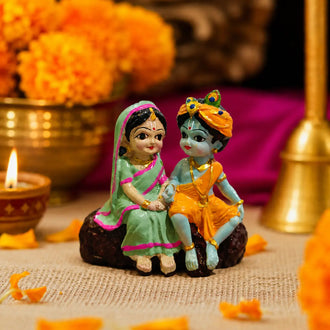
Texts like the Puranas emphasize the importance of cleanliness and devotion in inviting divine grace. The Skanda Purana 2.4.18 states that "where cleanliness and devotion abide, there the deities reside joyfully." This verse highlights the profound connection between outer purity and inner spiritual realization. In Vrindavan, devotees meticulously clean their personal altars, often with waters from the Yamuna River, before offering prayers to Lord Krishna and Radha Rani. This dedication ensures the home blessing flows freely.
This devotional practice transcends mere physical tidiness; it is a profound act of love and reverence. By engaging in this spiritual cleansing, we honor the deities and create an environment conducive to meditation, prayer, and receiving divine blessings. A well-maintained and pure sacred corner not only brings peace but also reflects our commitment to our spiritual path. To ensure your mandir is equipped for such devotion, explore essential items for your home mandir.
The Main Guide: Step-by-Step Home Temple Purification Rituals
Performing a proper home temple purification ritual ensures your sacred space remains vibrant and receptive to divine energies. These steps, practiced by devotees across India, bring peace and positive vibrations. Dedicate a specific day, perhaps a Thursday or Friday, for a thorough cleanse, beyond your daily routines. Begin early in the morning, after your bath.

1. Physical Cleanliness: Clearing and Dusting
Start by removing all idols, pictures, and puja items from the mandir. Use a clean, damp cloth to wipe down all surfaces, including shelves and walls. Remove any dust, cobwebs, or spilled offerings. Ensure the floor around the mandir is also swept and mopped. A spotless environment is the first step in spiritual preparation.
2. Cleaning the Deities and Puja Utensils
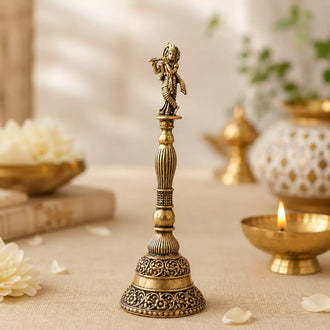
Clean each deity idol or picture with reverence. For metal idols, gently wash them with water mixed with a few drops of Ganga Jal or rose water. For wooden idols, wipe them with a clean, dry cloth. Clay idols can be wiped carefully. Polish puja utensils like the diya, bell, and aarti plate until they shine. You can use a gentle cleanser for brass or copper items. A monthly puja kit can provide essential cleaning items.
3. Performing the Panchamrita Abhishek
This sacred bath for the deities is highly purifying. Mix milk, yogurt, ghee (clarified butter), honey, and sugar in a clean bowl – this is Panchamrita. Gently pour this mixture over the idols while chanting "Om Namah Shivaya" or "Om Namo Bhagavate Vasudevaya." After the Panchamrita, bathe the idols again with pure water, then Ganga Jal, and finally wipe them dry with a clean cloth. This `purify mandir` step is very potent.
4. Offering Fragrance and Light
Place the cleaned and dried deities back in the mandir. Light a pure ghee diya and some incense sticks. The flame of the diya symbolizes knowledge and the removal of darkness, while the fragrant smoke of incense purifies the atmosphere. Offering a pleasant scent with Amrit Jal Perfume further enhances the environment.
5. Chanting Mantras and Offering Prayers
After arranging everything, sit quietly before your mandir. Chant sacred mantras like the Gayatri Mantra or your favorite deity's Moola Mantra at least 21 times. Offer fresh flowers, fruits, and sweets. Offer water in a clean vessel. This act of devotion and focused energy performs the `spiritual cleansing` of the space. It ensures a constant `home blessing` for all.
6. Distributing Prasad
Offer a small amount of the prepared food or sweets to the deities. After offering, distribute this `prasad` among family members and visitors. This sharing of blessed food further extends the purity and blessings of the mandir throughout the home. Prasad, especially from holy places like Vrindavan, carries immense spiritual energy.
7. Daily Aarti and Maintenance
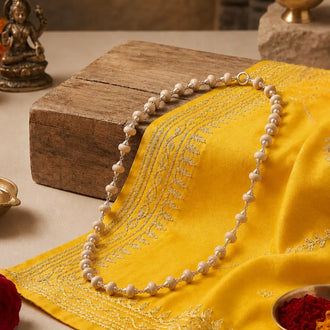
Conclude with a heartfelt Aarti, moving the lighted diya clockwise before the deities while singing devotional hymns. This daily `temple maintenance` keeps the energy high. Throughout the week, maintain cleanliness, change fresh flowers, and light a diya. Consider wearing a Tulsi Japa Mala during your prayers for added spiritual focus.
Benefits of Home Temple Purification
Regularly engaging in these purification rituals offers numerous benefits, transforming your home into a sanctuary of peace and positivity.
- Enhanced Spiritual Connection: A clean and purified space makes it easier to focus during meditation and prayer, deepening your connection with the divine.
- Positive Vibrations: The rituals, especially chanting and lighting lamps, infuse the environment with auspicious energy, promoting harmony and well-being.
- Mental Clarity and Peace: The act of cleaning and devotion brings a sense of calm and clarity to the mind, reducing stress and anxiety.
- Attraction of Prosperity: A well-maintained `cleanse altar` is believed to attract blessings of health, wealth, and happiness for the household, including a vibrant `home blessing`.
- Protection from Negative Energies: Regular purification acts as a shield, safeguarding the home from any undesirable or negative influences.
- Discipline and Dedication: Following these practices instills spiritual discipline, reinforcing your commitment to a devotional life.
- Cultural Preservation: By practicing these age-old rituals, families preserve and pass on rich Hindu traditions to younger generations.
What are the simple rituals to purify and maintain my home temple?

Maintaining a pure and vibrant home temple involves a combination of consistent physical cleaning and dedicated spiritual practices. Simple rituals typically include a daily wipe-down of surfaces, changing water offerings, and lighting a diya and incense stick. Weekly, devotees often engage in a more thorough cleaning, washing idols with pure water, and preparing fresh garlands. Mantras like Om or Gayatri are chanted to sanctify the space. These acts are not merely chores but loving gestures towards the residing deities. For specific advice tailored to your deity or tradition, it is always recommended to consult a knowledgeable family priest or spiritual elder. They can provide personalized guidance, ensuring your rituals align with your specific lineage.
Beyond the physical acts, the intention behind the rituals is paramount. Approaching these tasks with reverence and devotion transforms them into powerful acts of `spiritual cleansing`. For additional insights on enhancing your worship, consider reading about the significance of lighting a diya.
Common Mistakes to Avoid
- Using harsh chemicals: Never use strong detergents or abrasive cleaners on idols or delicate puja items, as they can damage sacred materials.
- Ignoring daily maintenance: Neglecting small daily cleanups can lead to accumulation of dust and stagnant energy, making bigger purifications harder.
- Lack of focus during rituals: Performing rituals mechanically without devotion or concentration diminishes their spiritual effectiveness.
- Not cleaning brass/copper regularly: Allowing tarnish to build up on metal deities and utensils can hinder the reflective qualities and visual purity.
- Improper disposal of offerings: Withered flowers and old prasad should be disposed of respectfully, often immersed in water or buried, never simply thrown in the trash.
FAQs
How often should I cleanse altar?
You should cleanse altar daily with basic dusting and changing offerings. A more thorough purification, including washing deities and polishing items, is recommended weekly or bi-weekly, depending on your schedule. This keeps the space energetically fresh and inviting for divine presence.
What is the significance of home blessing?
The significance of home blessing lies in inviting positive energies, protection, and prosperity into your dwelling. It sanctifies your living space, creates a harmonious environment, and strengthens the spiritual foundation of the family. Regular rituals help maintain this blessed atmosphere.
Can specific mantras enhance spiritual cleansing?
Yes, specific mantras can absolutely enhance spiritual cleansing. Chanting powerful mantras like the Gayatri Mantra, Om Namah Shivaya, or your deity's Moola Mantra purifies the atmosphere, vibrates positive energy, and helps remove any negative influences from the sacred space and surroundings.
What are the benefits of regular temple maintenance?
The benefits of regular temple maintenance include fostering a deeper connection with the divine, promoting peace and harmony in the home, and attracting auspicious energies. Consistent upkeep ensures the mandir remains a pure and powerful spiritual focal point for all family members.
Are there specific items needed to purify mandir?
Yes, there are specific items needed to purify mandir effectively. Essential items include Ganga Jal, Panchamrita ingredients (milk, yogurt, ghee, honey, sugar), clean cloths, fresh flowers, incense, a pure ghee diya, and natural cleaning agents. A `Lakshmi Ganesha Silver Coin` is a sacred addition for prosperity.
Conclusion
Maintaining a vibrant and pure home temple is a continuous act of devotion that enriches your spiritual life. By consistently performing the simple yet powerful `home temple purification ritual`, you ensure your sacred space remains a source of divine energy and peace. This practice, deeply rooted in Hindu tradition, not only honours your deities but also brings harmony and `home blessing` to your entire household. Remember that consistency and devotion are key to sustaining a truly sacred environment. For continued devotion, explore our selection of idols for your home mandir.
By Rehan