Chandra Grahan Raksha Bandhan 2026: Sutak Timings & Rakhi Rules

Ritual Rules for Chandra Grahan Raksha Bandhan 2026
28 August 2026 brings a partial lunar eclipse during the sacred Shravana Purnima. Many devotees are currently asking about the Chandra Grahan Raksha Bandhan 2026 because the tithi and the eclipse coincide. The confusion arises because sutak kaal typically halts all religious activities and puja rituals in the household. You must understand the specific timings for the Shravana Shukla Purnima tithi and the eclipse window to avoid mistakes. This guide clarifies how to celebrate the festival safely without breaking any scriptural rules or family traditions. You will learn the exact timings for tying rakhi before the eclipse starts and how to handle the sutak period with devotion. We will look at how to protect the sanctity of this brother-sister bond during a rare celestial event.
Quick Takeaways
- Tying ceremonies must end before the ritual impurity begins at 4:30 PM on 28 August.
- A partial lunar eclipse occurs between 1:30 AM and 3:00 AM on 29 August.
- Avoid eating or performing deity puja during the nine hours of the sutak window.
- Take a ritual bath after the eclipse ends and donate white grains to cleanse the home.
| Event | Date | Tithi | Muhurat | Significance |
|---|---|---|---|---|
| Raksha Bandhan | 28 August 2026 | Shravana Purnima | 05:57 AM to 09:48 AM | Brother-sister bond |
| Sutak Begins | 28 August 2026 | Purnima | Starts 04:30 PM | Period of impurity |
| Lunar Eclipse | 29 August 2026 | Purnima | 01:30 AM to 03:00 AM | Astronomical event |
| Tithi Ends | 28 August 2026 | Purnima | Ends midnight | Sacred lunar day |

Why Chandra Grahan Raksha Bandhan 2026 Changes Rules
Lunar eclipses on Purnima days create a spiritual challenge for Hindu families following the lunar calendar. On 28 August 2026, the partial lunar eclipse happens late at night, but the sutak rules apply nine hours before the event starts. This ritual impurity affects the sanctity of the thread-tying ceremony in every home. In the Skanda Purana (grahan snan and daan), the text emphasises the importance of ritual cleansing and giving after an eclipse to remove negative influences. When the moon is obscured, the energy becomes heavy and unsuitable for auspicious beginnings. For devotees in Vrindavan and Kashi, the temple doors often close during these hours to protect the deities from the eclipse rays. Tying a rakhi is not just a social act but a Vedic ritual called Raksha Potli. This ritual requires a pure environment and a clear mind to be effective for the year ahead. If you perform the ceremony during sutak, the protective energy of the thread may diminish according to traditional beliefs. We must balance the joy of the festival with the discipline of the Shravanas. Understanding these cosmic cycles helps us align our celebrations with the natural rhythm of the universe. It ensures that the protection we seek for our brothers remains intact through the coming months of the year.
The Main Guide to Festival Rituals
Celebrating the festival in 2026 requires careful planning due to the 28 August eclipse. You must complete your preparations early in the morning to avoid the sutak shadow that falls later in the afternoon. If you plan your day correctly, you can still observe all the traditions without any spiritual risk.
Early Morning Rakhi Timing
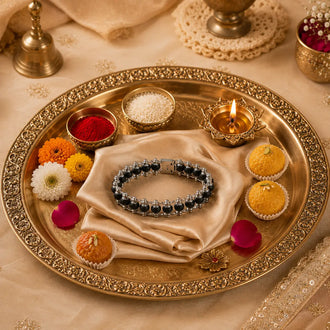
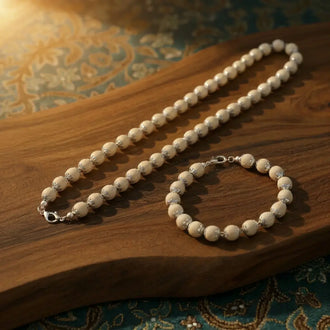
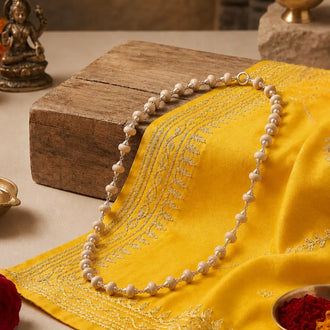
The best time for the ceremony is the morning of 28 August. Start your day by 5:00 AM with a ritual bath using clean water. Prepare the puja thali with vermilion, rice grains, sweets, and a small ghee lamp. You should aim to tie the rakhi between 05:57 AM and 09:48 AM. This window is free from both Bhadra and the upcoming eclipse sutak. Use an original silver plated panch mukhi rakhi to ensure the best spiritual result for your brother. The sister should face west while the brother faces east during the process. This alignment is considered most auspicious for the flow of energy during the thread-tying ceremony.
How to Handle the Sutak Window
Once 4:30 PM arrives, the sutak kaal begins for the partial lunar eclipse. You must stop all religious activities at this point in the house. Do not touch idols or perform any aarti during these sensitive hours. If you have already tied the rakhi in the morning, there is no need to remove it from the wrist. The protection is already sealed and remains active. However, refrain from starting any new ceremonies or visiting local temples. Keep the food covered and place tulsi patra (holy basil leaves) in water containers and grain bins. This prevents the negative lunar energy from affecting your household supplies during the eclipse period. It is a simple but effective traditional practice followed in most Vedic homes.
Eclipse Night and Cleansing
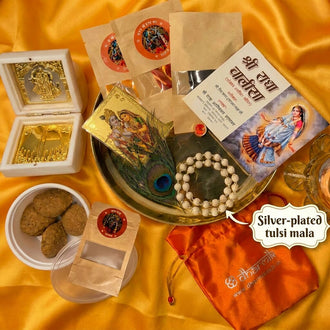
The actual partial lunar eclipse occurs between 1:30 AM and 3:00 AM on 29 August. During this time, devotees usually chant the Mahamrityunjaya mantra or the names of Lord Vishnu. Pregnant women should take extra care and stay indoors to avoid the moon's direct rays. It is a time for meditation rather than celebration or sleeping. Once the eclipse concludes, the entire family should take a bath before the next sunrise. This signifies the end of the ritual impurity period. You may choose a silver plated tulsi rakhi as a gift that offers long-term spiritual benefits after the festival ends. This choice provides daily protection long after the lunar event has passed.
Checklist for Post-Eclipse Daan
Donating after an eclipse is a core part of the Vedic tradition to earn merit and offset the "grahan dosha" or negative effects. It is believed that giving during this time is a hundred times more effective than on regular days. Use this checklist to prepare for the morning of 29 August.
- Donate white items like rice, milk, or sugar to a local brahmin on the morning of 29 August.
- Offer silver coins or jewelry to the needy to strengthen the lunar energy in your family horoscope.
- Provide new clothes to the elderly in your community as a gesture of respect and protection.
- Clean the entire puja room with Gangajal to restore the purity of the space after the eclipse ends.
- Distribute seasonal fruits to children, ensuring they are fresh and sourced after the sutak ends.
- Perform a small havan (fire ritual) if you feel the household energy needs a deeper cleansing.
- Chant the moon mantra 108 times using a gold plated rudraksha bracelet to stabilise your mind and focus.
- Light a lamp in front of the Tulsi plant once the sun rises to invite positive energy back.
Is it allowed to tie rakhi during a lunar eclipse and its sutak period?
The short answer is no. According to Vedic astrology and traditional panchang rules, one should never perform the Raksha Bandhan ceremony during the sutak kaal or the eclipse itself. The sutak period for a lunar eclipse begins nine hours before the actual celestial event starts. On 28 August 2026, the sutak begins at 4:30 PM. Any rakhi tied after this time is considered inauspicious because the environment is ritually impure. The thread represents a sacred bond of protection, and that energy cannot be invoked when the grahan shadow is active. If you missed the morning muhurat, you must wait until the eclipse ends and you have taken a ritual bath the next morning. However, it is always better to finish the ceremony in the early morning window between 05:57 AM and 09:48 AM. This ensures your brother receives the full blessings of the Purnima tithi. If you are pregnant or have health concerns, please consult your family priest or a doctor for specific health-related advice regarding fasting or staying awake during the eclipse hours. The rules for the sick and elderly are often more flexible than for healthy adults.

Common Mistakes During the 2026 Festival
- Waiting until evening to celebrate: Many families wait for a big dinner, but the 4:30 PM sutak on 28 August makes evening ceremonies impossible.
- Ignoring the Bhadra period: Luckily, Bhadra ends before sunrise on 28 August, but some devotees might still check old or incorrect local calendars.
- Removing the rakhi during the eclipse: Once tied in the morning, the rakhi stays on; you do not need to take it off during sutak or the eclipse.
- Eating cooked food during sutak: Only children, the elderly, and the sick are traditionally exempted from the fasting rules during these nine hours.
- Touching the puja idols: You should not touch your home deities or perform aarti until the post-eclipse bath is completed on 29 August.
FAQ
Is there a chandra grahan on 28 August 2026?
There is a partial lunar eclipse occurring on the night of 28 August 2026, extending into the early hours of 29 August. This event coincides with the Shravana Purnima, which is the day Hindus celebrate Raksha Bandhan across the country and in the diaspora.
What is the sutak kaal timing for this eclipse?
The sutak kaal timing for the partial lunar eclipse begins at 4:30 PM on 28 August 2026. This period starts exactly nine hours before the actual eclipse and lasts until the celestial event concludes around 3:00 AM the next morning.
Can we tie rakhi during the sutak period?
No, you cannot tie rakhi during the sutak period because it is a time of ritual impurity. You must complete all thread-tying ceremonies before 4:30 PM on 28 August, preferably during the morning shubh muhurat to ensure divine protection for your brother.
Can I tie rakhi on 28 August 2026?
Yes, you can tie rakhi on 28 August 2026, but only during the early morning hours. The ideal window is between 05:57 AM and 09:48 AM, which avoids the eclipse shadow and the earlier influence of the Bhadra period.
Do I need to fast during the lunar eclipse rakhi?
Fasting is traditionally recommended during the sutak and eclipse hours for healthy adults according to the Shastras. Since the sutak begins at 4:30 PM, many devotees avoid eating heavy meals from that time until the eclipse ends and they have bathed.
Conclusion
Navigating the Chandra Grahan Raksha Bandhan 2026 requires a mix of early planning and traditional discipline. By finishing your ceremonies before the 4:30 PM sutak, you ensure the spiritual potency of the bond remains intact. Remember to focus on the morning muhurat for the best results and avoid any auspicious work after the shadow begins. After the eclipse, follow the cleansing rituals and donation practices to bring peace to your home. You can read more about the Raksha Bandhan date and muhurat timings to understand how Bhadra usually affects the festival dates. Stay mindful of the lunar cycles this year to keep your family protected. The Chandra Grahan Raksha Bandhan 2026 is a time for both celebration and deep spiritual reflection.