Handmade Rakhi Ideas 2026: Best DIY Designs and Steps
 Handmade Rakhi Ideas by Dharmik life">
Handmade Rakhi Ideas for a Blessed 2026 Celebration
On 28 August 2026, sisters across the world will celebrate the bond of protection with their brothers during Shravana Shukla Purnima. Creating a handmade rakhi adds a layer of personal devotion that store-bought plastic versions cannot match. This guide will show you how to use sacred materials like moli and silk to craft a meaningful thread. In Vrindavan, devotees often prepare these threads weeks in advance for the deities. By following these steps, you will be able to create auspicious designs that honour our tradition and the environment.
Quick Takeaways
- Use moli or kalava as a base to ensure the thread remains spiritually pure and auspicious.
- Incorporate natural seeds like rudraksha or tulsi to provide lasting spiritual protection for your brother.
- Avoid synthetic glues and animal products to keep the handmade thread entirely sattvic and clean.
- Prepare the thread during the morning muhurat between 05:57 AM and 09:48 AM for maximum merit.
| Step Number | Action to Take |
|---|---|
| 1 | Select your base thread like red moli or yellow resham silk. |
| 2 | Cleanse your hands and the workspace to maintain ritual purity. |
| 3 | Measure the thread to twelve inches to allow for easy tying. |
| 4 | Braid or twist multiple strands together to increase the thread strength. |
| 5 | Secure a central bead or rudraksha using a double simple knot. |
| 6 | Apply a small amount of chandan or kumkum to the finished centre. |
| 7 | Place the completed thread on a puja thali before the ceremony. |
Why This Matters
The act of tying a thread for protection is a practice that defines the sibling relationship in Hindu culture. This tradition finds its roots in the Bhavishya Purana, Uttara Parva where Sachi, the wife of Indra, tied a protective thread around his wrist. When we make a thread at home, we are following a path of mindfulness and care. Using materials like moli or kalava connects us to the soil of Braj and the ghats of Kashi. Many families in Vrindavan believe that a thread prepared with one's own hands carries the vibrations of the prayers chanted during the making. You can find more about the different styles and their significance in our rakhi types designs guide for 2026. Choosing natural fibres over plastic is not just about aesthetics. It is about maintaining the sanctity of the ritual. A handmade thread made from silk or cotton is biodegradable and respectful to the Pancha Bhoota (five elements). This ensures that when the festival ends, the thread returns to nature without causing harm to the earth or the water during visarjan.
The Main Guide
The Classic Moli and Akshat Design
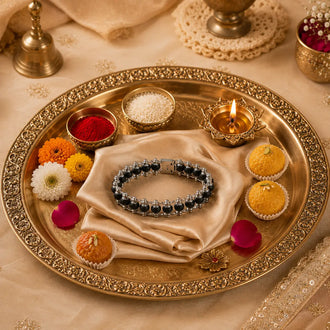
Moli is the red and yellow cotton thread used in every Hindu ritual for its auspicious nature. To begin, cut three lengths of moli, each measuring fifteen inches. Hold them together and tie a knot at one end. Braid these three strands tightly until you reach the middle point. Take a single grain of akshat (unbroken rice) and stick it to a small bit of cotton wool using a paste of sandalwood. Place this in the centre and continue braiding until the end. This design is simple, traditional, and very durable for brothers who work with their hands.
The Sacred Rudraksha Link
A rakhi featuring a seed from the tears of Shiva offers more than just a decoration. Use a strong resham silk thread for this design to support the weight of the bead. Slide a single panch mukhi rudraksha bead into the centre of the thread. Tie a knot on both sides of the bead to prevent it from sliding. This design serves as a protective amulet that the brother can wear long after the festival concludes. It is a popular choice for those looking for spiritual depth in their diy rakhi ideas 2026.
Silk Resham with Tulsi Beads
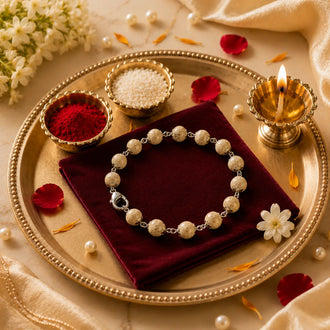
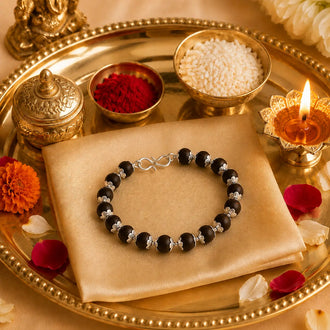
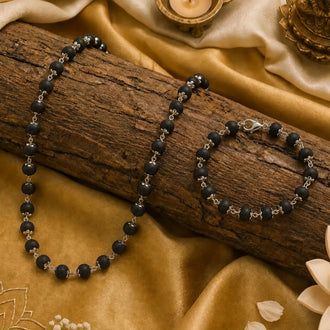
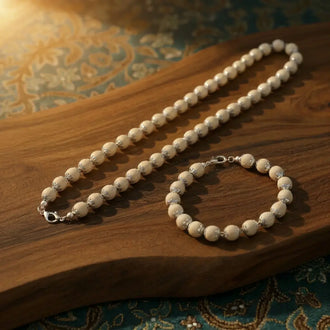
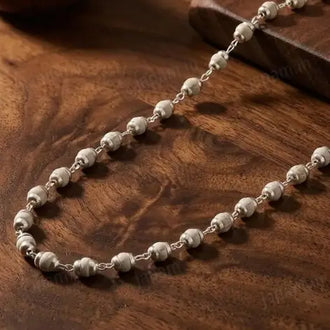
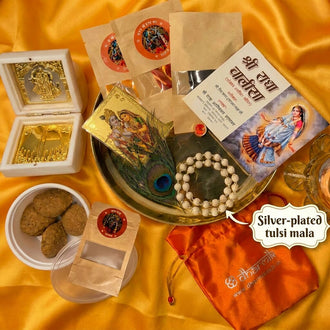
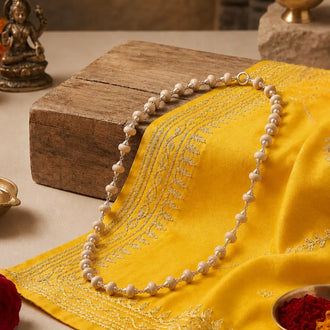
Tulsi beads are known for their purifying properties and their connection to Lord Vishnu. For this design, use a yellow or white silk thread to contrast with the dark wood of the beads. Thread seven small beads in a row in the centre of the silk cord. You can use a silver plated tulsi rakhi as inspiration for the layout. Ensure the thread is soft resham so it does not irritate the skin. This design is lightweight and carries a gentle fragrance that reminds the wearer of their devotion.
Easy Rakhi Making for Kids with Wool
Children can participate in the festival by using thick colourful wool which is easier to handle. Help them create three-strand braids using bright colours like saffron, green, and white. Instead of plastic ornaments, teach them to use dried flower petals or small wooden buttons. They can fix these central pieces using a simple needle and thread under adult supervision. This method teaches the next generation the value of creating something for their loved ones rather than buying from a shop.

Benefits of a Handmade Rakhi
- Natural cotton and silk threads allow the skin to breathe and prevent the rashes often caused by cheap plastic cords.
- Creating your own designs ensures that no animal products or harmful synthetic dyes touch your brother's skin during the ceremony.
- Using seeds like rudraksha or tulsi turns a simple thread into a tool for spiritual grounding and daily protection.
- Homemade threads can be customized to the exact wrist size of the brother, ensuring a comfortable fit for several days.
- The process of making the thread serves as a meditative practice that helps the sister focus her prayers for her brother's long life.

What materials should never be used in a handmade rakhi?
When you are planning your DIY rakhi, handmade rakhi ideas, or exploring rakhi making ideas, it is vital to keep the purity of the materials in mind. Never use leather or any material derived from animal skin or bone, as these are considered highly inauspicious for the festival of Raksha Bandhan. Many commercial glues are made from animal by-products, so it is safer to use natural starch-based pastes or simple stitching. Whether you want to make a beautiful rakhi, a homemade rakhi, clay rakhi, candy rakhi, pom-pom rakhi, or another unique rakhi, avoid using black thread, as this colour is generally avoided during festive celebrations like Shravana Purnima. Plastic beads should also be avoided because they are not biodegradable and lack any spiritual vibration, making an eco-friendly rakhi a much better choice. Sharp metallic pieces can cause injury to the brother if the thread is worn during sleep or exercise. Always choose cotton, silk, or wool to ensure the beautiful rakhi remains sattvic. Adding a personal touch with natural materials also gives your creation a rustic charm. If you find yourself unsure about a specific material, it is best to consult a local priest. Using pure materials ensures that the bond you are celebrating remains clean and spiritually vibrant. This honesty in material choice is what separates a true devotee's work from a commercial product.
Common Mistakes
- Using standard office glue that may contain chemicals or animal-derived ingredients for fixing beads.
- Tying the knots so tightly that the natural silk or cotton fibres snap when the brother flexes his wrist.
- Starting the craft or the tying ceremony during the Bhadra period, which is considered an inauspicious time for rakhi.
- Using a thread that is too short, leaving no room for the three traditional knots required during the ritual.
- Choosing synthetic polyester threads that can cause skin irritation in the humid Shravan weather of August.
FAQ
Ghar par rakhi kaise banaye for beginners?
Ghar par rakhi kaise banaye for beginners starts with taking two strands of red moli and one strand of yellow resham. Braid them together for twelve inches and tie a single tulsi bead in the middle to create a simple, sacred thread.
What are the best diy rakhi ideas 2026 for school?
The best diy rakhi ideas 2026 for school include using colourful wool and cardboard circles decorated with rice grains. Children can paint the rice with turmeric to create a natural yellow colour for a beautiful and eco friendly centrepiece.
How to start easy rakhi making for kids at home?
To start easy rakhi making for kids at home, provide them with thick cotton yarn and large wooden beads. These materials are easier for young children to thread and knot while they learn the spiritual meaning of the Shravan Purnima festival.
Are homemade rakhi designs better than store bought ones?
Homemade rakhi designs are better because they allow you to control the purity of the materials used in the craft. You can ensure that only natural silk, cotton, and sacred seeds like rudraksha are used without any harmful plastic components.
Which tithi is best for making a handmade rakhi?
The best tithi for making a handmade rakhi is the Shravana Shukla Purnima which begins on 27 August 2026. Ensure you complete the making of the thread before the morning puja muhurat on Friday, 28 August, to prepare for the ceremony.
Conclusion
Celebrating Raksha Bandhan with a thread you have made yourself brings a sense of peace and satisfaction to the festival. Using traditional materials like moli, resham, and rudraksha beads ensures your gift is both beautiful and spiritually potent. These handmade rakhi designs help maintain our culture while protecting the environment from plastic waste. Remember to follow the correct muhurat of 05:57 AM to 09:48 AM for the best results on 28 August 2026. For guidance on what to do after the festival, read our post on old broken rakhi visarjan rules to stay respectful.