Raksha Bandhan Puja Vidhi 2026: Steps, Timings and Rituals

Raksha Bandhan Puja Vidhi at Home: Step by Step Rakhi Ceremony
The early morning sun on Shravana Purnima brings a unique stillness to a devotee home. Sisters wake before dawn to bathe and prepare for a day that celebrates the eternal bond of protection. Understanding the Raksha Bandhan puja vidhi ensures that the thread you tie carries the full strength of Vedic tradition. This guide will help you perform every step with devotion and scriptural accuracy at home.
Quick Takeaways
- The main ceremony should occur during the morning or afternoon muhurat to ensure prosperity.
- Face the correct directions with the brother facing East to invite solar energies and health.
- Prepare a traditional thali with roli, akshat, a diya, and the sacred raksha sutra thread.
- Chant the specific protection mantra from the Puranas while tying the knot on the wrist.
| Step | Action |
|---|---|
| 1 | Bathe early and wear clean clothes before the tithi begins. |
| 2 | Arrange the aarti thali with all necessary ritual ingredients. |
| 3 | Apply a tilak of roli and unbroken akshat to the brother. |
| 4 | Tie the rakhi on the right wrist while reciting the mantra. |
| 5 | Perform a circular aarti with a lit diya to remove nazar. |
| 6 | Offer mithai to the brother and receive a symbolic gift. |
Why This Matters
This ritual is not just a family gathering but a spiritual invocation of safety and longevity. The act of tying a thread is a symbol of the sister's prayer reaching the heavens to shield her brother from harm. This practice finds its roots in our ancient texts where queens and deities used the thread to seek protection during times of war or moral crisis. In the Bhavishya Purana, Uttara Parva, we find the description of how Indrani tied a sacred thread around the wrist of Lord Indra. This act empowered him to regain his kingdom from the demons, showing that the power of a dedicated prayer is immense.
Vrindavan traditions emphasise that the thread should first be offered to Thakurji or Banke Bihari before being placed on a human wrist. This connects the earthly bond of siblings to the divine protection of Shri Krishna. Following the correct timings is vital because performing rituals during Bhadra kaal is traditionally avoided to prevent negative outcomes. By adhering to the Shravana Shukla Purnima timings, you align your family with the natural lunar cycles that govern Vedic life. You can check the specific timings in our guide on raksha bandhan date muhurat bhadra to ensure your ceremony happens during the most auspicious window on 28 August 2026. This alignment turns a simple string into a powerful raksha sutra.

The Main Guide to Raksha Bandhan Puja Vidhi
Preparation of the Sacred Thali
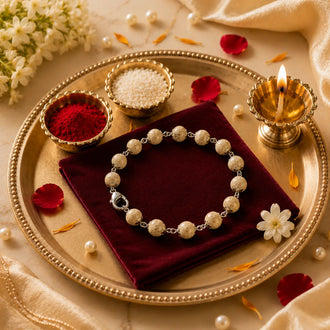
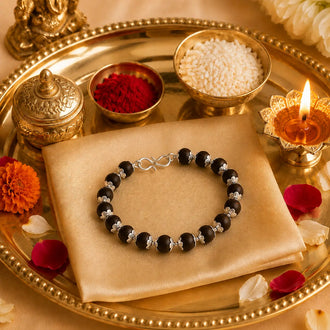
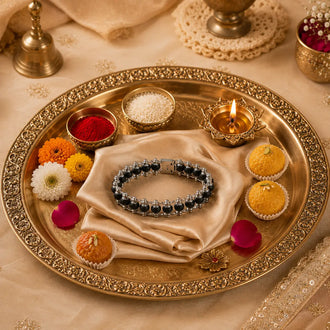
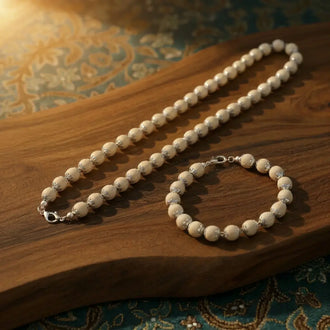
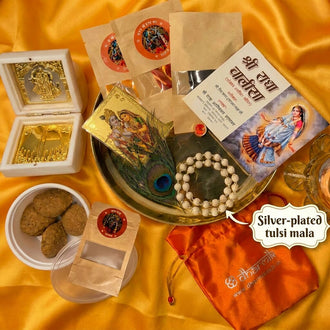
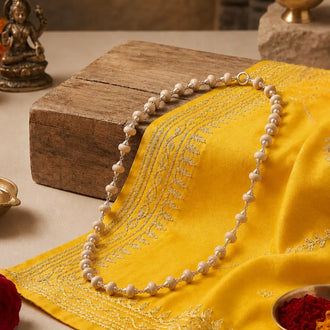
Start by cleaning a metal plate, preferably made of brass or silver, to serve as your aarti thali rakhi base. Place a small bowl of roli (vermilion) mixed with a few drops of Ganga Jal or plain water. Beside it, keep a heap of akshat, which refers to whole, unbroken grains of white rice. The presence of unbroken rice symbolises abundance and the prayer that the brother's life remains complete and without cracks. Place a small ghee diya in the centre and keep a few pieces of mithai (sweets) ready. For a detailed list of every required item, refer to our rakhi thali items list. You may choose a silver plated tulsi rakhi for added spiritual merit and protection throughout the year.
Applying the Tilak and Akshat
Before tying the thread, the sister must sanctify the brother's forehead. Ask him to sit on a wooden chowki or a clean mat. Apply the roli tilak using the ring finger of your right hand, moving from the space between the eyebrows upwards. This spot is the site of the ajna chakra, the seat of intuition and wisdom. Press a few grains of akshat onto the wet tilak. This act is a blessing for the brother to have a sharp mind and a focused path in life. Ensure that the rice used is not broken, as fragmented grains are never offered in Vedic pujan.
Tying the Raksha Sutra
The core of the rakhi ceremony steps involves tying the thread on the brother's right wrist. The right side of the body is associated with the solar channel and represents the active, protective force. As you tie the three knots, recite the mantra: Yena baddho Bali raja danavendro mahabalah, tena tvam api badhnami rakshama machala machala. This translates to a reminder of how King Bali was bound by the protective thread. The three knots represent the Trimurti or the three gunas (sattva, rajas, and tamas) being brought into balance. Using an original silver plated rudraksha rakhi adds the blessing of Mahadev to this protection.
Aarti and Offering Sweets
Light the ghee diya and move the thali in a clockwise circular motion in front of the brother. This aarti is meant to shield him from the evil eye and negative energies from the environment. Once the aarti is complete, take a piece of mithai and feed it to him. He then does the same for you. This sweetness signifies the desire for pleasant speech and harmonious relations between siblings. Finally, the brother offers a gift or a token of appreciation, which is a symbolic vow that he will stand by his sister in every circumstance of life.
Checklist for a Successful Ceremony
- Wake up during the Brahma Muhurat to begin your personal preparations and bathing.
- Ensure the brother is wearing a head covering, such as a handkerchief or a traditional topi.
- Confirm that the rakhi is tied on the right wrist, never on the left.
- Verify that the Bhadra kaal has ended before you begin the tilak application.
- Check that the akshat grains are completely whole and have no black spots or breaks.
- Keep a small kalash of water nearby to sprinkle around the seating area for purification.
- Prepare the sweets fresh or buy them from a reputable source to ensure purity.
- Arrange for a wooden chowki for the brother to sit on, keeping him off the bare floor.

Which direction should the brother face while the rakhi is tied?
During the ceremony when raksha bandhan is celebrated, the brother should always face the East direction. Facing East is significant because it is the direction of the rising sun, Surya Dev, which represents vitality, new beginnings, and the light of knowledge. When he faces East, the sister naturally faces West. This orientation ensures that the prayers and the energy of the ritual are aligned with the natural flow of the universe. Some regional traditions in North India also allow facing North, which is the direction of the Himalayas and Lord Kubera, the treasurer of the gods. However, East remains the most recommended direction for health and spiritual growth. It is important to avoid facing South during any auspicious puja, as South is the direction of Yamraj and is generally reserved for ancestral rites. If you are unsure about the directions in your home, use a simple compass or a mobile app to verify before the brother sits down. This small detail respects the vastu of the ritual and ensures the brother receives the maximum benefit of the sister's blessings for the brother’s well-being when you tie the rakhi.
Common Mistakes
-
Wrong Timing: Tying the rakhi during Bhadra kaal, which is believed to bring ill fortune according to the scriptures.
-
Wrong Placement: Using the left wrist for the thread instead of the right brother’s wrist, as the left is the side of the body used for non-sacred tasks.
-
Uncovered Head: Leaving the brother's head uncovered during the aarti, as a covered head preserves the energy of the tilak.
-
Flawed Ingredients: Using broken rice grains for the tilak, which is considered disrespectful in any Vedic puja vidhi.
-
Improper Disposal: Throwing away the rakhi immediately after the festival, rather than letting it fall off naturally or immersing it respectfully.
FAQ
How do I prepare the thali for the rakhi ceremony steps and puja preparations?
The first clause of each answer restates the question. You prepare the thali for the rakhi ceremony steps and puja preparations by placing roli, akshat, a lit ghee diya, and sweets on a clean metal plate. Ensure the rakhi is placed on the thali before beginning the tilak.
What is the correct rakhi bandhne ka tarika for a sister learning how to do it?
The correct rakhi bandhne ka tarika for a sister learning how to do it serves as a simple step-by-step guide: it involves tying three knots on the brother's right wrist while he faces East. You must apply a tilak and akshat before tying the thread and then perform the aarti with a diya.
When should I perform the raksha bandhan ritual at home on 28 August 2026?
You should perform the raksha bandhan ritual at home on 28 August 2026 between 05:57 AM and 09:48 AM. This morning window is the most auspicious time after the Bhadra period has ended and the Purnima tithi is active.
Can I use any plate for the aarti thali rakhi decoration?
You can use any clean plate for the aarti thali rakhi decoration, but brass, copper, or silver are preferred for their sattvic properties. Avoid using plastic or broken ceramic plates as they do not hold the same spiritual purity for rituals.
Is there a specific mantra for the Raksha Bandhan puja vidhi?
There is a specific mantra for the Raksha Bandhan puja vidhi which starts with Yena baddho Bali raja. Reciting this verse while tying the knots invokes the ancient protection given to King Bali and sanctifies the physical thread with Vedic sound.
Conclusion
Performing the ritual with awareness brings a sense of peace to the entire household. By following the Raksha Bandhan puja vidhi correctly on 28 August 2026, you uphold a tradition that has protected families for thousands of years. Remember to keep the brother's face toward the East and ensure every ingredient in your thali is pure and unbroken. For more details on preparing your ritual space, read our post on the rakhi thali items list. This dedicated approach ensures your celebration is both beautiful and spiritually grounded.