Raksha Bandhan Vrindavan 2026: Braj Temple Traditions

Raksha Bandhan Vrindavan and Braj Traditions
The gates of the Banke Bihari temple open at 7:45 AM on Shravan Purnima to a sea of colourful threads. On this day, 28 August 2026, thousands of devotees will gather to offer the first rakhi to the Lord. Observing Raksha Bandhan Vrindavan traditions connects a soul to the eternal protection of Krishna. This guide helps you understand how the temples of Braj celebrate and how you can bring these customs home. You will learn the exact vidhi (procedure) for your home deity and temple timings.
Quick Takeaways
- The festival marks the conclusion of the 13-day Jhulan Yatra festival in Braj temples.
- Devotees offer the first rakhi to Banke Bihari and Radha Vallabh before family rituals.
- Shravana Shukla Purnima begins on 27 August and concludes on 28 August 2026.
- Rituals performed at home should align with the specific thread pooja muhurat in the morning.
On 28 August 2026, the Shravana Shukla Purnima tithi concludes with the morning muhurat for thread pooja. The Bhadra period ends before sunrise on Friday. Devotees should perform the Raksha Bandhan rituals between 05:57 AM and 09:48 AM for maximum spiritual benefit. This window serves both temple visits and home sewa (service) across the Braj region.
Why This Matters
The bond between a devotee and Krishna is the ultimate form of raksha (protection). In the sacred landscape of Vrindavan, the festival of Raksha Bandhan is not just a family event. It is a day of deep sewa where the Lord is recognised as the primary protector of every household. The Garga Samhita (Braj leela) describes how the gopis of Braj tied protective threads to Krishna. They sought his safety as he went into the forests to graze the cows. This ancient sentiment remains alive in every narrow lane of Mathura and Vrindavan today.
This day also signifies the end of the swing festival. For the previous thirteen days, the deities have enjoyed the Jhulan (swing) in specially decorated rooms. On Shravan Purnima, the swings are put away until the following year. This transition marks the arrival of the monsoon's peak and prepares the heart for Janmashtami. You can read more about the upcoming celebrations in our guide on Janmashtami Vrindavan Mathura temples. Connecting with these cycles of sewa helps a devotee live in harmony with the moods of Braj. The protection offered by Thakurji is not against physical harm alone. It is a shield against the forgetfulness of our spiritual nature.

The Main Guide to Raksha Bandhan Vrindavan
Shri Banke Bihari Shravan Purnima Sewa
At the banke bihari temple, the day starts with a special Shringar for lord krishna. Arriving from the agra airport in the uttar pradesh state (often searching how to reach vrindavan), devotees of krishna bring thousands of rakhis made of silk, pearls, and holy basil to this sacred place. Handed to the Goswamis, these touch the child Lord's lotus feet, transforming a simple thread into mahaprasad. When you tie this blessed thread later, you carry His protection with you. The crowd at the banke bihari mandir is densest during the morning Rajbhog darshan around midday.
The Tradition at Dwarkadhish Temple Mathura
In the mathura district of the braj bhoomi region, the Dwarkadhish temple observes thakurji rakhi with grandeur, honoring where lord krishna spent his youth. Like prem mandir and many temples, the deity is seated on a magnificent swing. Devotees offer pure vegetarian sweets like rabri or ghewar alongside special handmade rakhis. The atmosphere is filled with Samaj Gayan detailing the sibling bond. It is a unique sight to see Him holding a tiny silver flute adorned with silk threads. You might use a silver-plated bansuri to mirror this tradition in your shrine.
Concluding the Jhulan Yatra
The Shravan Purnima evening is the last chance to see Phool Bangla decorations. In the 17th century radha raman temple and others among the 5,500 temples in the city of widows, fragrance fills the air. Guided by gaudiya vaishnavism taught by chaitanya mahaprabhu, these sites honor lord krishna and radha. Near the yamuna river by keshi ghat, where He spent most of His time, radha and krishna swings are decorated with lush vines. Priests perform a special aarti. After the final darshan, dismantling swings teaches about passing seasons. Pilgrims take home braj raj to maintain their connection.
Checklist for Shravan Purnima Daan
Giving in charity on this day brings peace and spiritual merit. Devotees in Vrindavan follow a specific pattern of donation to honour the Purnima (full moon). Follow this checklist for your 28 August 2026 observances:
- White grains: Donate raw rice or sugar to the local temple kitchen to please the moon deity.
- Clothes for priests: Offer yellow dhotis or angavastrams (shoulder cloths) to Brahmin priests in Mathura.
- Ghewar and sweets: Distribute seasonal sweets to the children residing in Braj ashrams.
- Feed the cows: Provide fresh green fodder (chara) to the cows at a local gaushala (cow shelter).
- Water service: Arrange for cool drinking water or buttermilk for pilgrims walking the Parikrama path.
- Chandan offering: Provide chandan blessed from vrindavan to the temple for the Lord's daily tilak.
- Light a lamp: Ensure a ghee diya burns near a Peepal tree or at the temple entrance during the evening.

Do devotees tie a rakhi to Thakurji at home, and how is it done?
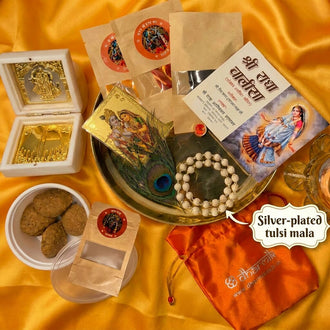
Yes, tying a rakhi at home is a cherished practice for devotees of krishna worldwide, acknowledging lord krishna as the supreme family protector. On the full moon day of shravana, first, bathe your child deity or radha and krishna as if at the yamuna river near keshi ghat in the braj bhoomi region. Apply a fresh tilak. Place the small sacred thread on His wrist and offer a pure vegetarian sweet like rabri. Families often do this before their human brothers, honoring the gaudiya vaishnavism traditions introduced by chaitanya mahaprabhu in the uttar pradesh state. Once offered to lord krishna and radha, it becomes His permanent ornament. Instead of worrying how to reach vrindavan via the agra airport, or touring the city of widows with its 5,500 temples (including prem mandir, the 17th century radha raman temple, or banke bihari mandir also known as the banke bihari temple) where He spent most of his youth, this simple act transforms your home into a sacred place on this full moon day. Consult a priest for local timings.
Common Mistakes to Avoid
- Ignoring the Bhadra Kaal: Never tie during this inauspicious period, respecting the mathura district where lord krishna spent time.
- Wrong hand placement: Always use the right hand, mirroring the standard in many temples when tying the sacred thread.
- Using broken rice: Ensure the Akshat consists of whole grains.
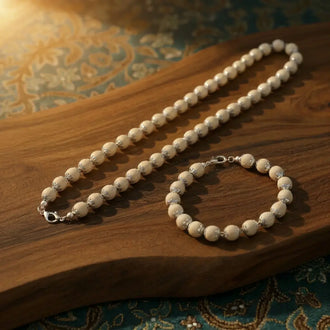
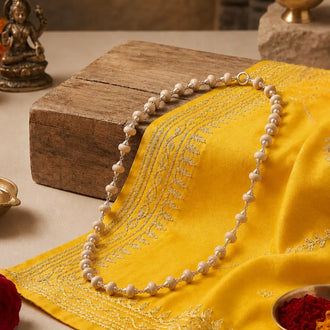
- Plastic materials: Avoid cheap plastics; holy basil (Tulsi) beads, silk, and metal are preferred.
- Missing the evening aarti: Do not skip prayers during the strong moonrise energy.
FAQ
When is the best time to visit Vrindavan for Raksha Bandhan?
The best time to visit is two days before the festival to witness the final Jhulan Yatra celebrations. You should arrive at the temples by 7:30 AM on 28 August 2026. This allows you to participate in the morning thread offerings and avoid the heaviest evening crowds.
Can I send a rakhi to the Banke Bihari temple?
Devotees often send rakhis by post to the temple address in Vrindavan weeks in advance. The priests collect these and offer them collectively at the feet of Thakurji on Shravan Purnima. Ensure your parcel reaches at least three days before the festival date.
What is the significance of the Jhulan festival ending today?
The Jhulan festival ending on Raksha Bandhan signifies the transition from the rainy season's playfulness to the serious preparations for Krishna's birth. It is the final day the Lord sits on the swing. This change reminds us to cherish every moment of sewa.
What should I offer as bhog on this day?
Offering ghewar is the most traditional choice for braj raksha bandhan traditions during the monsoon. If ghewar is unavailable, you may offer kheer (rice pudding) or any white, milk-based sweet. Always ensure the food is satvik and prepared without onion or garlic.
Is Raksha Bandhan celebrated differently in Dwarkadhish Mathura?
The celebration in Mathura includes specific Samaj Gayan songs that you might not hear in smaller Vrindavan temples. The Dwarkadhish temple follows the Pushtimarg tradition, which has its own unique Shringar rules for the Lord. The focus is heavily on the regal nature of Krishna.
Conclusion
Celebrating Raksha Bandhan Vrindavan style brings a sense of divine security to the devotee's heart. Whether you are visiting the Banke Bihari temple or serving your deity at home, the focus remains on the eternal bond with Krishna. Remember to complete your rituals during the morning muhurat on 28 August 2026. This day of threads and sweets is a beautiful bridge leading towards the joy of Janmashtami. For more inspiration on the spiritual history of this festival, read about Raksha Bandhan katha stories. May Thakurji always protect your path.