Shravana Purnima 2026: Rakhi, Gayatri Jayanti and Upakarma

Rituals and Timings for Shravan Purnima 2026
On 28 August 2026, the Full Moon Day (Shravan Purnima) falls during the month of Shravan according to the Hindu Calendar, although dates may vary slightly between the Purnimanta Calendar, Amanta Calendar, and the Gregorian Calendar. Many households observe Shravan Purnima by offering libations to ancestors, travel to Hindu pilgrimage places, offering holy water near sacred rivers, and seeking the blessings of Lord Shiva, the Blue-Throated One, and Lord Varuna. This sacred day also marks the observance of Raksha Bandhan, the renewal of the Sacred Thread, and an important period for spiritual practices, mantra chanting, and chanting and meditation. You will learn the exact timings and procedures to observe these major spiritual events with devotion.
Quick Takeaways
- Observe the main rituals on 28 August 2026 as the Bhadra period ends before sunrise according to the Hindu Calendar.
- Perform the Sacred Thread change ceremony between 05:57 AM and 09:48 AM for maximum merit.
- Chant the Gayatri Mantra 108 times, along with the Rudra Gayatri Mantra or Mahamrityunjaya Mantra, to seek His blessings, especially during Shravan Purnima.
- Ensure the Raksha Bandhan ceremony happens during the Aparahna time or after the morning thread puja on this Full Moon day
| Event | Date | Tithi | Muhurat | Significance |
|---|---|---|---|---|
| Upakarma Rituals | 27 August 2026 | Shravana Purnima | 05:57 AM to 09:48 AM | Renewal of the sacred thread (Janeu) |
| Gayatri Jayanti | 28 August 2026 | Shravana Purnima | Full Day | Appearance day of Goddess Gayatri |
| Raksha Bandhan | 28 August 2026 | Shravana Purnima | 05:57 AM to 09:48 AM | Sibling protection and familial bonds |
| Tithi Start | 27 August 2026 | Shukla Purnima | 09:08 AM | Beginning of the lunar full moon phase |

The Spiritual Significance of Shravan Purnima 2026
The full moon of Shravan acts as a spiritual bridge between the ascetic practices of the monsoon and the householder duties of the coming autumn. This day is primarily dedicated to the purification of the mind and body through the power of Vedic sounds. We call this shravani purnima significance because it relates to the Shravana nakshatra, which is governed by Lord Vishnu and symbolises the act of listening to divine truth. Rig Veda (Mandala 3.62.10), the source of the Gayatri Mantra, invokes the divine radiance of Savitṛ and prays for the illumination of the intellect, inspiring seekers to cultivate wisdom and spiritual clarity. In the Vedic tradition, this is the time when scholars and students began their formal study of the scriptures after the four months of the rainy season. In places like Kashi and Vrindavan, the Ghats are crowded with devotees taking a holy dip to wash away past transgressions before starting their new academic or spiritual year. You can find more details about the specific lunar transitions and their impact on celebrations in our guide on Raksha Bandhan date and timings. This day ensures that the old energy is discarded, making room for the fresh resolve required to follow the path of Dharma.

The Main Guide to Rituals and Observances
Performing Upakarma and Changing the Janeu
The Upakarma 2026 date falls on Friday, 28 August, during Shravan Purnima, the Full Moon Day of the month of Shravan according to the Hindu Calendar, when Brahmin and scholar communities perform Avani Avittam. This sacred ritual involves five distinct stages: purification, atonement, ancestor worship, worship of Rishis, and the wearing of the new Sacred Thread. You should begin by taking a bath in sacred rivers or a clean water source while reciting the Aghamarshana Suktam. Mix Panchagavya (five products of the cow) to purify the internal system and offer holy water with mantra chanting as part of your spiritual practices. The janeu change date is vital for maintaining the spiritual potency of the yajnopavita. As you remove the old thread, recite the mantra acknowledging that it has protected you for a year. The new thread must be sanctified with the Gayatri Mantra before being worn over the left shoulder. Many devotees also chant the Mahamrityunjaya Mantra or Rudra Gayatri Mantra to seek His blessings from Lord Shiva. This act signifies a second birth into the world of knowledge, self-restraint, and chanting and meditation.
Honouring Mother Gayatri on Gayatri Jayanti
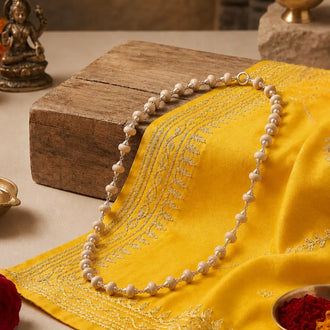
While many associate this day only with Rakhi, gayatri jayanti 2026 is equally important for those who follow the path of mantra sadhana. Goddess Gayatri is the personification of the Veda Mata, and her appearance on this Purnima reminds us of the power of the intellect. You should set up an altar with a yellow cloth and place an image or idol of the Goddess. Offer yellow flowers, sandalwood paste, and incense. Chanting the mantra at three junctions of the day (Sandhyavandanam) is the traditional way to mark this occasion. Many devotees also perform a small Homa (fire ritual) using Ghee and dried wood to invoke the solar energy that Gayatri represents. This practice sharpens the memory and brings clarity to your daily decisions.
The Raksha Bandhan Ceremony
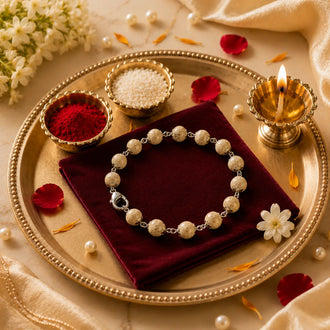
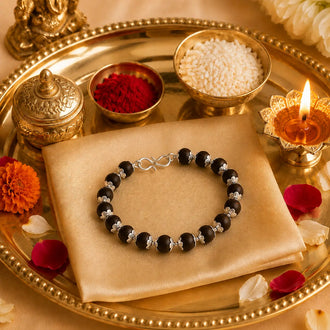
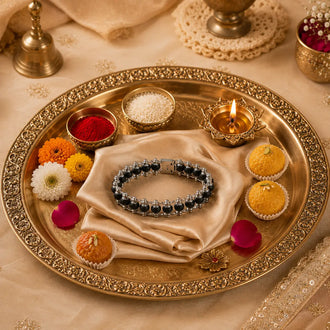
After completing the Vedic thread rituals in the morning, the focus shifts to the domestic bond of protection. On Shravan Purnima 2026, the Bhadra period, which is often considered unsuitable for auspicious work, ends before the sun rises. This allows sisters to tie the Rakhi starting from the early morning hours. A sister should apply a tilak of Kumkum and Akshata (unbroken rice) on her brother's forehead. As she ties the thread on the right wrist, she prays for his longevity. Wearing a gold pendant or other sacred symbols during this time can serve as a physical reminder of this divine protection. The brother then offers a gift and a promise to stand by his sister through all hardships.
Benefits of Celebrating the Triple Festival
Observing these rituals on the full moon day brings several spiritual and mental benefits to the devotee and their family. The combination of these three events creates a powerful atmosphere for personal growth and social harmony.
- Mental Clarity: Reciting the Gayatri mantra regularly on this day removes the fog of confusion from the mind.
- Ancestral Peace: Offering Tarpan (water oblations) during the Upakarma ritual satisfies the souls of departed forefathers for seven generations.
- Protection: The Rakhi thread acts as a shield against negative influences and strengthens the psychic bond between siblings.
- Vedic Discipline: Changing the Yajnopavita reinstates the vow of truth, cleanliness, and study that a seeker must follow.
- Social Unity: The communal gathering at rivers for thread-changing fosters a sense of brotherhood among the practicing community.
- Karmic Cleansing: The ritual bath and the use of Panchagavya help in neutralizing minor daily sins committed unknowingly.
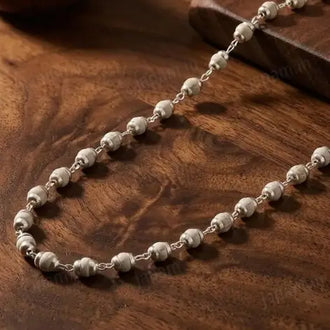
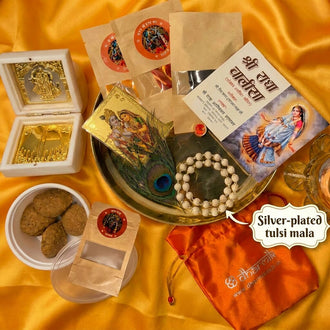
Devotees often choose to wear spiritual jewellery to maintain the high vibration of these mantras throughout the year.
Why do three different observances fall on the same day in 2026?
The convergence of Raksha Bandhan, Gayatri Jayanti, and Upakarma on 28 August 2026 happens because of the specific lunar calculation of the Shravana Shukla Purnima. In the Hindu calendar, certain festivals are tied to the Tithi (lunar day) while others are tied to the Nakshatra (constellation). When the Purnima Tithi prevails at sunrise and continues through the day, it becomes the primary day for Vedic renewals. Gayatri Jayanti is celebrated on this day as per the Matantara (differing traditions), though some observe it in the month of Jyeshtha. For the Brahmin community, the Shravana Purnima is the traditional day for Upakarma because the moon is in the Shravana nakshatra, which is the birth star of Lord Vishnu's Hayagriva avatar, the restorer of the Vedas. Raksha Bandhan naturally falls on every Shravan Purnima. In 2026, the absence of the Bhadra shadow during the daytime makes it a perfect day for all three activities to happen without conflict. This alignment is a reminder that protection (Rakhi), knowledge (Gayatri), and discipline (Upakarma) are three pillars of a balanced life. You should consult your family priest if your regional tradition follows the solar calendar for Avani Avittam.
Common Mistakes Devotees Make
- Tying the Rakhi during Bhadra: Many people ignore the Bhadra timings, but in 2026, you are safe as it ends before the morning puja.
- Using a broken Janeu: Never wear a sacred thread that has missing strands or knots that have come loose during the ceremony.
- Direction of Prayer: Always face East or North while changing the thread or performing the Gayatri Homa; facing South is for funeral rites.
- Incorrect Mantra Pronunciation: Rushing through the Gayatri mantra reduces its efficacy; ensure each syllable is clearly vibrated in the throat.
- Ignoring the Tarpan: Upakarma is incomplete without offering water to the Rishis and ancestors; do not skip this vital part of the morning.
Frequently Asked Questions
What is the date of Shravan Purnima 2026?
The date of Shravan Purnima 2026 is Friday, 28 August. The Tithi begins on the morning of 27 August at 09:08 AM and concludes on the following day, making 28 August the primary day for rituals and celebrations.
What is the significance of Gayatri Jayanti 2026?
The gayatri jayanti 2026 marks the birth of the Mother of Vedas, Goddess Gayatri. Devotees celebrate this day to seek wisdom and intellectual strength by performing special pujas and chanting the sacred twenty four syllables of the Gayatri mantra.
When is the upakarma 2026 date for South Indians?
The upakarma 2026 date for most South Indian communities, also known as Avani Avittam, is 28 August. This is the time when followers of the Yajur Veda and Rig Veda change their sacred threads and start Vedic studies.
How do I choose the janeu change date?
The janeu change date is traditionally fixed on the Shravana Purnima. If a death or birth occurs in the family, the ritual is postponed, but for most devotees, 28 August 2026 is the correct day for this annual renewal.
What is the shravani purnima significance for families?
The shravani purnima significance lies in its power to renew spiritual vows and strengthen family ties. It combines the rigorous Vedic discipline of the scholars with the emotional bond of Raksha Bandhan, ensuring a holistic celebration for all age groups.
Conclusion
Celebrating Shravan Purnima 2026 provides a unique chance to balance your spiritual growth with your family duties. By performing the Upakarma, chanting for Gayatri Jayanti, and celebrating Raksha Bandhan, you align yourself with the rhythmic cycles of the Vedas. This day is about more than just tying a thread; it is about the commitment to protect and the desire to learn. You can find more ritual guidance in our Raksha Bandhan blog. May this Shravan Purnima 2026 bring peace, wisdom, and protection to your entire household through these ancient Vedic practices.