When to Remove Rakhi: Tradition and Rules for Janmashtami 2026
 When to Remove Rakhi after Raksha Bandhan by Dharmik life">
When to Remove Rakhi after Raksha Bandhan: The Janmashtami Rule
How long do I have to keep this on my wrist? Many brothers ask this as soon as the sweets are finished. Most sisters ask exactly when to remove rakhi after the ceremony ends. On 28 August 2026, millions of families will celebrate this bond of protection across India. Taking the thread off is not a casual act. It requires a specific tithi (lunar day) to ensure the raksha sutra (protection thread) is respected. You will learn the exact dates and regional customs for your family today.
Quick Takeaways
- Wait at least eight days after until Shri Krishna Janmashtami arrives on 5 September 2026.
- Maharashtra residents often follow the fifteen-day rule until the Pola festival arrives.
- Never discard a removed rakhi in the household trash or common dustbins.
- Immerse the used thread in flowing water or bury it near a sacred Tulsi plant.
The traditional period for wearing a rakhi varies according to your local family customs. Most North Indian devotees follow the eight-day rule, removing the thread on Shri Krishna Janmashtami. In Maharashtra, families often wait fifteen days until the Pola festival. Always perform a respectful visarjan (immersion) when the thread is finally untied.
Why This Matters
The rakhi is far from a simple piece of silk or cotton. It is a consecrated raksha sutra that carries the prayers of a sister and the promise of a brother. This tradition has roots that stretch back to the stories of Lord Krishna and Draupadi. When Krishna cut his finger, Draupadi tore a piece of her sari to bind the wound. This act of care created a bond that lasted a lifetime. In the scriptures, the importance of this protection is mentioned clearly. According to the Bhavishya Purana, Uttara Parva, the tying of the thread provides protection from obstacles for an entire year. In Vrindavan, we see this bond reflected in how devotees tie threads to the pillars of temples to seek the protection of Banke Bihari.
Treating the rakhi with respect after the festival is just as important as the puja and rakhi thali itself. If you remove it too early or throw it away carelessly, you disrespect the energy of the ritual. Many families believe the thread should stay on until the next major festival arrives. This allows the protective energy to settle into the wearer's life. Understanding the spiritual weight of the thread helps you choose the right moment for its removal. You can read more about old broken rakhi visarjan rules to ensure you handle the thread with proper Vedic care. This purnima day is very important for establishing an unbreakable bond and to keep evil forces at bay by appropriately tying the sacred thread while following age-old traditions. Following these steps preserves the sanctity of the Shravana Purnima rituals for everyone involved.
 when to remove rakhi by Dharmik life">
Traditional rules for when to remove rakhi in 2026
The Eight Day Krishna Rule
In many parts of North India, the most common tradition is to wear the rakhi for eight days. This period begins on Raksha Bandhan, which falls on 28 August 2026, and ends on Janmashtami. Since Lord Krishna is considered the ultimate protector and brother, his birth anniversary is the natural time to conclude the ceremony. On 5 September 2026, you may untie the thread after performing a short prayer to Shri Krishna. This eight-day period allows the brother to carry the sister's blessings through the auspicious transition from Shravana to Bhadrapada month. Some families even place the removed rakhi at the feet of a Krishna idol during the midnight celebrations.
Maharashtra Pola and Marbot Dev
Maharashtra has a distinct and beautiful tradition regarding the removal of the raksha sutra. Here, brothers often wear the thread for fifteen days until the festival of Pola. Pola is a day dedicated to the bulls and cattle that help in the fields, falling on the new moon day of Shravana. In cities like Nagpur, the Marbot Dev processions occur around this time. The rakhi is removed and sometimes tied to the toran (garland) of the house or kept until the Pola rituals are complete. This longer period of fifteen days reflects the deep agricultural roots of the region and the extended celebration of family bonds.
Disposing of the Thread with Respect
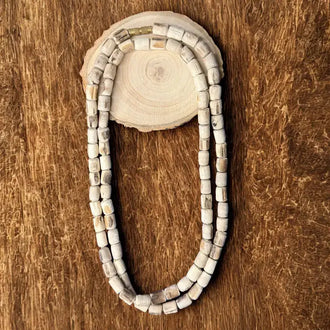
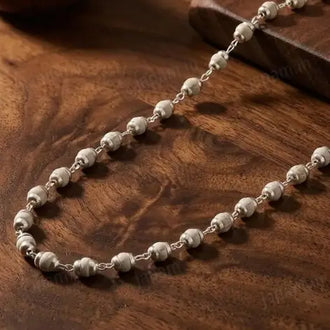
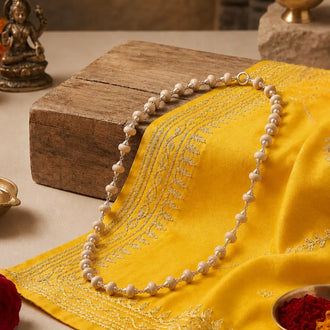
Once you decide to remove the thread, the method of disposal is vital for maintaining spiritual purity. You should never cut the rakhi with iron scissors if it can be untied by hand. If the knot is too tight, use a wooden or non-metallic tool to assist you. After removal, do not leave the rakhi on a table or in a drawer. The best practice is visarjan. This involves placing the thread in a flowing river, a lake, or a clean pond. If you live in a city without access to water bodies, bury the rakhi in a clean patch of earth or a large flower pot. Using a panch mukhi rudraksha rakhi makes this easier, as the natural beads can be kept or returned to the earth without harm.
Checklist for Janmashtami Daan
- Donate rice or wheat to a local Brahmin to mark the end of the rakhi period.
- Offer fresh yellow clothes to those in need at a nearby temple.
- Provide peacock feathers to the local Krishna temple as a symbolic gift.
- Share earthen pots of butter or sweetened curd with children in your neighbourhood.
- Clean your puja space and prepare for the janmashtami date nishita muhurat rituals.
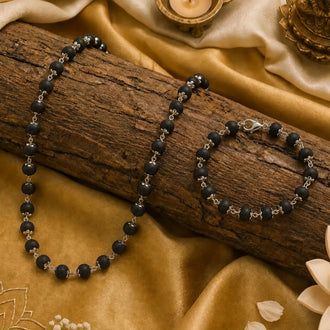
- Consider wearing a durable tulsi rakhi bracelet if you prefer protection that lasts beyond the festival week.

How many days is a rakhi supposed to stay on the wrist?
There is no single verse in the Vedas that mandates a specific number of days for wearing a rakhi. However, the tradition of eight days or fifteen days has become a standard practice through centuries of family observation. Some devotees choose to wear the thread until it falls off naturally. While this shows great devotion, it can sometimes lead to hygiene issues or the thread becoming dirty, which is not ideal for a sacred object. If the thread becomes frayed or causes skin irritation, it is perfectly acceptable to remove it earlier than Janmashtami. In such cases, you should consult a priest or a family elder if you feel anxious about the timing. Most priests recommend a minimum of twenty-four hours to ensure the sankalpa (intention) of the ritual is established. If you must remove it early due to work or health reasons, simply say a small prayer of apology to Ganesha and perform the visarjan properly. This ensures the spiritual connection remains intact regardless of the physical duration.
Common Mistakes
- Discarding the thread in a common waste bin along with household trash.
- Cutting the rakhi with rusted iron scissors which can disturb the energy.
- Removing the thread during the Rahu Kaal period on a Saturday.
- Forgetting to perform a short prayer or tilak before untying the knot.
- Wearing a torn or heavily soiled rakhi during daily prayers or meals.
FAQ
Rakhi kab utare?
rakhi kab utare is a question usually answered by regional traditions across India. It is important to know how long you should keep the rakhi according to vedic ritual. Most families wait eight days after raksha bandhan until Krishna Janmashtami before untying the thread. Others follow the Maharashtra custom of waiting fifteen days until the arrival of the Pola festival.
how many days to wear rakhi?
The answer to how many days to wear rakhi depends on your family parampara. Generally, devotees wear it for at least eight days after day of raksha bandhan. This period ensures the protective blessings of the Shravana Purnima ritual are fully integrated into the brother's daily life.
rakhi removal janmashtami rule?
The rakhi removal janmashtami rule suggests that the thread should be untied on the birthday of Lord Krishna. Since Krishna protected Draupadi, his birth signifies the ultimate fulfillment of the brother's promise. It is a very common practice in North India.
pola festival rakhi tradition?
The pola festival rakhi tradition is widely followed in Maharashtra and parts of Madhya Pradesh. Brothers wear the rakhi for fifteen days until the Shravana Amavasya. This day honours the bulls and signifies the completion of the monsoon ritual cycle for families.
what to do with old rakhi?
What to do with old rakhi is a matter of respect for the consecrated thread. Never discard these items in household waste bins or trash. Instead, perform visarjan by immersing the silk threads and beads in a flowing river or a clean lake.
Conclusion
Understanding exactly when to remove the rakhi ensures you maintain the sanctity of the Shravana Purnima rituals and have a fruitful month of shravana. Whether you follow the eighth day rule for Janmashtami or the fifteen-day Pola tradition, respect for the thread is the priority. Always aim for a proper visarjan in water or earth rather than using a trash bin. This small act of mindfulness preserves the spiritual bond between siblings. You can learn more about the upcoming janmashtami date nishita muhurat to prepare for the next step of your devotional journey.