Who Can Tie Rakhi? Rules for Sisters, Wives and Family 2026

Who Can Tie Rakhi and Vedic Rules for Modern Families
A young girl in a Delhi apartment recently asked her mother if she could tie a rakhi to her elder sister. Since they have no brothers, she felt excluded from the Shravana Purnima rituals that her classmates discussed. Many devotees wonder who can tie rakhi when family structures do not follow the standard brother and sister dynamic. This guide explains the Vedic roots of the raksha sutra (protective thread) to help you celebrate with clarity. You will learn how to adapt these traditions for sisters, cousins, and even spouses based on shastric precedents.
Quick Takeaways
- Anyone can tie a rakhi if the intent is to seek or offer protection.
- Wives tying threads to husbands has strong Vedic roots in the Puranas.
- Sisters can tie threads to each other to pledge mutual support and care.
- Priests and gurus traditionally tie threads to devotees for spiritual safety and health.
| The primary rule of Raksha Bandhan is the intent of protection or Raksha. Historically, anyone seeking or offering protection can participate in this sacred thread ceremony. While the sister-to-brother bond is most common, traditions also include priests tying threads to kings and wives tying them to husbands. |
Why This Matters
The essence of this festival is the raksha sutra, a string that carries a prayer for the long life of the wearer. This tradition is not restricted by gender or biological relation in its original form. The most famous origin story appears in the Bhavishya Purana, Uttara Parva (Indra and Sachi). In this account, Sachi, the wife of Indra, tied a protective thread around his wrist before he went into battle against demons. This sacred act helped Indra regain victory and became one of the earliest scriptural precedents for the Raksha Sutra tradition. Over centuries, the custom shifted towards the brother and sister relationship, but the core energy remains the same.
In Vrindavan, we see this expanded view of protection daily at the Banke Bihari temple. Devotees often tie threads to the pillars or offer them to Thakurji, asking for His divine guardianship. The thread is a symbol of a promise. When a sister ties it to another sister, they are promising to stand by each other through life. This inclusive approach ensures that no devotee feels left out of the blessings of Shravana Purnima. You can read more about these traditional narratives in our post on Raksha Bandhan katha stories to understand the various historical layers.
The Main Guide
Can a sister tie a rakhi to her sister?
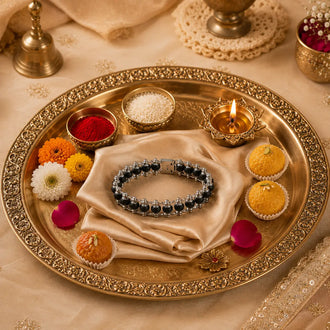
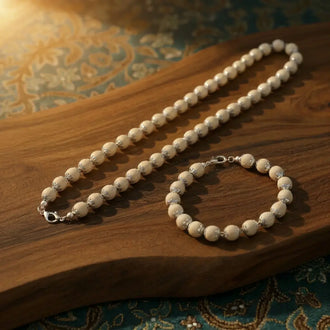
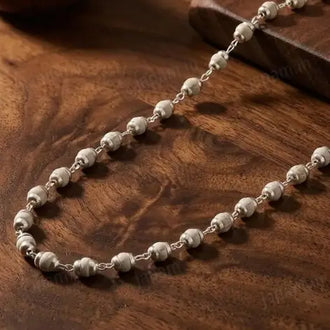
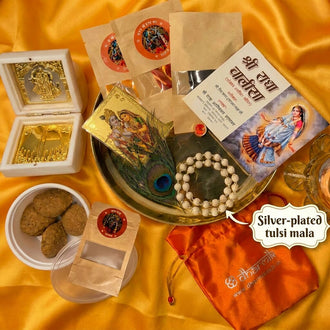
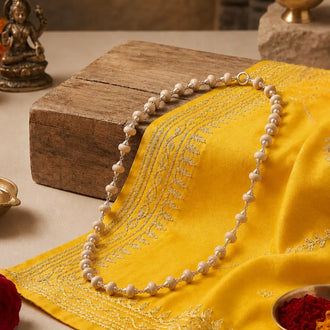
Yes, a daughter can tie rakhi, and sisters tie rakhi to each other. In many modern families with only daughters, the elder sister takes on the role of the protector. The sister ties rakhi as a protective thread to honour that guardianship and strengthen the brother-sister relationship through mutual respect and care, even among brothers and sisters in the extended family. This practice is also common in Rajasthan where the "Lumba Rakhi" tradition involves bhabhi tie rakhi to a sister-in-law. Extending this to a biological sister is a natural progression of the tradition. The ritual follows the same vidhi of applying a tilak, performing the aarti, and offering sweets. Use a silver plated tulsi rakhi for such occasions to add the purifying energy of the Tulsi plant, then keep the rakhi safely as a sacred reminder.
Rakhi for cousins and distant relatives
A tie rakhi to brother tradition for a cousin is as significant as one tied to a biological brother. Shastras do not distinguish between siblings born of the same parents and those from the extended family. In Vedic culture, cousins are considered brothers and sisters. If a cousin or close friend lives far away, you can send the thread by post, connect over a video call, or perform the ritual mentally by placing the rakhi before a photo of the deity. The bond of love is sealed by the mantra chanted during tying the rakhi, which invokes the divine protection of the Devas.
Wives tying rakhi to husbands
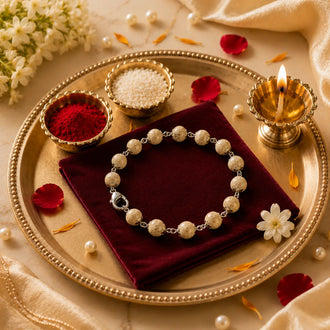
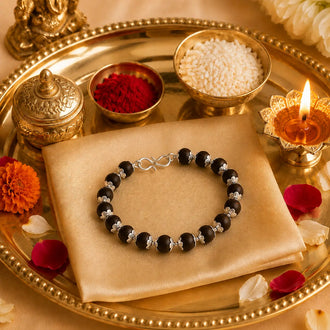
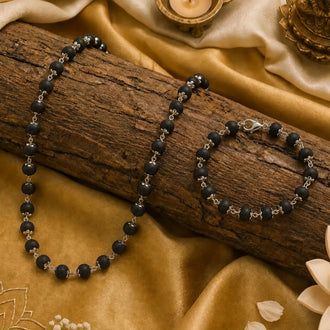
Many ask, can wife tie rakhi to her husband or can we tie rakhi in this way? Given the story of Indra and Sachi, this is actually the oldest recorded form of the ritual. While modern social norms sometimes make this feel unusual, it is scripturally valid. A wife may tie rakhi to husband for his success, health, and protection from negative energies. This is often done if the husband is travelling or starting a new venture. A rudraksha rakhi bracelet is ideal for this purpose as it serves as a permanent protective kavach and a promise of protection.
Priests and Gurus
It is common for a family priest or a guru to tie a sacred thread and raksha sutra on the brother's wrist or brother’s wrist of their disciples. This usually happens during the morning muhurat on 28 August 2026, around the time of the full moon day in the hindu month of shravana or month of shravan, leading up to the day of krishna janmashtami and even eight days after raksha bandhan in some traditions. The priest recites the "Yena Baddho Bali Raja" mantra, which refers to the protection given to King Bali. This form of the ritual is focused on spiritual protection rather than familial bonds. It reminds the devotee that they are under the watchful eye of the lineage and lord krishna, symbolising a bond of protection and promises to protect of their brothers and loved ones.

Checklist of Daan and Offerings
Performing charity on Raksha Bandhan increases the merit of the ritual. You should prepare these items for donation after the thread ceremony is complete:
- Grains: Donate at least 1.25 kg of wheat or rice to a local temple kitchen.
- Clothes: Offer a new dhoti or yellow cloth to your family priest.
- Sweets: Distribute laddoos or barfi to children in your neighbourhood.
- Dakshina: Give a small monetary offering to someone in need to balance your karma.
- Water: If you are in a dry area, providing drinking water to travellers is highly meritorious.
- Green Fodder: Feeding cows at a gaushala in Vrindavan or your city brings peace to the family.
- Seasonal Fruit: Offer mangoes or bananas to the elderly in your community.

Is there any scriptural restriction on who may tie a rakhi?
There are no specific scriptural bans that limit the raksha sutra only to brothers and sisters. The Vedic precedent focuses on the "Raksha" or the protection itself. If a person feels a sense of duty toward another, they can participate in this ritual. This is why many ask, can we tie rakhi, tie rakhi to brother, tie rakhi to husband, tie rakhi to her father, or whether a daughter can tie rakhi—scripturally, the emphasis is on the bond of protection, mutual respect and care, and the promise of protection rather than the relationship itself. Some regional customs might suggest certain restrictions, but these are social traditions rather than hard scriptural laws. For instance, in some parts of North India, people avoid tying the rakhi during the Bhadra Kaal period. This is a timing restriction, not a person-based restriction. Whether sisters tie rakhi, a sister ties rakhi, bhabhi tie rakhi, or someone ties a protective thread to a close friend, the intention remains the same. If you are ever in doubt about a specific family situation, you should consult a qualified priest or your family guru. They can provide guidance based on your specific lineage and kula-dharma. In the eyes of the divine, the purity of your intention and the sincerity of your prayer for the other person’s well-being are the most important factors. The sacred thread and the ritual together become a vessel for divine protection, inspired by lord krishna, strengthening the bond of love and encouraging people to protect their sisters and care of their brothers. The thread is merely a physical vessel for your heartfelt sankalpa, so keep the rakhi with reverence after the ritual.
Common Mistakes to Avoid
- Tying the thread during Bhadra Kaal: On 28 August 2026, ensure Bhadra has ended before you begin.
- Using the left hand: Always tie the rakhi on the right wrist, as the right side is for receiving blessings.
- Using broken threads: Never use a rakhi that has loose beads or torn threads, as it signifies interrupted energy.
- Ignoring the Tithi: The ritual must happen during the Shravana Shukla Purnima window for full effect.
- Forgetting the Mantra: Tying the thread without a prayer or mantra makes it a simple piece of jewellery instead of a sacred bond.
FAQ
What happens if a rakhi breaks?
If a rakhi breaks, it is traditionally believed that the thread has absorbed a negative energy meant for the wearer. Do not be alarmed or feel guilty. Simply immerse the broken thread in a clean water body or bury it under a Tulsi plant. You can then replace it with a new one after a short prayer.
Can I tie a rakhi to my pet?
Many devotees tie threads to their pets as a gesture of love and protection. While this is a modern sentiment and not found in the Puranas, it aligns with the spirit of caring for all living beings. It is a beautiful way to acknowledge the soul within the animal.
Is a friendship rakhi scripturally valid?
A friendship rakhi follows the same logic as the bond between Krishna and Draupadi. While they were not biological siblings, their bond was one of the strongest protective relationships in the Mahabharata. Tying a thread to a friend to pledge mutual support is a virtuous act.
When should the rakhi be removed?
There is no fixed rule for removal. Some remove it after Krishna Janmashtami, while others wear it until it falls off naturally. In some traditions, it is removed on the day of Ganesh Chaturthi and offered to the deity.
Can a daughter tie rakhi to her father?
Yes, a daughter can tie a rakhi to her father. This is often done when the daughter wants to pray for her father’s health and longevity. It reverses the protection dynamic but keeps the core prayer for well-being intact.
Conclusion
Understanding who can tie rakhi helps preserve the spirit of protection for every devotee. Whether it is a sister tying a thread to her sister, a wife to her husband, or a devotee to their guru, the intention remains the same. By following the shubh muhurat on 28 August 2026, you can ensure your rituals are aligned with the cosmic timings. For more details on the specific timings, see our guide on Raksha Bandhan date and muhurat. May this Shravana Purnima bring safety and peace to your entire family.