Why 108? The Sacred Science Behind the Beads of Your Ram Navami Tulsi Mala
The sacred science behind the beads for Ram Navami lies in the spiritual significance of the number 108, which is used in Tulsi malas for prayer and chanting. In Hindu traditions, especially during Ram Navami, devotees use a 108-bead Tulsi mala to chant the name of Lord Rama with focus and devotion. The number 108 is believed to represent spiritual completeness and a connection between the devotee and the divine.

What is a Tulsi Mala?
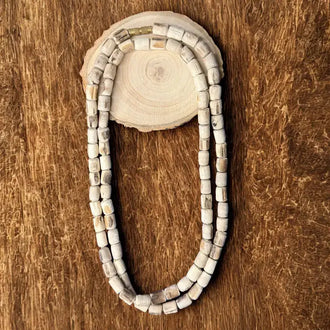
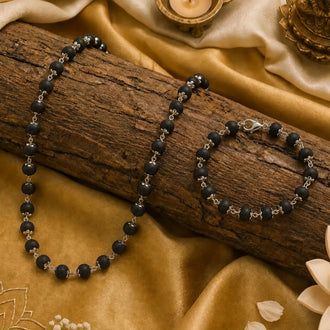
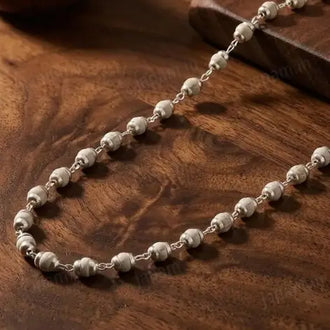
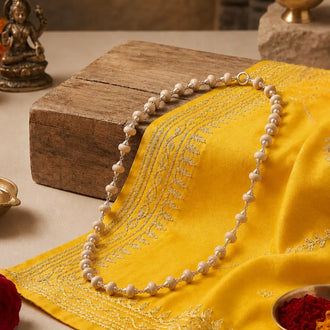
A Tulsi mala is a sacred rosary made from the wood of the holy Tulsi plant (holy basil). It is commonly used by devotees while chanting mantras, especially the names of Lord Rama, Krishna, and Vishnu.
Tulsi is considered highly sacred in Hindu dharma. Devotees believe that using a Tulsi mala while chanting helps purify the mind and deepen devotion.
Common features of a Tulsi mala
- Usually contains 108 beads
- Made from Tulsi wood
- Used for mantra chanting and meditation
- Often worn around the neck as a sign of devotion
During Ram Navami, many devotees chant the “Sri Ram Jai Ram Jai Jai Ram” mantra using a Tulsi mala to remember the birth of Lord Rama.

Why Does a Ram Navami Tulsi Mala Have 108 Beads?
The sacred science behind the beads for Ram Navami is closely connected to the spiritual meaning of the number 108 in Hindu philosophy, yoga, and astrology.
The number is believed to symbolize wholeness, spiritual alignment, and cosmic balance.
Spiritual meanings of 108
- 1 represents the Supreme Reality or God
- 0 represents emptiness or spiritual completeness
- 8 represents infinity or the eternal cycle
Together, these numbers symbolize the journey of the soul toward divine consciousness.
For devotees celebrating Ram Navami, chanting 108 times with a Tulsi mala helps maintain discipline and concentration in devotion to Lord Rama.
Scientific and Cosmic Significance of 108
The sacred science behind the beads for Ram Navami is not only spiritual but also connected with astronomy, mathematics, and ancient Indian knowledge.
Cosmic connections
Ancient sages observed interesting cosmic relationships connected with the number 108.
| Cosmic Element | Relationship |
|---|---|
| Distance between Earth and Sun | About 108 times the Sun’s diameter |
| Distance between Earth and Moon | About 108 times the Moon’s diameter |
| Sacred Upanishads | Traditionally 108 Upanishads |
These connections made the number 108 sacred in Hindu tradition.
It represents the harmony between human life, nature, and the universe.
Why Devotees Use 108 Beads During Ram Navami Japa
Ram Navami celebrates the divine birth of Lord Rama, who is known as the symbol of dharma, righteousness, and devotion.
Chanting the name of Rama using a Tulsi mala of 108 beads helps devotees perform japa (repetition of a mantra) in a structured way.
Benefits of chanting with a Tulsi mala
- Helps maintain focus during prayer
- Encourages discipline in chanting
- Creates a rhythmic meditation practice
- Strengthens devotion to Lord Rama
Many devotees chant:
“Sri Ram Jai Ram Jai Jai Ram”
108 times while moving each bead in the mala.
This practice helps calm the mind and deepen spiritual connection.

How to Use a Tulsi Mala for Ram Navami Chanting
Using a Tulsi mala during Ram Navami is a simple yet powerful spiritual practice.
Steps to chant with a Tulsi mala
- Sit in a clean and quiet place.
- Hold the Tulsi mala in your right hand.
- Start chanting from the bead next to the guru bead.
- Chant the Ram mantra once for each bead.
- Do not cross the guru bead; instead, reverse the direction.
- Continue until 108 repetitions are complete.
This method helps maintain focus and ensures accurate mantra counting.
Importance of Tulsi in Devotion to Lord Rama
Tulsi is deeply connected with Lord Vishnu and his avatars, including Lord Rama.
According to Hindu beliefs:
- Tulsi is considered very dear to Lord Vishnu
- Offering Tulsi leaves during worship brings spiritual blessings
- Tulsi helps purify both the environment and the mind
Because of this sacred connection, Tulsi malas are often used during Ram Navami prayers and bhajans.
Tips for Maintaining Your Tulsi Mala
To preserve the spiritual purity of your mala, devotees follow a few simple practices.
Care tips
- Keep the mala in a clean cloth bag
- Avoid placing it on the floor
- Do not allow others to use your personal mala
- Handle it with respect and devotion
Proper care ensures that the mala remains a sacred tool for prayer and meditation.
FAQ
1. Why are there 108 beads in a Tulsi mala?
A Tulsi mala traditionally has 108 beads because the number represents spiritual completeness and cosmic harmony in Hindu philosophy.
2. Can we chant Lord Rama’s name without a Tulsi mala?
Yes, devotees can chant without a mala. However, using a Tulsi mala helps maintain counting and improves concentration during prayer.
3. Is a Tulsi mala only used during Ram Navami?
No, a Tulsi mala can be used daily for mantra chanting, meditation, and devotion to Lord Vishnu or Lord Rama.
Conclusion
The sacred science behind the beads for Ram Navami reflects the deep spiritual wisdom of Hindu traditions. The number 108 symbolizes cosmic balance, spiritual discipline, and connection with the divine. Using a 108-bead Tulsi mala while chanting the name of Lord Rama allows devotees to focus their minds and express sincere devotion during the sacred festival of Ram Navami.
Through this simple practice, devotees continue a tradition that has guided spiritual seekers for centuries.
Written by: Vamsikrishna