Top Questions About Rudraksha Answered (Rudraksha FAQ)
If you’ve ever felt confused while searching for authentic information about Rudraksha, you’re not alone. From how to wear Rudraksha to who can use Rudraksha and what benefits to expect, people have countless Rudraksha-related questions. This detailed Rudraksha FAQ guide is designed to answer all your doubts in a simple, honest, and practical way, helping beginners and devotees make informed decisions with clarity and confidence.
In this guide, we answer the most common questions about Rudraksha beginners and general readers have—no hype, no fear‑based myths, just facts rooted in tradition and experience. By the end, you’ll feel confident about choosing, wearing, and respecting Rudraksha, with trusted guidance from dharmikapp.in.
What Is Rudraksha? (Quick Overview)
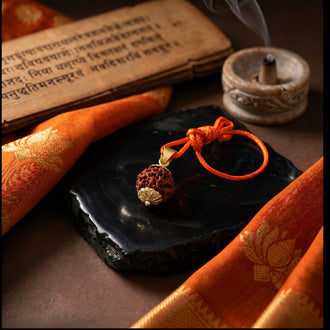
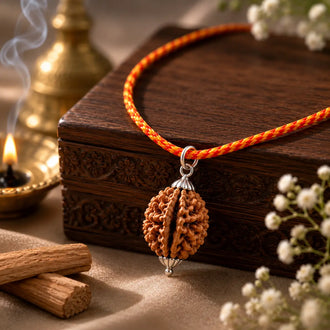
Rudraksha is a sacred seed traditionally associated with Lord Shiva. It comes from the Rudraksha tree and has natural lines or “mukhis” on its surface.
According to ancient texts, Rudraksha is believed to support:
• Mental calmness
• Spiritual focus
• Emotional balance
• Inner discipline
Today, people wear it for spiritual growth as well as personal well-being.

Why This Rudraksha FAQ Matters
Many articles online either overpromise benefits or confuse readers with rigid rules. This Rudraksha FAQ focuses on clarity.
You’ll find answers to:
• Rudraksha common doubts
• Practical wearing rules
• Authenticity concerns
• Scientific and spiritual perspectives
This makes it useful for beginners, intermediate learners, and general readers alike.
History and Origin of Rudraksha
Ancient scriptures mention Rudraksha as sacred beads connected to meditation and self-control. Historically, sages and householders both used it, not just monks.
Over time, Rudraksha traveled across India, Nepal, and Southeast Asia, becoming part of spiritual and cultural life.
Common Rudraksha Questions Answered
What Are Mukhis in Rudraksha?
“Mukhi” refers to the natural grooves or faces on a Rudraksha bead.
• 1 to 21 mukhis are commonly known
• Each mukhi has symbolic meaning
• More mukhis do not always mean better
For beginners, 5 Mukhi Rudraksha is the most commonly worn and widely accepted.
Does Rudraksha Really Work?
This is one of the most asked Rudraksha questions.
Rudraksha works on two levels:
• Spiritual level – helps focus, discipline, and awareness
• Personal level – many users report calmness and clarity
It is not magic. Its effect depends on faith, intention, and consistent use.

Who Can Wear Rudraksha?
One of the biggest Rudraksha common doubts is eligibility.
The truth is simple:
• Men and women can wear Rudraksha
• Students, professionals, and elders can wear it
• No restriction based on caste or background
Rudraksha is about inner growth, not external labels.
Can Rudraksha Be Worn Daily?
Yes, Rudraksha can be worn daily.
However, basic care is advised:
• Remove during bathing with soap
• Avoid chemical exposure
• Clean occasionally with water
Daily wear is common and safe when treated respectfully.
Rudraksha Wearing Rules (Simplified)
You don’t need complex rituals to start. Follow these basics:
• Wear with a clean mind and intention
• Monday is considered ideal but not compulsory
• Chanting “Om Namah Shivaya” helps but is optional
• Consistency matters more than perfection
Can You Eat Non-Veg While Wearing Rudraksha?
This question often creates fear.
Here’s the honest answer:
• Many people eat non-veg and still wear Rudraksha
• Traditional practitioners prefer sattvic food
• Intention and discipline matter more than diet
If you’re beginning your journey, focus on awareness—not guilt.
Types of Rudraksha and Their General Purpose
Note: Among all, the 5 Mukhi Rudraksha is considered the best and most suitable for everyone.
How to Identify Original Rudraksha
Authenticity is a major concern in any Rudraksha FAQ.
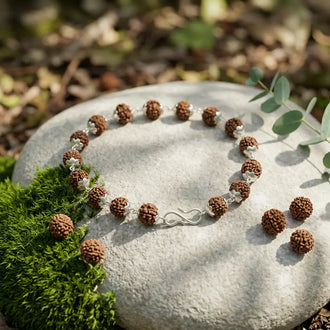
Original Rudraksha usually has:
• Natural, deep mukhi lines
• Uneven surface
• No artificial carving
Avoid beads that look too perfect or glossy.
Nepali vs Indonesian Rudraksha: Is There a Difference?
Yes, there is a difference, but both are authentic.
• Nepali Rudraksha: Larger, deeper mukhis
• Indonesian Rudraksha: Smaller, smoother
Choice depends on comfort and preference, not superiority.

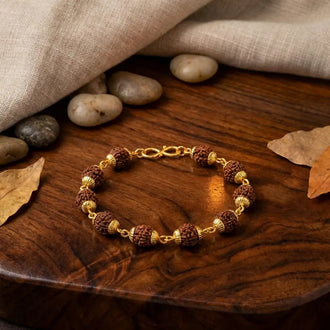
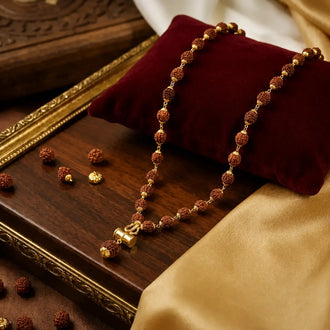
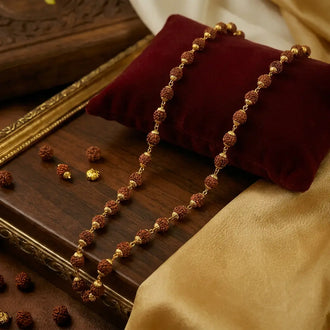
Can Rudraksha Be Worn with Gold or Silver?
Yes, Rudraksha can be worn:
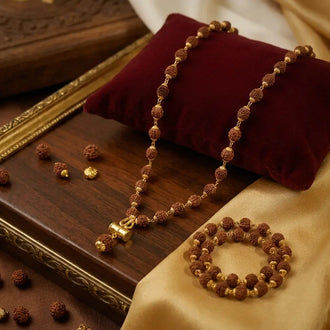
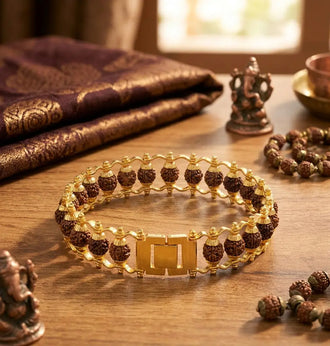
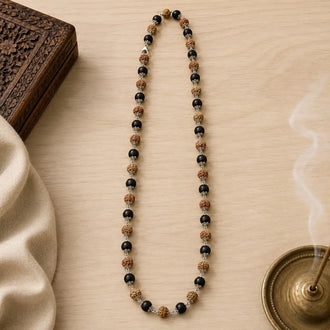
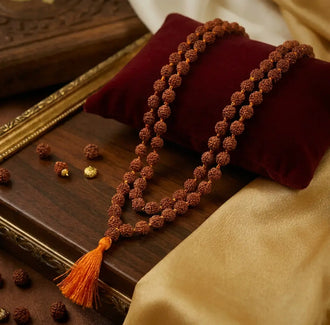
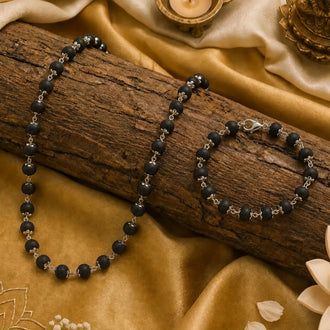
• As a mala
• With silver caps
• With gold caps
Metal choice does not reduce effectiveness. Comfort and intention matter more.
Can Women Wear Rudraksha During Periods?
This is one of the most misunderstood Rudraksha common doubts.
From a practical and modern view:
• There is no harm in wearing it
• Many women choose to remove it out of comfort
• It is a personal choice, not a strict rule
• Respect your body and your belief
Scientific Perspective on Rudraksha
From a scientific angle, Rudraksha seeds are believed to have:
• Dielectric properties
• Unique surface patterns
While science does not confirm spiritual claims, it does not deny personal experiences either.
Faith and science can coexist.
How to Choose the Right Rudraksha for You
If you’re confused, keep it simple:
• Beginners: Start with 5 Mukhi
• Focus on intention, not price
• Buy from trusted sources
Avoid rushing into rare or expensive beads.
FAQs – Rudraksha FAQ
-
Can I sleep while wearing Rudraksha?
Yes, most people comfortably sleep with it daily. -
Can Rudraksha be worn with other jewelry?
Yes, as long as it’s treated respectfully. -
How long does Rudraksha last?
With proper care, it can last for years. -
Do I need mantra diksha to wear Rudraksha?
No, diksha is optional, not mandatory. -
Can children wear Rudraksha?
Yes, especially 5 Mukhi Rudraksha.
Final Thoughts: Clear Your Doubts, Start Your Journey
Rudraksha is not about fear, superstition, or strict rules. It is about awareness, balance, and inner growth. This Rudraksha FAQ was created to answer real Rudraksha questions and remove Rudraksha common doubts with clarity and honesty.
If you’re starting out, keep it simple. Learn, experience, and grow at your own pace.
If you found this guide helpful, explore more beginner-friendly Rudraksha resources on the Dharmik Rudraksha Blog and share this article with someone who’s curious but confused.

Written by: Payel Mukherjee