Danger of Chemical Treated Tulsi Mala: 5 Reasons to Choose Pure

Why You Must Avoid Using a Chemical Treated Tulsi Mala for Bhakti
Street vendors near the Yamuna banks often sell wooden beads for as little as twenty rupees. Many buyers do not realize that a chemical treated tulsi mala is often just common wood soaked in industrial dyes and lead-based paints. These products mimic the dark appearance of aged wood but lack the botanical properties of the Ocimum tenuiflorum plant. You will learn how to identify these toxic imitations and why choosing unpainted, natural beads is vital for your physical health and spiritual progress.
Quick Takeaways
- Toxic dyes in fake beads cause contact dermatitis and skin darkening over time.
- Natural beads possess a distinct herbal scent and change color with oil contact.
- Spiritual purity requires using wood that has not undergone heavy industrial processing.
- Authentic beads from Vrindavan provide cooling effects and nervous system support.
| Factor | Pure Tulsi Mala | Chemically Treated Version |
|---|---|---|
| Visual Appearance | Natural wood grain with slight pores | Oily, shiny, or pitch-black uniform finish |
| Scent Profile | Mild, earthy, peppery herbal aroma | Smell of kerosene, varnish, or no scent |
| Water Test | Releases light natural sap or no color | Bleeds black, brown, or purple dye immediately |
| Skin Reaction | Cools the skin and prevents rashes | Causes itching, redness, or permanent staining |
| Spiritual Merit | High as per Padma Purana guidelines | Zero, as it is often not real Tulsi wood |
Why This Matters
The purity of the items we wear on our body determines the quality of our energy. Using a pure tulsi mala is a requirement for any serious practitioner of Vaishnavism. According to the Padma Purana 4.10.23, Tulsi Devi is the beloved of Vishnu, and wearing her wood brings protection from negative forces. When the wood is soaked in chemicals, the Prana or life force of the plant is destroyed. In the holy towns of Kashi and Vrindavan, traditional artisans avoid using synthetic coatings because they understand the wood must breathe. A synthetic mala made of plastic or soft wood soaked in chemical tulsi oils offers no spiritual benefit. These fakes are often mass-produced in factories using high-pressure machines that crush the delicate fibers of the wood. This makes the bead brittle and prone to cracking within weeks. By choosing medicinal benefits of tulsi products, you ensure that your skin absorbs only natural alkaloids instead of toxic heavy metals. Genuine beads act as a bio-filter for the wearer, a quality that is lost when the surface is sealed with industrial lacquer.

The Main Guide to Identifying Authentic Beads
1. The Water Soak Test
Place your beads in a glass of warm water for thirty minutes. An untreated tulsi bead will absorb a small amount of water and perhaps darken slightly. If the water turns murky, black, or dark brown, you are likely holding a mala coated in industrial paint. Artisans use these dyes to hide the fact that they are using cheap neem wood or even plastic. The chemical tulsi scent added to these products will also wash away, leaving a harsh chemical odor behind.
2. Inspecting the Texture and Pores
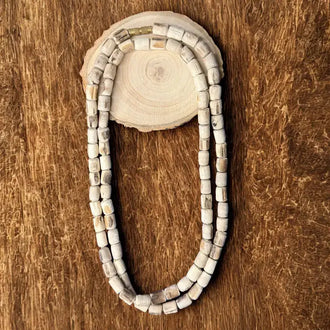
Use a magnifying glass to look at the surface of the bead. Authentic beads have tiny, irregular pores and visible grain patterns. A synthetic mala will look perfectly smooth, almost like glass or polished plastic. If every bead in a string of 108 looks identical in shape and color, it is a sign of machine-cut mass production. Natural beads from Tulsi Japa Mala with 108 Original Big Beads show the hand of the craftsman and the natural growth of the plant.
3. The Heat and Needle Test
Heat a small sewing needle until it is red hot. Press it gently into the hole of one bead. If the bead melts or produces a smell of burning plastic, it is an artificial tulsi beads imitation. Real wood will char slightly and smell like burning timber or incense. This test is the most reliable way to distinguish between wood-based products and resin or plastic fakes sold in local markets.
4. Assessing the Weight
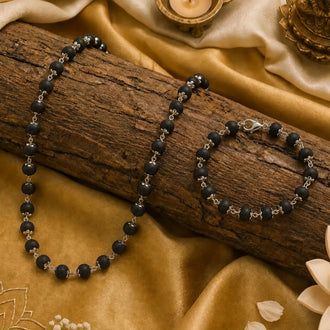
Tulsi wood is exceptionally light because it is a shrub, not a heavy hardwood tree. A necklace made of 54 beads should feel almost weightless around your neck. If the mala feels heavy like stone or dense ebony, it has likely been impregnated with resins or is made of a different material altogether. For daily wear, a lighter Original Tulsi Kanthi Mala Triple Round is preferred for comfort and authentic energy.
Identification Checklist and Health Benefits
- Check for a natural peppery smell that intensifies when the beads are rubbed between your palms.
- Ensure the thread used is cotton or silk, as nylon is often paired with low-quality beads.
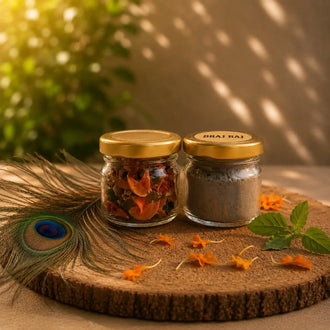
- Look for the presence of "Braj Raj" or holy dust in the crevices, common in Vrindavan sourced items.
- Pure beads help regulate blood pressure by providing a consistent cooling touch to the carotid arteries.
- Wearing unpainted wood prevents the absorption of lead and mercury found in cheap black wood dyes.
- Authentic beads help reduce mental stress and improve focus during morning meditation sessions.
- Using a Tulsi Japa Mala with 108 Original Big Beads for Meditation ensures your skin remains free from chemical burns.

What are the dangers of wearing chemically treated Tulsi Malas?
Wearing beads coated in industrial chemicals poses significant risks to your physical and subtle body. Most cheap dyes used to darken beads contain high levels of lead, chromium, and cadmium. These heavy metals can be absorbed through the skin, especially when you sweat or during a bath. This lead absorption can lead to chronic fatigue, skin discoloration, and in severe cases, nervous system issues. From a spiritual perspective, a chemical treated tulsi mala is considered "Ashuddha" or impure. The chemicals create a barrier between the holy wood and your aura, preventing the spiritual benefits described in the Shastras. Many devotees report getting itchy rashes or small bumps around the neck after wearing varnished beads for a few days. This is a clear sign of a contact allergy to the petroleum-based finishes. We recommend you consult a doctor or priest if you have persistent skin issues from wearing old jewelry. Switching to a natural, unpolished version is the only way to ensure your safety and maintain the sanctity of your daily Sadhana.
Common Mistakes to Avoid
- Never buy beads that have a high-gloss, mirror-like shine as this indicates a synthetic lacquer coating.
- Avoid wearing your beads while applying perfumes or hair dyes which can damage the organic fibers.
- Do not assume that "dark wood" always means "old wood," as this is the most common lie told by vendors.
- Refrain from cleaning your beads with soap or detergents, as this strips the natural oils from the wood.
- Stop using any mala that leaves a black or brown stain on your white clothes after it gets wet.
What is the best way to clean a pure tulsi mala?
The best way to clean a pure tulsi mala is by using a soft, dry cotton cloth to wipe away dust. If the beads become dry, you should apply a small drop of sandalwood oil or cold-pressed mustard oil to restore their natural luster and scent. Avoid using water or harsh chemicals during the cleaning process.
Can wearing artificial tulsi beads affect my meditation?
Can wearing artificial tulsi beads affect my meditation is a question many beginners ask. Yes, because the lack of natural herbal properties fails to provide the calming effect on the nervous system that real Tulsi offers. Synthetic materials can also cause physical discomfort like itching, which distracts your mind from the mantra during japa.
How can I distinguish between chemical tulsi scent and natural aroma?
How can I distinguish between chemical tulsi scent and natural aroma involves checking the longevity and depth of the smell. A natural aroma is subtle and earthy, becoming stronger when the bead is warm from skin contact. Chemical scents are often overpowering, smell like cleaning agents, and vanish completely after the first wash.
Is every black tulsi mala considered a synthetic mala?
Is every black tulsi mala considered a synthetic mala is a common misconception among buyers. While some beads turn dark naturally over years of oil application and sweat, most "pitch black" malas sold in shops are artificially dyed. Natural aging produces a dark brown, variegated patina rather than a perfectly uniform black surface.
Why do some sellers use chemical treated tulsi mala beads?
Why do some sellers use chemical treated tulsi mala beads is primarily due to the high cost of authentic, slow-grown Tulsi wood. Sellers use cheap softwoods and coat them in dark dyes to mimic the look of premium "Shyama Tulsi" beads. This allows them to increase profit margins while selling an inferior and potentially harmful product to unsuspecting devotees.
Conclusion
Choosing a natural strand over a chemical treated tulsi mala is a choice for health and spiritual integrity. Authentic beads support your skin health, provide a calming herbal scent, and align with the traditions of Vrindavan. Remember to test your beads using the water or scent method to ensure you are receiving the blessings of Tulsi Devi. Invest in a high-quality Original Tulsi Kanthi Mala Triple Round to enhance your bhakti. To learn more about sacred plants, read our post on the medicinal uses of Tulsi.
By Ipshita Gawande