Bhakti Yoga Tulsi Mala: Sacred Tool for Krishna Devotees 2026

How to Use a Bhakti Yoga Tulsi Mala for Spiritual Growth
Morning bells at the Radha Raman temple ring at 4:30 AM to signal the first Seva. Chanting with a bhakti yoga tulsi mala establishes a direct link to the lineage of Vaishnava saints in Vrindavan. Many seekers find that holding the beads helps ground their wandering thoughts during early morning prayer. These sacred wood beads serve as a physical anchor for your attention during intense spiritual devotion. You will learn the correct way to wear, chant, and maintain these beads to enhance your daily krishna bhakti.
Quick Takeaways
- Tulsi wood beads act as a physical connection to the goddess of devotion.
- Devotees use 108 beads to count repetitions of the sacred Maha Mantra.
- Proper maintenance includes keeping the beads clean and away from impure surfaces.
- Wearing the wood beads around the neck provides spiritual protection throughout the day.
| Factor | Kanthi Mala (Neck) | Japa Mala (Chanting) |
|---|---|---|
| Primary Use | Protection and Surrender | Meditation and Counting |
| Bead Count | Varies (1, 2, or 3 rounds) | 108 Beads + 1 Guru Bead |
| Typical Bead Size | 2 mm to 6 mm | 8 mm to 12 mm |
| Scriptural Status | Symbol of a dedicated devotee | Tool for bhakti practice |
Why This Matters
The Tulsi plant is not a common shrub but a personification of Tulsi Devi, the greatest devotee of Lord Krishna. Scriptural texts describe how the wood of this plant carries the power to purify the heart of the practitioner. According to the Padma Purana 4.24.18, those who wear the beads made from Tulsi wood reach the supreme destination even if they are lacking in other spiritual disciplines. This belief is central to the life of every resident in Braj Bhoomi. By keeping the wood close to the skin, a person stays mindful of their spiritual goals during worldly tasks. This constant contact reminds the soul of its eternal relationship with the divine. It is common to see devotees in Kashi and Vrindavan wearing multiple rounds of beads to show their commitment to the path of love. To learn more about setting up a space for these practices, you can read about creating your sacred corner at home. The beads act as a shield against negative influences and help the mind stay calm.
The Ritual Use of Bhakti Yoga Tulsi Mala
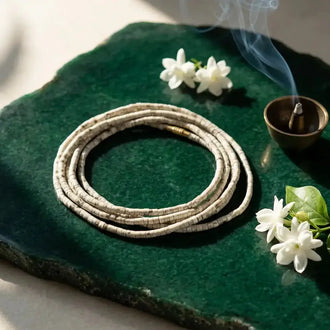
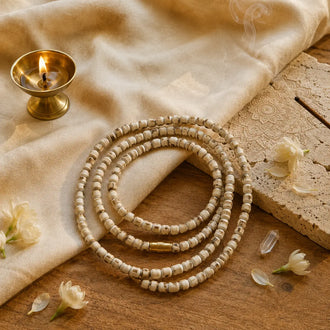
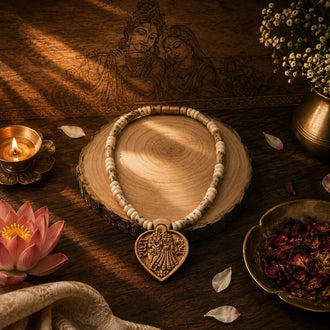
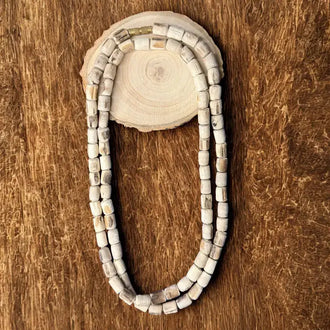
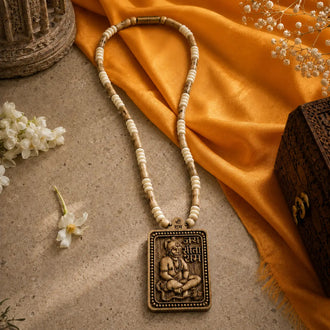
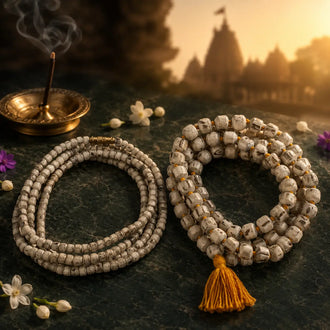
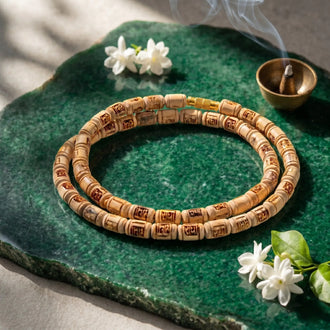
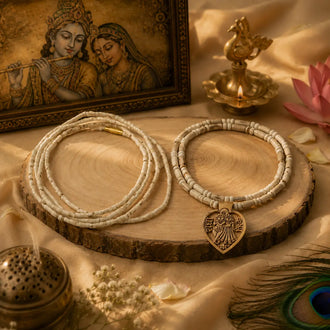
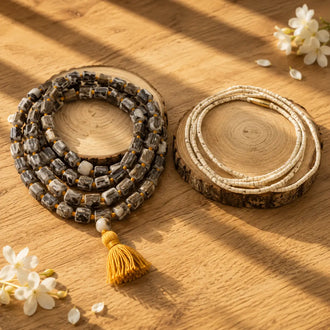
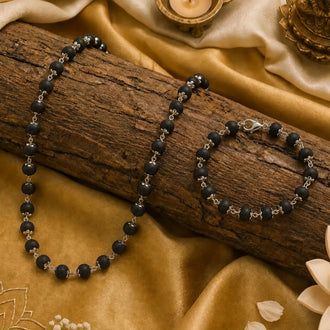
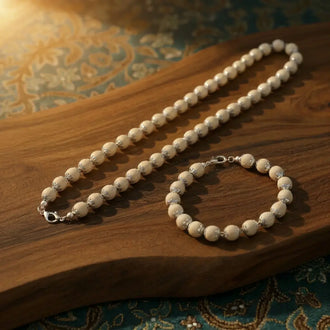
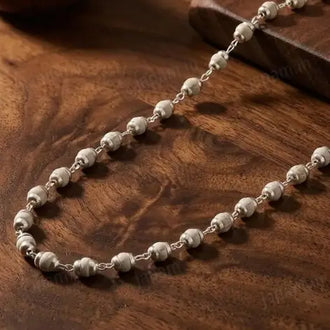
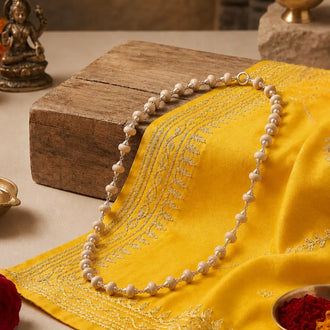
Using the beads correctly is vital for those following a strict bhakti practice. The process begins with selecting the right beads and preparing them for use in your daily devotional yoga. Follow these steps to integrate the beads into your routine. First, ensure you have bathed and are wearing clean clothes before touching your prayer beads. Second, hold the mala in your right hand. You must use the middle finger and the thumb to move the beads. The index finger is never used because it represents the ego in Vedic philosophy. Third, start at the bead next to the Guru bead, which is the largest bead or the one with a tassel. Fourth, recite the full mantra once for each bead. Move to the next bead only after finishing the vibration of the sound. Fifth, once you reach the Guru bead again, do not cross over it. Instead, turn the mala around and begin the next round in the opposite direction. Devotees often use an Original Tulsi Japa Mala with 108 Original Big Beads for this purpose. This physical movement helps synchronize the breath with the holy name. It creates a rhythmic pattern that settles the nervous system. Consistent use of the beads builds a habit of mindfulness. Over months of practice, the wood absorbs the energy of your prayers. This makes the mala a powerful personal object that aids in deepening your spiritual devotion. For a more detailed guide, see our step by step guide to japa meditation. Many people also wear a smaller version, like the Original Tulsi Kanthi Mala Triple Round, to keep the connection active throughout the day.

Benefits of Using Sacred Beads
- Enhances focus during long periods of meditation.
- Acts as a constant reminder of Lord Krishna throughout the day.
- Purifies the surrounding atmosphere of the practitioner.
- Establishes a disciplined routine in your daily bhakti practice.
- Provides a sense of peace and mental clarity during stressful times.
- Connects the devotee to the ancient tradition of Vrindavan saints.
- Protects the wearer from bad dreams and negative energies.
The Authentic Vrindavan Bhaktamal is a popular choice for those who want to feel the grace of the holy land. Donating Tulsi plants or beads to temples is also a way to gain merit and support the spiritual community.
How is Tulsi Mala used as a tool in Bhakti Yoga practice?
In the path of devotion, the beads act as a sensory bridge between the material world and the divine leela. Practitioners use them to count 108 repetitions of the Maha Mantra. This physical act of moving the beads with the middle finger and thumb engages the sense of touch. By involving multiple senses, the mind stays fixed on the holy name longer. This process reduces external distractions during a devotional yoga session. It also creates a rhythm that mimics the heartbeat of the devotee. Over time, the beads absorb the vibrations of the mantra. This makes the tool a sacred object that helps the seeker enter a state of steady spiritual devotion more easily. The physical weight of the mala in the hand or around the neck serves as a constant reminder of one's vows. This awareness is crucial for maintaining a devotional state in a busy world. If you have specific questions about spiritual health, consult a priest for guidance. You can also find more information on meditation techniques in our blog archive.

Common Mistakes to Avoid
- Touching the beads with the index finger during japa.
- Letting the mala touch the floor or any dirty surface.
- Taking the beads into the bathroom or impure places.
- Crossing the Guru bead while chanting your rounds.
- Using the same mala for both wearing and chanting.
Can I wear Tulsi beads while sleeping?
You can wear Tulsi beads while sleeping if you maintain a high level of physical purity. Many devotees choose to keep them on to maintain a constant connection with Lord Krishna and protect their aura throughout the night.
How do I clean my devotional beads?
You can clean your devotional beads by wiping them with a soft cotton cloth dipped in a small amount of Ganga water or coconut oil. Avoid using harsh chemicals or soaps that might damage the natural wood of the beads.
Is it necessary to chant 108 times?
It is necessary to chant 108 times because this number represents the 108 gopis of Vrindavan and aligns with the cosmic frequency of the universe. Completing one full round on the mala helps build discipline in your daily spiritual devotion.
What is the significance of the Guru bead?
The significance of the Guru bead is that it represents the spiritual teacher and should never be crossed during japa. When you reach this bead, you must reverse the direction of your chanting to show respect for the lineage.
Can anyone perform Krishna bhakti?
Anyone can perform Krishna bhakti regardless of their background, as the path of devotion is open to all souls seeking divine love. Starting with a simple mantra and a set of beads allows anyone to begin their bhakti practice.
Conclusion
Using a sacred mala is a simple yet powerful way to deepen your connection with the divine. By following the correct rituals and maintaining purity, you can turn your daily meditation into a source of immense peace. The beads provide a physical focus that helps stabilize the mind during prayer. Choosing a high quality bhakti yoga tulsi mala is the first step toward a lifelong habit of chanting. You might consider the Tulsi Japa Mala with 108 Original Big Beads to start. Explore our other guides on japa meditation to refine your spiritual journey.
By Arjun Dev