Can Women Wear Tulsi Mala? Myth vs Truth

Can Women Wear Tulsi Mala? Myth vs Truth
This is one of the most searched and misunderstood spiritual questions today. Many women feel confused due to mixed advice from elders, religious beliefs, and online myths. Some say women should not wear a Tulsi mala during certain days. Others believe it is completely safe and beneficial. So, what is the truth?
In this detailed guide, we will clearly separate myths from truth, explain religious and scientific views, and help you decide confidently whether Tulsi mala for women is right for you.
What Is a Tulsi Mala?
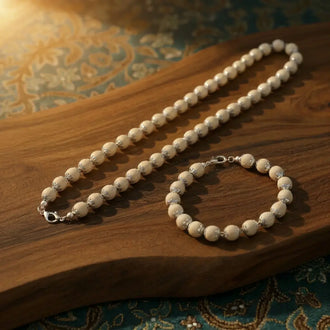
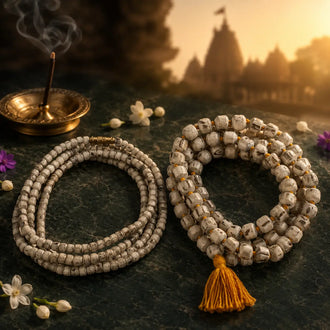
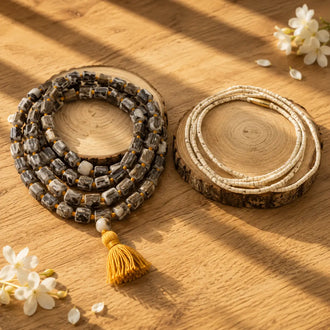
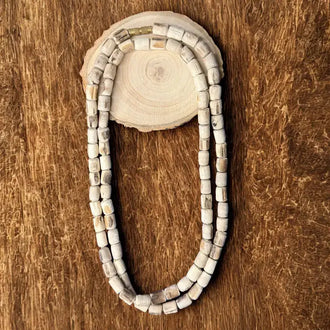
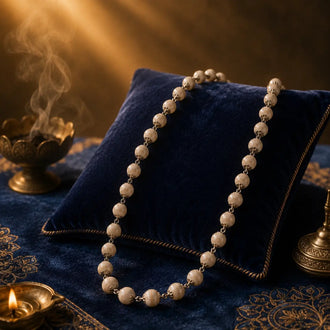
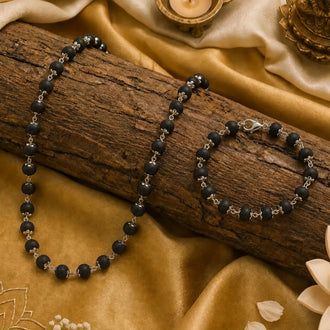
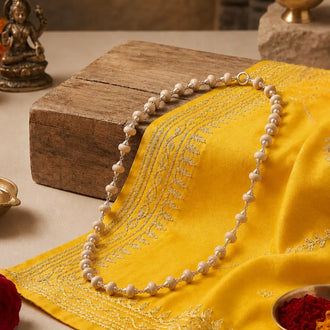
A Tulsi mala is a necklace made from the sacred wood of the Tulsi plant (Holy Basil). In Hindu tradition, Tulsi is considered an incarnation of Goddess Lakshmi and is deeply connected with Lord Vishnu and Lord Krishna. People wear a Tulsi mala for spiritual growth, peace of mind, protection from negativity, and devotion.

Can Women Wear Tulsi Mala According to Hindu Scriptures?
The short and clear answer is yes.
There is no scripture in Hinduism that says women cannot wear a Tulsi mala. In fact, many ancient texts describe women devotees wearing Tulsi beads while praying to Lord Vishnu.
Tulsi is considered pure and sattvic, meaning it promotes calmness, clarity, and devotion. These qualities are not limited by gender. So, from a scriptural point of view, women are absolutely allowed to wear a Tulsi mala.
Traditionally, women were advised to rest during menstruation—not because they were impure, but because the body needed recovery time. Over time, this advice turned into strict rules and misunderstandings.
Menstruation is a natural biological process, not a spiritual impurity. There is no religious rule that forbids women from wearing a Tulsi mala during periods. It is a personal choice, not a spiritual restriction.
If a woman feels comfortable and devotional, she can continue wearing it.
Historically, many women saints, devotees, and householders wore Tulsi malas. Even today, thousands of women wear them daily for peace, devotion, and protection.
Tulsi mala is for anyone with faith, regardless of gender, age, or marital status.
Can Women Wear Tulsi Mala Daily?
Yes, women can wear a Tulsi mala daily. There is no harm in wearing it while working, studying, cooking, or sleeping. Tulsi wood is light, natural, and skin-friendly.
However, like any sacred item, it should be treated with respect.
Tulsi Mala for Women: Health and Scientific Benefits
Beyond spirituality, Tulsi has proven health benefits.
Tulsi is known for its antibacterial and anti-inflammatory properties. When worn close to the skin, it may help balance body energy and reduce anxiety.
Some studies suggest that Tulsi helps regulate stress hormones and supports immunity. Many women report better sleep, reduced headaches, and emotional stability when wearing a Tulsi mala regularly.
However, a Tulsi mala is not a medical treatment. If a woman has skin sensitivity or discomfort, she can remove it temporarily.

Spiritual Benefits of Tulsi Mala for Women
Wearing a Tulsi mala offers many spiritual benefits, especially for women. It helps calm the mind and reduce stress. Many women feel emotionally balanced and peaceful after wearing it regularly.
Tulsi mala also supports meditation, chanting, and prayer. It strengthens devotion and helps maintain focus in daily life. Women who practice bhakti yoga often wear a Tulsi mala to feel closer to Lord Krishna or Lord Vishnu.
Myth vs Truth of Wearing Tulsi Mala
Many myths surround wearing a Tulsi Mala, especially for women, but Hindu scriptures do not support these beliefs. A Tulsi Mala can be worn by men and women, whether married, unmarried, or pregnant, and there is no scriptural rule requiring women to remove it during menstruation. It is also suitable for daily wear while working, cooking, or sleeping. The only expectation is to treat the sacred Tulsi beads with respect by avoiding alcohol and other negative activities. Above all, the Tulsi Mala is a symbol of devotion to Lord Vishnu and can be worn by anyone with faith.

How Should Women Wear Tulsi Mala Properly?
There are no complicated rules. Women can wear a Tulsi mala around the neck or wrist. It should ideally touch the skin, but this is not mandatory.
It is good practice to remove the mala before bathing and store it in a clean place.
Chanting “Om Namah Shivaya” or “Hare Krishna” while wearing it enhances spiritual benefits, but it is optional.
FAQs
1. Can women wear Tulsi mala daily?
Yes, women can wear a Tulsi mala daily without any harm. It is safe and spiritually beneficial.
2. Is Tulsi mala allowed during periods?
Yes. Menstruation is natural. Wearing a Tulsi mala during periods is a personal choice, not a restriction.
3. Can women sleep wearing Tulsi mala?
Yes, women can sleep wearing it if they feel comfortable.
4. Is Tulsi mala good for mental peace?
Yes, Tulsi mala helps reduce stress, calm the mind, and support emotional balance.
5. Can girls or unmarried women wear Tulsi mala?
Yes, girls and unmarried women can wear a Tulsi mala freely.
Myth vs Truth: Final Answer
So, can women wear a Tulsi mala?
The truth is clear: yes, absolutely.
Most restrictions around women wearing a Tulsi mala are based on myths, not scriptures or science. Tulsi mala is a symbol of devotion, purity, and peace, and it is meant for everyone.
If you feel drawn to wearing a Tulsi mala, trust your intention. Spirituality is about connection, not fear.
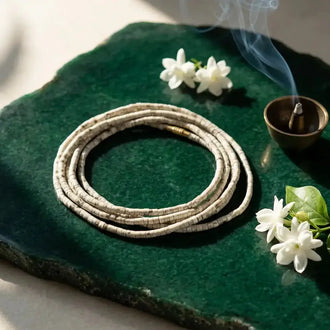
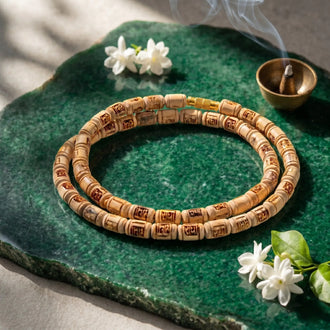
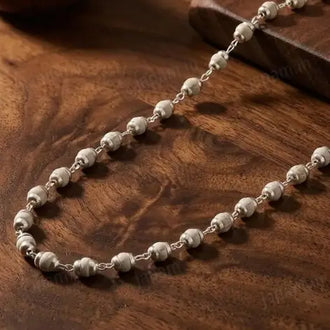
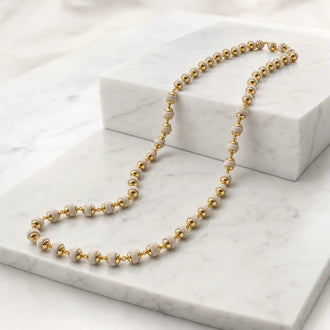
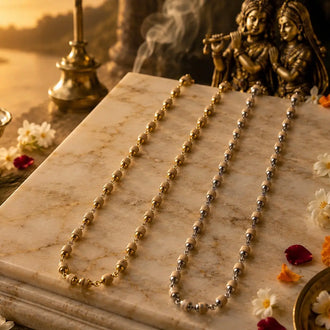
Choose an authentic Tulsi Kanthi Mala with original 8mm beads, double round Kanthi mala made from original Tulsi (Vrinda Sakhi) and experience calmness, devotion, and balance in your daily life.

Written by: Anamika Mishra