Kanthi Mala vs Japa Mala: Tulsi's Sacred Purpose and Use

Kanthi Mala vs Japa Mala: Tulsi's Sacred Purpose and Use
Every devotee on their spiritual path eventually encounters the sacred Tulsi mala. Many Krishna devotees often ponder the nuances between a kanthi mala vs japa mala, unsure which is best suited for their specific devotional needs. Both malas, crafted from the sacred wood of Vrinda Devi, hold immense spiritual power in the Vaishnava sampradaya. This guide will clarify the distinct purposes, traditional uses, and specific forms of each mala, helping you select the perfect one for your daily bhakti.
Quick Takeaways
- Kanthi mala is worn around the neck for protection and spiritual purity.
- Japa mala is primarily for chanting mantras, typically with 108 beads.
- The Sumeru bead in a Japa mala marks the start and end of chanting rounds.
- One mala type is for wearing, the other for focused meditative recitation.
| Factor | Kanthi Mala | Japa Mala |
|---|---|---|
| Purpose | Continuous spiritual purification, protection, devotion | Reciting mantras (japa), counting repetitions |
| Wearing | Worn around the neck, often close to the skin | Generally not worn as a necklace, may be carried or kept in a bag |
| Bead Count | Varies; can be 32, 54, or often fewer, sometimes single, double or triple rounds | Standard 108 beads plus one Guru or Sumeru bead |
| Usage | Symbol of commitment, worn continuously post-Diksha | Used for focused chanting, not for general adornment |
| Guru Bead | Typically absent or not prominent | Features a distinct Guru or Sumeru bead to mark completion of a round |
| Recommended For | Daily spiritual life, protection, showing Vaishnava identity | Serious mantra chanting practice, meditation, counting rounds of japa |
Why Understanding Kanthi Mala vs Japa Mala Matters
The Tulsi mala, whether for wearing or chanting, is not merely an ornament or a tool; it is a sacred connection to Lord Krishna. Understanding the specific function of a kanthi mala vs japa mala helps a devotee engage in practice with proper reverence and intention. In the Vaishnava tradition, especially those rooted in Vrindavan, Tulsi Devi, an expansion of Vrinda Devi, is supremely dear to Krishna. Wearing her wood brings countless blessings and strengthens one's devotional resolve.
The Padma Purana, Uttara Khanda 24.2 states that by simply seeing a Tulsi mala, all sins are removed. This shows the pure nature and power of Tulsi. A Kanthi mala, worn around the neck, signifies a devotee's commitment to Vishnu or Krishna. It offers constant protection and spiritual purification. Devotees often receive it during Diksha, a spiritual initiation, making it a physical reminder of their vows. In the sacred land of Vrindavan, where Tulsi plants grow naturally, devotees feel this divine connection deeply. The Skanda Purana also glorifies Tulsi, stating that even a single Tulsi leaf offered to Vishnu grants immense merit.
Conversely, the Japa mala, with its 108 beads, is a personal instrument for deepening one's relationship with the Divine through mantra recitation. It helps focus the mind and keep count during Japa, connecting the chanter directly to the divine sound vibration. Without knowing the distinct roles, a devotee might inadvertently misuse these sacred items, reducing their spiritual impact. Proper understanding allows for more focused and fruitful devotional practice, aligning with the traditions passed down by spiritual masters for generations. This ensures that each mala serves its intended spiritual purpose effectively.
For more details on wearing Tulsi, consider reading our guide on Tulsi Mala wearing rules.

The Main Guide to Tulsi Malas
Understanding the Tulsi Kanthi Mala
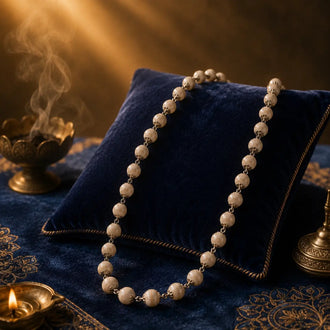
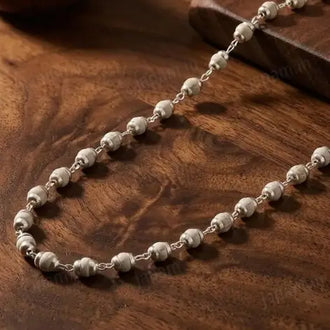
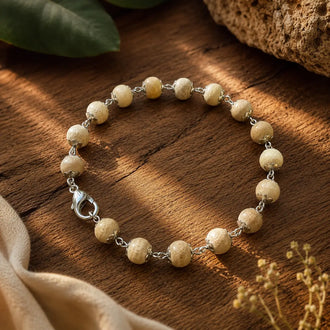
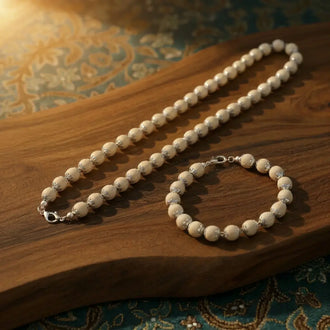
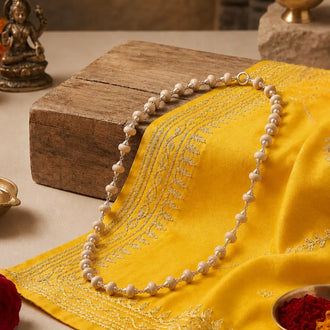
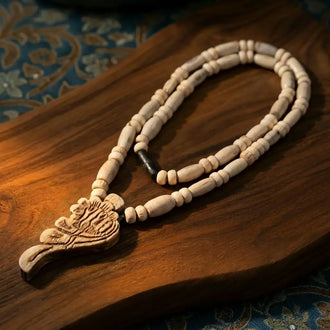
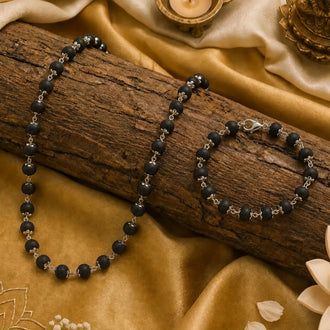
A Kanthi mala is primarily a necklace worn around the neck by Vaishnava devotees. Its purpose is to constantly purify the wearer and serve as a visible symbol of their dedication to Lord Vishnu or Krishna. These malas are often made of small Tulsi beads, sometimes in single, double, or triple rounds, varying in thickness. In Vrindavan, it is common to see devotees, especially from the Gaudiya Vaishnava sampradaya, wearing multiple strands. The beads are typically uniform in size, without a distinct Guru bead, emphasizing continuous connection rather than counting.
Many devotees begin wearing a Kanthi mala after receiving spiritual Diksha from a Guru, signifying their formal commitment to a devotional path. The mala acts as a subtle protective shield, warding off negative influences and purifying the aura. The Garuda Purana mentions that merely wearing a Tulsi mala protects one from bad dreams, accidents, and the messengers of Yamaraja. It is not generally used for counting mantra repetitions but rather for continuous spiritual benefit and as a mark of identity. Wearing a Kanthi mala ensures a constant touch with Tulsi Devi, who is extremely dear to Lord Krishna, inviting His blessings into everyday life.
Proper care for a Kanthi mala includes wearing it during all activities, even while bathing or sleeping, as it represents a continuous spiritual commitment. It should be kept clean and handled with reverence. Removing it only for specific religious rituals or medical needs, and returning it promptly, honors its sacred nature. You can find a beautiful Original Radha Madhav Tulsi Kanthi Mala Single Round, 10 mm, Love & Harmony at Dharmik, ideal for daily wear. Another excellent option is the Original Tulsi Kanthi Mala Triple Round, 6 mm, Daily Bhakti, Prayer, offering layered protection and devotion.
Understanding the Tulsi Japa Mala
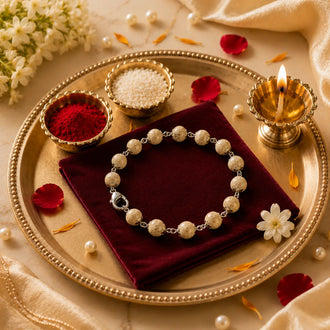
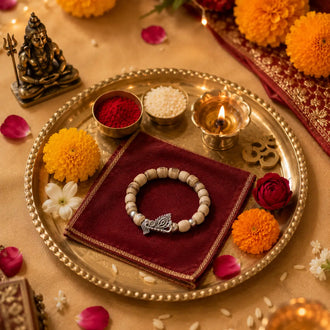
A Japa mala is specifically designed for mantra chanting, or 'japa'. It traditionally consists of 108 beads plus one distinct Guru bead, also known as the Sumeru bead. The number 108 is significant, representing various spiritual truths, such as the 108 Upanishads, the 108 Gopis of Vrindavan, or the 108 auspicious places on the deity's body. The Guru bead is not chanted upon; it marks the beginning and end of a round of 108 mantra repetitions. Devotees hold the Japa mala in their right hand, moving one bead at a time with their thumb and middle finger for each mantra recitation, avoiding the index finger which is considered impure.
The practice of japa meditation with a Tulsi mala helps to quiet the mind, focus devotion, and internalize the divine sound vibration of the mantra, such as the Hare Krishna Maha-mantra or Radha-naam. Each bead acts as a tactile anchor, preventing mental distractions and maintaining concentration. Unlike a Kanthi mala, a Japa mala is typically kept pure for chanting, often stored in a mala bag (gomukhi) when not in use. This protects it from impurities and preserves its sacred energy, ensuring it is solely dedicated to personal meditation. The gomukhi allows the devotee to keep the mala concealed and untouched by external elements while chanting.
The knots between beads, known as Ganthi, help in smooth movement and prevent beads from scattering if the string breaks. This detail highlights the careful craftsmanship involved in creating a Japa mala suitable for sustained practice. The emphasis is on spiritual discipline and concentrated devotion, typically aiming for a fixed number of rounds each day, such as 16 rounds of the Hare Krishna mantra for initiated devotees. For sincere practitioners, an Original Tulsi Japa Mala with 108 Original Big Beads for Meditation is an essential tool for deep meditation. Another option is the Original Tulsi Japa Mala 108+1 Beads, 10 mm, Deep Meditation, designed for comfortable and dedicated chanting.
Benefits of Choosing the Right Tulsi Mala
- Kanthi Mala: Offers constant spiritual protection and purification, as Tulsi Devi wards off negative energies and evil influences, as mentioned in the Brahmavaivarta Purana.
- Kanthi Mala: Serves as a visible sign of Vaishnava identity and devotion, strengthening your commitment and reminding you of your vows.
- Kanthi Mala: Provides a continuous connection to Vrinda Devi, bringing peace, divine blessings, and auspiciousness into daily life.
- Japa Mala: Enhances focus during mantra chanting by providing a tactile guide for each repetition, making meditation more disciplined and effective.
- Japa Mala: Facilitates disciplined spiritual practice, helping devotees complete specific numbers of mantra rounds and achieve spiritual targets.
- Japa Mala: Deepens meditation and connection with the divine through concentrated recitation of Radha-naam or other mantras, purifying the mind and consciousness.
- Japa Mala: Helps to cultivate patience and consistency in spiritual efforts, building a strong foundation for internal spiritual growth.
For those seeking both protection and a tool for counting, consider a Tulsi Kanthi Mala Original 8mm Small Beads | 1-Round, 2-Round & 3-Round for wearing and a dedicated Japa mala for chanting.

Can the same Tulsi mala be used for both daily wearing and japa chanting?
While technically possible, using the same Tulsi mala for both daily wearing and japa chanting is generally not recommended in traditional Vaishnava practice. A Kanthi mala is meant for continuous wear, absorbing external energies and acting as a protective layer. It is exposed to the elements of daily life and various environments. A Japa mala, however, is considered a very personal and sacred item, reserved for the focused and pure act of mantra recitation. It is kept clean and often covered when not in use to maintain its spiritual sanctity and concentrated energy.
Mixing these purposes can diminish the spiritual potency attributed to each. The Japa mala should remain pristine, dedicated solely to your dialogue with the divine through sound vibration. If a mala is worn daily, it accumulates impressions from various environments and interactions, which might interfere with the concentrated energy required for effective japa. Devotees often have separate malas for each purpose, honoring their distinct roles and maintaining the purity of their spiritual tools. Consulting an experienced priest or spiritual teacher from your Vaishnava sampradaya can provide guidance tailored to your specific tradition.
To learn more about how Tulsi malas are used in meditation, please refer to our guide on Tulsi Mala uses in meditation and japa.
Common Mistakes to Avoid
- Using a Kanthi mala with many rounds as a Japa mala: The beads on Kanthi malas are typically smaller and lack a distinct Guru bead, making focused counting during japa difficult and less effective for discipline.
- Wearing a Japa mala around the neck as an everyday ornament: This exposes your chanting mala to impurities and diminishes its sacred purpose, as it should be reserved for pure mantra recitation.
- Not respecting the Guru/Sumeru bead on a Japa mala: Never cross over this bead during chanting. Instead, turn the mala around and begin a new round in the opposite direction, signifying completion.
- Not keeping the Japa mala in a clean, sacred place: Avoid placing it on the ground, in impure environments, or allowing it to be touched by others without permission, to preserve its sanctity.
- Neglecting to cleanse or purify Tulsi malas occasionally: Tulsi can absorb energies. A gentle ritual cleansing, such as sprinkling with Gangajal or chanting purifying mantras, helps maintain its potency.
- Using synthetic or fake Tulsi malas: Always ensure your mala is made from authentic Tulsi wood, as only genuine Tulsi offers the spiritual benefits described in scriptures.
- Lending or sharing a Japa mala: A Japa mala is a highly personal spiritual tool that absorbs the chanter's spiritual energy. Sharing it can dilute its personal connection and effectiveness.
- Improper handling during travel or daily activities: When not chanting, keep your Japa mala in a clean bag or designated pouch to protect it from dust, damage, and external energies.
FAQs
What is the primary difference between tulsi kanthi vs japa mala?
The primary difference between a tulsi kanthi vs japa mala is their intended use. A Kanthi mala is worn as a sacred necklace for protection and spiritual purity throughout the day. A Japa mala, however, is a tool primarily used for the focused recitation and counting of mantras during meditation and spiritual practice.
What is the kanthi mala meaning?
The kanthi mala meaning denotes a sacred neck bead necklace, typically made of Tulsi wood, worn by Vaishnava devotees. It symbolizes a devotee's commitment to Lord Vishnu or Krishna, offering constant spiritual protection, purification, and serving as a visible mark of their adherence to the devotional path.
Why does a japa mala have 108 beads?
A japa mala has 108 beads because the number 108 holds significant spiritual importance in Hindu traditions. It represents completeness, the 108 Upanishads, sacred sites, or the number of Gopis in Vrindavan. This bead count ensures a full cycle of mantra repetitions, aiding in concentrated spiritual practice.
What is the spiritual significance of the difference kanthi japa malas?
The spiritual significance of the difference kanthi japa malas lies in their distinct roles in a devotee's life. Kanthi malas offer continuous spiritual connection and protection as a worn item. Japa malas, dedicated to chanting, facilitate deep meditation and focused mantra recitation, allowing for targeted spiritual growth and purification through sound vibration.
Should my Japa mala be visible?
Your Japa mala should not generally be visible when not in use for chanting. It is often kept in a clean cloth bag, called a gomukhi, or a sacred box. This practice helps maintain its sanctity, protects it from impurities, and keeps it reserved solely for the sacred act of mantra recitation, maintaining a personal connection.
Conclusion
Choosing the right Tulsi mala for your spiritual practice is a personal yet important step in your devotional journey. By understanding the distinct purposes and traditions associated with both the Kanthi mala and the Japa mala, devotees can optimize their practice. Ultimately, choosing between a kanthi mala vs japa mala depends on your primary devotional focus – whether it's constant spiritual protection or dedicated mantra chanting. Whichever you choose, ensure it is authentic and sourced with care, just like the abhimantrit malas from Vrindavan that Dharmik offers. Explore our collection of Tulsi Malas and other sacred items to deepen your devotion.
By Vibhu Airan