Why Non Alcoholic Perfumes Are Best for Temple Visits

Why Non Alcoholic Perfumes Are Best for Temple Visits?
The morning bells at the Banke Bihari temple in Vrindavan ring at 7:30 AM to wake the Lord. Devotees crowd the narrow lanes, carrying marigold garlands and small vials of concentrated fragrance. Choosing a non alcoholic perfume temple visitors often find is the most respectful way to enter these sanctified spaces. This choice ensures that your personal presence remains in harmony with the Vedic standards of cleanliness. You will learn about the spiritual reasons for alcohol-free scents and how to select the right fragrance for your next pilgrimage.
Quick Takeaways
- Sattvic fragrances utilize natural essential oils rather than synthetic ethanol bases for ritual purity.
- Traditional attars derived from sandalwood or jasmine align with long standing Vedic temple protocols.
- Alcohol free options prevent skin irritation during long outdoor festival processions or humid temple visits.
- Using natural scents supports local artisans in perfume hubs like Kannauj and holy Vrindavan.
| Factor | Alcohol-Based Perfume | Non-Alcoholic Attar |
|---|---|---|
| Purity Status | Considered Ashuddh (Impure) | Considered Shuddh (Pure) |
| Vedic Suitability | Not suitable for Garbhagriha | Highly recommended for Puja |
| Scent Longevity | Evaporates within 2-4 hours | Lasts 8-12 hours on skin |
| Skin Reaction | Can cause dryness or stings | Moisturizing and gentle |
| Aromatic Source | Synthetic chemicals | Natural floral extracts |
Why This Matters
The concept of Gandha, or scent, is the fifth element in the Shodashopachara puja, the 16-step ritual to honor a deity. In Vedic philosophy, alcohol is categorized as a Tamsic substance that can cloud the mind and disturb the peaceful energy of a temple. Using a pure fragrance allows a devotee to maintain a Sattvic state, which is essential for deep meditation and prayer. The Skanda Purana 2.4.18 states that offering sweet scents to the Lord pleases the senses and purifies the atmosphere for all present. In Kashi, the scent of burning incense and fresh sandalwood paste defines the spiritual air near the Vishwanath corridor. By choosing alcohol-free options, you participate in this ancient tradition of olfactory offerings. This practice is explored further in our article on perfumes as a symbol of purity in spiritual practice. Natural oils interact with your body heat to release a subtle aroma that does not overwhelm others in crowded prayer halls. This ensures your presence is a contribution to the collective sanctity of the temple grounds.
How to Apply Non Alcoholic Perfume Temple Scents Correctly
Step 1: Cleanse Your Hands
Before touching any sacred item or applying fragrance, wash your hands with clean water. In places like Ayodhya or Haridwar, devotees often use a few drops of Ganga Jal for symbolic purification. Ensure your skin is dry before proceeding to the next step of the ritual.
Step 2: Apply to Pulse Points
Take a small amount of the oil-based scent on your ring finger. This finger is traditionally used in tilak application and is considered most auspicious for spiritual acts. Dab the oil on your wrists, behind your ears, and on the base of your neck. These areas generate heat, which helps the natural oils diffuse slowly throughout the day.
Step 3: Anoint Your Devotional Items
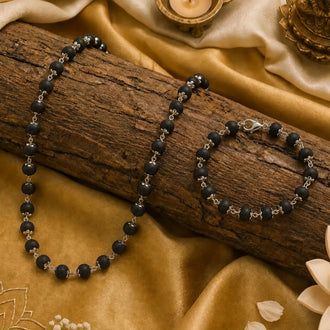
You can also apply a tiny drop of the fragrance to your prayer beads or the cloth used to wrap your scriptures. If you wear a 5 Mukhi Original Rudraksha Mala 108 Beads + 1 Guru Bead, Blessed in Kashi, avoid direct contact with harsh chemicals. A natural, non-alcoholic scent will not damage the organic fibers or beads over time.
Step 4: Practice Mindfulness
As you apply the scent, chant a simple mantra like "Om Namah Shivaya" or "Radhe Radhe." Treat the act of grooming as a preparation for meeting the Divine. The scent serves as a mental trigger, signaling to your brain that you are transitioning from the material world into a spiritual space. Using a product like the Amrit Jal Perfume can enhance this transition with its balanced, cooling notes.
Step 5: Storage and Care
Keep your natural attars in a cool, dark place away from direct sunlight. Traditional glass vials help preserve the chemical integrity of the essential oils. Sunlight can break down the delicate molecules of jasmine or rose extracts, leading to a change in the fragrance profile over several months.

Key Benefits of Alcohol-Free Fragrances
- Ritual Integrity: These scents are crafted without ethanol, making them acceptable for use within the inner sanctum or Garbhagriha of major temples.
- Concentrated Strength: Because they are not diluted with alcohol, a single drop provides a lasting aroma that stays with you through long darshan queues.
- Skin Safety: Natural oils are less likely to cause rashes or allergic reactions, which is a major benefit for those with sensitive skin.
- Ayurvedic Alignment: Many non-alcoholic scents use ingredients like Chandan or Vetiver that have cooling properties for the body.
- Sustainable Sourcing: Many of these products, such as Chandan - Blessed from Vrindavan, support traditional farming and distillation methods.

What perfume should I wear when visiting temples?
When visiting a temple, the most appropriate choice is a mild, natural attar like sandalwood, rose, or mogra. These scents are traditional and do not distract other devotees from their prayers. It is vital to avoid heavy, synthetic perfumes that contain high levels of alcohol, as these are often seen as impure in a spiritual setting. If you are visiting a Shiva temple, a subtle cedarwood or ash-based scent might be fitting. For Vishnu or Krishna temples, floral notes like Parijat or Tulsi are highly recommended. Always remember that the goal is to be clean and pleasant-smelling without being overbearing. If you have specific skin conditions or allergies, please consult a doctor before applying any new essential oils directly to your skin. Choosing a fragrance that mirrors the offerings made to the deity creates a sense of unity between the devotee and the divine. For more details on gender-specific choices, see our guide on why non-alcoholic perfumes are ideal for men in spiritual environments.
Common Mistakes to Avoid
- Applying too much fragrance, which can overwhelm the small, enclosed spaces of ancient shrines and distract others.
- Using scents that contain musk derived from animals, as non-vegan ingredients are strictly prohibited in many vegetarian temple premises.
- Spraying perfume directly onto stone idols or copper vessels, which can cause permanent staining or chemical corrosion over time.
- Ignoring the specific traditions of a sect, such as avoiding certain flowers that may not be offered to a particular deity.
What is the best way to choose a temple fragrance?
The best way to choose a temple fragrance is to look for natural oil-based attars that explicitly state they are alcohol-free. These scents should complement the temple atmosphere and follow the local temple fragrance etiquette for a respectful visit.
Can I use non-alcoholic perfume for daily puja at home?
You can use non-alcoholic perfume for daily puja at home as it is considered a pure offering to the deities. Many families use a purity fragrance like sandalwood or jasmine to create a meditative environment in their personal altar space.
Are alcohol-free perfumes safe for children during temple visits?
Alcohol-free perfumes are generally safe for children during temple visits because they lack the harsh chemicals found in standard sprays. Choosing an appropriate temple scent ensures the child remains comfortable without skin irritation while participating in the long religious ceremonies.
How long does a natural attar last on the skin?
A natural attar usually lasts between 8 to 12 hours on the skin because it is a concentrated oil. Unlike alcohol-based scents that evaporate quickly, these pure oils slowly release their aroma as your body temperature fluctuates throughout the day.
Why is alcohol considered impure in Hindu temples?
Alcohol is considered impure in Hindu temples because it is classified as a Tamsic substance that interferes with spiritual focus. Using a non-alcoholic option ensures that your presence remains Sattvic and aligns with the sacred energy of the temple environment.
Conclusion
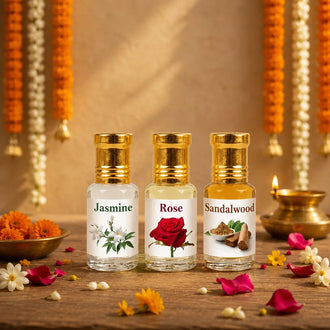
Choosing the right scent is a small but significant part of temple fragrance etiquette. By opting for natural oils, you honor the traditions of Kashi and Vrindavan while maintaining personal comfort. Remember to apply the oil to pulse points for a lasting effect that remains subtle and respectful. We recommend trying the Vrindavan Pushp Attar (3 Fragrance) for your next pilgrimage to ensure you carry the essence of the holy land. For further reading on festival preparations, explore our guide on non-alcoholic perfumes in festivals. Using a non alcoholic perfume temple visitors can focus entirely on their connection with the divine.
Written by- Anushka Jain