Tulsi Mala and Its Connection to Lord Krishna

Tulsi Mala and Its Connection to Lord Krishna
The bond between Tulsi Mala and Krishna is deeply rooted in spiritual tradition, devotion, and simplicity. For centuries, devotees of Lord Krishna have worn Tulsi Mala not as decoration, but as a living reminder of faith, humility, and constant remembrance.
In the path of Krishna devotion, Tulsi Mala holds a special place. It is believed that Tulsi is most dear to Krishna, and anything offered with Tulsi is accepted with love. This is why many devotees—beginners and experienced alike—choose Tulsi Mala as a daily spiritual companion.
This article explains the spiritual connection, meaning, and correct understanding of Tulsi Mala in relation to Lord Krishna.

What Is Tulsi Mala?
Tulsi Mala is a sacred necklace or prayer bead strand made from the wood of the Tulsi plant, also known as Holy Basil. In Vaishnava tradition, Tulsi is not seen as an ordinary plant but as a divine presence associated with devotion and purity.
Tulsi Mala is traditionally:
- Worn around the neck as a Kanthi Mala
- Used for mantra chanting as a Japa Mala
- Kept close to the body to support spiritual awareness
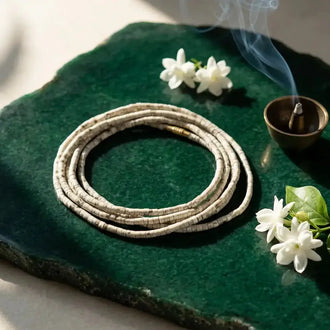
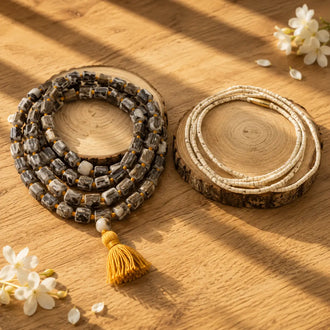
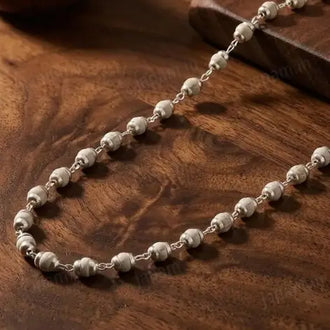
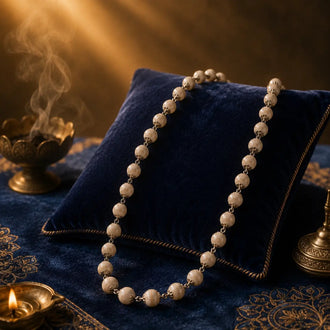
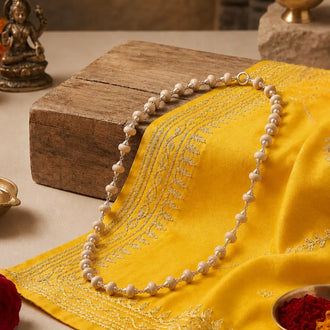
A Tulsi Kanthi Mala with original 8mm beads (double round) is commonly worn for daily use. Made from original Tulsi (Vrinda Sakhi), it rests near the heart area, symbolizing steady remembrance of Krishna throughout daily life.
Tulsi Mala Krishna: Why Tulsi Is So Dear to Lord Krishna
The Spiritual Relationship
In Vaishnava belief, Tulsi is eternally devoted to Krishna. Scriptures describe that Krishna does not accept offerings without Tulsi, even if they are otherwise valuable.
Tulsi Mala Krishna represents:
- Loving service (bhakti)
- Humility over display
- Continuous remembrance of the Divine
Wearing Tulsi Mala is therefore not considered a ritual obligation, but a personal expression of devotion.
Tulsi Mala in Krishna Devotion (Bhakti Tradition)
In Krishna devotion, the focus is not on complexity but sincerity. Tulsi Mala supports this path by encouraging simplicity and discipline.
Devotees wear Tulsi Mala to:
- Stay conscious of spiritual values
- Reduce distractions
- Maintain a devotional mindset
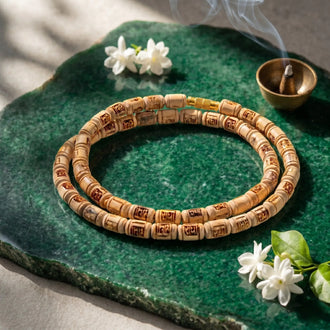
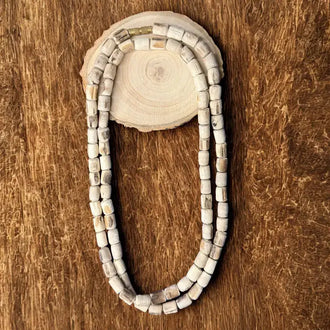
Some prefer a Tulsi Kanthi Mala with original big beads (single round). This form is often chosen for its minimal design, reflecting a quiet and grounded devotional lifestyle rather than ornamentation.

Tulsi Mala and Daily Remembrance of Krishna
Tulsi Mala is not limited to temple worship. It is traditionally worn during daily activities—work, travel, or rest—as a reminder to act with awareness.
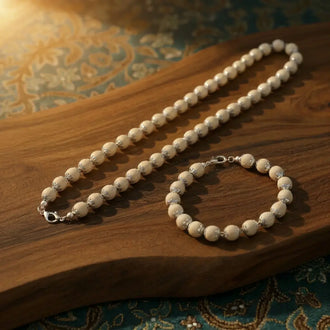
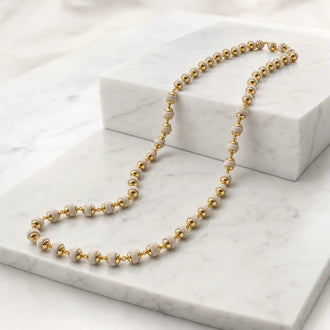
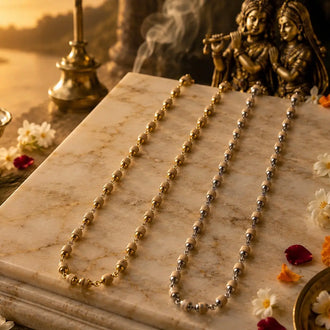
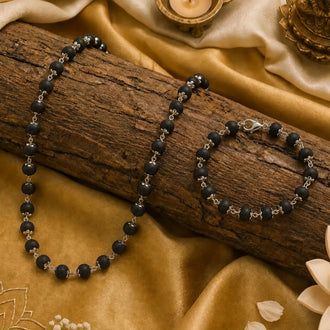
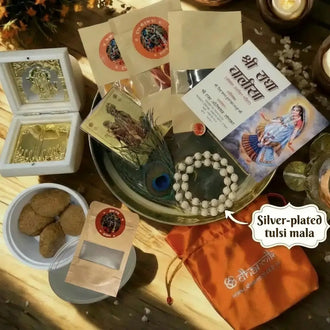
A Premium Silver Tulsi Combo (silver-plated mala and bracelet) is sometimes chosen by devotees who balance spiritual discipline with modern routines. The silver plating adds durability, while the Tulsi beads retain their sacred significance. The bracelet form allows Tulsi to remain close even during active daily tasks.
Tulsi Mala for Chanting and Meditation
Chanting the Hare Krishna mantra is a central practice in Vaishnava tradition. Tulsi Japa Mala is used to maintain focus and rhythm during chanting.
Why 108 Beads?
- 108 is a sacred number in Vedic tradition
- It represents completeness and wholeness
- It supports disciplined chanting practice
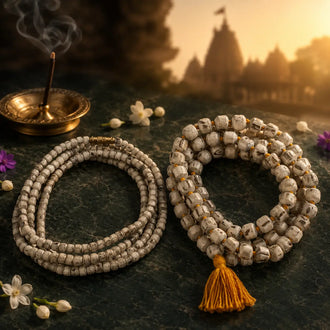
A Premium Tulsi Original Combo—Tulsi Kanthi Mala (8mm) double round and Premium 108 Tulsi Bead Japa Mala (Vrinda Sakhi)—allows devotees to keep one mala for daily wear and another exclusively for chanting. This separation helps maintain clarity and respect in spiritual practice.

Spiritual Benefits of Wearing Tulsi Mala
Tulsi Mala is traditionally associated with inner purification rather than outward display.
Commonly Believed Spiritual Benefits
- Encourages constant remembrance of Krishna
- Supports calmness and mental clarity
- Helps cultivate humility
- Strengthens devotional discipline
These benefits are considered subtle and gradual, growing with sincerity and consistency.
Tulsi Mala for Beginners
Tulsi Mala is especially suitable for beginners because it does not require complex rituals.
Simple Ways to Begin
- Wear Tulsi Mala around the neck
- Use a Japa Mala for silent or spoken chanting
- Maintain respectful conduct while wearing it
A 108 Tulsi Bead Japa Mala made from Vrinda Sakhi Tulsi is ideal for beginners interested in mantra chanting, as it provides structure without pressure.

Tulsi Mala vs Other Spiritual Malas
| Aspect | Tulsi Mala | Rudraksha Mala | Sandalwood Mala |
|---|---|---|---|
| Spiritual Focus | Purity & devotion | Energy & protection | Calm & focus |
| Association | Krishna devotion | Shiva tradition | Meditative peace |
| Daily Wear | Common | Common | Common |
Tulsi Mala is especially valued for its gentle influence and devotional significance.
Caring for Your Tulsi Mala
Because Tulsi Mala is made from natural wood, proper care is important.
Care Guidelines
- Avoid contact with water
- Wipe gently with a dry cloth
- Store respectfully when not worn
This helps preserve both the physical quality and spiritual respect of the mala.

FAQs About Tulsi Mala
1. Can anyone wear Tulsi Mala for Krishna devotion?
Yes, anyone can wear Tulsi Mala with respect and sincere intention.
2. Is chanting mandatory when wearing Tulsi Mala?
No. Chanting is encouraged but not compulsory.
3. Can Tulsi Mala be worn daily?
Yes, daily wear is traditional and common.
4. How long does it take to feel spiritual benefits?
Benefits are subtle and usually noticed over time.
5. Is Tulsi Mala only for devotees of Krishna?
It is most closely associated with Krishna devotion but can be worn respectfully by anyone.
Walking the Path of Devotion with Tulsi Mala
The connection between Tulsi Mala and Krishna is not symbolic alone—it is personal and lived daily. Tulsi Mala gently reminds devotees to act with awareness, humility, and devotion, whether chanting, working, or resting.
Whether you choose a simple Kanthi Mala, a 108-bead Japa Mala, or a modest Tulsi Mala and bracelet combination, what truly matters is sincerity. When worn with respect, Tulsi Mala becomes less about the object and more about the devotion it quietly nurtures.
If you feel drawn to Krishna’s path, begin simply—wear Tulsi, remember Krishna, and let devotion grow naturally.

Written by: Anushka Singh