Tulsi Mala Care Guide: How to Maintain Sacred Beads in 2026

The Complete Tulsi Mala Care Guide for Sincere Devotees
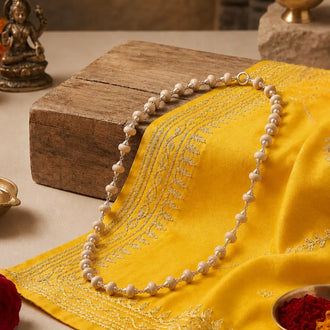
Devotees in Sridham Vrindavan often observe that their sacred beads change color after months of daily Japa. A proper tulsi mala care guide ensures that your devotional tools remain physically intact and spiritually potent for years. This article explains the specific steps needed to preserve the wood of the Ocimum tenuiflorum plant while honoring its status as a form of Tulsi Devi. You will learn about appropriate oils, cleaning frequencies, and storage methods that protect the integrity of your beads.
Quick Takeaways
- Apply natural sandalwood oil every three months to prevent the wood from cracking over time.
- Remove your sacred beads before bathing or swimming to avoid damage from harsh chemical soaps.
- Store your chanting beads in a clean cotton bag when you are not using them.
- Replace the cotton thread immediately if you notice any fraying near the Sumeru bead.
| Maintenance Task | Frequency | Items Needed | Spiritual Significance |
|---|---|---|---|
| Oil Application | Every 90 Days | Sandalwood or Olive Oil | Preserves the Vana Tulsi wood fibers. |
| Visual Inspection | Every Week | Clean Hands | Prevents the sudden breaking of the thread. |
| Dry Cleaning | After Daily Japa | Soft Cotton Cloth | Removes salt from sweat and skin oils. |
| Re-threading | Every 12 Months | Organic Cotton Thread | Ensures the 108 beads stay secure. |
Why This Matters
Maintaining your sacred beads is a direct service to Tulsi Devi, who is the most dear devotee of Lord Krishna. In the Vedic tradition, these beads are not wooden ornaments but living extensions of a goddess who grants Bhakti. The Padma Purana 4.10.15 states that those who wear Tulsi wood around their neck or chant upon it reach the supreme destination. When a devotee allows their beads to rot or break through neglect, it reflects a lack of mindfulness in their spiritual practice. In Vrindavan, Vaisnavas treat their Kanthi mala with the same respect they offer to a Murti in a temple. Using a tulsi mala care guide helps you avoid the spiritual offense of treating sacred items with indifference. Beyond the spiritual aspect, the wood of the Tulsi plant is porous and organic, making it susceptible to environmental changes. Proper maintenance ensures that the mala remains a constant companion on your path toward Krishna consciousness. You can learn more about the sacred nature of this plant in our article on medicinal uses of Tulsi plant. Consistent care preserves the smooth texture required for smooth bead rotation during your morning 108-round Japa sessions.
The Tulsi Mala Care Guide for Daily Devotion
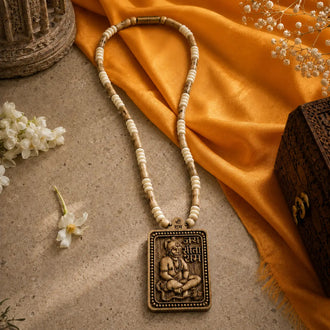
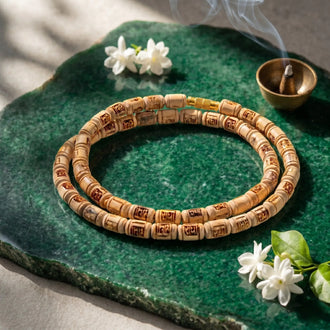
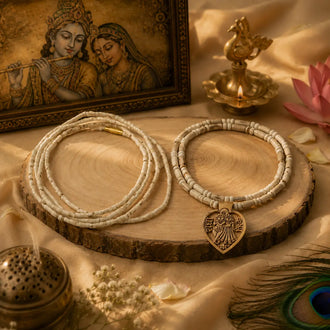
The first step to maintain tulsi mala involves managing moisture levels during your daily activities. Wood expands when wet and contracts when dry, which leads to structural cracks in the 8 mm or 10 mm beads. Always remove your Kanthi or Japa beads before entering a shower or a swimming pool. If the beads accidentally get wet, pat them dry with a clean muslin cloth and let them air dry in a shaded area. Avoid direct sunlight during the drying process, as intense heat from the sun can make the wood brittle. To improve mala durability, apply a small drop of pure sandalwood oil to your palms and rub the beads gently. This process creates a protective barrier against humidity and skin acids that naturally accumulate during long chanting sessions. For those using an Tulsi Japa Mala 108 beads, ensure the beads move freely on the string without catching. If you wear a Radha Madhav Tulsi Kanthi, check the knotting weekly to ensure it is secure. Perform tulsi mala cleaning by using a soft, dry brush to remove dust from the carved surfaces of the beads. Do not use synthetic detergents or alcohol-based cleaners, as these strip the natural oils from the Tulsi wood. Instead, use a damp cloth with a tiny amount of Ganga Jal for a ritual purification once a month. This balance of physical cleaning and spiritual sanctification keeps your beads in peak condition for your daily Sadhana.

Cleaning and Rejuvenation Steps
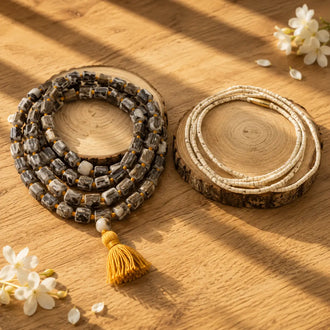
Periodic tulsi bead care is necessary to remove the buildup of oils and dust that can dull the natural luster. Begin by placing your beads on a clean silk or cotton altar cloth in your puja room. Use a soft-bristled toothbrush to gently reach the crevices around the holes where the thread passes through the wood. If the beads have become dark from sweat, use a drop of sesame oil on a cloth to wipe them. This method cleans the surface while providing a long-lasting mala that feels smooth to the touch. In the Braj region, devotees often use Gopi Chandan or Tilak clay to lightly dust the beads before a final wipe. This traditional practice keeps the beads dry and adds a subtle, sacred fragrance to your chanting experience. Always handle the Guru bead or Sumeru with extra caution, as this bead should never be crossed during Japa. If the tassel becomes soiled, you can wash only the tassel portion with mild soap and water. Ensure the wood beads remain dry during this specific tassel cleaning process to prevent moisture from seeping into the core. After cleaning, offer the mala to your Ishta-Deva or place it near a Tulsi plant for a few minutes to recharge its energy. This ritual connection reminds the devotee of the sacred origin of the wood and the purpose of their spiritual discipline.
Storage and Handling Rituals
The way you store your sacred items significantly impacts their lifespan and spiritual purity. When not wearing your Kanthi or using your Japa beads, place them in a dedicated Japa bag made of cotton. This bag protects the beads from household dust and prevents the string from tangling with other items. Devotees in Kashi often keep their mala in a wooden box made of neem or sandalwood to repel insects naturally. Avoid hanging your mala on a metal hook, as the weight can stretch the cotton thread over time. Instead, coil the beads loosely and place them on a raised shelf or inside your puja cabinet. If you are traveling, keep the mala in a small pouch inside your carry-on bag rather than a checked suitcase. This keeps the sacred beads within your personal space and safe from rough handling by airport staff. When you are wearing a Silver Plated Tulsi Bracelet, be mindful of hard surfaces that could chip the wood. You can find detailed instructions on using these tools in our Japa meditation guide. Proper storage ensures that your beads are always ready for the next 16 rounds of Maha-Mantra chanting. Treat the storage area as a sacred space, keeping it free from shoes or unwashed items to maintain ritual cleanliness.
Checklist for Long-Lasting Beads
- Check the cotton thread every month for signs of thinning or graying.
- Apply organic oil every change of season to keep the wood supple and strong.
- Keep the beads away from perfumes and hairsprays containing high levels of alcohol.
- Use a dedicated Japa bag to prevent the beads from touching the floor.
- Limit the contact of the mala with salt water to prevent the wood from rotting.
- Inspect the knots between each bead to ensure they remain tight and uniform.
- Offer the mala to a lamp during Arati to keep it spiritually vibrant and active.

How should I care for my Tulsi Mala to make it last longer?
To make your Tulsi Mala last longer, you must treat it as a botanical specimen and a sacred entity. The wood of the Tulsi plant is naturally soft and absorbs liquids easily, which can lead to swelling and eventual breakage. You should avoid all contact with chemical soaps, as the surfactants break down the organic fibers of the wood. Instead of washing the beads with water, use a dry polishing technique with a soft cloth. If the string breaks, it is a sign that the thread has absorbed too much moisture or has been strained. In such cases, consult a local priest or an experienced devotee to help you re-thread the 108 beads properly. Keeping the beads close to your skin is traditional, but you must wipe them after exercise or hot weather. This prevents the salt in your sweat from corroding the wood over several months of wear. By following these simple physical precautions and maintaining a respectful attitude, your mala can last for a decade or more. If the wood eventually turns very dark or crumbles, it should be immersed in a sacred river like the Yamuna or Ganges.
Common Mistakes to Avoid
- Wearing the sacred beads while applying chemical-heavy lotions or strong colognes.
- Tugging on the mala during Japa, which causes the cotton string to snap prematurely.
- Leaving the Tulsi beads in a damp bathroom environment where mold can grow.
- Using a plastic bag for storage, which traps moisture and causes the wood to rot.
- Forgetting to oil the beads during dry winter months, leading to deep structural cracks.
How do I perform tulsi mala cleaning without damaging the wood?
Tulsi mala cleaning involves using a dry, soft cloth or a soft-bristled brush to remove surface dust and oils. Avoid using water or soap, as these liquids soak into the wood and cause it to expand or rot. Instead, use a drop of sandalwood oil to maintain the natural shine and protect the fiber.
Can I wear my Tulsi Kanthi while sleeping?
Wearing your Tulsi Kanthi while sleeping is generally acceptable for many devotees to maintain constant protection and connection to Tulsi Devi. However, you should ensure the thread is strong enough to withstand movement during the night. If you move excessively, consider removing it to prevent accidental snapping or strangulation.
What should I do if my sacred beads get wet?
If your sacred beads get wet, you should immediately pat them dry with a clean cotton towel. Do not use a hairdryer or place them near a heater, as sudden temperature changes cause the wood to crack. Let the mala air dry in a well-ventilated, shaded area before placing it back in a Japa bag.
How often should I apply oil to the beads?
You should apply oil to the beads approximately every three months or whenever the wood appears pale and dry. Use natural oils like sandalwood, olive, or sesame oil rather than synthetic mineral oils. This frequency keeps the beads durable and prevents the organic material from becoming brittle over time.
Is it necessary to re-thread the mala regularly?
It is necessary to re-thread the mala if you notice any thinning, fraying, or discoloration of the cotton string. Most active practitioners choose to re-thread their Japa beads once a year as a preventive measure. Regular re-threading ensures that your 108 beads do not scatter and get lost if the old string breaks.
Conclusion
Following a consistent tulsi mala care guide preserves your sacred tools for a lifetime of devotion. By protecting the wood from moisture, applying natural oils, and storing it with respect, you honor Tulsi Devi in your daily practice. These simple rituals of maintenance mirror the internal care we must give to our own spiritual growth and Bhakti. If your current mala is beyond repair, consider a Gold-Plated Tulsi Mala for enhanced durability. For further reading, visit our Japa guide to deepen your chanting experience. Proper care ensures your tulsi mala care guide remains a helpful resource for your journey.
By Ananya Devi