How to Buy Original Tulsi Mala Online 2026: A Devotee's Guide

Your Essential Checklist to Buy Original Tulsi Mala Online
Many devotees cherish the divine connection a Tulsi Mala brings, wearing it as a symbol of their devotion to Lord Krishna and Tulsi Devi. But discerning how to buy original tulsi mala online can be challenging in a market flooded with imitations. An authentic mala is more than just beads; it carries sacred energy and the blessings of Vrindavan. This guide offers a clear checklist and practical tips to ensure you find genuine Tulsi beads, fostering a deeper spiritual practice.
Quick Takeaways
- Examine the beads for natural textures and subtle imperfections.
- Confirm the seller's reputation for sourcing authentic spiritual items.
- Identify a distinct, mild woody fragrance, typical of true Tulsi.
- Be wary of perfectly uniform shapes or overly polished, shiny surfaces.
Checklist for an Original Tulsi Mala
| Factor | Authentic Tulsi Mala | What to Avoid |
|---|---|---|
| Appearance | Irregular shapes, natural cracks, varying shades of light brown or cream. | Perfectly uniform, highly polished, bright white, or dyed. |
| Texture | Slightly rough or porous, warm and light to the touch. | Smooth, plastic-like, cold, overly shiny, or heavy. |
| Scent | Mild, distinct woody or basil-like aroma, especially when rubbed gently. | No scent, chemical smell, or strong artificial perfume. |
| Weight | Light but substantial for its size; feels natural, not hollow. | Unusually light (like plastic) or unexpectedly heavy (like treated wood). |
| Sound | Produces a gentle, natural click when beads touch together. | Makes a hollow, high-pitched plastic sound. |
| Float Test | Generally floats in water (some dense parts may sink slightly). | Sinks completely to the bottom or floats unnaturally high. |
| Source | Sourced from Vrindavan or other holy places, via reputable sellers. | Unknown origin, suspiciously low prices, or unverified claims. |
Why an Original Tulsi Mala Matters: Spiritual Significance and Vrindavan's Blessings
Tulsi Devi, revered as Vrinda Devi, holds a uniquely sacred position in Hindu tradition, particularly for devotees of Lord Krishna. She is considered a pure devotee of Krishna, and worshipping her, or wearing her beads, is believed to grant immense spiritual benefits. Wearing an authentic tulsi mala is a way to constantly connect with this divine energy, purifying the mind and body. The Padma Purana 6.24.16 states, "Wherever Tulsi is planted, there is no disease, fear, or calamity." This verse highlights her significant protective and purifying qualities. Tulsi is not just a plant; she is a manifestation of devotion, a sacred bridge to the divine.
For Vaishnavas, the Tulsi Mala is more than an ornament; it is a sacred tool for chanting the Lord's names and a constant reminder of devotion. Many seek genuine tulsi beads specifically grown in Vrindavan, the land of Krishna's pastimes. These beads are believed to carry the special blessings of this holy Dham. Vrindavan's sacred soil, pure air, and continuous devotion imbue the Tulsi plants with a unique spiritual potency. The most common types, Rama Tulsi and Shyama Tulsi, each offer distinct energies. Rama Tulsi, with its lighter beads and green leaves, is associated with peace, spiritual growth, and purification. Shyama Tulsi, having darker beads and purplish leaves, connects the devotee more deeply with Krishna's divine love and protection. Choosing a real mala ensures you receive these spiritual benefits rather than just wearing a decorative item. To understand how to best maintain this sacred connection, consider reading about Tulsi Mala care and longevity.

How to Buy Original Tulsi Mala Online: A Detailed Guide
Purchasing a genuine Tulsi Mala online requires a keen eye and knowledge of its natural characteristics. Since you cannot physically inspect the mala before purchase, understanding these details helps ensure you find an authentic item. Devotees often seek authentic tulsi mala from trusted sources to ensure its purity and spiritual efficacy in their practice.
1. Examine Visual Cues and Natural Imperfections
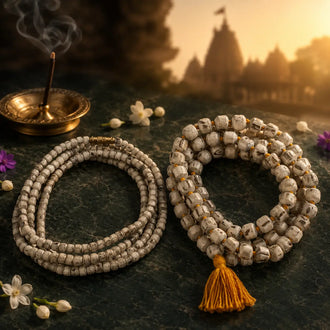
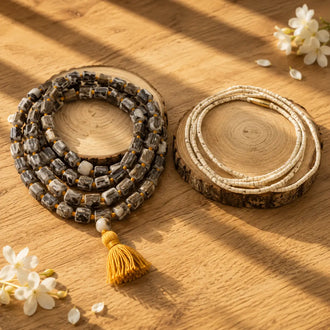
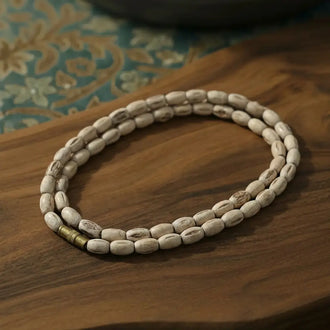
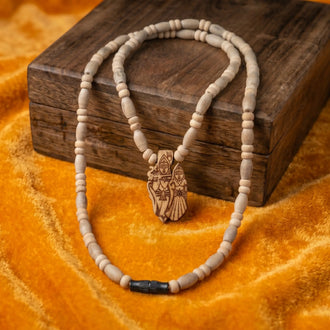
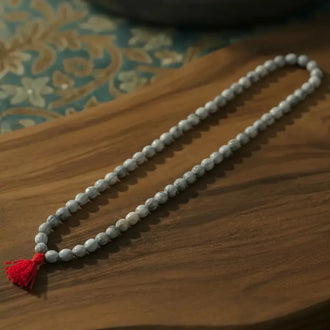
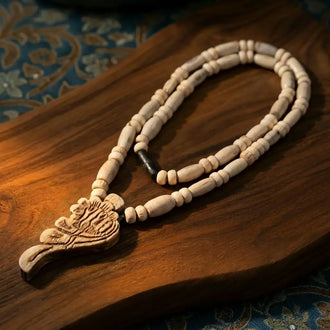
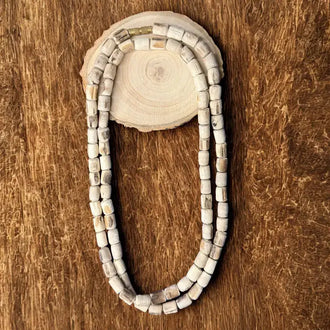
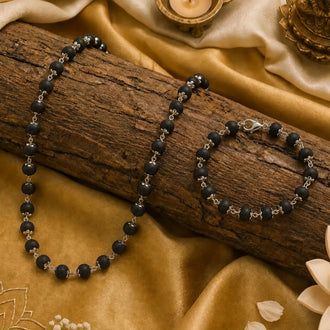
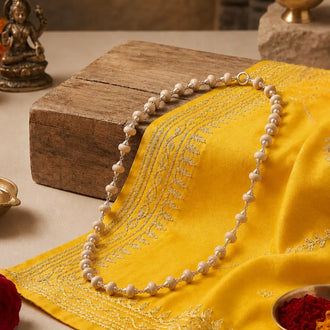
True Tulsi beads, derived from the woody stems of the holy Tulsi plant, will rarely be perfectly round or identical. Look for slight irregularities in shape and size among the beads; each bead is a unique creation of nature. Their color typically ranges from light cream to various shades of light brown, sometimes with darker spots, natural cracks, or subtle grain patterns that add to their authenticity. For instance, Rama Tulsi beads often exhibit a lighter, golden-brown hue, while Shyama Tulsi beads tend to be darker, displaying a deep reddish-brown or blackish tone. Avoid malas that are unnaturally white, brightly polished, or dyed an artificial color, as these are often signs of imitation or heavy chemical processing. A natural mala truly reflects the organic growth of the plant and its inherent imperfections, which are considered beautiful and pure by devotees.
2. Feel the Texture and Weight
Upon receiving your mala, take time to hold the beads. Genuine Tulsi beads have a slightly porous or rough texture; they are not perfectly smooth like plastic or glass. This natural grain can be clearly felt with your fingertips, distinguishing it from artificial materials. They feel warm and light, yet substantial, not flimsy or hollow. Imitation beads often feel cold, slick, or unusually heavy if made from treated wood or composite materials. The individual beads should slide smoothly against each string with a subtle friction, but should not feel 'greasy' or excessively varnished. This tactile experience is crucial for verifying genuine tulsi beads. It helps confirm the organic nature of the wood and its authentic origin. Consider our Tulsi Japa Mala with 108 Original Big Beads for Meditation which offers this natural feel for deep spiritual practice.
3. Perform the Scent Test
One of the most distinguishing features of authentic Tulsi is its unique aroma. Gently rub a few beads between your fingers or against your palm, or even lightly scratch one with your fingernail. An original mala will release a faint, earthy, woody, or slightly basil-like scent. This natural fragrance is subtle and may not be immediately obvious, but it should be present. The scent is often compared to a mild, sweet basil, sometimes with a hint of spice. If there is no scent, a strong chemical odor, or an artificial perfume smell, the mala is likely not authentic. This simple test is a powerful tool for original mala authentication, as it taps into the plant's inherent properties and spiritual essence.
4. Check the Craftsmanship and Stringing
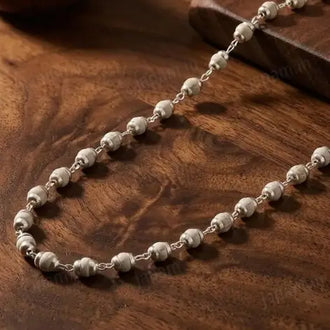
While not directly about bead authenticity, good craftsmanship ensures the longevity and usability of your mala for daily spiritual practice. Each bead should be well-strung, ideally with a knot between each bead. This prevents them from rubbing too much, scattering if the string breaks, and helps with japa meditation by providing a distinct separation for counting. Check for a sturdy guru bead, which is larger than the others and marks the start and end of a round of chanting. A proper tassel, often made from durable cotton or silk, should be securely attached and well-finished. The string material itself should feel durable, commonly made from strong cotton or nylon, to withstand regular use. A poorly constructed mala, even if made with real beads, may not serve you well for daily practice or endure for years of devotion, making proper craftsmanship vital. Our Tulsi Kanthi Mala Original 8mm Small Beads is carefully strung for lasting use and comfort.
5. Verify the Seller's Reputation and Sourcing
When you buy tulsi mala online, the seller's credibility is paramount. Look for brands like Dharmik that specifically highlight their sourcing from spiritual locations like Vrindavan. A transparent seller will provide comprehensive details about the origin and type of Tulsi, such as Rama or Shyama Tulsi. They may also offer certifications, direct stories of their sourcing process, or images of their supply chain. Read customer reviews and look for testimonials that mention the authenticity, scent, and overall quality of their Tulsi products. Pay attention to consistent positive feedback regarding the genuineness of the beads. This due diligence helps ensure you are buying from a trusted source committed to providing authentic spiritual items. Brands rooted in holy towns often have a direct connection to local artisans and pure materials, offering greater assurance of authenticity and blessings.
Benefits of Wearing an Authentic Tulsi Mala
Wearing an authentic Tulsi Mala extends beyond its visual appeal; it offers a multitude of spiritual and personal benefits recognized by devotees for centuries. These benefits stem from the inherent spiritual qualities of Tulsi Devi herself, a beloved companion of Lord Krishna. Embracing a genuine Tulsi Mala integrates these blessings into daily life, fostering a deeper spiritual connection.
- Spiritual Purity: An authentic tulsi mala purifies the aura, cleanses the mind from negative thoughts, and protects the wearer from negative influences, as mentioned in ancient Hindu texts like the Skanda Purana. It is believed to elevate one's spiritual vibrations and attract divine grace.
- Enhanced Meditation: The natural texture and divine energy of genuine tulsi beads assist in focusing the mind during chanting and meditation. The smooth movement of beads during japa helps maintain concentration and establish a rhythmic flow, deepening the meditative state.
- Connection to Krishna: Wearing Tulsi beads is considered a direct way to constantly remember and connect with Lord Krishna, attracting His divine grace and blessings. It signifies deep devotion, surrender, and a constant association with the Lord, as Tulsi is His dearest devotee.
- Health and Well-being: Traditional beliefs, particularly in Ayurveda, suggest that Tulsi possesses various healing properties. Wearing the mala is thought to potentially alleviate stress, improve blood circulation, reduce anxiety, and promote overall mental peace and physical balance, contributing to holistic health.
- A Reminder of Dharma: The mala serves as a constant physical reminder of one's spiritual goals and the principles of Dharma. It inspires virtuous living, compassion, ethical conduct, and helps the wearer stay focused on their spiritual path amidst daily life's distractions.
- Blessings from Vrindavan: Malas sourced directly from Vrindavan, Krishna's eternal abode, are believed to carry the special blessings of this sacred land. Wearing such a mala can deepen one's devotional experience, connect the wearer to Krishna's eternal pastimes, and invoke the unique spiritual energy of the Dham.
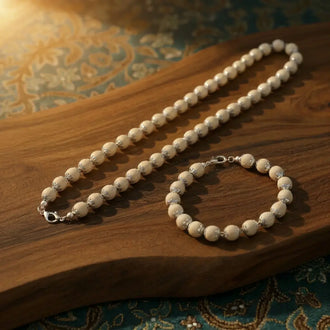
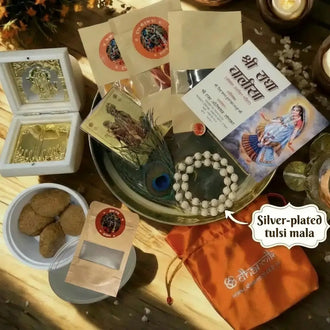
For daily wear and spiritual protection, consider an Original Silver-Plated Tulsi Mala 54 Beads, 10 mm, Peace & Protection, combining traditional reverence with subtle elegance and enhanced durability.
What should I check before buying a Tulsi Mala online?
Before buying a Tulsi Mala online, you should carefully check several key aspects to ensure its authenticity. Firstly, scrutinize the product images for natural irregularities in bead shape and color; perfectly uniform beads are a red flag. Look for natural grain and slight variations specific to wood. Secondly, read the product description thoroughly for details about the Tulsi type (Rama or Shyama), bead size (e.g., 8mm beads), and origin, ideally Vrindavan. Authentic descriptions provide specific and verifiable information. Thirdly, always review customer testimonials and ratings for mentions of authenticity, scent, and overall quality. A reputable seller will have consistent positive feedback regarding tulsi beads quality and reliable sourcing practices. Finally, examine the seller's return policy; a confident seller usually offers a transparent return or exchange option, showing trust in their product. If in doubt about spiritual practices, consult a local temple priest for guidance on mala selection or purification. For more on ensuring purity, you might find our blog on why you should avoid chemical-treated Tulsi malas helpful.

Common Mistakes When Purchasing a Tulsi Mala Online
Devotees sometimes make common errors when acquiring Tulsi Malas, often due to a lack of complete information or spiritual eagerness. Avoiding these pitfalls ensures a more satisfying and spiritually beneficial purchase, enhancing your devotional practice.
- Falling for overly low prices: Extremely cheap malas are often not genuine Tulsi or are made from inferior, treated wood. Authentic Tulsi, especially those blessed in Vrindavan, involves careful sourcing, processing, and craftsmanship, which reflects in a fair price. If an offer seems too good to be true, it likely is an imitation or of low quality.
- Ignoring seller reviews and reputation: Neglecting to read customer feedback and verify the seller's background can lead to purchasing from unreliable sources that sell imitations or low-quality products. Always check for consistent positive reviews, especially those commenting on authenticity, bead quality, and origin. A trustworthy seller usually has a clear history of providing genuine spiritual items.
- Expecting perfect uniformity in beads: Authentic Tulsi beads naturally have slight imperfections, variations in size, shape, and color, and unique grain patterns. Expecting flawless, identical beads is a mistake, as such perfection often indicates machine-made copies or heavily processed materials. Embrace the natural beauty and individuality of real Tulsi beads.
- Not confirming the origin and blessings: Failing to verify if the beads are sourced from spiritual places like Vrindavan, and if they have been blessed by a priest or during a puja, can reduce their perceived sanctity and spiritual potency. The energy of a mala is significantly enhanced by its origin and consecration in a holy Dham. Always look for clarity on sourcing and blessing rituals.
- Disregarding the stringing quality and guru bead: Even if the beads themselves are genuine, poor stringing can lead to the mala breaking easily or beads getting lost during use. A flimsy thread, loose knots, or an absent/poorly made guru bead indicates low quality. Ensure the mala is well-made with durable thread and proper knotting for longevity and comfortable use in japa.
- Assuming all wooden beads are Tulsi: Many imitations use common wood species, like neem or even plastic, dyed or treated to resemble Tulsi. The unique scent, texture, and light weight are key differentiators that are often absent in fakes. Do not assume all brown, wooden beads are genuine Tulsi; always perform the scent and touch tests to verify.
- Improper care post-purchase: Not understanding how to clean, purify, store, or wear the mala correctly can diminish its longevity, appearance, and spiritual efficacy. For instance, exposing it to harsh chemicals, excessive water, or wearing it during unclean activities can damage the natural beads and disrespect its sacredness. Learn and practice proper care to maintain its sanctity.
FAQs
Why is an authentic tulsi mala important for spiritual practice?
An authentic tulsi mala is important for spiritual practice because it provides a direct connection to Tulsi Devi and Lord Krishna. Real tulsi beads carry the natural vibrations of the plant, enhancing meditation, chanting, and purification, as traditionally believed by Vaishnava devotees. These authentic qualities deepen a practitioner's devotion and spiritual experience.
How can I identify genuine tulsi beads from artificial ones?
To identify genuine tulsi beads, look for natural imperfections, varying light brown colors, and a slightly rough, porous texture. Genuine beads also emit a subtle woody or basil-like scent when gently rubbed. Artificial beads often appear perfectly uniform, unnaturally polished, or lack any natural aroma or warmth.
What does a tulsi mala checklist usually include?
A tulsi mala checklist usually includes examining the bead's appearance for irregularities, feeling its texture for natural warmth and slight roughness, performing a scent test for a distinct woody aroma, and verifying the seller's reputation and transparency regarding the mala's origin and quality. These checks help confirm authenticity.
Where is the best place to buy tulsi mala with assurance of originality?
The best place to buy tulsi mala with assurance of originality is from reputable spiritual stores, especially those rooted in holy places like Vrindavan, or online brands like Dharmik that provide clear sourcing details and positive customer testimonials for their tulsi mala checklist items. Direct sourcing from trusted spiritual hubs ensures authenticity.
What is the importance of original mala authentication?
The importance of original mala authentication lies in ensuring the spiritual efficacy and benefits associated with genuine Tulsi. Authenticity guarantees that you are receiving the sacred energy and protective qualities attributed to Tulsi Devi, which are absent in synthetic or treated imitations. This ensures your spiritual practice is supported by genuine sacred items.
Conclusion
Acquiring a truly authentic Tulsi Mala is a significant step in one's spiritual journey. By paying close attention to the bead's natural characteristics – its appearance, texture, and scent – and by carefully vetting your online seller, you can confidently purchase a genuine item. This dedication ensures that your mala carries the pure blessings of Tulsi Devi and supports your devotional practice. For high-quality, authentic options, explore Dharmik's authentic Tulsi Mala collection. We hope this guide helps you confidently understand how to buy original tulsi mala online for your spiritual journey. For a deeper understanding of its use, consider our blog on how to use a Tulsi Mala for meditation.
By Ipshita Gawande