Tulsi Mala vs Rudraksha 2026: Choosing Your Sacred Beads

Tulsi Mala vs Rudraksha 2026: Choosing Your Sacred Beads
Devotees often seek sacred tools to deepen their spiritual practice. The choice between a Tulsi mala and a Rudraksha mala represents a common reflection for those connecting with the divine. These prayer beads are revered instruments for meditation, chanting, and spiritual protection. This article offers a clear comparison of each mala's unique qualities, exploring their origins, benefits, and maintenance. It will help you select the one that aligns best with your personal spiritual path and devotional aspirations.
Quick Takeaways
- Tulsi malas connect deeply with Lord Krishna and Vaishnavism, bringing peace and purity.
- Rudraksha malas are tied to Lord Shiva and Shaivism, known for protection and spiritual strength.
- Your choice depends on your primary deity and the specific spiritual qualities you wish to cultivate.
- Both malas require respectful handling and regular, gentle cleansing to maintain their sacred energy.
| Factor | Tulsi Mala | Rudraksha Mala |
|---|---|---|
| Origin | Made from the wood of the sacred Tulsi plant (Holy Basil) | Seeds of the Rudraksha tree (Elaeocarpus ganitrus) |
| Primary Deity | Lord Krishna, Vishnu, Radha Rani | Lord Shiva, Mahadev, other deities based on mukhi |
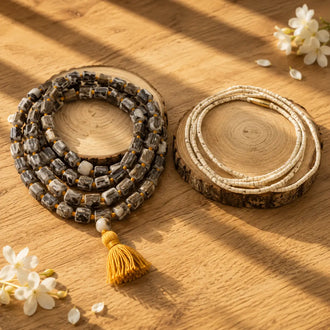
| Material | Lightweight, subtly fragrant wood beads | Hard, textured, typically brownish-red seeds |
| Key Benefit | Peace, purity, devotion, spiritual connection to Vaishnava deities | Protection, spiritual growth, focus, tranquility, health |
| Maintenance | Keep dry, clean with soft cloth, avoid harsh chemicals | Clean with water/oil, keep dry, avoid harsh chemicals |
Why This Matters: The Sacred Lineage of Malas
In Hindu traditions, malas are much more than simple accessories; they are consecrated objects carrying spiritual energy. The selection of a mala often mirrors a devotee's specific spiritual lineage or personal bond with a deity. In Vrindavan, for example, the city of Lord Krishna's divine pastimes, devotees wear Tulsi malas as a sacred emblem of their dedication to Krishna consciousness. The Tulsi plant itself is revered as Tulsi Devi, a cherished devotee of Krishna. The Padma Purana, specifically Chapter 21, Verse 18, states that Tulsi is the most sacred of all plants, and its mere touch purifies a soul. This deep reverence for Tulsi wood highlights its powerful purifying and spiritual attributes, believed to bring one closer to Vaikuntha, Lord Vishnu's abode.
Tulsi malas are not only spiritual conduits but also a representation of a devotee's surrender and love for the divine. Wearing Tulsi is considered an act of offering oneself to Lord Krishna, inviting His blessings and protection. The beads are believed to vibrate with a unique energy that calms the mind, sharpens focus during meditation, and deepens the experience of chanting mantras. For Vaishnavas, it is a constant reminder of their spiritual vows and a symbol of their aspiration for pure devotion (prema bhakti). It helps in maintaining spiritual hygiene and wards off negative influences, ensuring the devotee remains centered on their path of service to Radha and Krishna.
Conversely, Rudraksha beads are regarded as the tears of Lord Shiva, rendering them exceptionally sacred to His followers. In Kashi (Varanasi), a city linked to Shiva, Rudraksha malas are commonly worn by sadhus and householders, symbolizing protection and spiritual advancement. Each bead carries a unique vibration, believed to absorb negative energy and promote clarity of thought. The Skanda Purana, one of the eighteen Mahapuranas, describes the origin of Rudraksha from Lord Shiva's tears, shed for the welfare of all beings. It grants liberation and fulfills desires. Understanding the spiritual foundation of these beads enables a devotee to make an informed choice that aligns with their personal spiritual practices and desired outcomes, whether it be for peace, protection, or liberation.
The significance extends beyond mere aesthetics; wearing a Rudraksha mala is seen as donning a piece of Shiva's divine energy. It is believed to balance the body's energy centers (chakras) and provide a shield against negative forces. Specific mukhis offer diverse benefits: the 5 Mukhi for general well-being, the 6 Mukhi for courage, and the 7 Mukhi for prosperity. Devotees often choose a Rudraksha based on their specific needs or the guidance of their guru. Just as Tulsi connects one to the gentle, loving aspect of the Divine, Rudraksha connects one to the powerful, transformative energy of Shiva. Exploring our guide on Rudraksha Energization Guide can further enhance your understanding of preparing these sacred beads.
The Spiritual Significance of Each Mala: A Deeper Look
Each type of mala carries its own distinct spiritual vibration and connection to specific deities. The Tulsi mala, fashioned from the wood of the revered Holy Basil plant, is intimately tied to Lord Krishna and His devotees. Wearing Tulsi beads is considered a direct route to receive the blessings of Lord Vishnu and His various incarnations. Many Vaishnava followers believe that the Tulsi mala purifies the body and mind, fostering a deep sense of peace and enhancing devotion (bhakti). It is particularly treasured by those chanting the Maha-mantra, "Hare Krishna, Hare Krishna, Krishna Krishna, Hare Hare / Hare Rama, Hare Rama, Rama Rama, Hare Hare," offering an enhanced connection to the divine couple, Radha and Krishna, in the sacred land of Vrindavan.
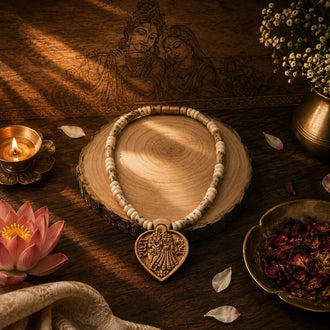
Beyond its purifying effects, the Tulsi mala is believed to open the heart to divine love. Regular chanting with Tulsi beads helps to cleanse the aura and protect the wearer from ill effects. In the Padma Purana, Lord Vishnu states that one who wears a Tulsi mala around their neck, even without chanting, is very dear to Him. This highlights the inherent sanctity of the Tulsi wood itself. Devotees in Vrindavan often wear multiple strands of Tulsi Kanthi malas, signifying their deep surrender and commitment to the Vaishnava path. The gentle fragrance of Tulsi is also said to have a calming effect, aiding in concentration and spiritual absorption, especially during japa meditation.
On the other hand, Rudraksha beads are considered direct manifestations of Lord Shiva's divine energy. Legend states that the Rudraksha tree sprouted from the tears of Lord Shiva, shed for the welfare of humanity. Each mukhi, or natural groove, on a Rudraksha bead corresponds to different deities and offers specific spiritual advantages. For instance, a 5 Mukhi Original Rudraksha Mala 108 Beads + 1 Guru Bead, Blessed in Kashi is widely worn for general well-being, inner peace, and focused meditation, often associated with Lord Shiva's universal form. This specific bead is also linked to the five elements (earth, water, fire, air, ether) and is believed to balance them within the wearer.
A 6 Mukhi Rudraksha, sacred to Lord Kartikeya, bestows courage and wisdom, making it suitable for students or those seeking strength in their endeavors. A 7 Mukhi Rudraksha, connected with Goddess Lakshmi, brings prosperity and success, aiding in overcoming financial difficulties and attracting abundance. Devotees of Mahadev often wear Rudraksha for protection from negative influences, to achieve spiritual realization, and to maintain mental clarity. The raw, powerful energy of Rudraksha acts as a constant reminder of Shiva's protective presence and transformative power. The Javalopanishad, an ancient Upanishad, extols the virtues of Rudraksha, stating that merely wearing it grants liberation from sins and fulfills desires.

The Main Guide: Tulsi Mala vs Rudraksha - Uses, Care, and Practices
Embracing the Sacred Tulsi Mala in Your Daily Life
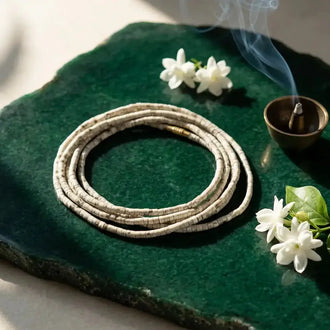
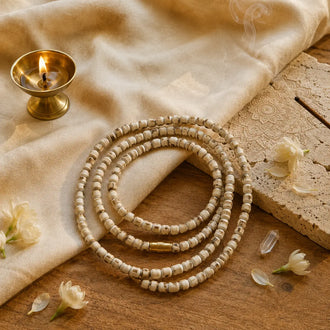
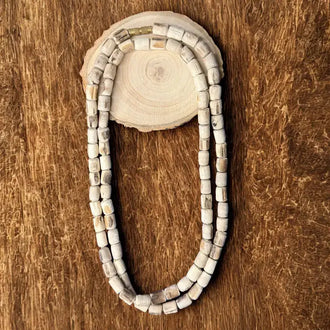
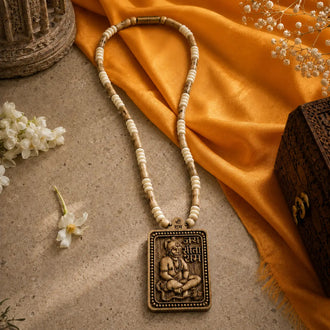
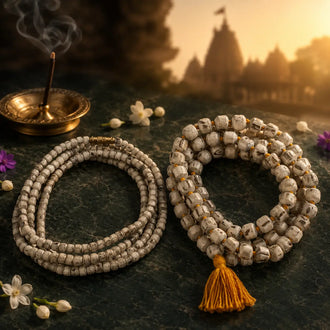
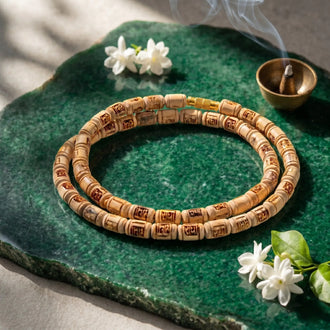
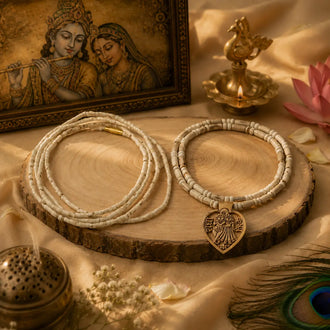
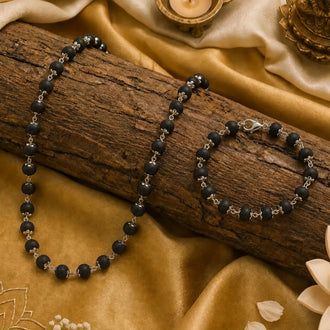
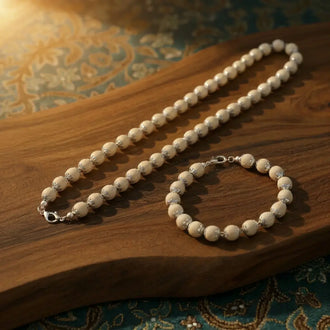
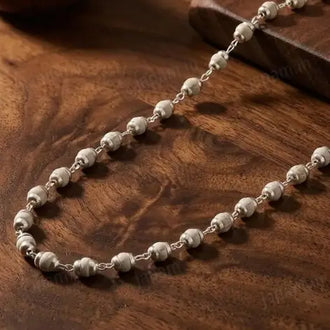
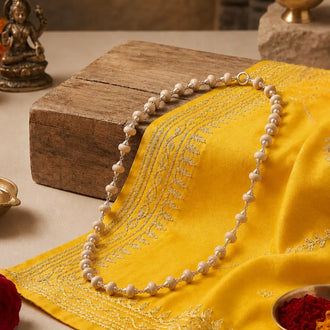
Tulsi malas are typically worn around the neck as Kanthi malas or used as Japa malas for chanting mantras. For japa, devotees hold the mala in their right hand, using the thumb and middle finger to gently rotate each bead while softly chanting. The 108 beads, plus one guru bead, are used to count repetitions of a mantra. For Vaishnava devotees, wearing an Original Tulsi Kanthi Mala Triple Round, 6 mm, Daily Bhakti, Prayer is a symbol of their devotion and purity, connecting them directly to the divine energy of Vrindavan. The two main types of Tulsi beads are Rama Tulsi (lighter in color, often associated with spiritual purity) and Shyama Tulsi (darker, often purple hue, believed to have more medicinal properties and stronger spiritual connection to Krishna), both equally sacred and cherished in devotional practice.
To ensure the longevity and sanctity of your Tulsi mala, proper care is essential. Keep it dry at all times, as moisture can cause the delicate wood to swell, crack, or even develop mold. Clean it gently with a soft, dry cloth to remove any dust or oils that may accumulate from daily wear. Avoid exposing it to harsh chemicals, perfumes, or excessive sweat, which can degrade the natural wood and diminish its spiritual vibrancy. Some devotees lightly oil their Tulsi malas with pure sandalwood or neem oil occasionally to preserve its natural luster and subtle fragrance. When not in use, store your Tulsi mala in a clean, sacred pouch, ideally made of silk or cotton, away from any impure items. Never let your mala touch the ground, and always handle it with reverence, considering it a direct extension of the divine.
Harnessing the Potent Rudraksha Mala for Spiritual Growth
Rudraksha malas are also utilized for japa and worn as necklaces or bracelets. Their use is widespread among followers of Lord Shiva, Maa Durga, and other deities. Different mukhi Rudraksha beads are worn for specific purposes. For instance, a 5 Mukhi Original Rudraksha Mala 108 Beads + 1 Guru Bead, Blessed in Kashi is commonly chosen for meditation, general spiritual protection, and balancing the five elements. When chanting with a Rudraksha mala, the method mirrors that of Tulsi, moving one bead at a time while reciting the chosen mantra. For those seeking a deeper connection with Shiva, chanting 'Om Namah Shivaya' with a Rudraksha provides immense spiritual benefits. Consider our Premium and Authentic Rudraksha Mala & Panch Mukhi Rudraksha Bracelet Combo - Blessed in Kashi for a comprehensive set for daily wear.
To maintain its potency and durability, Rudraksha should be cleaned periodically. Gently wash it with warm water and a soft brush (like a toothbrush) to remove accumulated dirt from its natural crevices. After washing, allow the beads to dry completely in indirect sunlight or air. Once dry, lightly oil the Rudraksha with pure mustard oil, sandalwood oil, or almond oil. This practice nourishes the beads, prevents cracking, and enhances their natural sheen. It is vital to treat your Rudraksha mala with utmost respect, placing it in a clean, sacred space when not being worn. Avoid wearing Rudraksha during activities considered impure, such as visiting crematories, consuming non-vegetarian food, or during intimate moments, as this can diminish its sanctity. Always remove it before bathing to prevent soap accumulation in the crevices.
Beyond the common 5 Mukhi, other Rudraksha beads hold unique powers. A Original 6 Mukhi Rudraksha Certified Natural Bead of Lord Kartikeya for Courage & Wisdom is associated with Lord Kartikeya, bestowing wisdom and courage. The Original 7 Mukhi Rudraksha Certified Natural Bead of Goddess Lakshmi for Wealth & Prosperity is linked to Goddess Lakshmi, attracting wealth and prosperity. Each mukhi serves a specific purpose, guiding the devotee towards particular spiritual or material goals. Wearing a Rudraksha is believed to have therapeutic effects, including regulating blood pressure and calming the nervous system, contributing to overall health and well-being. It acts as a powerful protector, absorbing negative energies and creating a positive aura around the wearer, especially when abhimantrit in Kashi.
Choosing Your Mala: Benefits and Recommendations
Deciding which mala to wear depends significantly on your devotional focus and personal spiritual goals. Both Tulsi and Rudraksha offer distinct pathways to divine connection and serve different purposes in a devotee's life. Here are some key considerations to guide your choice:
-
Choose Tulsi Mala if:
- Your primary devotion is towards Lord Krishna, Lord Vishnu, or Radha Rani, and you wish to deepen this connection.
- You seek to cultivate inner peace, purity, and a calming influence in your spiritual practice, reducing mental agitation.
- You wish to deepen your Bhakti yoga path and adhere to Vaishnava traditions, finding joy in devotion.
- You prefer a lightweight, natural wood bead with a subtle, sacred fragrance, enhancing your meditation experience.
- You aim for spiritual purification and protection from negative energies through divine love and grace.
- You are focused on chanting the Hare Krishna Maha-mantra or other Vaishnava mantras for spiritual liberation and self-realization.
- You resonate with the gentle, compassionate energy of the divine feminine (Radha Rani) and Lord Vishnu.
-
Choose Rudraksha Mala if:
- Your primary deity is Lord Shiva, Maa Durga, Lord Ganesha, or you follow Shaivite traditions and practices.
- You seek spiritual protection, enhanced mental clarity, and deep focus for meditation and concentration.
- You desire to boost your spiritual energy, overcome obstacles, and attain spiritual enlightenment or liberation.
- You are drawn to its raw, powerful energy and unique textured appearance, symbolizing Shiva's cosmic dance and universal power.
- You wish to balance your chakras, regulate physical ailments, and harness powerful positive vibrations for courage and strength.
- You practice chanting 'Om Namah Shivaya', 'Mahamrityunjaya Mantra', or other Vedic mantras for spiritual strength and well-being.
- You are seeking to cultivate fearlessness, inner strength, and a deeper understanding of the cosmic laws.
Many devotees choose to wear both, often as different necklaces or bracelets, respecting the distinct energies of each. For instance, one might use a Tulsi Japa Mala with 108 Original Big Beads for Meditation for specific Vaishnava mantras and wear a Rudraksha bracelet for general well-being or Shaivite practices. The key is to choose with an open heart and a clear intention, allowing the mala to serve as a constant source of inspiration and spiritual aid on your journey. Both malas, when worn with reverence, act as powerful conduits to the divine, bringing peace, protection, and spiritual growth in harmony with your chosen path.

Should I wear a Tulsi Mala or a Rudraksha Mala? Seeking Personal Guidance
The decision of whether to wear a Tulsi mala or a Rudraksha mala ultimately rests on your personal spiritual inclination and the deities with whom you feel the strongest connection. If your heart is drawn to Lord Krishna, Lord Vishnu, or Radha Rani, and your aspiration is to cultivate peace, purity, and unwavering devotion, then a Tulsi mala would be a beautiful and fitting choice. It helps in channeling Vaishnava energies, supporting Bhakti yoga practices, and deepening your connection to Vrindavan Dham. The gentle vibration of Tulsi promotes a serene state of mind and fosters a spirit of selfless service, making it ideal for those who feel solace in gentle, loving devotion.
However, if you feel a strong resonance with Lord Shiva, Maa Durga, Lord Ganesha, or other powerful deities, and you seek spiritual protection, inner strength, and enhanced meditative focus, then a Rudraksha mala might be more suitable. It is believed to ward off negative energies, sharpen concentration, and aid in achieving liberation from worldly attachments. Each type of mala is sacred and carries unique blessings tailored to different spiritual pathways. Consider your primary devotional focus, the specific spiritual qualities you wish to cultivate, and the traditions you follow. For those practicing yoga or intense meditation, Rudraksha can provide stability, groundedness, and a powerful shield against distractions.
If you find yourself uncertain, it is always wise to consult with a seasoned spiritual teacher, a trusted guru, or an experienced priest. They can offer personalized guidance based on your astrological chart, your life circumstances, or your specific spiritual needs and aspirations. Sometimes, even intuition or a strong attraction to one type of bead can be a valid guide, as the divine often speaks through inner feelings. Remember that the sincerity of your devotion is the most important factor, and the mala serves as a tool to aid that devotion, not replace it. You can learn more about caring for these sacred beads in our guide on Tulsi Mala Benefits and Care, ensuring your chosen mala remains vibrant and potent.
Common Mistakes to Avoid When Wearing Malas
To preserve the sanctity and efficacy of your sacred mala, whether Tulsi or Rudraksha, it is important to be aware of common pitfalls that devotees often encounter. Avoiding these mistakes ensures that your mala continues to serve as a powerful spiritual aid and maintains its sacred energy.
- Ignoring Purification and Energization: Wearing a new mala without proper purification or energization can diminish its spiritual benefits. Both Tulsi and Rudraksha malas should ideally be cleansed with Ganga Jal or raw milk and consecrated with specific mantras (e.g., Shiva Moola Mantra for Rudraksha, Vishnu Gayatri for Tulsi) before first use, inviting divine energy into the beads.
- Disrespectful Handling: Allowing your mala to touch the ground, placing it in impure locations like a bathroom, or using it merely as a fashion accessory without reverence can reduce its sanctity. Always keep your mala in a clean, elevated, and sacred space when not being worn or used, perhaps on your deity's altar.
- Mixing with Non-Sacred Items: Storing your mala with ordinary jewelry, keys, or other non-spiritual items can dilute its spiritual energy. It is best to keep it in a dedicated cloth pouch, separate from other belongings, to maintain its purity and vibrational integrity.
- Wearing During Inauspicious Activities: It is generally advisable to avoid wearing malas during activities considered impure, such as visiting crematories, participating in funeral rites, during intimate moments, or when consuming alcohol or non-vegetarian food. This practice helps maintain the purity and spiritual charge of the beads, respecting their divine connection.
- Neglecting Regular Maintenance: Failure to clean and oil Rudraksha beads can lead to cracking, weakening their structure and potency over time. Similarly, exposing Tulsi malas to excessive moisture can cause them to swell, degrade, or even break. Regular, gentle care is crucial for the longevity and spiritual vibrancy of your mala. For Rudraksha, cleaning with a soft brush and oiling every few months is recommended. For Tulsi, simply keeping it dry and wiping with a soft cloth is usually sufficient.
- Purchasing Unauthentic Malas: In the market, unauthentic or fake malas are prevalent, particularly with Rudraksha. Always ensure you purchase your Tulsi or Rudraksha mala from a reputable source like Dharmik, which provides genuine, often blessed, beads directly from sacred locations like Vrindavan or Kashi. An unauthentic mala lacks the true spiritual vibrations and benefits.
- Lending or Sharing Malas: A mala absorbs the energy of its wearer. Lending your mala to another person or wearing someone else's mala can disrupt its spiritual energy and connection to your personal practice. It is best for each devotee to have their own mala, dedicated solely to their spiritual journey.
FAQs
What are rudraksha mala benefits?
Rudraksha mala benefits include enhancing spiritual focus, offering protection from negative energies, and promoting mental tranquility. Many devotees believe wearing a Rudraksha mala can also help regulate blood pressure and reduce stress, fostering overall well-being and a deeper connection to Lord Shiva. Different mukhis offer specific benefits like wisdom, prosperity, or courage.
What is the difference in tulsi vs rudraksha beads?
The difference in tulsi vs rudraksha beads lies primarily in their origin, deity association, and energetic properties. Tulsi beads come from the sacred basil plant and connect to Lord Krishna, offering peace and purity. Rudraksha beads are seeds from the Rudraksha tree, associated with Lord Shiva, providing protection and spiritual power. Their appearances and textures are also distinct.
Which mala to wear for daily chanting?
Which mala to wear for daily chanting depends on your personal devotion. For Vaishnava mantras like the Hare Krishna Maha-mantra, a Tulsi mala is traditionally preferred due to its connection with Krishna. For Shaivite mantras such as Om Namah Shivaya, a Rudraksha mala is generally recommended to enhance spiritual energy and focus. Many devotees choose based on their presiding deity.
Can I wear tulsi and rudraksha together?
Yes, you can wear tulsi and rudraksha together, as both are sacred in Hinduism and serve different spiritual purposes. Many devotees choose to wear them simultaneously, respecting their distinct energies and deity associations. However, it is important to ensure both malas are treated with reverence and kept clean to maintain their spiritual efficacy. Some prefer to wear them on separate parts of the body.
How often should I clean my mala?
How often you should clean your mala depends on its material and usage. Tulsi malas should be gently wiped with a soft, dry cloth periodically and kept away from moisture. Rudraksha malas benefit from cleaning with warm water and a soft brush every few months, followed by oiling with pure mustard or sandalwood oil to preserve them, especially after intense use.
Are there any dietary restrictions when wearing a mala?
Are there any dietary restrictions when wearing a mala? For both Tulsi and Rudraksha malas, it is generally recommended to avoid consuming non-vegetarian food, alcohol, or other intoxicating substances while wearing them. This practice helps maintain the purity and spiritual vibration of the mala, aligning with the devotional principles associated with these sacred beads.
Conclusion
The choice between a Tulsi mala vs Rudraksha is a deeply personal one, rooted in your devotional path and spiritual aspirations. Both sacred beads serve as powerful conduits for divine energy, aiding in meditation, offering spiritual protection, and deepening your connection to the divine. Whether you seek the peaceful purity of Tulsi for Krishna devotion or the protective strength of Rudraksha for Lord Shiva, Dharmik offers authentic malas, many blessed in Vrindavan and Kashi. Reflect on your heart's calling and choose the sacred garland that best supports your spiritual journey. Explore our wide range of Original Prem Tulsi Mala Double Round, 10 mm, Divine Love and Harmony and Original 5 Mukhi Rudraksha Mala (Nepali/Indian) 108+1 Beads, 6 mm, Spiritual Protection, Blessed in Kashi to find your perfect spiritual companion for daily prayer and meditation.
By Vibhu Airan