How to Use Tulsi Mala Meditation: 2026 Daily Prayer Guide

How to Use Tulsi Mala Meditation for Krishna
Devotees at the Radha Raman temple in Vrindavan begin their chanting rituals at 4:00 AM. A seeker often asks how to use tulsi mala meditation to achieve a focused state of mind. This guide explains the daily prayer routine and japa with tulsi mala for practitioners. You will learn the specific finger positions, the importance of the 108 beads, and how to maintain spiritual purity during your practice.
Quick Takeaways
- Use the middle finger and thumb to move the 108 beads during chanting.
- Avoid using the index finger because it represents the ego in Vedic traditions.
- Start the japa at the bead next to the large Sumeru bead.
- Store the beads in a cotton japa bag to keep them clean.
| Feature | Action | Rule | Significance |
|---|---|---|---|
| Finger Usage | Middle and Thumb | No Index Finger | Ego Removal |
| Starting Point | First Bead | Next to Sumeru | Beginning of Cycle |
| Bead Count | 108 Beads | Complete Circle | 108 Gopis or Upanishads |
| Hand Position | Right Hand | Inside Japa Bag | Maintaining Purity |
| Body Posture | Sukhasana | Straight Spine | Energy Flow |
Why This Matters
The use of Tulsi wood beads is central to Vaishnava sadhana because Tulsi Devi is the dearest devotee of Lord Krishna. Scriptural texts highlight that wearing or using these beads purifies the heart and mind. Padma Purana 3.5.6 states that those who wear Tulsi beads or perform japa with them attain the lotus feet of Vishnu. In the streets of Vrindavan, the sound of wooden beads clicking is a constant reminder of eternal service. Every bead represents a step toward spiritual clarity and emotional balance. Using a sacred tool creates a physical anchor for the wandering mind during a busy day. This practice connects the individual soul to the divine energy of the Braj region. You can read more about this connection in our article on Bhakti Yoga Tulsi Mala benefits.
How to Use Tulsi Mala Meditation Correctly
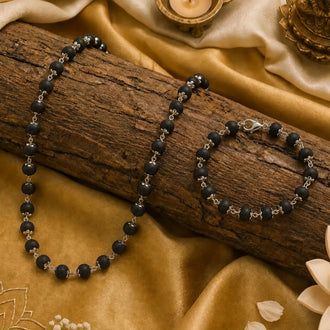
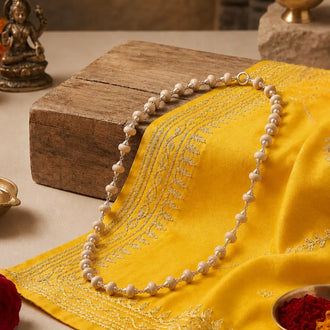
To begin your meditation technique, find a clean and quiet space facing East or North. Sit on a natural fiber mat like kusha grass or wool to insulate your energy. Hold the japa bag in your right hand at the level of your heart. Place the mala over the middle finger and use the thumb to pull the beads toward you. Each bead corresponds to one full recitation of the Maha Mantra: Hare Krishna, Hare Krishna, Krishna Krishna, Hare Hare, Hare Rama, Hare Rama, Rama Rama, Hare Hare. Never touch the beads with your index finger as it is considered the finger of accusation and ego. When you reach the 108th bead, you will encounter the Sumeru or Guru bead. Do not cross over this bead. Instead, turn the mala around and start the next round in the opposite direction. This action shows respect to the spiritual master. For a focused experience, many choose the Tulsi Japa Mala with 108 Original Big Beads which provides a firm grip. Ensure your hand remains inside the cloth bag to prevent the beads from touching the floor or your feet. Keep your eyes closed or focused on a picture of the deity. Breathe slowly through your nose while listening to the sound of the mantra. This daily prayer routine builds a spiritual habit that lasts a lifetime.
The Daily Prayer Routine and Mantras
Consistency is the foundation of any spiritual progress in the Vedic path. Devotees usually perform japa with tulsi mala during the Brahma Muhurta, which is 96 minutes before sunrise. This time is known for its high sattva guna and lack of worldly noise. Start with the Pancha Tattva mantra to seek blessings before the main chanting begins. Chanting "Sri Krishna Chaitanya, Prabhu Nityananda, Sri Advaita, Gadadhara, Srivasadi Gaura Bhakta Vrinda" clears obstacles. After this, proceed with the 16 rounds or whatever number your teacher has recommended. If you are traveling, a smaller mala or a bracelet can help you maintain the count. Using the Original Radha Naam Inscription Tulsi Japa Mala adds the vibration of Radha Rani to your practice. Keeping a journal of your daily rounds helps in tracking your discipline over months. You can find detailed steps in our japa meditation guide. Always wash your hands before touching the sacred wood to maintain the sanctity of the beads.
Identifying Authentic Tulsi Wood
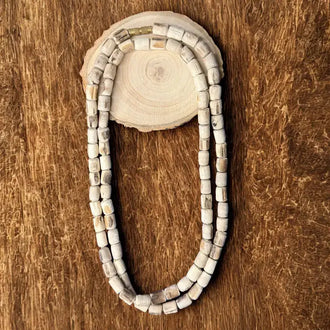
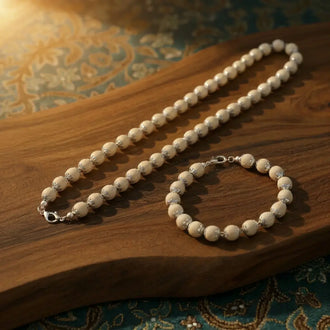
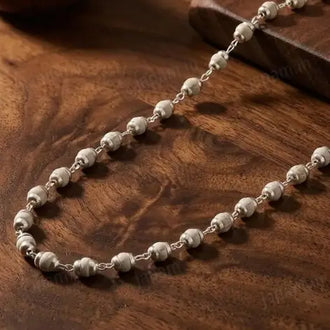
Authentic Tulsi beads have a distinct woody scent and a natural texture. There are two main types: Rama Tulsi, which is lighter in color, and Shyama Tulsi, which is dark brown or black. Both types are equally sacred for meditation. Real Tulsi wood will sink in water if it is dense and well-seasoned. Avoid beads that look like plastic or have a heavy chemical varnish. In Vrindavan, artisans hand-carve these beads from the stems of plants that have naturally finished their life cycle. Each bead should have a small hole that is centered to prevent the thread from snapping. High-quality malas often use cotton or silk thread with knots between each bead. This prevents the beads from rubbing against each other and making a harsh noise. If you want a durable option for long chanting sessions, consider the Original Tulsi Japa Mala 108+1 Beads for its superior finish. Natural variations in shape and size are signs of a genuine handcrafted product. Authentic beads absorb the oils from your skin and become darker and smoother over years of use.

Benefits of Chanting with Tulsi
- Reduces mental stress by providing a tactile point of focus.
- Balances the throat chakra during the vocalization of sacred mantras.
- Protects the practitioner from negative energies and bad dreams.
- Encourages the virtue of patience through the repetitive motion.
- Strengthens the connection to the lineage of Bhakti saints.
- Purifies the environment through the subtle vibrations of the wood.
- Improves concentration for students and working professionals.
Using a Gold-Plated Tulsi Mala can also be a way to keep the sacred wood close to your body throughout the day.
How do I use Tulsi Mala correctly for meditation and daily prayers?
To use the mala correctly, you must treat it as a deity rather than a piece of jewelry. Hold the mala in your right hand, resting it on the middle finger. Use your thumb to move each bead toward your body after completing one mantra. Never let the mala hang below the waist level while chanting. It is vital to stay awake and alert, so avoid reclining while performing your tulsi mala prayer. If the mala falls on the ground, pick it up immediately, touch it to your forehead, and offer a prayer of apology. Store the mala in a clean, dedicated bag or a wooden box when it is not in use. Some people choose to wear a separate Kanthi mala around the neck for protection while using a larger Japa mala for counting. If you are unsure about specific rules, consult a local temple priest or a spiritual guide. This ensures your practice aligns with the traditions of the Sampradaya. Consistency is more important than speed when you are starting your journey.

Common Mistakes to Avoid
- Chanting while wearing the mala to the bathroom or during impure times.
- Touching the Sumeru bead with the thumb or fingers during the counting process.
- Letting the index finger come into contact with the beads or the thread.
- Using a mala that has broken beads or a frayed string without repairing it.
- Showing off your mala or counting your rounds in a public, boastful manner.
How many times should I chant with a Tulsi mala?
Chanting usually involves 108 repetitions per round to match the beads on the mala. Most devotees aim for 16 rounds daily, which takes about two hours. Beginners can start with one or four rounds and gradually increase the count over several weeks.
Can I use the same mala for different mantras?
The same mala can be used for Vishnu or Krishna mantras, but it is best to keep it dedicated. If you wish to chant Shiva mantras, a Rudraksha mala is recommended instead. Dedicated malas hold the specific energy of the mantra you recite most frequently.
What should I do if my Tulsi mala breaks?
If your mala breaks, it is often seen as a sign that it has absorbed a significant amount of karma. You should gather all the beads and re-string them on a fresh cotton thread. If the beads are damaged, they should be offered to a sacred river like the Yamuna.
Is it necessary to wear a Kanthi mala while doing japa?
Wearing a Kanthi mala is not strictly mandatory for japa, but it is highly recommended for Vaishnavas. The Kanthi acts as a shield for the body, while the japa mala is the tool for the mind. Many practitioners find it helpful to have both for a complete spiritual routine.
How do I clean my Tulsi beads without damaging them?
Cleaning Tulsi beads requires a soft, dry cloth to remove dust and sweat. Avoid using soap or harsh chemicals as the wood is porous and can crack. You may lightly apply sandalwood oil or natural ghee to the beads once a year to keep them from becoming brittle.
Conclusion
Learning how to use tulsi mala meditation involves discipline, patience, and a heart full of devotion. By following the correct finger positions and maintaining purity, you create a powerful spiritual habit. Remember to treat your beads with respect and keep them in a dedicated japa bag. Regular practice will bring peace to your mind and a deeper connection to the divine. You can start your journey today with a Triple Round Tulsi Kanthi Mala for daily protection. Explore more about sacred tools in our japa meditation guide. Consistency in how to use tulsi mala meditation is the key to spiritual growth.
By Aniruddh Singh