Vat Savitri Vrat 2026: Why Banyan Trees Are Worshipped by Married Women
Vat Savitri Vrat 2026 Date & Tithi
Vat Savitri Vrat 2026 will be observed on Tuesday, 16 June 2026.
This sacred fast is observed on the Amavasya (New Moon day) of the Jyeshtha month, according to the Hindu lunar calendar. Married Hindu women observe this vrat for the long life, prosperity, and well-being of their husbands, inspired by the legendary devotion of Savitri.
Shubh Muhurat for Vat Savitri Vrat 2026
|
Ritual Activity |
Timings (Approx.) |
|
Amavasya Tithi Begins |
15 June 2026 – Evening |
|
Amavasya Tithi Ends |
16 June 2026 – Night |
|
Best Puja Muhurat (Morning) |
6:00 AM – 10:30 AM |
|
Vat Tree Parikrama Time |
Sunrise to Noon |
|
Fast Breaking (Paran) |
After sunset |
Note: Exact timings may vary based on your city. Always check your local Panchang.
Read also Maharashtra’s Dussehra and Diwali: From Shami Tree Worship to Laxmi Pujan Traditions
What is Vat Savitri Vrat?
Vat Savitri Vrat is a highly revered Hindu fasting ritual observed by married women, especially in North and West India. The word “Vat” refers to the Banyan tree, and “Savitri” refers to the devoted wife from Hindu mythology who brought her husband Satyavan back from death through her unwavering determination and devotion.
This vrat is a symbol of:
- Marital devotion (Pativrata Dharma)
- Spiritual strength and determination
- Faith in divine justice

The Story Behind Vat Savitri Vrat (Savitri & Satyavan)
The essence of this vrat comes from the legendary tale found in the Mahabharata.
Savitri, a devoted wife, learned that her husband Satyavan was destined to die within a year. Despite knowing this, she chose to marry him. On the destined day, when Yama came to take Satyavan’s soul, Savitri followed him with unwavering faith.
Impressed by her devotion, wisdom, and courage, Yama granted her several boons, ultimately restoring Satyavan’s life.
This story symbolizes:
- The power of devotion and determination
- The victory of love over death
- The importance of faith and righteousness

Why Banyan Tree? (Core Section)
The Banyan tree, known as Banyan tree, holds immense spiritual, cultural, and symbolic importance in Hinduism.
1. Symbol of Immortality
The Banyan tree is known for its long lifespan and self-sustaining growth, symbolizing eternal life. Just like Savitri’s devotion brought her husband back to life, the tree represents continuity and immortality.
2. Representation of the Trimurti
In Hindu belief:
- Roots represent Brahma
- Trunk represents Vishnu
- Leaves represent Shiva
Thus, the Banyan tree symbolizes the entire cycle of creation, preservation, and destruction.
3. Shelter and Protection
The tree provides shade and shelter to countless living beings, symbolizing:
- Protection of family
- Nurturing relationships
- Stability in married life
4. Spiritual Energy and Meditation
Many sages meditated under Banyan trees due to their calm and grounding energy. It represents:
- Spiritualgrowth
- Inner strength
- Mental clarity
5. Connection to Savitri’s Story
It is believed that Savitri prayed under a Banyan tree when she confronted Yama, making it sacred for this vrat.

Vat Savitri Puja Vidhi at Home (Step-by-Step)
Even if you don’t have access to a Banyan tree nearby, you can perform this vrat at home.
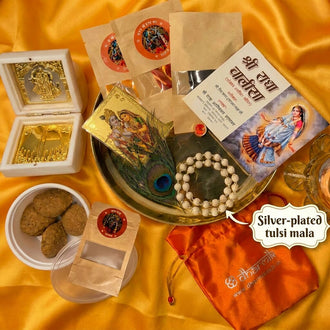
Puja Samagri
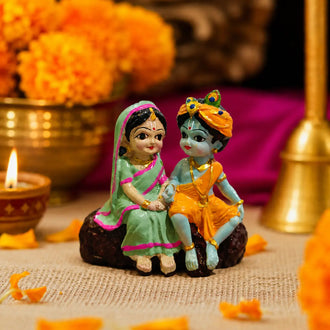
- Idol or image of Savitri-Satyavan
- Kalash (water pot)
- Red cloth
- Roli, chawal (rice)
- Fruits and sweets
- Sacred thread (Kalava)
- Incense sticks and diya
- Banyan tree branch or picture (if tree unavailable)
Puja Steps
-
Wake up early and take a bath.
-
Wear clean traditional attire (preferably red/yellow).
-
Take a sankalp (vow) for fasting.
-
Set up a puja altar with Savitri-Satyavan images.
-
Offer flowers, fruits, and sweets.
-
Light diya and incense sticks.
-
Recite the Vat Savitri Vrat Katha.
-
If near a Banyan tree:
- Tie thread around the trunk.
- Do 7 or 108 parikramas (circumambulations).
-
Pray for your husband’s long life and family well-being.
-
Break fast after sunset (as per tradition).

Banyan Tree Worship Rituals (Traditional Practice)
If you have access to a Banyan tree:
- Applykumkum and turmeric on the tree trunk
- Offer water and milk
- Tie sacred thread around the trunk
- Perform parikrama while chanting prayers
- Touch the roots and seek blessings
This act symbolizes:
- Binding your relationship with longevity
- Seeking divine protection
Significance of Vat Savitri Vrat
Strengthening Marital Bond
This vrat is one of the strongest symbols of love, loyalty, and commitment in Hindu culture.
Protection from Negativity
Women pray for:
-
Protection from misfortune
-
Husband’s health and long life
Spiritual Discipline
Fasting teaches:
-
Self-control
-
Mental clarity
-
Devotion
Cultural Continuity
It preserves ancient traditions and passes them to future generations.
Scientific & Environmental Significance of Banyan Tree
Beyond spirituality, the Banyan tree is scientifically beneficial:
- Produces high levels of oxygen
- Supports biodiversity
- Acts as a natural cooling system
- Has medicinal properties in Ayurveda
This shows how ancient traditions are deeply connected to environmental wisdom.
Regional Variations of Vat Savitri Vrat
- North India: Celebrated on Amavasya
- Maharashtra & Gujarat: Observed on Purnima (called Vat Purnima)
- Bihar & Uttar Pradesh: Traditional fasting and Banyan worship
Do’s and Don’ts
Do’s
- Follow rituals with devotion
- Maintain cleanliness
- Listen to vrat katha
Don’ts
- Avoid negative thoughts
- Do not skip rituals casually
- Avoid arguments or anger

FAQs on Vat Savitri Vrat 2026
1. Why do women worship the Banyan tree on Vat Savitri Vrat?
Women worship the Banyan tree because it symbolizes longevity, stability, and immortality. Its ever-growing roots represent a long-lasting marital bond. According to tradition, it is also linked to Savitri’s devotion, which brought her husband back to life, making it a powerful symbol of protection and blessings.
2. Can unmarried women observe Vat Savitri Vrat?
Yes, unmarried women can observe Vat Savitri Vrat with devotion. While it is primarily performed by married women for their husband’s long life, unmarried girls keep the fast to pray for a loving, supportive, and virtuous life partner, inspired by Savitri’s ideal qualities and dedication.
3. What should I do if there is no Banyan tree nearby?
If a Banyan tree is not accessible, you can perform the puja at home using a picture, idol, or symbolic representation of the tree. Devotion matters more than location. You can still recite the vrat katha, offer prayers, and follow rituals with sincerity to receive blessings.
4. Is fasting compulsory during Vat Savitri Vrat?
Fasting is an important part of the vrat and is traditionally observed strictly. However, it can be modified depending on health conditions. Some women observe a fruit fast or partial fast. The key aspect is devotion, discipline, and sincerity in prayers rather than rigidly following physical austerities.
5. What is the spiritual significance of Vat Savitri Vrat?
Vat Savitri Vrat represents devotion, faith, and the strength of a committed relationship. It teaches that determination and righteousness can overcome even destiny. Spiritually, it promotes self-discipline, patience, and inner strength, while reinforcing cultural values of love, loyalty, and responsibility in married life.
Conclusion
Vat Savitri Vrat is not just a ritual—it is a timeless celebration of love, devotion, and spiritual strength. The worship of the Banyan tree beautifully connects mythology, nature, and faith, reminding us that true devotion has the power to overcome even destiny.
As you prepare to observe Vat Savitri Vrat 2026, take a moment to embrace the deeper meaning behind each ritual and the unwavering courage of Savitri. With Dharmik, you can make your vrat more meaningful and convenient by accessing authentic puja guidance, curated samagri, and spiritual resources—all in one place.
Will you observe this vrat this year? Let Dharmik be a part of your spiritual journey.
Read also Kalash Significance: Understanding Kalash Significance and Its Power in Hindu Rituals
Written by Arushi Singh