Rath Yatra 2026 Timing Significance Importance Guide for Devotees

Rath Yatra 2026 Timing Significance Importance and Rituals
The thunderous sound of the Shankha echoes through the Grand Road in Puri as the massive wooden wheels begin their rotation. Millions of eyes fixate on the yellow canopy of the lead chariot as the Lord of the Universe emerges from his sanctum. Understanding the rath yatra 2026 timing significance importance helps every devotee align their prayers with the celestial movements of the Ashadha month. This guide provides the exact schedules and Vedic meanings behind this ancient chariot festival to help you participate with full awareness.
Quick Takeaways
- The main event falls on July 16, 2026, during the Ashadha Shukla Dwitiya tithi.
- Lord Jagannath travels with his siblings to the Gundicha Temple for a nine-day stay.
- Pulling the chariot rope is believed to cleanse a lifetime of accumulated negative karmas.
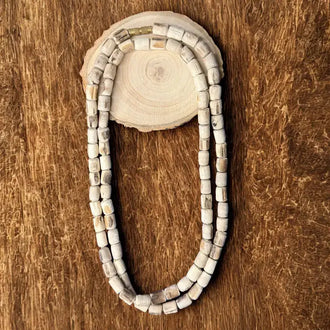
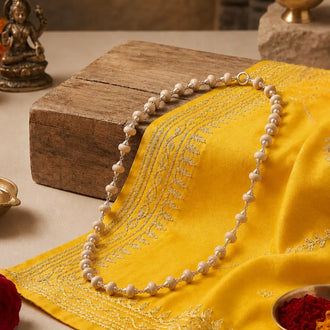
- Devotees can perform symbolic puja at home using authentic Tulsi malas and sacred items.
| Event | Date | Tithi | Muhurat | Significance |
|---|---|---|---|---|
| Rath Yatra Start | July 16, 2026 | Ashadha Dwitiya | 08:30 AM onwards | Departure to Gundicha Temple |
| Hera Panchami | July 20, 2026 | Ashadha Panchami | Evening Hours | Goddess Lakshmi visits the chariots |
| Sandhya Darshan | July 23, 2026 | Ashadha Ashtami | Evening Hours | Most auspicious viewing of the Lord |
| Bahuda Yatra | July 24, 2026 | Ashadha Dashami | 09:00 AM onwards | Return journey to Main Temple |
| Suna Besha | July 25, 2026 | Ashadha Ekadashi | 04:00 PM onwards | Golden attire of the deities |
Why This Matters
The chariot festival is not just a procession but a physical manifestation of the Lord's mercy for those who cannot enter the temple. According to the Skanda Purana 2.2.14, anyone who sees the Lord on the chariot is liberated from the cycle of rebirth. This festival meaning is rooted in the concept of 'Patita Pavana', where the Lord becomes the savior of the fallen. In the traditions of Puri, the King of Odisha performs the Chhera Pahanra, sweeping the chariots with a gold-handled broom. This act teaches that every person is a servant before the Divine, regardless of their worldly status. You can learn more about the roots of this tradition in our Jagannath Rath Yatra significance article. The spiritual significance lies in the Lord leaving his opulent palace to meet his devotees on the dusty streets. This event symbolizes the soul's journey toward the supreme consciousness, guided by the charioteer of the universe. Every ritual, from the construction of the chariots to the return journey, follows strict Agamic injunctions preserved for centuries.

Understanding the Rath Yatra 2026 Timing Significance Importance
The 2026 calendar marks a crucial period for followers of the Vaishnava tradition as the Dwitiya Tithi begins on the morning of July 16. Devotees should focus their meditation on the three distinct chariots used in the procession. Lord Jagannath rides the Nandighosa, which stands forty-five feet high and features sixteen wheels. Lord Balabhadra travels in the Taladhwaja, while Devi Subhadra rides the Darpadalana. The Pahandi ritual starts early in the morning when the deities are carried in a rhythmic swaying motion to their respective vehicles. If you are chanting at home, using a Tulsi Japa Mala helps maintain the spiritual vibration of the Puri temple. The chariots are pulled by thousands of people simultaneously, creating a collective energy that is rarely seen in other festivals. During the nine-day stay at the Gundicha Temple, the deities are offered a special menu known as the 'Adap Mandap' prasad. This period is considered ideal for starting new spiritual practices or seeking forgiveness for past errors. The return journey, or Bahuda Yatra, occurs on the tenth day of the bright fortnight. This return signifies the completion of a sacred cycle of renewal for both the Lord and the devotees. Following the 2026 schedule ensures that your domestic rituals align with the energy of the Shri Kshetra. Many devotees also use a 5 Mukhi Original Rudraksha Mala during their morning prayers for additional mental clarity during this busy festival period.
The Three Chariots and Their Specifications
Each chariot is built from specific woods like Phasi and Dhaura, selected by hereditary carpenters known as Maharana. Nandighosa is draped in red and yellow cloth, representing the colors of the Sun and Vishnu. Taladhwaja uses red and bluish-green cloth, while Darpadalana is covered in red and black. The construction begins on Akshaya Tritiya, months before the actual yatra date. Each wheel of the chariot represents a specific month of the year, totaling the number of days in a lunar cycle across all three vehicles.
Rituals of the Nine Day Stay
Upon reaching the Gundicha temple, the deities remain on their chariots for one night before entering the sanctum. This temple is considered the birthplace of the Lord, making the stay a homecoming of sorts. Devotees can offer special prayers during the 'Sandhya Darshan' on the eighth day. This specific window is said to grant ten times more merit than regular darshan. You can explore the culinary aspects of this stay in our Rath Yatra food guide for home preparations.
Benefits of Observing Rath Yatra Rituals
- Participating in the yatra cleanses the mind of material desires and ego.
- Giving Daan (charity) during these ten days brings prosperity to the household.
- Donating yellow cloth or grains to a local temple replicates the service to Lord Jagannath.
- Chanting the 'Jagannath Ashtakam' daily during the festival increases internal peace.
- Feeding the needy with sweetened rice prasad is a highly recommended act of merit.
- Wearing an Original Radha Madhav Tulsi Kanthi Mala during the festival connects you to the Krishna energy of Puri.

What is the significance and timing of Rath Yatra 2026?
The year 2026 presents a unique planetary alignment that emphasizes the protective nature of Lord Jagannath. The yatra date of July 16 falls on a Thursday, which is already a day dedicated to Lord Vishnu and the Guru. This timing makes the spiritual significance even more potent for those seeking guidance in their lives. The festival meaning goes beyond a simple walk; it is a movement toward the 'Gundicha' or the pure heart. When the Lord moves from the main temple to the garden house, he is showing that he is accessible to all, not just those within the stone walls of the temple. For precise timing, devotees should observe the Tithi from 06:15 AM on July 16. It is advisable to consult a priest if you plan to perform a full 'Chakra' puja at home. The timing of the Bahuda Yatra on July 24 also coincides with a Friday, marking a powerful conclusion to the sacred journey. For a detailed itinerary of the event, refer to the Jagannath Rath Yatra 2026 guide which tracks every minor ritual.
Common Mistakes to Avoid
- Never point your feet toward the image or chariot of Lord Jagannath during the procession.
- Avoid consuming onion, garlic, or non-vegetarian food throughout the entire ten-day period.
- Do not start the home puja before checking the exact Tithi transition times for 2026.
- Avoid using leather products like belts or wallets when standing near the sacred chariot ropes.
- Never leave the house for the yatra without first offering a small lamp to your home altar.
Frequently Asked Questions
When is the Rath Yatra 2026 date in Puri?
The Rath Yatra 2026 date in Puri is scheduled for July 16, which corresponds to the Ashadha Shukla Dwitiya tithi. This specific date is determined by the Hindu lunar calendar and marks the beginning of the annual chariot festival.
What is the spiritual significance of pulling the chariot?
The spiritual significance of pulling the chariot lies in the act of surrendering one's will to the Divine. Devotees believe that by pulling the ropes, they are being led toward liberation by Lord Jagannath himself through his infinite mercy.
Which deities are worshipped during the Rath Yatra?
The deities worshipped during the Rath Yatra are Lord Jagannath, his elder brother Lord Balabhadra, and their sister Devi Subhadra. Along with them, the Sudarshana Chakra is also carried to the chariots during the rhythmic Pahandi ritual in Puri.
Can I celebrate the festival at home if I cannot visit Puri?
You can celebrate the festival at home by setting up a small altar with images of the deities and offering Podapitha or sweets. Reciting the Jagannath Ashtakam and chanting on a sacred mala are effective ways to connect spiritually.
What is the festival meaning behind the return journey?
The festival meaning behind the return journey, known as Bahuda Yatra, represents the Lord returning to his permanent abode after visiting his birthplace. It symbolizes the completion of a spiritual mission and the return of the soul to its source.
Conclusion
Participating in the chariot festival requires an understanding of the rath yatra 2026 timing significance importance to truly benefit from the divine energy. Ensure you follow the specific Tithi timings on July 16 and avoid common ritual errors. By focusing on the spiritual significance of the chariots, you can experience the grace of Lord Jagannath from any location. For your home celebrations, consider using an Original Tulsi Kanthi Mala Triple Round to enhance your daily bhakti. For more details on temple traditions, visit our Jagannath Rath Yatra significance blog.
By Ananya Sharma