Bhagavad Gita Janmashtami 2026: Best Chapters to Read & Vidhi

How to Perform Bhagavad Gita Janmashtami Path: Essential Chapters and Vidhi
By Dharmik Editorial Team, Devotional Content Lead. Last updated: 21 August 2026
Lord Krishna appeared in the midnight darkness of the Rohini Nakshatra over 5,000 years ago in a prison cell in Mathura. Many devotees find that performing a bhagavad gita janmashtami path brings them closer to the specific purpose of the Lord's advent. This guide will help you select the most relevant verses and establish a proper ritual at home for the upcoming celebration. By the end of this post, you will know exactly which chapters to prioritise and how to organise your recitation.
Quick Takeaways
- Prioritise Chapter 4 and Chapter 12 for their focus on Krishna's advent and bhakti.
- Start your reading during the Nishita Kaal or early morning Brahma Muhurat hours.
- Perform a simple sankalp before beginning to focus your mind on the Lord.
- Use a clean wooden chowki and a yellow cloth for the sacred text.
| Feature | Reading Detail |
|---|---|
| Primary Chapters | Chapter 4 (Jnana Karma Sannyasa Yoga) and Chapter 12 (Bhakti Yoga) |
| Total Verses | 700 verses in the full Bhagavad Gita |
| Auspicious Timing | 4 September 2026 (Friday) during the Nishita Kaal window |
| Primary Language | Sanskrit with Hindi or English translation for understanding |
| Preparation | Bath, clean clothes, ghee lamp, and incense |
| Vrindavan Custom | Reading the entire Gita in one sitting if possible |
Why This Matters
The appearance of Lord Krishna in the Dwapara Yuga was not a common birth but a descent of the Supreme into the material world. He arrived to restore balance and provide the wisdom that sustains humanity through the Kali Yuga. Reading the Gita on this day allows a devotee to hear the words of the Lord on the very day of His arrival. This practice aligns the mind with the instructions given to Arjuna on the battlefield of Kurukshetra. The Bhagavad Gita 4.7 to 4.8 states: "yada yada hi dharmasya glanir bhavati bharata abhyutthanam adharmasya tadatmanam srjamy aham paritranaya sadhunam vinasaya ca duskrtam dharma-samsthapanarthaya sambhavami yuge yuge". This specific scripture confirms that the Lord appears whenever righteousness declines. By reciting these verses, you acknowledge the protection He offers to all sincere seekers. Many devotees in Vrindavan begin their day at 4:00 AM to complete the entire text before the main festivities. You can find more about the evening rituals in our guide on Aarti Kunj Bihari and Krishna mantras to complement your reading. Understanding the context of the Gita makes the Janmashtami celebration more than a ritual. It becomes a direct conversation with the Divine.

Selecting the Right Verses for Your Bhagavad Gita Janmashtami Reading
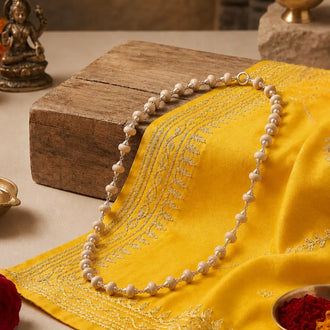
When you sit for your gita path janmashtami, you must first decide the scale of your reading. While reading all 18 chapters is ideal, it takes roughly three to four hours for an average reader. If your time is limited due to fasting or temple visits, focusing on specific chapters is a valid alternative. The goal is to absorb the meaning rather than just finishing the pages. Use a tulsi kanthi mala to stay in a devotional state throughout the day.
Understanding Bhagavad Gita Chapter 4 Meaning
Chapter 4, titled Jnana Karma Sannyasa Yoga, is the most traditional choice for this festival. It contains the bhagavad gita chapter 4 meaning which explains the history of the Gita and the nature of Krishna's birth. Krishna tells Arjuna that He has appeared many times before and remembers all those lives. He explains that His birth and activities are transcendental and not subject to the laws of karma like ours. Reading this chapter helps you understand why we celebrate Janmashtami. It clarifies that the Lord is not born of necessity but of compassion. Devotees often recite the first fifteen verses multiple times to let the truth of the Lord's arrival sink in.
Establishing Your Gita Paath Vidhi at Home
Your gita paath vidhi at home should begin with purification and a clear intention. Wake up before sunrise, take a bath, and wear clean clothes, preferably yellow or white. Place the Bhagavad Gita on a small wooden stand or chowki. Light a ghee lamp and incense to create a sattvic atmosphere. Offer a small prayer to Srila Vyasadeva, the author, and to Lord Krishna as the speaker. Before starting, hold a little water in your palm and make a sankalp (vow) to complete the reading for the pleasure of the Lord. If you find your mind wandering, you can use premium tulsi japa beads between chapters to regain your focus on the holy name.
The Power of Chapter 12 and Chapter 15
If you are wondering which gita chapter to read when time is short, Chapter 12 and Chapter 15 are excellent choices. Chapter 12, Bhakti Yoga, is only 20 verses long but summarizes the entire path of devotion. It describes the qualities of a devotee who is dear to Krishna. Chapter 15, Purushottama Yoga, explains the tree of material existence and how to detach from it. Many temples in India recite Chapter 15 daily because it contains the essence of the Vedas. Reading these chapters on Janmashtami ensures you capture the heart of Krishna's message even if you cannot read the full 700 verses. You can also recite the 108 names of Krishna after your reading to conclude the morning session.
Benefits of Reading Gita on Janmashtami
- Reciting the Gita on this tithi is said to yield the benefit of multiple pilgrimages.
- It clears the confusion of the mind just as it cleared Arjuna's doubts on the battlefield.
- The vibration of the Sanskrit shlokas purifies the home environment and the speakers heart.
- Understanding the Lord's instructions makes the midnight abhishek ceremony more meaningful.
- It establishes a discipline of daily reading that can continue throughout the year.
- Focusing on Chapter 4 specifically helps a seeker understand the concept of an avatar.
- Sharing the verses with family members creates a spiritual bond within the household.

Can the Bhagavad Gita be read at home without a teacher, and where should a beginner start?
Yes, you can certainly read the Bhagavad Gita at home without a formal teacher. In the modern age, many commentaries are available that provide word-for-word meanings and purports. A beginner should start by reading a version that includes the original Sanskrit, the transliteration, and a clear translation. It is helpful to start with the "Gita Mahatmya", which explains the glories of the text. For the actual chapters, a beginner often finds Chapter 12 (Bhakti Yoga) or Chapter 15 (Purushottama Yoga) easier to digest because they are concise and direct. While a teacher can provide deeper nuances, the Gita is the Lord's direct speech and He guides anyone who approaches it with a submissive heart. If you encounter difficult philosophical points, note them down and consult a qualified priest or a senior devotee later. Do not let the lack of a teacher stop you from starting your journey with the Gita this Janmashtami. The Lord Himself acts as the internal Guru for a sincere seeker who reads with faith.
Common Mistakes
- Reading the text without washing your hands or while sitting in an impure place.
- Focusing only on the speed of recitation rather than the meaning of the verses.
- Ignoring the Smarta and Vaishnava date difference for your reading schedule.
- Keeping the sacred book on the floor or near your feet during the session.
- Skipping the opening and closing prayers which establish the right mood for the path.
FAQ
Which gita chapter to read first on Janmashtami morning?
Which gita chapter to read first depends on your goal, but Chapter 4 is the most traditional choice. It explains the purpose of Krishna's appearance and the nature of His transcendental activities, making it perfect for the festival morning.
What is the correct gita paath vidhi at home for beginners?
The gita paath vidhi at home involves bathing, lighting a ghee lamp, and placing the book on a stand. You should perform a simple sankalp and read with a focused mind, ideally during the quiet Brahma Muhurat hours before sunrise.
What is the importance of the bhagavad gita chapter 4 meaning?
The bhagavad gita chapter 4 meaning is vital because it details the history of spiritual knowledge. It contains the famous verses about why the Lord incarnates in every age to protect devotees and reestablish the principles of dharma.
Can I complete the entire gita path janmashtami in one day?
You can certainly complete the entire gita path janmashtami in one day, as it takes about three to four hours. Many devotees choose to do this while fasting to keep their minds fully absorbed in the instructions of the Lord.
Do I need a special mala for my Janmashtami reading?
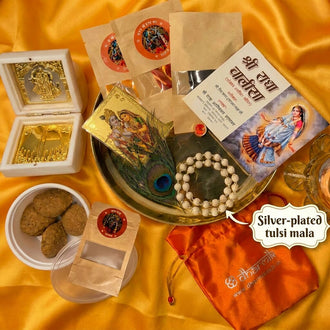
You do not need a special mala for reading, but using a tulsi mala for japa between chapters is common. This helps maintain the meditative state required for a successful bhagavad gita janmashtami path and keeps you connected to the Lord.
Conclusion
Celebrating the advent of Lord Krishna is incomplete without hearing His message. Whether you choose to read the entire 18 chapters or focus on the core verses of Chapter 4, your sincerity is what matters most. Remember to follow the proper vidhi and respect the sacredness of the text throughout the day. Using a silver plated tulsi mala can help you feel more connected to the tradition during your prayers. Performing your bhagavad gita janmashtami path with devotion will transform your festival experience. For more ways to celebrate, see our guide on the 108 names of Krishna for your evening puja.