108 Names of Lord Krishna: Meaning and Benefits for 2026

Sri Krishna Ashtottara Shatanamavali: 108 names of krishna and Meanings
By Dharmik Life, Devotional Content Lead. Last updated: 21 August 2026
Devotees in the narrow lanes of Vrindavan often begin their day by reciting the various titles of the Lord. Reciting the 108 names of krishna connects your heart to the various pastimes and qualities of the Supreme Person. These names are not mere labels but represent specific energies and events from the life of the eighth avatar of Vishnu. You can use this list for daily japa (repetition), as an archana (offering) during puja, or to find a meaningful name for a newborn. This guide provides the complete Sanskrit list with English meanings for your spiritual practice.
Quick Takeaways
- The term Ashtottara Shatanamavali refers to a collection of one hundred and eight sacred titles.
- Chanting these titles helps focus the mind during meditation on the form of the Lord.
- Parents often choose names from this list to ensure their children carry divine vibrations.
- Reciting the list during Janmashtami is considered especially auspicious for gaining mental peace and clarity.
| Category | Details for 2026 |
|---|---|
| Primary Event | Shri Krishna Janmashtami |
| Date (Smarta) | 4 September 2026 (Friday) |
| Date (Vaishnava) | 5 September 2026 (Saturday) |
| Tithi | Bhadrapada Krishna Ashtami |
| Nishita Kaal Muhurat | 23:55 to 00:41 (Delhi Window) |
| Spiritual Goal | Bhakti (devotion) and Shanti (peace) |
Why This Matters
Reciting these names is a form of yoga that purifies the consciousness through sound. Each title describes a specific leela (divine play) or a cosmic attribute of the Lord. For example, the name Damodara reminds us of the time Yashoda Maiyya tied little Krishna to a grinding stone with a rope. This practice is supported by ancient tradition and serves as a bridge between the devotee and the divine. The sound of the name is considered non-different from the Lord himself in the path of Bhakti. In the Bhagavata Purana 10.3, we find a detailed description of Lord Kṛṣṇa’s divine appearance in the prison of Kaṁsa at Mathura. The chapter describes His appearance as the Supreme Lord and His purpose of protecting His devotees and the world. By chanting his names, you invite that protective energy into your home. The vibrations of these Sanskrit syllables clear the atmosphere of negative thoughts. Whether you are in Kashi or a modern city, these names bring the atmosphere of the spiritual world to you. Many devotees find that regular chanting improves their concentration and reduces daily stress. You can learn more about the significance of this period in our post about Bhagavad Gita Janmashtami chapters and their importance.

The Main Guide: 108 names of krishna
This list is typically recited during an archana ritual where a flower or a tulsi leaf is offered for each name. You can also chant them as a prayer. Here are the titles with their specific meanings for your daily bhakti practice.
Childhood and Vrindavan Names
1. Krishna: The one who is all-attractive and dark-complexioned.
2. Kamalakantha: The beloved Lord of Goddess Lakshmi.
3. Vasudeva: The son of Vasudeva or the all-pervading one.
4. Sanatana: The eternal Lord who has no beginning or end.
5. Vasudevatmaja: The son who was born to King Vasudeva.
6. Punya: The personification of purity and supreme holiness.
7. Lila-manushya-vigraha: The Lord who assumes a human form for divine play.
8. Shrivatsa-kaustubha-dhara: The one who wears the Shrivatsa mark and Kaustubha gem.
9. Yashoda-vatsala: The darling child of Mother Yashoda in Gokul.
10. Devaki-nandana: The beloved son of Mother Devaki.
11. Chaturbhuja: The four-armed Lord who appeared before his parents.
12. Shankha-chakra-gada-dhara: The holder of the conch, disc, and mace.
13. Pitambara-dhara: The Lord who wears beautiful yellow silk garments.
14. Adhokshaja: The one who is beyond the reach of material senses.
15. Ajaya: The unconquerable Lord who always triumphs over evil.
16. Narayana: The refuge of all living beings and the source of all.
17. Govinda: The protector of the cows and the giver of pleasure to senses.
18. Gopala: The divine cowherd boy who roams the forests of Vraja.
19. Madhava: The Lord of knowledge and the husband of Goddess Lakshmi.
20. Madhusudana: The slayer of the demon Madhu who represents ego.
Attributes and Heroic Deeds
21. Kamsantaka: The slayer of the demon King Kamsa of Mathura.
22. Dwarkadhyasha: The majestic King and ruler of the golden city Dwarka.
23. Muralidhara: The one who holds the enchanting flute to his lips.
24. Balabhadra-priyanuja: The dear younger brother of Lord Balarama.
25. Vishwakarma: The creator of the entire universe and all its forms.
26. Janardana: The one who bestows boons and helps his devotees.
27. Vishwarupa: The one who displayed the universal form to Arjuna.
28. Jagadguru: The supreme teacher of the entire world and the Gita.
29. Parthasarathi: The charioteer of Arjuna during the Kurukshetra war.
30. Hrishikesha: The master of the senses and the inner guide.
31. Achyuta: The infallible Lord who never fails his devotees.
32. Vaikunthanatha: The Lord of the supreme spiritual abode Vaikuntha.
33. Bhagavan: The possessor of all six spiritual opulences.
34. Bhaktavatsala: The one who is very affectionate toward his devotees.
35. Shauri: The descendant of the heroic King Shurasena.
36. Murari: The enemy of the demon Mura.
37. Narayana: The ultimate resting place of all souls.
38. Dayanidhi: The ocean of mercy who forgives all mistakes.
39. Sarvapalaka: The protector and sustainer of all living entities.
40. Mukunda: The giver of liberation from the cycle of birth and death.
Divine Nature and Titles
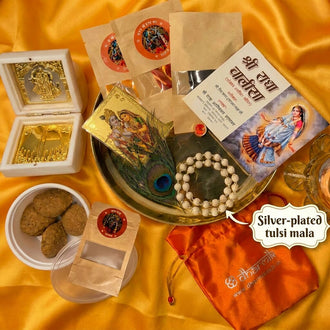
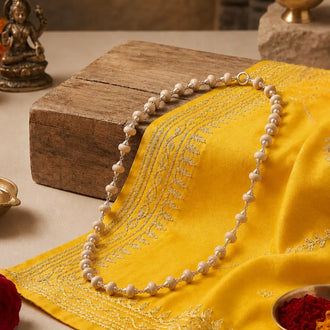
Many devotees use a sacred tulsi japa mala to count these names during their morning prayers. Chanting with beads helps keep the mind from wandering during the ritual. 41. Yogeshwara: The master of all mystic powers and yogic perfections.
42. Purushottama: The supreme person among all living beings.
43. Srikantha: The one with a beautiful and divine neck.
44. Madhavapriya: The Lord who is very dear to Goddess Lakshmi.
45. Trivikrama: The one who covered the three worlds in three steps.
46. Vamanapandita: The learned Lord who appeared as the dwarf brahmana.
47. Satyavrata: The one who is always dedicated to the truth.
48. Satyavachana: The one whose words are always truthful and eternal.
49. Satyadharma: The one who is the foundation of eternal religion.
50. Niranjana: The one who is untainted by any material qualities.
51. Niradhara: The one who is self-supported and needs no base.
52. Nirguna: The Lord who is beyond the three modes of material nature.
53. Nirvikara: The one who is changeless and eternally the same.
54. Nitya: The eternal Lord who exists in all periods of time.
55. Nirupama: The one who is incomparable and has no equal.
56. Nishkala: The Lord who is perfect and has no divisions.
57. Nirvikalpa: The one who is free from all doubts and distractions.
58. Nirashraya: The one who is the ultimate shelter for everyone.
59. Paratpara: The one who is higher than the highest reality.
60. Paramatman: The supersoul dwelling in the hearts of all creatures.
Benefits of Chanting
Reciting the names of the Lord brings multiple spiritual and mental advantages to the practitioner. In the tradition of the Puranas, sound is the most powerful tool for changing one's internal state. You do not need complex rituals to start this practice. Simply sitting in a quiet corner with a sincere heart is enough to feel the presence of the Lord. Wearing a triple round kanthi can serve as a constant reminder of these divine qualities throughout your day.
- Mental Peace: The rhythmic chanting calms the nervous system and reduces anxiety.
- Protection: Devotees believe these names act as a shield against negative planetary influences.
- Focus: Regular japa improves your ability to concentrate on tasks without getting distracted.
- Spiritual Growth: Constant remembrance of the Lord's names leads to the development of pure devotion.
- Vibrational Healing: Sanskrit sounds are believed to balance the energy centres in the human body.
- Fulfillment of Desires: While devotees chant for love, the scriptures mention that the Lord also fulfills material needs.
- Family Harmony: Reciting these names together in the evening creates a peaceful domestic environment.

How is the 108 names chanting performed with a mala, and how long does it take?
Performing the chanting of the 108 names with a mala is a simple yet disciplined process. You should hold the mala in your right hand using the middle finger and the thumb to move the beads. The index finger must not touch the beads because it represents the ego. Start at the bead next to the large head bead, which is called the sumeru. For each name you recite, pull one bead toward you. Once you finish all 108 names, you will reach the sumeru again. It is a tradition never to cross the sumeru. If you wish to do another round, turn the mala around and move in the opposite direction. A single round of 108 names typically takes between eight and twelve minutes. This depends on your speed of pronunciation and how much time you spend meditating on the meaning of each title. Beginners might take fifteen minutes as they familiarise themselves with the Sanskrit syllables. It is best to chant at a steady pace rather than rushing through the list. You should consult a local priest or a senior devotee if you are unsure about the specific pronunciation of any name. With sincere devotion, this practice can help devotees contemplate the Supreme Absolute Truth while deepening their connection with the Divine.
Common Mistakes
- Crossing the sumeru bead while counting on the mala is a frequent error that breaks the traditional flow.
- Chanting too fast often leads to incorrect pronunciation of the Sanskrit vowels, which changes the meaning.
- Many devotees skip the bath before sitting for japa, which is recommended for maintaining physical and mental purity.
- Using the index finger to move the beads is a common habit that should be avoided in traditional japa.
- Starting the chant without a clear intention or Sankalpa can make the practice feel like a mechanical routine.
FAQ
How do I choose a baby name from Krishna's names?
You choose a baby name from Krishna's names by looking for a meaning that resonates with your family values. Names like Madhav, Advait, or Anish are popular choices. Ensure you understand the full Sanskrit meaning before making a final decision for the child.
Can I chant the 108 names without a mala?
You can chant the 108 names without a mala by using your fingertips to keep count or simply reading from a book. While a mala helps in focus, the devotion in your heart is more important than the tool used for counting.
What is the best time to recite Krishna's names?
The best time to recite Krishna's names is during the Brahma Muhurat, which is about an hour and a half before sunrise. This time is quiet and the mind is naturally more receptive to spiritual vibrations and peaceful meditation.
Should I chant the names out loud or silently?
You should chant the names in a way that feels comfortable, but whispering or soft chanting is often recommended. Silently chanting is excellent for deep meditation, while soft vocalisation helps beginners stay focused on the sound of the holy name.
Is it necessary to be a vegetarian to chant these names?
It is not strictly necessary to be a vegetarian to start chanting, but a sattvic diet is recommended for spiritual progress. Many devotees find that as their practice deepens, they naturally gravitate toward a cleaner diet to help their meditation.
Conclusion
Reciting the 108 names of krishna is a simple way to bring the essence of Vrindavan into your daily life. Whether you are looking for a baby name or a spiritual practice, these titles offer a direct connection to the Lord. Start with a few names and gradually learn the full list for your daily prayers. The practice brings mental clarity and a sense of divine protection to the entire household. For more devotional inspiration, you can read our guide on Aarti Kunj Bihari and Krishna mantras to enhance your worship. Consistent chanting of the 108 names of krishna will surely deepen your inner peace.