Janmashtami Vrat Recipes 2026: Phalahar Guide for Devotees

Sattvik Janmashtami Vrat Recipes for 4 September 2026
Devotees in Vrindavan often keep a strict fast until the Nishita Kaal puja at midnight to honour the birth of Shri Krishna. Preparing janmashtami vrat recipes requires a careful selection of ingredients to maintain the sattvik nature of the kitchen. This meal, known as phalahar, excludes common grains like wheat and rice. You will learn how to prepare traditional meals using buckwheat and water chestnut flour. These recipes help you stay focused on the midnight appearance of Lord Krishna. By the end of this guide, you will be able to plan a complete fasting menu for your family.
Quick Takeaways
- Use sendha namak instead of regular table salt for all fasting preparations.
- Replace wheat with kuttu or singhara flour for making puris and parathas.
- Sabudana and makhana provide the steady energy needed for the 24-hour fast.
- Avoid onion and garlic to keep the meal strictly sattvik and pure.
| Ingredient | Purpose | Permitted Type |
|---|---|---|
| Salt | Seasoning | Sendha Namak (Rock Salt) |
| Flour | Breads and Puris | Singhara or Kuttu |
| Grain | Main course | Samak (Barnyard Millet) |
| Fat | Cooking medium | Desi Ghee or Peanut Oil |
| Sweetener | Desserts | Jaggery or Sugar |
Why This Matters
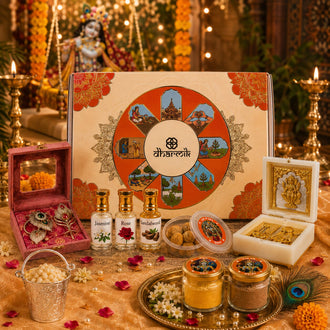
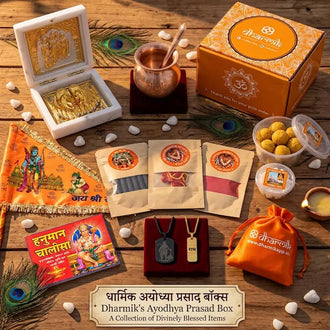
The midnight hour on 4 September 2026 marks the specific time Lord Krishna appeared in the prison cell of Kansa. Fasters observe this day to align their consciousness with the arrival of the Lord on Earth. The practice of phalahar allows the body to remain light during long hours of chanting and meditation. Grains are traditionally avoided because they are said to absorb heavy energies on this specific tithi of Bhadrapada Krishna Ashtami. The Bhagavata Purana 10.3 describes the divine birth and the joy that filled the universe at that moment. Many devotees visit the Krishna Balaram Mandir in Vrindavan to witness the grand abhishek at midnight. Since the fast lasts until the moonrise or midnight, the meals must be easy to digest yet filling enough to prevent fatigue. Choosing the right janmashtami phalahar recipe ensures that your physical health does not distract from your spiritual focus. You can find more details on the specific timing of the fast in our guide on janmashtami vrat rules parana to ensure you break your fast at the correct muhurat. Staying hydrated with coconut water or milk-based drinks is also a common practice among Vrajavasis during the intense summer heat of Bhadrapada. Pure ingredients like those in a vrindavan prasad box remind us of the simple devotion of the Brijwasis.
The Main Guide to Janmashtami Vrat Recipes
Sabudana Khichdi Vrat Preparation
Soak 1 cup of sabudana for 4 to 5 hours until the pearls are soft and separate easily. Heat 2 tablespoons of desi ghee in a heavy-bottomed pan and add a teaspoon of cumin seeds. Add chopped green chillies and roasted peanuts for texture and protein. Mix in the soaked sabudana with a teaspoon of sendha namak and a squeeze of lemon. Cook on low heat until the pearls become translucent and soft to the touch. This sabudana khichdi vrat staple is a favourite because it provides instant carbohydrates for those performing kirtan throughout the day.
Kuttu Ki Puri Recipe
Boil 3 medium potatoes and mash them thoroughly while they are still warm to ensure no lumps remain. Mix the mashed potatoes with 2 cups of buckwheat flour to form a stiff, workable dough. Avoid adding water if possible, as the moisture from the potatoes is usually sufficient to bind the kuttu. Roll out small circles on a greased surface and deep fry them in hot ghee until they puff up. This kuttu ki puri recipe is essential for a filling meal that sustains energy levels during the long evening wait for the moonrise.
Samak Ke Chawal
Samak is often called vrat ke chawal in North Indian households and serves as a grain substitute. Wash 1 cup of samak rice and sauté it in ghee with cumin seeds and a few cloves for aroma. Add 2 cups of water and cook on a low flame until the water is completely absorbed and the grain is tender. This dish pairs perfectly with a side of fresh curd or a simple potato curry made without turmeric or mustard seeds. It offers a texture similar to regular rice without breaking the spiritual rules of the Janmashtami fast.
Vrat Wale Aloo Curry
Heat ghee in a pan and add cumin seeds and ginger paste for a warm, sattvik flavour profile. Add chopped tomatoes and cook until they are soft before adding boiled, cubed potatoes. Season with sendha namak and black pepper, then add water to create a thin, comforting gravy. Garnish with fresh coriander leaves before serving it hot with kuttu puris. This simple curry is a mainstay of vrat ka khana janmashtami celebrations across the country.
Singhara Halwa for Prasad
For a sweet finish, use water chestnut flour to make a quick and nutritious halwa for the family. Sauté the flour in desi ghee until it turns a light golden brown and releases a distinct nutty aroma. Add warm water and sugar, stirring continuously to prevent any lumps from forming in the pan. This dense, sweet dish is often served after the midnight puja as part of the initial parana. It provides a quick burst of energy after the long day of austerity and prayer.

Benefits of Traditional Vrat Foods
- Maintaining a sattvik diet reduces lethargy and keeps the mind calm for meditation.
- Buckwheat provides high fibre and protein compared to polished white grains.
- Sendha namak is less processed than common salt and is cooling for the digestive system.
- Makhana contains magnesium and potassium, which help regulate blood pressure during a fast.
- Water chestnut flour is low in sodium and high in essential antioxidants.
- Using pure desi ghee provides the healthy fats needed for sustained physical energy.
- Fresh fruits like banana and apple provide natural sugars to prevent afternoon dizziness.
- Including homemade yogurt in the meal aids digestion and provides a cooling effect.
- Following these traditions connects you to the ancient lineage of Vraja devotees.
- Preparing your own meal ensures the absolute purity of the ingredients used for the Lord.
Which flours and salts are permitted during a Janmashtami fast?
During the Janmashtami fast, devotees must avoid all cereal grains such as wheat, rice, corn, and semolina. The permitted flours are kuttu (buckwheat), singhara (water chestnut), and rajgira (amaranth). These are technically seeds or tubers, which is why they are considered phalahar and suitable for consumption. Similarly, ordinary table salt is prohibited because it is often fortified or processed with anti-caking agents that are not sattvik. Devotees use sendha namak, which is unprocessed rock salt extracted directly from the earth. It is considered the purest form of salt in Ayurvedic and Vedic traditions. Many families also avoid turmeric and red chilli powder, opting for black pepper and fresh ginger to add heat to their dishes. If you are pregnant, diabetic, or have a chronic medical condition, please consult a doctor before starting a strict fast. A qualified priest can also provide guidance if you are unsure about regional variations in ingredient permissions for your specific community.

Common Mistakes
- Using regular table salt instead of rock salt is the most frequent error during Janmashtami.
- Buying pre-mixed flours that might contain traces of wheat or other non-vrat grains.
- Forgetting to wash sabudana properly, which results in a sticky and unappealing khichdi texture.
- Using mustard oil for frying instead of desi ghee or pure peanut oil.
- Adding turmeric to the vegetable preparations, which some regional traditions strictly forbid during a fast.
FAQ
Can I eat table salt during the Janmashtami fast?
No, you cannot eat table salt during the fast because it is highly processed and contains additives. Devotees use sendha namak, also known as rock salt, which is considered pure and sattvik for all ritual fasting and offerings.
Is turmeric allowed in janmashtami phalahar recipe preparations?
Whether turmeric is allowed depends on your specific family tradition or regional custom. Some devotees avoid turmeric because it is often ground in commercial mills that process grains, while others include it for its various health benefits.
Can I use sunflower oil for cooking vrat food?
You should avoid sunflower oil and instead use desi ghee or peanut oil for cooking. Most traditional practitioners in Vrindavan prefer ghee because it is considered the most sacred and sattvik medium for preparing offerings for the Lord.
Is sabudana a grain or a fruit?
Sabudana is not a grain but a starch extracted from the spongy centre of tropical palm stems. Since it does not come from a cereal crop like wheat, it is permitted as part of the phalahar diet.
When should I eat the main meal during the fast?
You should eat the main meal after performing the evening aarti but before the midnight Nishita Kaal puja begins. Some devotees choose to eat only once after the midnight celebrations have concluded and the Lord has appeared.
Conclusion
Preparing these janmashtami vrat recipes allows you to honour the appearance of Lord Krishna with a pure heart and body. By choosing ingredients like kuttu, singhara, and sendha namak, you maintain the sanctity of your home kitchen. Remember to keep the focus on devotion rather than just the flavours of the meal. You can also prepare a special 56 bhog dhaniya panjiri recipe to offer as prasad during the midnight aarti. Following these traditional methods ensures a successful janmashtami vrat recipes experience for your entire family. May your fast bring you closer to the grace of Shri Krishna.