Vaijanti Mala Benefits and Significance for Krishna Bhakt

Sacred Vaijanti Mala Significance Krishna and Vanamala Tradition
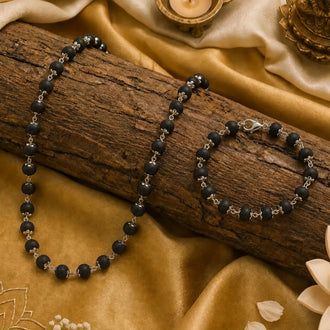
Devotees visiting the Banke Bihari temple in Vrindavan often reach the gates before the 4:45 AM mangala aarti to see the Lord. They often notice the dark, teardrop seeds of the vaijanti mala draped around the neck of the deity. This forest garland represents the natural beauty of the Braj forests and the victory of devotion. Unlike many synthetic items, these seeds grow in the wild forests of India and possess a unique cooling weight. You will learn how to identify authentic seeds and use them for your daily spiritual practice.
Quick Takeaways
- Krishna wears this garland as a symbol of victory over the material world.
- Natural seeds are teardrop shaped and turn darker with constant daily use.
- Many devotees use these beads to improve confidence and resolve life obstacles.
| Factor | Vaijanti Mala | Tulsi Mala |
|---|---|---|
| Material | Natural wild seeds (Canna indica) | Sacred Basil wood (Ocimum tenuiflorum) |
| Symbolism | Victory and royal protection | Surrender and pure devotion |
| Primary Deity | Lord Krishna and Lord Vishnu | Shri Krishna and Shri Rama |
| Origin | Grows wild in Braj forests | Cultivated in sacred gardens |
| Best For | Success in worldly obstacles | Constant spiritual chanting |
Why the vaijanti mala Is Essential for Victory
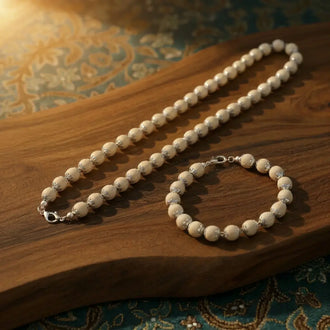
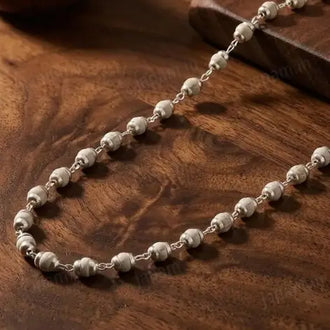
The Lord's vanamala (forest garland) is an essential part of his appearance in the holy dham of Vrindavan. The vaijanti beads meaning is rooted in the Sanskrit word "vaijayanti," which literally translates to "that which brings victory." These seeds are considered the "seeds of victory" given by the earth to the Lord. In the tradition of Braj, these are not just ornaments but symbols of the connection between the Lord and nature. Unlike the cultivated tulsi plant, vaijanti grows in the wild, representing the beauty of the Vraja landscape. The vaijanti mala significance krishna is clearly mentioned in traditional texts. The Bhagavata Purana 10.21 describes the Lord entering the forest of Vrindavan while wearing this sacred ornament that reaches down to his knees. It is said that Shri Radharani herself gifted such a garland to Krishna during their pastimes. Many devotees wear it to invite the same protective and victorious energy into their own lives. For those beginning their journey, understanding tulsi mala Krishna bhakti is a helpful comparison to this wild forest bead. The seeds have a natural grey-white polish that grows brighter with constant contact with the skin.

What You'll Need
Starting a practice with these sacred seeds requires a few traditional items to maintain their purity.
The essentials
- Vaijanti Mala: the primary tool for chanting and wearing. natural vaijanti mala
- Three Round Kanthi: for devotees who wish to wear sacred beads daily. three round kanthi
- Gomukhi bag: to keep your prayer beads clean during your daily jaap sessions.
- Ganga jal: for the initial purification of the seeds before first use.
If you are doing the full vidhi
- Silver Plated Necklace: a durable way to wear sacred beads for protection. silver plated necklace
- Mala Combo Set: includes both prayer and wearing beads for a complete practice. mala combo set
- Chandan paste: to apply a tilak to the Meru bead during the puja.
- Ghee lamp: to offer light to the mala during the Janmashtami midnight muhurat.
Find our complete collection of sacred beads at https://dharmiklife.com/collections/tulsi-mala

The Main Guide to Using Vaijanti Beads
How to wear the beads for the first time
The best time to start wearing these beads is on a Friday or during a major festival like Janmashtami 2026. On 4 September 2026, you should wait for the Nishita Kaal midnight window to perform the initial shuddhi (purification). Begin by washing the seeds gently with Ganga jal and cow milk. Avoid using soaps or chemical cleaners as the natural pores of the seeds will absorb them. Place the mala at the feet of a Krishna murti or image and offer a simple dhoop (incense). You can find more about deity worship in our guide on laddu gopal shringar janmashtami for your home altar. Once the offering is complete, you may wear it around your neck or use it for chanting. It is traditional to touch the beads to your forehead before wearing them to show respect to the forest energy.
Maintaining the natural polish of the seeds
Natural vaijanti seeds are organic and respond to the oils in your skin. Over time, the grey or white seeds will take on a darker, polished appearance. This change in colour is a sign that the mala is becoming attuned to your personal energy. If the seeds become dry or brittle, you can apply a tiny drop of sandalwood oil or natural cow ghee to keep them supple. Do not wear the mala while bathing or swimming, as excessive water can cause the seeds to swell and eventually crack. If a seed does crack, it is best to return it to a sacred river like the Yamuna and replace the mala. Storing the beads in a silk or cotton cloth when not in use helps preserve their vibration.
Using the mala for specific Krishna mantras
While any Krishna mantra is suitable, the "Om Namo Bhagavate Vasudevaya" mantra is traditionally paired with these beads. The 108 beads in the mala help the devotee keep track of their counts without distraction. Start your chanting at the bead next to the Meru (the head bead) and move towards the other side. Never cross the Meru bead during your rounds. Instead, turn the mala around and start the next round in the opposite direction. This practice helps build a rhythmic focus that calms the mind during the early morning hours. Devotees often find that the unique weight of these seeds makes them easier to handle than lighter wooden beads during long meditation sessions.
Traditional Vaijanti Mala Benefits
The Vaijanti Mala benefits are diverse and touch upon both spiritual and mental well-being for the devotee. Known as the Garland of Victory of Lord Krishna, many practitioners find that these sacred seeds offer a grounding effect during periods of high stress or emotional turmoil.
- Spiritual Protection: These beads are believed to shield the wearer from negative influences and the evil eye.
- Confidence and Victory: The Garland of Victory is believed to help individuals face challenges with more courage.
- Calming the Mind: The natural cooling properties of the seeds are used in Ayurveda to balance the Pitta dosha.
- Attraction of Positivity: Traditionally known as vashikaran beads, they help in attracting positive people and opportunities into your life.
- Focus in Jap: The distinct teardrop shape of each bead makes it easy to feel the count during silent meditation.
- Connection to Lord Krishna: Wearing the same ornament as Lord Krishna strengthens the feeling of sakhya bhava (friendship) with the deity
What is the difference between a vaijanti mala and a tulsi mala for a Krishna devotee?
Common Mistakes Devotees Make
- Using synthetic substitutes: Many shops sell plastic or painted beads that lack the natural cooling properties of real forest seeds.
- Applying chemicals: Using perfumes or soaps directly on the mala can damage the organic structure of the seeds over time.
- Crossing the Meru: Many beginners forget to turn the mala around at the 108th bead, which is considered disrespectful in traditional jaap.
- Wearing during impurity: Devotees should remove the mala during times of physical impurity or while consuming non-vegetarian food to maintain its sanctity.
- Storing in plastic: Keeping natural seeds in plastic bags can cause them to rot; use natural cotton or silk instead.
FAQ
How can I identify original vaijanti seeds?
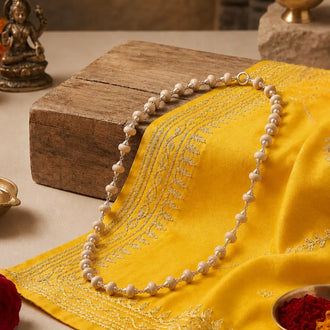
How can I identify original vaijanti seeds? Original seeds have a natural hole in the centre and a smooth, teardrop shape. They feel heavy and cool to the touch, unlike plastic or glass imitations that feel light and warm.
Can anyone wear a vaijanti mala?
Can anyone wear a vaijanti mala? Yes, anyone can wear it regardless of their gender or age as long as they maintain basic cleanliness. It is particularly helpful for those seeking victory in their personal or professional lives.
What is the vaijanti vs tulsi mala comparison?
What is the vaijanti vs tulsi mala comparison? The main difference is that tulsi is for pure devotion and service, while vaijanti is for victory and success. Tulsi comes from wood, whereas vaijanti comes from natural wild forest seeds.
On which day should I start wearing the mala?
On which day should I start wearing the mala? Friday is considered the most auspicious day to start wearing this mala because it is associated with the energy of attraction and victory. Festivals like Janmashtami are also excellent times.
Does the vaijanti mala require special mantras?
Does the vaijanti mala require special mantras? No special mantras are mandatory, but the Krishna maha-mantra or "Om Namo Bhagavate Vasudevaya" are highly recommended. Always start your first round after a simple purification ritual with Ganga jal.
Conclusion
The tradition of wearing sacred beads connects us directly to the pastimes of Krishna in the forests of Braj. By choosing a natural garland, you invite the energy of victory and protection into your daily spiritual practice. Remember to maintain your beads with respect and avoid contact with harsh chemicals to preserve their natural polish. These seeds are more than just jewellery; they are tools for focus and symbols of devotion. Embracing the power of the vaijanti mala in your life can deepen your connection to the Lord. For more information on starting your path, read our guide on tulsi mala Krishna bhakti today.