Guru Purnima 2026: Date, Puja, Significance & Honoring Gurus

Guru Purnima 2026: Honoring Spiritual Teachers and Vyasa Dev
Imagine the cool, crisp air of a July morning, devotees gathering with heartfelt offerings, ready to express gratitude to their spiritual guides. This scene captures the essence of Guru Purnima 2026, a sacred day for honoring those who illuminate our path. This sacred observance falls on July 29th, providing a cherished opportunity for reflection and reverence.
In this post, we will learn about the precise date and timings for Guru Purnima 2026, understand its deep spiritual significance, explore the traditional puja vidhi, and discover ways to show respect to your guru, whether a living master or the guru principle itself.
Quick Takeaways
- This sacred day celebrates spiritual teachers and the birth of Ved Vyasa.
- Observe rituals on July 29, 2026, during the Ashadha Purnima tithi.
- Traditional worship includes paduka puja and offering dakshina.
- Even without a living guru, one can honor the guru principle.
| Event | Date | Tithi | Purnima Tithi | Moonrise | Significance |
|---|---|---|---|---|---|
| Guru Purnima 2026 | Wednesday, July 29, 2026 | Ashadha Shukla Purnima | Begins: Tuesday, July 28, 2026 – 6:18 PM ISTEnds: Wednesday, July 29, 2026 – 8:05 PM IST | 6:32 PM IST | Honoring spiritual teachers (Gurus) and Maharishi Ved Vyasa; seeking wisdom, blessings, and spiritual growth. (Drik Panchang) |
Why This Matters: The Essence of Guru Purnima
Guru Purnima, also known as Vyasa Purnima, is a time-honored festival celebrated on the full moon day of the Ashadha month in the Hindu calendar. This day commemorates the birthday of Maharishi Ved Vyasa, the revered sage credited with compiling the Vedas, the Puranas, and the epic Mahabharata. His monumental contributions to spiritual literature are foundational to Hindu dharma, providing guidance and wisdom that have shaped generations of seekers. Vyasa Dev is considered the first Guru, the original teacher who organized knowledge for humanity.
The festival serves as a beacon, reminding devotees of the crucial role a guru plays in one's spiritual journey. The Guru-shishya parampara, the unbroken chain of teacher-disciple relationships, has sustained spiritual knowledge through millennia. This tradition emphasizes that true wisdom comes from a qualified teacher who removes the darkness of ignorance, guiding the disciple towards self-realization and ultimate truth.
The significance of a guru is beautifully expressed in the Guru Gita 1.35, which states, "Guru Brahma Guru Vishnu, Guru Devo Maheshvarah, Guru Sakshat Parabrahma, Tasmai Shri Gurave Namah." This verse proclaims the guru as the embodiment of the divine trinity - Brahma (creator), Vishnu (preserver), and Maheshvara (destroyer) - representing the Supreme Reality itself. Such reverence highlights the guru's supreme position as a spiritual guide.
In holy places like Vrindavan, where many spiritual traditions thrive, the gratitude towards gurus is visible in daily life. Here, Acharyas and spiritual masters of various sampradayas are revered as living manifestations of this guru principle. Devotees perform special pujas and offer heartfelt prayers to their spiritual masters, especially during Ashadha Maas, a month known for its spiritual potency. Understanding the traditional rituals associated with this month can deepen your practice, as explored in Ashadha Maas Rituals Guide.
This sacred day reinforces the idea that true knowledge and spiritual liberation are attainable through the guidance of a guru. It is a day to reflect on the teachings received, reaffirm one's commitment to the spiritual path, and recognize the continuous flow of wisdom passed down through the ages.
Guru Purnima 2026: Observing the Puja Vidhi
Observing Guru Purnima 2026 with traditional puja vidhi is a deeply meaningful way to express gratitude and seek blessings. These steps are followed by devotees across various traditions, fostering a sense of devotion and connection to their spiritual lineage.
- Early Morning Preparations: Wake up during Brahma Muhurta (around 4:00 AM to 5:00 AM) or well before sunrise. The Brahma Muhurta is considered highly auspicious for spiritual practices as the mind is calm and receptive. Take a purifying bath, ideally adding a few drops of Ganga Jal to your bathing water. Wear clean, traditional clothes, such as a dhoti for men or a sari/salwar for women. Prepare a sacred space for the puja, ensuring it is clean and serene, preferably facing east or north.
- Altar Setup: Set up an altar with an image or idol of your guru, or Maharishi Ved Vyasa. If you have photographs of your lineage gurus (parampara) or padukas (guru's sandals), place them prominently. Adorn the altar with fresh flowers like marigolds, roses, or lotus petals. Light traditional incense sticks (agarbatti or dhoop) and a ghee lamp (deepak) to invoke a sacred atmosphere. Arrange an offering plate with various items such as fruits, sweets, and water.
- Sankalpa: Begin the puja with a sankalpa (resolve or sacred intention). Hold a little water in your right palm and declare your intention to perform Guru Purnima puja for the blessings of your guru, for spiritual growth, and for the removal of ignorance. A simple sankalpa could be: "I, [Your Name], on this auspicious Guru Purnima, resolve to perform this puja to honor my Guru/Maharishi Ved Vyasa, seeking their blessings for spiritual growth and wisdom, and dedicating this worship to the Supreme Truth."
- Guru Vandana and Invocation: First, offer prayers to Lord Ganesha for obstacle removal. Then, recite Guru Vandana hymns and mantras. The most common and powerful is the Guru Stotram: "Guru Brahma Guru Vishnu, Guru Devo Maheshvarah, Guru Sakshat Parabrahma, Tasmai Shri Gurave Namah." Chant your specific guru mantra, or "Om Shri Gurave Namah," 108 times using a mala. This chanting invokes the guru's presence and blessings, allowing you to connect with their spiritual energy.
- Paduka Puja: Perform paduka puja, a symbolic worship of the guru's feet, which are considered the source of spiritual wisdom and grace. Wash the guru's padukas (or a symbolic representation) with Panchamrita - a mixture of water, milk (for purity), curd (for strength), ghee (for clarity), honey (for sweetness), and sugar (for happiness). Afterwards, wash them with plain water. Offer kumkum (red vermillion), haldi (turmeric), sandalwood paste, fresh flowers, and dhoop-deep (incense and lamp). This act symbolizes reverence and surrender to the guru's sacred feet.
- Offerings and Dakshina: Offer fresh fruits (like bananas, mangoes, apples), traditional sweets (ladoo, barfi), a new cloth (dhoti, sari, or shawl), and dakshina (monetary offering) to your guru. These offerings are tokens of gratitude, humility, and support for the guru's spiritual mission. Many devotees choose to offer spiritual items like a Monthly Vrindavan Puja Kit to support their guru's work or spiritual center. This act of giving symbolizes detachment and devotion.
- Meditation and Self-Reflection: After the formal offerings, spend some time in quiet meditation. Reflect on the teachings you have received from your guru, or from the scriptures if you follow a lineage of ancient masters. Contemplate how these teachings have impacted your life and resolve to implement them more sincerely. Visualize your guru's form and seek their inner guidance.
- Aarti and Prasad Distribution: Conclude the puja by performing an aarti, waving a lamp before the guru's image or idol while chanting devotional songs or simple mantras. The light of the aarti symbolizes the dispelling of ignorance. Distribute the offered prasad (sanctified food) among family members, friends, and other devotees. Sharing prasad distributes the blessings of the puja.
- Reading Sacred Texts and Pranama: Dedicate some time to reading scriptures compiled by Maharishi Ved Vyasa, such as portions of the Bhagavad Gita or a Puran. This deepens your understanding of the wisdom lineage. Finally, offer your heartfelt pranama (obeisances) to your guru, expressing your gratitude and seeking their continued guidance.
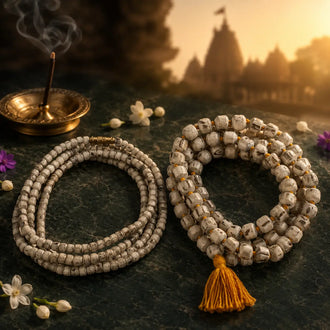
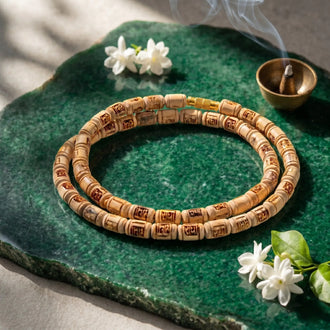
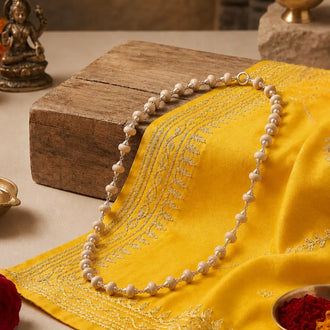
For those who engage in japa practice, using a Tulsi Japa Mala or a 5 Mukhi Rudraksha Mala during your Guru Mantra chanting can enhance focus and connection. These malas, particularly those blessed in Vrindavan or Kashi, aid in deepening devotional practice and absorbing spiritual energies from your chosen mantra and guru.

Daan and Spiritual Benefits on Guru Purnima
Performing daan (charity) on Guru Purnima multiplies the spiritual benefits and is a traditional way to honor the occasion. Your offerings become a channel for blessings and support spiritual endeavors, purifying the heart and attracting divine grace.
- Offerings to Guru: Donate new clothes, food, or essential items to your living guru or their ashram. This ensures their well-being and allows them to continue their spiritual service without material concerns. This act shows gratitude and humility.
- Feed the Needy: Organize Anna Daan (food donation) for those less fortunate. This act of selfless service, known as seva, is highly meritorious and embodies the guru's teachings of compassion and universal love. Feeding the hungry creates positive karma.
- Support Vedic Scholars: Provide financial assistance or books to students and teachers of Vedic scriptures. This helps preserve ancient knowledge and upholds the intellectual and spiritual tradition started by Vyasa Dev. Supporting education is a highly regarded form of charity.
- Donate Puja Items: Offer puja samagri like ghee, incense, or fresh flowers to temples or ashrams. Many devotees choose to donate items found in a Monthly Vrindavan Puja Kit, ensuring that sacred rituals can continue uninterrupted.
- Spiritual Literature: Distribute sacred books, especially those related to spiritual wisdom, the teachings of saints, or the lives of gurus. Sharing knowledge is a powerful form of daan, as it helps others on their spiritual path and promotes dharma.
- Service (Seva): Dedicate your time and effort in selfless service at an ashram, temple, or charitable organization. Seva performed with humility and without expectation of reward is a direct form of worship to the guru principle and cleanses the heart.
- Environmental Seva: Plant trees, participate in clean-up drives of holy sites, or support organizations dedicated to environmental preservation. This connects your spiritual practice to the well-being of Mother Earth, a teaching often emphasized by spiritual masters.
The act of giving, when done with a pure heart and without expectation, purifies the mind, reduces ego, and attracts divine grace. It is a practical application of the guru's lessons in detachment and selfless action, leading to inner peace and spiritual advancement.
Can you observe Guru Purnima if you don't have a living guru?
Yes, certainly. Many spiritual seekers find themselves without a direct, living guru, yet Guru Purnima remains a deeply significant day for them. The guru principle (Guru Tattva) extends beyond an individual person; it represents the universal divine force of knowledge that guides us from within and through various forms. It is the light that removes ignorance, wherever it may come from.
If you do not have a living guru, you can honor the parampara by offering prayers to great saints and spiritual masters of the past, such as Ved Vyasa, Adi Shankaracharya, or your family's kula-guru (family spiritual teacher). You can also revere your parents, academic teachers, or anyone who has imparted significant knowledge or guidance in your life. The story of Ekalavya, who learned archery by devotionally practicing before a statue of Dronacharya, exemplifies how a spiritual connection can transcend physical presence.
A true guru's guidance is often found in the sacred texts, in nature, or through profound life experiences that lead to deeper understanding. Dedicate the day to introspection, self-study (svadhyaya), and committing to spiritual discipline. Embracing practices like those suggested for Chaturmas Spiritual Discipline can serve as a form of self-guidance, aligning with the spirit of the day. The internal guru, the voice of conscience and higher intuition, is always present and can be honored through sincere devotion and a commitment to truth.
The essence of Guru Purnima is gratitude for knowledge and guidance. Even if the source is not a physical person, the reverence for truth and wisdom allows for a meaningful observance. The universal Guru Tattva is always accessible to a sincere seeker, providing inspiration and direction on the spiritual path.

Common Mistakes to Avoid
- Ignoring the Tithi: Not observing the puja during the auspicious Ashadha Purnima Tithi, which spans from July 28th evening to July 29th evening in 2026. Performing rituals outside this specific time may diminish the spiritual benefits associated with the energetic window.
- Commercializing Offerings: Focusing solely on expensive gifts for your guru rather than sincere devotion and personal service (seva). While offerings are good, the true essence lies in the heart's purity and genuine respect, not the monetary value of the gift.
- Forgetting the Guru's Teachings: Paying homage without reflecting on or attempting to implement the guru's spiritual instructions in daily life. The highest form of honoring a guru is to live by their teachings and integrate them into one's character and actions.
- Lack of Cleanliness: Performing puja without prior purification of body and mind, or in an untidy worship space. External and internal cleanliness are fundamental prerequisites for spiritual observances, creating a receptive environment for divine energy.
- Negative Mindset: Approaching the day with a skeptical, ungrateful, or distracted attitude. A negative mindset can block the reception of blessings and diminish the spiritual efficacy of the rituals. Sincerity and faith are key.
- Expecting Instant Results: Believing that performing Guru Purnima puja will instantly solve all problems or grant enlightenment without continued effort. Spiritual growth is a gradual process requiring sustained dedication and patience.
- Comparing Gurus: Engaging in comparisons or criticisms of different spiritual teachers or lineages. Each guru guides their disciples according to their path. True respect for one's own guru extends to respecting the path of others.
- Mechanical Rituals: Performing the puja vidhi merely as a set of mechanical actions without understanding their significance or connecting with the underlying spiritual intent. Heartfelt devotion elevates the ritual to a genuine act of worship.
What is the significance of Guru Purnima?
The significance of Guru Purnima lies in honoring spiritual and academic teachers, expressing gratitude for their guidance, and commemorating the birth of Maharishi Ved Vyasa. This auspicious day reinforces the Guru-shishya parampara, highlighting the guru's role in dispelling ignorance and leading disciples towards enlightenment.
When is Guru Purnima date 2026?
Guru Purnima date 2026 falls on Wednesday, July 29, 2026. The Purnima Tithi begins on 6:18 PM on July 28 to 8:05 PM on July 29 (IST). Devotees perform puja primarily on July 29.
How do devotees perform Guru Purnima puja vidhi?
Devotees perform Guru Purnima puja vidhi by rising early, purifying themselves, setting up an altar for their guru or Vyasa, performing sankalpa, chanting guru mantras, offering paduka puja, and making traditional offerings. An aarti concludes the ceremony, followed by distributing prasad.
What is Ashadha Purnima and its relation to Guru Purnima?
Ashadha Purnima is the full moon day of the Hindu lunar month of Ashadha. Guru Purnima is celebrated specifically on this Ashadha Purnima, making them intrinsically linked. This day marks the traditional time when disciples honor their spiritual masters.
Can I offer Rudraksha Mala or Tulsi Mala to my Guru on this day?
Yes, you can certainly offer a Rudraksha Mala or Tulsi Mala to your Guru on Guru Purnima. These sacred items are traditionally used for japa and meditation, symbolizing devotion and spiritual practice. Such an offering is considered very appropriate and respectful to a spiritual guide.
Conclusion
Guru Purnima 2026 offers a powerful reminder of the eternal guru principle, guiding us towards knowledge and liberation. By following the traditional puja vidhi, engaging in daan, and reflecting on the guru's teachings, we strengthen our spiritual resolve. Whether honoring a living teacher or the universal source of wisdom, this day deepens our connection to dharma and our spiritual lineage.
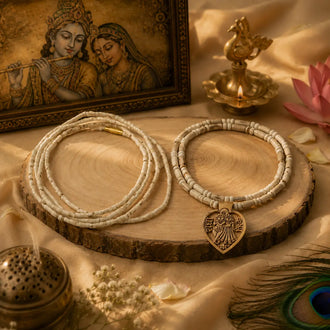
Embrace this opportunity to express gratitude and renew your commitment to the spiritual path. Consider incorporating authentic puja items, such as a Tulsi Kanthi Mala, into your daily practice, deepening your connection to the spiritual tradition. For more insights into auspicious observances, explore our guide on Chaturmas Spiritual Discipline.
By : Rehan Dhaka