Kanya Pujan Vidhi 2026: Steps for Ashtami and Navami Kanjak

Kanya Pujan Vidhi 2026: How to Perform Kanjak at Home Correctly
The sound of small metal bangles and the smell of ghee-roasted sooji (semolina) fills the air on 19 October 2026. Many devotees perform the kanya pujan vidhi to honour the nine forms of Devi before breaking their fast. This ritual transforms your home into a temple where little girls are treated as living goddesses. We have prepared this guide so you can welcome the Devi into your home with proper devotion. You will learn how to welcome, worship, and feed the little girls according to Shastras.
Quick Takeaways
- Perform the ritual on either Ashtami or Navami tithi during the shubh muhurat.
- Invite nine girls aged between two and ten years to represent the Navdurga.
- Include one young boy in the group to represent the guardian Batuk Bhairav.
- Prepare the traditional prasad of halwa, puri, and black chana without using salt.
| Event | Date | Tithi | Muhurat | Significance |
|---|---|---|---|---|
| Durga Ashtami | 18 October 2026 | Ashwina Shukla Ashtami | Morning after 06:24 AM | Honouring Maha Gauri |
| Maha Navami | 19 October 2026 | Ashwina Shukla Navami | Morning after 06:25 AM | Honouring Siddhidhatri |
| Kanya Pujan | 19 October 2026 | Ashtami or Navami | Morning Hours | Worship of the Girl Child |
Why This Matters
The ritual of kanjak is more than a simple meal. It is a recognition of the feminine energy that sustains the entire universe. According to the Devi Mahatmya / Durga Saptashati (Markandeya Purana), the goddess resides in all living beings, especially in the form of a girl child. In the spiritual heart of Vrindavan, devotees believe that serving these girls is equivalent to serving Radha Rani herself. By performing this pujan, a household seeks the blessings of wisdom, prosperity, and peace.
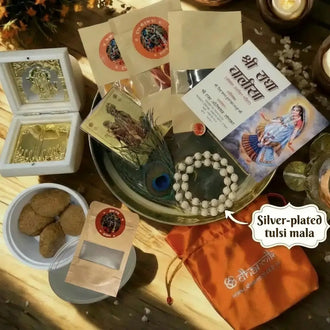
When you invite the girls into your home, you are inviting the nine forms of Durga. Each age represents a different aspect of the Divine Mother. For instance, a two-year-old represents Kumari, while a ten-year-old represents Subhadra. This tradition bridges the gap between the murti in the temple and the living spirit in our society. It teaches the family to respect women and girls as manifestations of power and grace. You can find a detailed navratri puja samagri list to ensure you are fully prepared for the main ceremony.
In many North Indian households, this ritual marks the successful completion of nine days of fasting. It is the moment when the vrata (fast) is concluded. Without the satisfaction of the kanjaks, the Navratri puja is often considered incomplete. This is why families take great care in preparing the food and selecting the gifts for the children.

The Main Guide
Performing the kanya pujan vidhi requires both physical preparation and a meditative mindset. Follow these steps to ensure the ritual follows traditional guidelines and brings joy to the young guests. It is best to start early in the morning so the children can be fed during the auspicious muhurat.
Step 1: Inviting the Guests
Traditionally, nine girls and one boy are invited. The boy is called a langoor, representing Batuk Bhairav, the protector of the Goddess. Go to your neighbours or relatives and invite them with a respectful pranam (greeting). It is best to invite them a day in advance so their parents can prepare them for the morning ceremony.
Step 2: Preparing the Prasad
The menu for kanjak is strictly defined. You must prepare sooji halwa (semolina pudding), fried puri (unleavened bread), and sukha kale chana (dry black chickpeas). Do not use onion or garlic in any of the preparations. Some families use rock salt (sendha namak) for the chana, while others prepare it completely saltless. Ensure the food is lukewarm when served, as children find it easier to eat.
Step 3: Welcoming and Feet Washing
When the girls arrive, welcome them at the door. You should wash their feet with clean water in a large metal basin or thali. This act of paer dhona is a sign of deep humility. After washing, dry their feet with a fresh, clean cloth. This step is essential as it cleanses the space and shows the guests they are being treated as deities.
Step 4: Applying Tilak and Akshat
Seat the children on comfortable mats or asans in a row. Apply a tilak of kumkum (vermilion) and chandan (sandalwood) on their foreheads. Place a few grains of akshat (unbroken rice) on the tilak. Tie a kalawa (sacred red thread) on their right wrists. You may also offer a small flower to each girl as a gesture of love.
Step 5: The Feeding Ritual
Serve the prasad in clean plates. If possible, use leaf plates (pattals) for a traditional touch. Let the girls eat as much as they like. Do not rush them. While they eat, you may chant "Jai Mata Di" or play devotional bhajans. After they finish, help them wash their hands and mouths with clean water.
Step 6: Offering Dakshina and Gifting
This is the final step of the vidhi. Give each girl a small gift and some money as dakshina. Many families include a silver coin as a lasting memento of the blessing. Touch the feet of each girl and seek their blessings. The ritual ends when the girls leave your home happily.

Gifts and Daan for Kanjak
Choosing the right gifts for the girls is a matter of both tradition and practicality. The items should be something the girls can use and cherish. Here are common items included in the daan:
- Red Chunri: A small red dupatta or scarf symbolizes the garment of the Goddess.
- Bangles and Hair Clips: Colourful accessories that the little girls will enjoy wearing.
- Writing Materials: Notebooks, pens, or crayons are excellent gifts that support their education.
- Steel or Brass Utensils: A small glass or bowl that they can use daily in their homes.
- Coin or Currency: Always include some cash, such as eleven, twenty-one, or fifty-one rupees.
- Traditional Prasad Box: A small box containing dry fruits or makhana to take home.
You may also consider giving a silver coin if you want to offer something more substantial for the family's altar. The goal is to ensure that no child leaves the house empty handed. The happiness of the child is the true measure of a successful pujan. Always give with an open heart and a smile, as the spirit of the gift matters more than the cost. You can read more about the difference between durga ashtami vs maha navami to decide which day suits your family tradition best.
What is the correct age range for girls invited to kanya pujan?
The correct age range for girls invited to kanjak is between two and ten years. In the Vedic tradition, a girl who has not yet reached puberty is considered a pure vessel for the divine energy of Maa Durga. Girls younger than two years are often too small to sit through the ritual or eat the solid prasad. Girls older than ten years are considered to have entered a different stage of life, moving away from the "Kumari" stage. Within the 2 to 10 range, each year corresponds to a specific name and energy of the Devi. For example, a three-year-old is Trimurti and a nine-year-old is Durga. If you cannot find nine girls exactly in this range, you may invite fewer, but ensure they are within these age limits. If you have concerns about dietary restrictions for very young children, please consult with their parents or a local priest for modifications.
Common Mistakes
- Ignoring the Langoor: Many families forget to invite a boy, but the pujan is incomplete without Batuk Bhairav.
- Using Onion or Garlic: The prasad must be pure sattvic food; even a small amount of onion is not permitted.
- Rushing the Children: Forcing the girls to eat quickly or get through the ritual ruins the spiritual atmosphere.
- Wrong Direction: The girls should ideally face East or North while eating to absorb positive solar energy.
- Showing Frustration: If a child spills food or gets restless, remain calm and patient to keep the pujan sacred.
FAQ
Kanjak pujan kaise kare?
Kanjak pujan kaise kare is a common question during Navratri. You should clean your home, wash the feet of the girls, apply a red tilak, and serve them a sattvic meal of halwa, puri, and black chana before giving dakshina.
How many girls for kanya pujan?
How many girls for kanya pujan are needed is traditionally nine. These nine girls represent the Navdurga forms, but if you cannot find nine, you can invite two, five, or seven and offer the remaining portions to a temple.
Kanya pujan age limit?
Kanya pujan age limit is strictly between two and ten years according to the Shastras. Girls in this age group are considered to have the purest form of energy, representing the different stages of the Divine Mother Durga.
Kanjak prasad menu?
Kanjak prasad menu usually consists of three main items: sooji halwa, fried puri, and sukha kale chana. The food must be prepared without onion or garlic, and many devotees prefer using pure desi ghee for the preparation.
Why one boy?
Why one boy is invited along with the girls is to represent Batuk Bhairav. In the Devi tradition, Bhairav is the protector and guardian of the Goddess, and his presence ensures the pujan is complete and protected.
Conclusion
The kanya pujan vidhi is a beautiful way to express your gratitude to Maa Durga for her protection. By honouring the young girls, you bring the spirit of the Navratri festival into your daily life. Remember to focus on the joy and comfort of the children as you serve them. This tradition keeps our ancient values of respect and hospitality alive in the modern home. Ensure you have all the necessary items from the navratri puja samagri list before the morning of the ceremony. May the blessings of the Devi bring peace and prosperity to your entire family through this kanya pujan vidhi.