Durga Ashtami 2026: Best Day and Timings for Kanya Pujan

Choosing Between Durga Ashtami 2026 and Maha Navami for Kanya Pujan
Devotees often feel a sense of confusion when deciding whether to host the little girls for Kanya Pujan on the eighth or ninth day of Navratri. The durga ashtami 2026 date falls on 18 October, marking a significant peak in our nine-day fast for Maa Durga. This choice usually rests on your family tradition, as both days carry specific blessings from the Devi. In North Indian households, the eighth day is the standard for kanjak, while others wait for the ninth. During the eighth day of Navratri, devotees focus on performing Durga Puja, offering prayers, and performing Kanya Puja as expressions of devotion and a prayer for divine protection. After reading this guide, you will be able to plan your ritual timings and select the correct day based on your lineage and the lunar tithi.
Quick Takeaways
- Observe the eighth day on 18 October 2026 for Mahagauri puja rituals.
- The ninth day falls on 19 October 2026 for Siddhidhatri worship and hawan.
- Perform kanya pujan on the day your family has historically followed for generations.
- Ensure you invite one boy to represent Bhairav alongside the nine young girls.
| Factor | Durga Ashtami | Maha Navami |
|---|---|---|
| Date 2026 | 18 October 2026 | 19 October 2026 |
| Primary Deity | Maa Mahagauri | Maa Siddhidhatri |
| Regional Focus | Popular in Punjab, Delhi, and Haryana | Centred in Bengal, Odisha, and Bihar |
| Core Ritual | Kanya Pujan and Ghatasthapana Visarjan | Sandhi Puja and Navratri Hawan Day |
| Tithi Name | Ashwina Shukla Ashtami | Ashwina Shukla Navami |
Why This Matters
The transition from the eighth to the ninth tithi is the most potent window of the entire Shardiya Navratri festival. We believe that during this period, the goddess manifests her most powerful forms to eliminate negativity and restore dharma. According to Devi Mahatmya / Durga Saptashati (Markandeya Purana), the Devi fought a fierce battle against the demon Mahishasura, and the eighth day commemorates the manifestation of her grace. In Vrindavan, the local temples prepare 56 types of bhog for the goddess on this specific morning. Many families choose to break their fast on this day after feeding nine young girls, seeing them as the living forms of the Navdurga. This practice is not just a meal but a recognition of the feminine energy that sustains the universe. For many, the ashtami ya navami kanjak debate is solved by looking at the specific muhurat of the transition. If the Ashtami tithi prevails at sunrise, that morning is chosen for the bhog. Understanding the Navratri date and Ghatasthapana muhurat helps in calculating these timings accurately from the very first day. We treat these young guests with the same respect we show to the deity in the temple sanctum. This reverence ensures that the household remains filled with peace and prosperity for the coming year.

The Main Guide to Durga Ashtami 2026 Rituals
The durga ashtami 2026 morning begins with the purification of the home and the preparation of the traditional bhog. Most households prepare sooji halwa, kale chane (black chickpeas), and fried puris. These items are cooked without onion or garlic to maintain the purity of the offering. Before the girls arrive, you should perform the morning aarti for Maa Mahagauri. You can keep a Durga Darbar frame in your puja room to focus your dhyana during the stotras. Once the girls enter the home, the ritual follows a specific sequence of hospitality.
The Kanya Pujan Sequence
First, wash the feet of the girls in a clean basin using water and a few drops of milk. This act signifies your humility and readiness to serve the Devi. Dry their feet with a fresh cloth and apply a tilak of kumkum and akshat on their foreheads. Bind a kalawa (sacred red thread) around their right wrists. After the tilak, serve the bhog in a systematic manner, ensuring every girl receives a portion of each dish. It is vital to include one boy, known as the Langur or Bhairav, as the Devi is said to never travel without her protector. You can follow the detailed kanya pujan vidhi to ensure you do not skip any regional steps. After they finish their meal, touch their feet to seek blessings and offer them gifts.
Understanding Maha Navami and Hawan
The ninth day, known as Maha Navami, is often the navratri hawan day for many devotees. While some do the hawan on Ashtami, the scriptural conclusion of the puja happens on Navami. The hawan involves offering Ghee, Guggal, and Samagri into the sacred fire while chanting the 700 verses of the Durga Saptashati. This ritual purifies the atmosphere and marks the successful completion of the nine-day vow. In the Bengal tradition, this day is significant for the Sandhi Puja, which occurs during the last 24 minutes of Ashtami and the first 24 minutes of Navami. This 48 minute window is when the goddess is worshipped with 108 lamps and 108 lotus flowers. Families who do not feed kanjaks on the eighth day will perform the ceremony on this ninth morning before concluding their fast. Devotees also offer prayers and observe fast while connecting with the divine feminine energy represented by the nine forms of Durga. On Maha Ashtami, young girls are worshipped as a sacred representation of the Devi, while Goddess Mahagauri is honoured as one of the Navadurga forms.
Benefits of Traditional Daan and Gifts
Giving gifts during Kanya Pujan is a way to share the abundance the Devi has provided to your family. The type of gift changes based on your intention and local custom. Many families give a silver Matarani coin to each girl as a token of lasting prosperity. These coins are often kept in the girls' lockers to bring good fortune throughout the year. The checklist for a proper gift set usually includes:
- Red Chunri: representing the clothes of the goddess and offering protection.
- Shringar items: such as bangles, bindis, and hair ribbons for the younger girls.
- Stainless steel or brass utensils: which serve as a practical memory of the puja.
- Fruit and dry fruits: to provide nourishment and health.
- Dakshina: a small amount of cash like 11, 21, or 51 rupees to complete the charity.
- Panchamrit or sweets: to sweeten the experience of the young guests.
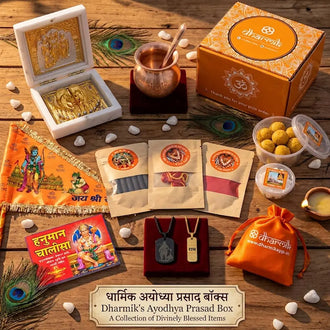
Using a pre-assembled Navratri prasad box can make the distribution easier if you are hosting a large number of girls. Giving with a cheerful heart is more important than the value of the item. When the girls leave your home happily, it is a sign that the Devi has accepted your service and the nine days of penance.

Is it acceptable to do kanya pujan on both Ashtami and Navami?
Devotees occasionally find themselves in a situation where they want to host the girls on both days, perhaps because of a family gathering or a delayed tithi. It is perfectly acceptable to perform Kanya Pujan on both Ashtami and Navami if your heart feels the call to serve. There is no scriptural prohibition against multiple acts of charity or worship during the Navratri period. However, usually, one day is designated for the formal breaking of the fast and the main ritual. If you choose to do both, ensure that the second day is treated with the same level of purity and devotion as the first. Some families host a small group of three girls on the first day and a larger group of nine on the second. The key is to maintain the sanctity of the bhog and the respect shown to the children. If you are unsure about a specific family vow, you should consult your family priest to ensure you are not breaking a long-standing lineage rule. The goddess values the bhava or the emotion behind the act more than the repetition of the ceremony.
Common Mistakes During Kanya Pujan
- Feeding girls who are older than ten years, as the ritual specifically honours the pre-pubescent energy of the Devi.
- Forgetting to invite the Bhairav or Langur boy, which leaves the Kanya Pujan incomplete according to North Indian traditions.
- Using leftover ingredients or salt-heavy snacks that were not prepared specifically for the bhog of the goddess.
- Facing the girls towards the South direction while they eat, as they should ideally face East or North.
- Allowing the girls to leave without applying the tilak or giving a small token of dakshina to each child.
FAQ
Maha navami 2026 date kab hai?
The maha navami 2026 date is 19 October 2026 according to the Hindu lunar calendar. This day marks the worship of Maa Siddhidhatri and is usually the final day for the Navratri hawan and the conclusion of the nine-day fast.
Kanya pujan kis din kare in 2026?
Kanya pujan kis din kare depends on your family tradition, but the two main options are 18 October or 19 October. Most North Indian families will observe it on 18 October during the Ashtami tithi before the sun sets.
Can we do ashtami ya navami kanjak on any other day?
Performing ashtami ya navami kanjak should strictly be done on the designated tithis to align with the cosmic energy of the Devi. While charity can happen any day, the specific ritual of Kanya Pujan requires the Ashtami or Navami tithi.
Which is the best navratri hawan day for 2026?
The best navratri hawan day is generally Maha Navami, which falls on 19 October 2026. This ritual signifies the burning of all ego and negativity into the sacred fire as a final offering to the goddess after nine days of prayer.
What are the age limits for kanya pujan girls?
The age limits for kanya pujan girls are between two and ten years old. Each age represents a different form of the Devi, such as Kumari, Trimurti, or Kalyani, and their worship brings specific blessings to the household.
Conclusion
Planning your puja requires attention to the tithi and the spirit of devotion. Whether you choose to observe durga ashtami 2026 or the following Navami, the goal is to see the goddess in the young girls you serve. Ensure you prepare the bhog with purity and select gifts that bring joy to the children. By following your family parampara, you maintain the continuity of our ancient traditions. For more details on the specific timings, you can check the kanya pujan vidhi guide. May Maa Durga bless your home with health and peace this Navratri.