Navratri 2026 Dates: Ghatasthapana Muhurat and Calendar

Navratri 2026: Ghatasthapana Muhurat and Nine Day Calendar
Sharad Navratri begins on Sunday, 11 October 2026, bringing the energy of Goddess Shakti into our homes. Observing Navratri 2026 allows families to align their daily worship with the celestial movements described in our ancient calendars. This nine-night festival concludes with Vijayadashami on Tuesday, 20 October.
Many devotees in Vrindavan and beyond feel anxious about missing the exact timing for Ganesh Sthapana—rather, Ghatasthapana and Kalash Sthapana for Navratri. We will clarify every tithi and muhurat to ensure your devotion follows the shastras perfectly. You will know exactly when to light a diya, when to place the coconut in the sacred kalash, and which different form of Maa Durga to worship each day. This guide provides the complete schedule for your spiritual preparations and Navratri Puja Vidhi.
Quick Takeaways
-
Shardiya Navratri 2026 commences on Sunday, 11 October 2026, during the Ashwina Shukla Pratipada tithi.
-
The auspicious window for Ghatasthapana (Kalash Sthapana) occurs in the morning hours, usually shortly after sunrise. Prepare the kalash with the required puja samagri, including mango leaves, barley seeds, and the coconut.
-
Maha Ashtami falls on 18 October, while Maha Navami will be observed on 19 October. Maa Kalaratri, Maa Mahagauri, and Maa Chandraghanta are among the forms worshipped during the nine days.
-
Vrat observers must follow a sattvic diet and perform daily worship and recitation of the Durga Saptashati. The Navratri vrat continues through the sacred nine nights, with Akhand Jyot maintained according to family tradition.
| Day | Date | Tithi | Devi Form | Colour | Bhog |
|---|---|---|---|---|---|
| Day 1 | 11 Oct (Sun) | Pratipada | Maa Shailaputri | Orange | Desi Ghee |
| Day 2 | 12 Oct (Mon) | Dwitiya | Maa Brahmacharini | White | Sugar and Fruits |
| Day 3 | 13 Oct (Tue) | Tritiya | Maa Chandraghanta | Red | Milk or Kheer |
| Day 4 | 14 Oct (Wed) | Chaturthi | Maa Kushmanda | Royal Blue | Malpua |
| Day 5 | 15 Oct (Thu) | Panchami | Maa Skandamata | Yellow | Banana |
| Day 6 | 16 Oct (Fri) | Shashti | Maa Katyayani | Green | Honey |
| Day 7 | 17 Oct (Sat) | Saptami | Maa Kalaratri | Grey | Jaggery |
| Day 8 | 18 Oct (Sun) | Ashtami | Maa Mahagauri | Purple | Coconut |
| Day 9 | 19 Oct (Mon) | Navami | Maa Siddhidatri | Peacock Blue | Til (Sesame) |
Why This Matters
Navratri is the period when the creative energy of the universe, Prakriti, becomes most accessible to the humble practitioner. According to the Devi Mahatmya / Durga Saptashati (Markandeya Purana), Maa Durga appeared to destroy the ego represented by the demon Mahishasura. This battle lasted nine nights, symbolizing our internal struggle against negative tendencies such as anger and greed. In Vrindavan, temples like Katyayani Peeth observe these days with intense recitation of the Saptashati. The installation of the sacred pot or kalash signifies the invitation to the Devi to reside in your home. It is not just a ritual but a commitment to purity for ten days. By following the ghatasthapana puja vidhi, you create a spiritual anchor for your family. The vibration of the mantras and the scent of the dhoop cleanse the bhava of the household. Each of the nine forms represents a specific stage of spiritual growth. Shailaputri represents the root, while Siddhidatri represents the completion of all siddhis. We celebrate this cycle to renew our inner strength and seek the protection of the Mother. Aligning with the tithis ensures that your energy resonates with the cosmic rhythm of the season. This transition from the monsoon to autumn is a time of renewal for the body and the soul alike.

Navratri 2026 Puja Vidhi and Daily Observances
Preparing the Sacred Space
Clean your puja room thoroughly on the evening of 10 October to prepare for the arrival of the Mother. Remove any clutter and wash the floor with Ganga jal or clean water mixed with turmeric. A clean environment is essential for the sthapana. You can place a gold plated durga darbar as the central focus of your altar. This serves as a visual reminder of the nine forms of the Goddess throughout the festival.
Performing Ghatasthapana
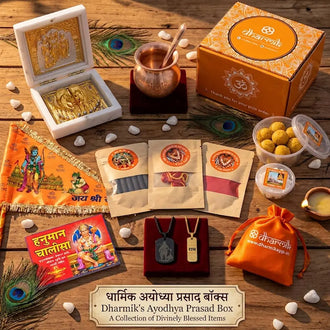
On the morning of 11 October, identify the shubh muhurat for the kalash sthapana. Place a clean wooden chowki and cover it with a fresh red cloth. Fill a copper or earthen pot with water, coins, and supari. Place five mango leaves on the rim and a coconut wrapped in red cloth on top. This kalash represents the presence of the Goddess. Many devotees use a navaratri prasad box to keep their ritual offerings organized and pure.
Timings for New Delhi:
Ghatasthapana Muhurat: 6:19 AM–10:12 AM
Abhijit Muhurat: 11:44 AM–12:31 PM
Sowing the Jau Seeds
Take a wide earthen tray and fill it with clean soil sourced from a pure location. Sow barley seeds or jau in the soil. This growth represents the prosperity the Mother brings to your home. Water the tray daily and watch the sprouts grow. If the jau grows tall and green, it is considered a sign of a successful and blessed year ahead.
Daily Aarti and Mantra Chanting
Chant the Argala Stotram and the Devi Kavacham every morning and evening during Navaratri. Light an akhand jyot or a daily lamp with pure cow ghee. The light should be directed toward the South-East corner if possible. Offering fresh red flowers, especially hibiscus, is highly auspicious for Maa Durga. Each evening, perform the aarti with the family to build a shared devotional atmosphere.
The Tradition of Kanya Pujan in Vrindavan
On Ashtami or Navami, invite nine young girls who have not reached puberty to your home. In Vrindavan, this tradition is performed with great reverence, treating each girl as a form of the Devi. Wash their feet with water and apply a tilak of kumkum. Feed them a meal of puri, chana, and halwa. This act of service is believed to please the Mother more than any other ritual. Offer them small gifts like bangles or coins before they leave.

What happens if Ghatasthapana is done outside the prescribed muhurat?
Devotees often worry when they miss the specific window for kalash sthapana due to work or unforeseen travel. While the shastras emphasize the exact muhurat for maximum spiritual alignment, Goddess Durga values the bhava above the clock. If you miss the primary morning window, look for the Abhijit Muhurat, which usually occurs around midday. If that also passes, perform the Ghatasthapana (Kalash Sthapana) with a sincere apology and continue your Navratri worship with full devotion.
The ritual is a tool to help us focus, but Goddess Shakti is not bound by a timer. However, intentionally ignoring the Ghatasthapana muhurat out of carelessness is discouraged as it shows a lack of discipline in one's sadhana. If you are struggling with complex planetary alignments or a major life event, consult a qualified priest for a personalized remedy.
Do not let guilt ruin your festival. Simply light a diya, offer a hibiscus flower, and begin your Navratri vrat with a pure heart. The goal is to connect with the Divine, and a late start is always better than not starting at all. Maintaining the sanctity of the nine days is more important than the exact minute of the start.
Common Mistakes to Avoid During Navratri
-
Wrong Direction: Ensure Maa Durga faces West and the devotee faces East or North during the puja for proper energy flow.
-
Discarding the Jau: Never throw the barley seeds or sprouts in the trash. Immerse them in flowing water or place them in a clean garden spot.
-
Breaking the Fast Early: Some devotees eat grains on the evening of Navami. The Navratri vrat should technically conclude after the Navami tithi ends.
-
Improper Kalash Placement: Moving the sacred kalash once it is set is a common error. It must remain undisturbed until the final ceremony.
-
Negative Speech: The vrat is not just about food. Speaking harshly or lying during these nine nights affects the spiritual merit of the fast.
FAQ
sharad navratri 2026 date
Sharad Navratri 2026 begins on Sunday, October 11, 2026, during the Ashwina Pratipada tithi. This festival spans nine nights, with the nine forms of the Goddess worshipped through daily worship.
ghatasthapana muhurat 2026
The Ghatasthapana muhurat occurs during the Pratipada tithi on 11 October. Devotees should check the local sunrise time in Delhi or their specific city and prepare the required puja samagri, including mango leaves, before the exact muhurat. Generally, morning hours or Abhijit Muhurat are preferred for Kalash Sthapana.
navratri calendar 2026
The Navratri calendar 2026 lists Maa Shailputri, Maa Brahmacharini, Maa Chandraghanta, Maa Kushmanda, Maa Skandamata, Maa Katyayani, Maa Kalaratri, Maa Mahagauri, and Siddhidatri across the nine days. Follow this sequence for traditional Navratri Puja Vidhi and Goddess worshipped each day.
durga ashtami 2026 date
The Durga Ashtami 2026 date is Sunday, 18 October. This is a vital day for Sandhi Puja and Kanya Pujan in many households and is associated with Maa Mahagauri.
Can we wash hair during Navratri?
Can we wash hair during Navratri is a common question among devotees. While there is no direct scriptural ban, many regional customs suggest avoiding hair washes on specific tithis like Ashtami. Most devotees prefer to wash their hair before the festival starts.
Conclusion
Navratri 2026 is a time to pause our busy lives and reconnect with the Source. By following the tithi and muhurat, we honor the ancient wisdom of the rishis. Remember to check the navratri day wise colours to prepare your wardrobe and altar decorations in advance. Whether you keep a full fast or just recite one shloka, do it with love. Maa Durga sees the effort in your heart before the items on your plate. May the Divine Mother bless your home with peace and protection throughout Navratri 2026 and the coming year.