9 days Navratri Colours 2026: List and Daily Dress Guide
 Nine Nights of Maa Durga">
Navratri Colours 2026: Day Wise Guide for the Nine Nights of Maa Durga
By Devotional Content Lead. Last updated: 28 August 2026
11 October 2026 marks the beginning of Shardiya Navratri for devotees across the globe. Following the navratri colours 2026 tradition helps you align your daily prayers with the specific energy of each form of Maa Durga. Many women in Gujarat and Maharashtra prepare their wardrobes weeks in advance for Garba and office gatherings reflecting the vibrant navratri celebration in India and the wider celebration of Navratri.
This guide provides the complete sequence of hues to wear from Ghatasthapana until the final immersion. You will learn the specific shade for each tithi and how to honour the Navadurga through your daily attire while understanding what is Navratri, the spiritual importance of Navratri, and the importance of Navratri. It also explores the traditional Navratri celebration and special poojas for Goddess Durga.
Quick Takeaways
- The sequence begins with Orange on 11 October 2026 during the Shardiya Ghatasthapana ritual.
- Daily hues correspond to the nine distinct forms of the Goddess known as Navadurga.
- Ashtami falls on 18 October 2026, requiring a specific Purple or Mahagauri shade.
- While regional, this practice unites millions of devotees through a shared visual expression of faith.
| Event | Date | Tithi | Muhurat | Significance |
|---|---|---|---|---|
| Day 1 | 11 Oct 2026 | Pratipada | Ghatasthapana muhurat in Pratipada | Shailputri Puja |
| Day 2 | 12 Oct 2026 | Dwitiya | Morning Hours | Brahmacharini Puja |
| Day 3 | 13 Oct 2026 | Tritiya | Morning Hours | Chandraghanta Puja |
| Day 4 | 14 Oct 2026 | Chaturthi | Morning Hours | Kushmanda Puja |
| Day 5 | 15 Oct 2026 | Panchami | Morning Hours | Skandamata Puja |
| Day 6 | 16 Oct 2026 | Shashthi | Morning Hours | Katyayani Puja |
| Day 7 | 17 Oct 2026 | Saptami | Morning Hours | Kalratri Puja |
| Day 8 | 18 Oct 2026 | Ashtami | Morning Hours | Mahagauri Puja |
| Day 9 | 19 Oct 2026 | Navami | Morning Hours | Siddhidatri Puja |
Why This Matters
The nine nights of Shardiya Navratri represent the victory of Mahishasura Mardini over the buffalo demon. Devotees in Vrindavan and beyond observe these days by reading the Devi Mahatmya / Durga Saptashati (Markandeya Purana). This scripture details how the Goddess emerged from the combined light of all devas to restore dharma.
While the text focuses on Her weapons and battles, the colour tradition is a way to feel Her presence in our physical surroundings. Each day celebrates a specific manifestation, from the mountain-born Shailputri to the giver of perfections, Siddhidatri. Following a colour code creates a sense of collective devotion in temples and workplaces.
It acts as a daily reminder of the feminine power that sustains the universe. You can learn more about the specific timing of the inaugural rituals in our post on Navratri date Ghatasthapana muhurat for the year. This practice is especially popular among the youth who wish to stay connected to their roots while participating in modern social events.
By wearing these shades, you carry the vibration of the festival into every interaction of your day. It transforms a simple wardrobe choice into a daily act of mindfulness and reverence for the Mother Goddess.

The complete navratri colours 2026 guide
Days One to Three: Beginning the Vrat
The navratri 9 colours list 2026 starts with a vibrant Orange on Sunday, 11 October. This shade represents energy and happiness as we welcome Maa Shailputri into our homes. On Monday, 12 October, devotees wear White to honour Maa Brahmacharini, the goddess of penance and purity. This calm hue reflects the meditative state required for spiritual growth.
Tuesday, 13 October, features Red for Maa Chandraghanta, who carries a half-moon on her forehead. Red is the colour of power and is often seen on the Durga darbar during the evening aarti. These first three days focus on the destructive and transformative energy of the Goddess.
Days Four to Six: Sustaining the Energy
The fourth day, 14 October, brings Royal Blue for Maa Kushmanda. She is credited with creating the universe with a smile, and this deep blue signifies elegance and richness. On Thursday, 15 October, we wear Yellow for Skandamata, the mother of Lord Kartikeya. Yellow brings optimism and warmth to the household during the mid-festival rituals, highlighting the importance of each day.
Friday, 16 October, is dedicated to Green for Maa Katyayani. This shade represents new beginnings and nature. It is a popular choice for office groups who participate in the navratri day wise colour tradition. Many devotees find that wearing green during the Shashthi puja brings a sense of serenity and hope, while devotees people fast as part of the observances celebrating the victory of good over evil.
Days Seven to Nine: The Final Blessings
Saturday, 17 October, sees the use of Grey for Maa Kalratri, the fierce form who destroys darkness. Sunday, 18 October, is Mahagauri Puja, where the colour is Purple. This Navratri day wise colour choice signifies ambition and the power of transformation. Many families also use a Matarani silver coin during the final Kanya Pujan rituals on the following day.
Finally, on Monday, 19 October, we wear Peacock Green for Siddhidatri. This unique shade combines the qualities of blue and green, symbolising the fulfillment of all desires and spiritual goals. It is the perfect hue to conclude the nine-day journey of faith and perseverance before the Dussehra celebrations begin.
Devotional Benefits and Checklist
Participating in the daily colour tradition offers several devotional benefits for the household and the community.
- Community Harmony: Wearing the same shade as other devotees fosters a sense of unity during Garba events.
- Mindfulness: Deciding your navratri dress colour today helps you remember which form of the Goddess you are worshipping.
- Ritual Discipline: Planning outfits in advance ensures you remain focused on the puja vidhi rather than daily chores.
- Joyful Atmosphere: Vibrant shades like orange and yellow create a festive environment in the home temple.
- Tradition Preservation: Teaching children the significance of these hues helps pass down our cultural heritage to the next generation.
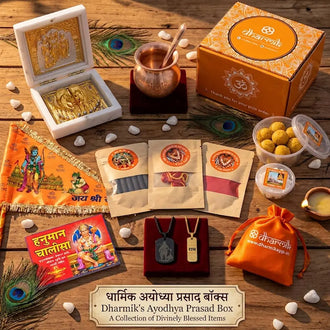
During the nine days, many devotees also share a Navratri prasad box with neighbours to spread the blessings of the Mother. You can find more details on how these shades interact with energy in our Navratri colours crystals guide. Carrying out these small acts of devotion strengthens your connection to the divine feminine throughout the Shardiya season.

Do the Navratri colours have scriptural basis or are they a modern custom?
It is important to be honest with fellow devotees about our traditions. The practice of wearing nine specific colours during Navratri is a modern regional custom, not a scriptural mandate. You will not find a list of daily dress colours in the Devi Mahatmya or the Puranas. This tradition likely gained massive popularity through Gujarati newspapers in the late 20th century to encourage community participation in Garba and Dandiya festivals while learning about the story of Mahishasura and the forms of Devi.
While the scripture describes the appearance and weapons of the Navadurga, it does not instruct the devotee to wear matching clothes. However, because millions of people now follow this sequence with pure intention, it has become a powerful tool for collective meditation. Following this custom does not replace the need for traditional rituals like Ghatasthapana or Chandi Path. If you cannot find a garment in the exact shade, do not feel guilty or anxious.
Maa Durga values the devotion in your heart over the fabric on your body. This custom is an additional way to celebrate, not a strict rule of the Shastras. Always consult a qualified priest for specific ritual questions or concerns regarding your local temple traditions. People fasting during Navratri may also follow this custom as part of their personal devotional practice.
Common Mistakes
- Using the wrong calendar: Many devotees follow a 2025 list by mistake instead of the updated 2026 sequence.
- Ignoring the Tithi: The colour changes based on the Pratipada or Dwitiya tithi, not just the solar date at midnight.
- Overlooking the Deity: Wearing the colour without knowing which form of Maa Durga it represents defeats the spiritual purpose.
- Stressing over shades: Some people worry if their Royal Blue is too light, but the intent matters more than the exact dye.
- Neglecting purity: Using unwashed clothes just because they match the daily colour is a common error in ritual hygiene.
FAQ
What is the colour for durga ashtami 2026?
The colour for durga ashtami 2026 on 18 October is Purple to honour Maa Mahagauri. This shade represents the power of ambition and transformation during the most significant night of the festival for many Indian households.
Can I wear black during the nine nights?
The question of wearing black is common, but you should generally avoid it during Navratri rituals. Black is often associated with tamasic energy in North Indian traditions, and brighter shades are preferred for the Mother.
Why does the colour sequence change every year?
The reason the colour sequence changes every year is that it depends on the weekday of Ghatasthapana. The cycle of hues follows a specific weekday pattern that shifts whenever the first day of the tithi moves.
What if I miss a day in the sequence?
If you miss a day in the sequence, you can simply resume the tradition on the next day. There is no need for any specific penance because this dress code is a customary practice rather than a scriptural law.
Is there a specific shade of green for Day 6?
The shade for Day 6 is usually a bright, natural green to represent the growth associated with Maa Katyayani. Any shade of green from emerald to forest green is acceptable for your daily prayers and social gatherings.
Conclusion
Following the navratri colours 2026 list allows you to participate in a vibrant tradition that unites millions of devotees. Whether you are attending a large Garba event or performing a quiet puja at home, these shades help you focus on the Navadurga. Remember that these customs are meant to bring joy, not stress, to your spiritual practice. You can find further guidance on festive preparations in our Navratri date Ghatasthapana muhurat post. May the blessings of Maa Durga bring peace to your home during Shardiya Navratri.