Navratri Bhog Day Wise 2026:9 Offerings and the Tithi Mistake to avoid

Navratri Bhog Day Wise: Specific Offerings for Maa Durga in 2026
Sharadiya Navratri begins on 11 October 2026 with the ritual of Ghatasthapana. In millions of Indian kitchens, the aroma of cow's ghee and roasted cardamom signals the start of these nine sacred days. Understanding the navratri bhog day wise requirements ensures your home puja aligns with the specific preferences of each form of the Goddess. This guide provides the complete list of nine offerings, from the first day of Shailaputri to the final day of Siddhidatri. You will be able to prepare the correct prasad (sanctified food) and understand the spiritual reasoning behind every ingredient.
Quick Takeaways
- Offer pure Desi Ghee on the first day to ensure a disease-free life for the family.
- Day four requires Malpua, a sweet pancake, to satisfy the creative energy of Maa Kushmanda.
- Coconut is the specific bhog for Ashtami to invite prosperity and peace into the home.
- Always perform the bhog offering during the specific tithi window for maximum spiritual merit.
| Navratri Day | Date (2026) | Form of Maa Durga | Specific Bhog Offering |
|---|---|---|---|
| Day 1 | 11 October (Sun) | Maa Shailaputri | Pure Cow Ghee |
| Day 2 | 12 October (Mon) | Maa Brahmacharini | Sugar and Fruits |
| Day 3 | 13 October (Tue) | Maa Chandraghanta | Milk or Milk Sweets |
| Day 4 | 14 October (Wed) | Maa Kushmanda | Malpua |
| Day 5 | 15 October (Thu) | Maa Skandamata | Banana |
| Day 6 | 16 October (Fri) | Maa Katyayani | Honey (Shahad) |
| Day 7 | 17 October (Sat) | Maa Kaalratri | Jaggery (Gur) |
| Day 8 | 18 October (Sun) | Maa Mahagauri | Coconut (Nariyal) |
| Day 9 | 19 October (Mon) | Maa Siddhidatri | Til (Sesame Seeds) |
Why This Matters
The practice of offering specific food items to the Goddess is not a modern invention. It is a method to harmonise our physical environment with the celestial energies of the Navdurga. Each form of Maa Durga represents a different stage of spiritual evolution and cosmic power. By offering the specific bhog, we acknowledge these unique attributes. The Devi Mahatmya / Durga Saptashati (Markandeya Purana) describes the Goddess as the source of all sustenance, making the act of feeding the Divine a reciprocal gesture of gratitude. In the traditions of Vraja, devotees often say that the bhog is the medium through which the devotee's love becomes tangible. Every ingredient, whether it is the cooling milk for Chandraghanta or the grounding jaggery for Kaalratri, serves a purpose in balancing the three gunas (qualities) of nature. When you follow the nine forms of the Goddess with their respective offerings, you transform your kitchen into a temporary temple. This ritual strengthens the sankalpa (intention) of the fast and ensures the devotee remains focused on the specific Devi of the day.

The Main Guide: Nine Days of Prasad
Day 1: Maa Shailaputri and Desi Ghee
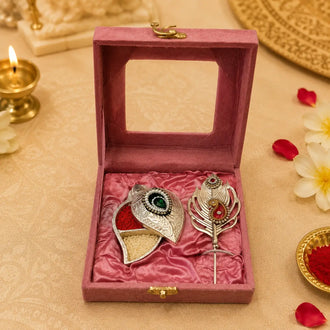
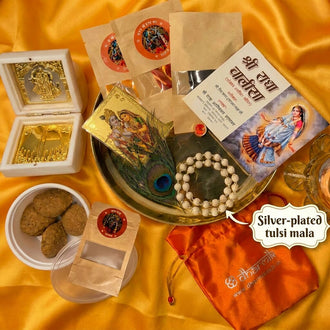
On 11 October 2026, the first day of Navratri focuses on the Daughter of the Mountains. Devotees offer pure cow's ghee at the feet of the Goddess. This simple offering represents health and longevity. It is common to prepare a small lamp with this ghee or use it in the first meal cooked for the deity. You may also use a navratri prasad box to keep your offerings organised and pure during the morning aarti.
Day 2: Maa Brahmacharini and Sugar
The second day belongs to the ascetic form of the Mother. She prefers simple, pure and sattvic offerings that reflect her penance. White sugar, mishri (sugar candy), and seasonal fruits are the primary bhog. Many families prepare a simple panchmrit (five-nectar drink) using sugar and curd to signify purity and devotion. Offering these items is believed to grant the devotee wisdom and emotional restraint.
Day 3: Maa Chandraghanta and Milk
Maa Chandraghanta, who wears the crescent moon, is the dispeller of sorrows. Devotees offer milk or milk-based sweets like kheer (rice pudding) or mawa peda. The cooling nature of milk balances the fierce energy of the third day. In Vrindavan, temples often prepare Rabri or thickened milk for the Goddess on this specific tithi to provide relief from worldly afflictions.
Day 4: Maa Kushmanda and Malpua
The creator of the universe, Maa Kushmanda, is worshipped with Malpua. These are sweet pancakes made from flour, milk, and sugar, fried in ghee. The richness of the Malpua represents the abundance of the cosmos. It is traditional to offer an even number of these pancakes, such as 2 or 4, during the midday puja to seek the Mother's grace for creative success.
Day 5: Maa Skandamata and Banana
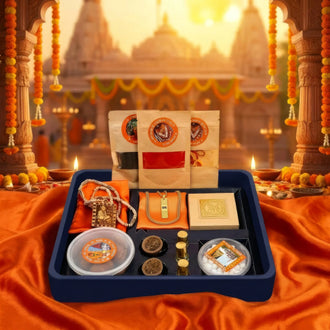
On the fifth day, the Mother of Lord Skanda is honoured. Her preferred bhog is the banana. This fruit is considered a complete food and represents the physical well-being of the devotee's family. You can offer a bunch of six or twelve bananas. Some devotees also use a vrindavan prasad box to present these fruits alongside dry nuts for a more elaborate offering.
Day 6: Maa Katyayani and Honey
The warrior form of the Mother, Maa Katyayani, is pleased with honey. The sweetness and medicinal properties of honey represent the balance between strength and compassion. Devotees often mix honey with curd or offer it in a small copper vessel. This offering is particularly popular among those seeking harmony in their marriage or finding a suitable life partner.
Day 7: Maa Kaalratri and Jaggery
Maa Kaalratri is the most fierce form of Durga, the destroyer of darkness. Her bhog is jaggery (gur). This grounding substance is believed to remove obstacles and protect the devotee from negative influences. Many households prepare sweets made of jaggery and black pepper on this day. After the offering, it is a custom to donate a portion of the jaggery to others to spread the Mother's protection.
Day 8: Maa Mahagauri and Coconut
Ashtami, falling on 18 October 2026, is dedicated to Maa Mahagauri. The primary bhog is coconut. A whole coconut with its husk is often offered and later distributed as prasad. Coconut signifies the head of the ego being surrendered to the Divine. Offering coconut on this day is said to fulfill the desires of the devotee and bring peace to the household.
Day 9: Maa Siddhidatri and Til
The final day of Navratri celebrates the giver of all siddhis (supernatural powers). The specific bhog is sesame seeds (til). Additionally, a traditional meal of halwa, puri, and chana (chickpeas) is prepared for the Kanya Pujan (worship of young girls). This hearty meal marks the successful completion of the nine-day fast and the receipt of the Mother's blessings.

Checklist for a Proper Bhog Offering
- Clean the offering area with Gangajal or pure water before placing the plates.
- Use only Desi Ghee for frying or preparing sweets; avoid vegetable oils during Navratri.
- Ensure the bhog is prepared in a separate kitchen area or on a clean stove not used for non-vegetarian food.
- Cover the prasad with a clean cloth until the moment of the offering during the aarti.
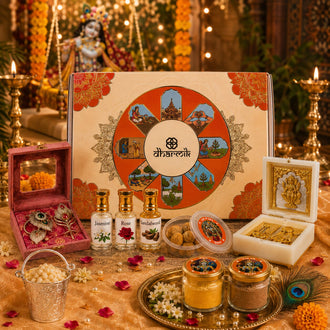
- Present the items in a dedicated prasad box to maintain sanctity and prevent contamination.
- Chant the specific Devi mantra for each day while placing the bhog before the idol or photo.
- Include a leaf of Tulsi (Holy Basil) in the offering, except for the bhog offered to Goddess Durga directly if your family custom forbids it.
Does offering the wrong bhog on a day reduce the merit of the puja?
Many devotees feel intense anxiety if they accidentally offer bananas on the day of Shailaputri or forget offering honey for Katyayani. It is important to remember that Durga Mata is a mother first. The merit of a puja is primarily determined by your bhava (devotional intent) rather than a rigid checklist. If a mistake happens, it does not nullify your nine days of fasting or your prayers. The specific navratri bhog day wise list is a roadmap for excellence, not a trap for the faithful. However, consistency in tradition helps focus the mind and deepen your spiritual connection. If you realise you have offered the wrong item, simply seek forgiveness in your heart and continue with the remaining rituals. The spiritual fruit of Navratri comes from your discipline and your love for the Divine. If you are unsure about a specific regional variation in your family, you may consult a qualified priest for peace of mind, but never let ritual guilt overshadow your devotion.
Common Mistakes in Preparing Bhog
-
Using iodized salt instead of Sendha Namak (rock salt) in items meant for the deity.
-
Offering leftovers or food that has been tasted by family members before being offered to the Goddess.
-
Preparing the bhog in a state of anger or while wearing unwashed clothes from the previous day.
-
Waiting until late evening to offer the first bhog, which should ideally happen during the morning muhurat window.
-
Using stale or spoiled fruits, especially bananas or coconuts, which must be fresh for every tithi.
FAQ
What should I do with the bhog after the offering is complete?
The bhog after the offering is considered prasad and should be distributed among family members and guests. It is important to consume it with reverence and never throw any portion of the sanctified food into the trash.
Can I offer dry fruits instead of the specific bhog items?
Dry fruits are acceptable as a general offering if the specific bhog items like Malpua or Kheer are unavailable. However, following the traditional day-wise list is recommended for those who want to observe the full scriptural vidhi.
Is it necessary to use a silver plate for the Goddess's bhog?
It is not mandatory to use silver, although it is considered auspicious in many Hindu households. You may use clean brass, copper, or clay plates, provided they are dedicated solely to the use of the deity during puja.
What if I cannot find honey for the sixth day of Navratri?
What if you cannot find honey, you may substitute it with jaggery or a simple sugar syrup. The Mother accepts the smallest offering made with a pure and sattvic heart, and your sincere effort to find the item carries its own merit.
Can I offer onions or garlic in the bhog if they are cooked well?
Can I offer onions or garlic is a common question, and the answer is a firm no. These are tamasic foods and are strictly forbidden in any bhog offered to Maa Durga, as Navratri rituals require pure and sattvic ingredients.
Conclusion
Following the navratri bhog day wise routine is a beautiful way to deepen your spiritual connection with the Mother Goddess. From the cooling milk of the third day to the grounding sesame seeds of the ninth, these offerings nourish both the spirit and the body. Remember to maintain a clean kitchen and a focused mind throughout the festival.
. For more details on the physical disciplines required during this time, you can read about navratri vrat rules and food. May Maa Durga accept your offerings and fill your home with prosperity and light during this 2026 Sharadiya Navratri.