Navratri Vrat Rules 2026: Navratri Fasting Food List and Guide
 Navratri Vrat Rules for the 2026 Ashwina Fast">
Essential Navratri Vrat Rules for the 2026 Ashwina Fast
Devotees across India begin the Sharadiya Navratri on 11 October 2026 during the Ashwina Shukla Pratipada. These navratri fasting rules ensure your devotion remains pure and your health stays balanced during the transition into winter. You will learn which grains are forbidden and how to prepare your kitchen for the nine sacred nights. This guide provides clarity for those balancing professional life with spiritual commitments. By the end, you can observe each tithi with confidence and inner peace.
Quick Takeaways
- Consume only sattvik foods like kuttu, singhara, and fresh seasonal fruits for energy.
- Avoid all grains, pulses, onions, and garlic to maintain physical and mental purity.
- Use sendha namak instead of regular table salt for seasoning all your vrat meals.
- Keep the mind focused on Maa Durga through daily prayers and positive conduct.
| Item Category | Permitted Food or Practice | Devotional Purpose |
|---|---|---|
| Primary Flours | Kuttu (Buckwheat) and Singhara | Provides gluten-free energy without grains |
| Fasting Salt | Sendha Namak (Rock Salt) | Considered the purest salt for ritual use |
| Grains | Samak Rice (Barnyard Millet) | A seed-based alternative to traditional rice |
| Vegetables | Potato, Pumpkin, Bottle Gourd | Light, easily digestible sattvik vegetables |
| Daily Ritual | Snana (Bath) before Puja | Purifies the body for morning and evening aarti |
| Dairy Products | Milk, Curd, and Desi Ghee | Essential sources of protein and healthy fats |
Why This Matters
Fasting during Navratri is not a practice of punishment but a method of purification. It aligns our internal biological clock with the cosmic movements of the lunar calendar. By avoiding heavy grains, we allow the digestive system to rest and the mind to become more alert for meditation. This discipline is essential for connecting with the feminine energy that governs the universe. Many devotees in Vrindavan and Kashi observe these rules to seek the grace of the Goddess during the change of seasons. The practice of phalahar or a fruit-based diet helps in maintaining a light and energetic body throughout the festival. Following the Navratri date and muhurat ensures your sankalpa begins at the most auspicious time. As per the Devi Mahatmya / Durga Saptashati (Markandeya Purana), the Goddess appears to protect her devotees and restore dharma. This scripture highlights how discipline in food and thought leads to spiritual victory. For elderly readers or those with chronic conditions, please consult a doctor before attempting a strict waterless fast. The goal is to offer your devotion with a healthy body and a focused mind.
Detailed Navratri Vrat Rules for the Nine Days
Morning Rituals and Kitchen Preparation
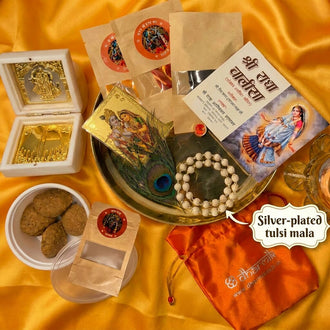
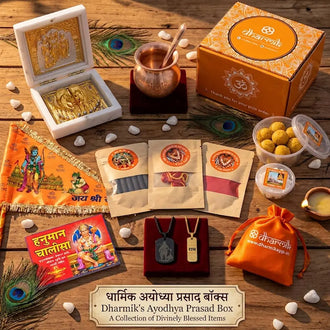
Your day should begin before the 5:30 AM sunrise during the Brahma Muhurat. Clean the puja room and light a diya using pure desi ghee to invoke the presence of Maa Durga. It is important to separate your vrat utensils from those used for regular cooking involving grains and salt. Many families choose to clean their entire kitchen on the day before Ghatasthapana to remove any traces of tamasic foods. Using a vaishno devi prasad box can help keep your offerings organized and pure for the daily bhog. Ensure that you wear clean clothes, preferably in the daily colour designated for the Goddess, such as red or royal blue.
Permitted Fasting Foods
Dietary restrictions are the most visible part of navratri fasting rules for most devotees. You must avoid wheat, rice, semolina, and all types of lentils during these nine days. Instead, use kuttu ka atta (buckwheat flour) or singhare ka atta (water chestnut flour) to make puris and rotis. Samak rice is an excellent substitute for grain rice and can be used to make khichdi or kheer. Potatoes, sweet potatoes, and arbi (colocasia) are the main vegetables used to provide carbohydrates. Remember that common table salt is strictly prohibited because it is chemically processed. Only sendha namak, which is unprocessed rock salt, is allowed in your kitchen.
Behavioral Discipline and Mental Focus
Spiritual fasting requires more than just dietary changes. It involves practicing truthfulness, non-violence, and patience in your daily interactions. Avoid sleeping during the daytime unless your health requires it, as this time should be used for chanting or reading scriptures. Maintain a celibate lifestyle (brahmacharya) for the duration of the festival to conserve your spiritual energy. If you are a working professional, try to spend your commute listening to stotrams or bhajans rather than distracting news. This mental discipline ensures that your physical fast translates into a deeper spiritual experience. Sharing your meals with those less fortunate also multiplies the merit of your vrat.

Checklist of Benefits and Daan
- Donating seasonal fruits like bananas and pomegranates to the local temple increases the merit of your fast.
- Performing Kanya Pujan on Ashtami (18 Oct) or Navami (19 Oct) honors the nine forms of the Goddess.
- Offering red chunri and shringar items to Maa Durga brings peace and prosperity to the family.
- Feeding cows with fresh green grass or rotis made of kuttu is considered a highly auspicious act of daan.
- Consuming light sattvik meals improves digestion and provides a natural detox for the body during the season change.
- Observing silence (mauna) for a few hours each day helps in reducing mental stress and improving focus.
- Sharing a vaishno devi prasad box with neighbors fosters a sense of community and shared devotion.

Is it acceptable to fast for only the first and last day of Navratri?
Many devotees choose to observe the Joda fast, which involves keeping the vrat on the first and last days only. This practice is perfectly acceptable if your physical health or professional responsibilities prevent a full nine days of fasting. It allows you to participate in the significant rituals of Ghatasthapana and the final Navami Homa with full sincerity.
The Goddess Durga values the purity of your intent over the duration of your hunger. Fasting during Navratri is ultimately a personal spiritual discipline, and the goal is not simply to avoid food but to support devotion, spiritual practices, and spiritual growth. Even if you fast for only two days, you should maintain a satvik diet for the remaining seven days.
This means following the appropriate Navratri fasting rules and Navratri vrat rules, including avoiding onion and garlic, non-vegetarian food, grains, and other foods that are not considered suitable during the vrat. You should focus on permitted allowed foods and eat only satvik food prepared fresh at home.
A well-planned Navratri fasting diet can also help you maintain energy levels, stay healthy, and improve digestion throughout the festival. Include suitable fruits, vegetables, dairy products, nuts, and vrat-friendly ingredients while remembering to drink plenty of water.
If you choose this path, do not feel guilty about your choice. Every individual has different capacities, and the spiritual path is personal. The vrat vidhi may differ across families and regions, so consult a qualified priest if you have specific family traditions that require a different approach to partial fasting.
The most important aspect is to remain devoted and keep your mind fixed on the divine throughout the Ashwina month. For many devotees, simplifying meals, avoiding processed and packaged foods, and maintaining disciplined spiritual practices during the festival can also support mental clarity while worshipping the nine divine forms of the Goddess.
Common Mistakes
-
Using regular table salt instead of rock salt or sendha namak in your meals by accident or for convenience.
-
Eating store-bought or processed and packaged foods that may contain hidden grains, onion powder, or common salt.
-
Breaking the fast before the Tithi officially ends or before completing the Navami Kanya Pujan.
-
Engaging in arguments or using harsh words, which destroys the mental purity of the vrat and can interfere with the spiritual purpose of fasting during Navratri.
-
Focusing excessively on variety and quantity of vrat food rather than the spiritual purpose of the fast. A simple, satvik food routine is traditionally preferred over indulgence.
FAQ
Navratri vrat mein kya khaye?
Navratri vrat mein kya khaye depends on the rules of sattvik eating. You can eat kuttu, singhara, fruits, vegetables, and dairy products. Popular allowed foods also include vrat-friendly preparations such as sabudana khichdi, samak rice, nuts, and potatoes. Avoid all grains, pulses, and common salt. Use rock salt or sendha namak for seasoning and focus on fresh, home-cooked meals to support purity, maintain energy levels, and stay healthy during the fast.
Can we use sendha namak vrat meals daily?
Can we use sendha namak vrat meals daily is a common question. Yes, you can use sendha namak, also known as rock salt, in vrat meals according to your fasting tradition. It is commonly preferred during Navratri instead of regular table salt. Choosing simple, freshly prepared foods also helps you avoid unnecessary processed and packaged foods during the vrat.
Is samak rice allowed?
Is samak rice allowed during the fasting period? Yes, samak rice, also known as barnyard millet, is allowed in many Navratri fasting traditions because it is treated differently from regular cereal grains. It is a popular choice for making khichdi or kheer during Navratri and can be included in a balanced Navratri fasting diet.
What is the rule for onion garlic?
What is the rule for onion garlic is very strict during this time. Both onion and garlic are avoided by many devotees following a satvik vrat because they are traditionally considered unsuitable for the spiritual discipline of the festival. You should strictly avoid them in dishes prepared during the nine days if your family tradition follows these Navratri vrat rules. Along with non-vegetarian food, avoiding these ingredients helps devotees maintain a simple and devotional food routine.
When to do parana?
When to do parana depends on whether you follow Ashtami or Navami traditions. Most devotees break their fast after the Kanya Pujan and Homa are completed. Check the specific tithi end time on 19 October 2026 for the final timing.
What are the best foods for a Navratri fasting diet?
A balanced Navratri fasting diet should include fresh and permitted allowed foods that help you maintain energy levels throughout the day. Fruits, nuts, potatoes, kuttu, singhara, samak rice, sabudana khichdi, and suitable dairy products can be included according to your fasting tradition. Drink plenty of water and choose simple home-cooked meals to improve digestion and stay healthy during the vrat.
Why is satvik food important during Navratri?
During Navratri, many devotees eat only satvik food as part of their spiritual practices. The purpose is to keep meals simple and support mental clarity, devotion, and spiritual growth while worshipping Goddess Durga in her nine divine forms. Avoiding non-vegetarian food, onion and garlic, and heavily processed and packaged foods is a common part of this discipline.
What should I drink while fasting during Navratri?
While fasting during Navratri, hydration is important. Drink plenty of water throughout the day and include suitable fluids permitted by your family or vrat tradition. Staying hydrated can help you maintain energy levels, stay healthy, and improve digestion while following the prescribed vrat vidhi.
Conclusion
Observing the fast during these nine nights is a beautiful way to express your devotion to Maa Durga. By understanding the navratri vrat rules, you ensure that your rituals are performed with the correct consciousness and materials. Focus on maintaining a pure heart and a disciplined routine from the first day of Ghatasthapana. You can also refer to our guide on Navratri bhog day wise to plan your offerings. Consistently following navratri vrat rules strengthens your spiritual sankalpa and brings lasting peace to your home.