Navratri Prasad Story Significance 2026: Divine Ritual Guide

Understanding the Navratri Prasad Story Significance
Bells echo at 4:15 AM inside the Vaishno Devi shrine as the first plate of sugar candy reaches the altar. This navratri prasad story significance lies in the belief that the Goddess consumes the subtle vibrations of the food before returning it as grace. You will learn the specific legends behind nine days of bhog and how to prepare these offerings at home.
Quick Takeaways
- Every day of the festival requires a specific food item to please a unique form of the Goddess.
- Traditional offerings like Ghee or Honey correspond to the planetary energies governed by the Navdurga.
- The transition from raw ingredients to consecrated food symbolizes the purification of the human ego.
| Event | Date | Tithi | Muhurat | Significance |
|---|---|---|---|---|
| Pratipada Bhog | March 19, 2026 | Pratipada | 06:12 AM - 10:15 AM | Offering Ghee for a disease free life. |
| Dwitiya Bhog | March 20, 2026 | Dwitiya | 06:11 AM - 08:20 AM | Sugar and fruits for longevity. |
| Tritiya Bhog | March 21, 2026 | Tritiya | 06:10 AM - 09:45 AM | Milk based sweets to end sorrows. |
| Chaturthi Bhog | March 22, 2026 | Chaturthi | 06:09 AM - 10:30 AM | Malpua for intellectual growth. |
| Panchami Bhog | March 23, 2026 | Panchami | 06:08 AM - 11:15 AM | Banana for physical health. |
| Shashti Bhog | March 24, 2026 | Shashti | 06:07 AM - 07:50 AM | Honey for attractive personality. |
| Saptami Bhog | March 25, 2026 | Saptami | 06:06 AM - 09:10 AM | Jaggery for protection from evil. |
| Ashtami Bhog | March 26, 2026 | Ashtami | 06:05 AM - 10:20 AM | Coconut for mental peace. |
| Navami Bhog | March 27, 2026 | Navami | 06:04 AM - 11:45 AM | Sesame seeds for spiritual gains. |
Why This Matters
The concept of food as a bridge to the divine appears throughout our scriptures. In the Devi Bhagavatam 3.26.20, the text explains that the Goddess accepts offerings made with devotion, turning physical matter into spiritual energy. This prasad meaning extends beyond simple hunger. It represents the total surrender of the devotee to the motherly protection of Maa Durga.
In the temples of Vrindavan and Kashi, priests prepare 56 different items known as Chappan Bhog during these nine nights. Each ingredient is selected based on seasonal changes and Ayurvedic principles. For example, the use of cooling milk during Chaitra helps balance the body as summer starts. Sharing these items with the community strengthens social bonds and ensures that no one goes hungry during the festival. Devotees often visit Chaitra Navratri 2026 information to align their kitchen preparations with the lunar calendar. By eating what is first offered to the Mother, we internalize her strength and discipline.
The Nine Days of Divine Offerings

Day 1: Shailputri and the Pure Ghee
Maa Shailputri represents the Himalayas and is the first form of Durga worshipped. Devotees offer pure cow ghee to her feet. This act is linked to the story of the mountain king's daughter who sought strength through austerity. The ghee symbolizes a life free from illness. Use a clean brass lamp to offer the ghee before distributing it to family members.
Day 2: Brahmacharini and the Sugar Offering
Maa Brahmacharini spent thousands of years in penance eating only fruits and leaves. To honor her simple lifestyle, devotees offer sugar, white sweets, and fruits. This ritual is believed to increase the longevity of family members. Ensure the sugar is unrefined for a more traditional touch during your morning prayers.
Day 3: Chandraghanta and Milk Sweets
The third form, Chandraghanta, carries a half-moon on her forehead. She loves milk and milk-based products like Kheer. Legend says the sound of her bell drives away negative spirits. Many devotees wear a 9 Mukhi Rudraksha for Strength, Courage & Protection while preparing this bhog to stay focused on her fierce yet motherly form.
Day 4: Kushmanda and the Malpua
Maa Kushmanda created the universe with her smile. She is offered Malpua, a sweet pancake. This offering helps improve decision making and intellect. The story goes that she resides in the center of the Sun, and the golden color of the Malpua reflects her solar energy. Distribute this to the poor to gain her favor.
Day 5: Skandamata and the Banana
The mother of Lord Kartikeya, Skandamata, is pleased by bananas. This fruit signifies fertility and prosperity. It is a common practice to offer a bunch of six bananas, representing the six heads of her son. The prasad should be shared with children especially, as she is the protector of the young.
Day 6: Katyayani and Honey
Born from the anger of the gods to slay Mahishasura, Maa Katyayani is offered honey. This sweet nectar represents the sweetness of victory over the bitter ego. Devotees believe that offering honey brings beauty and a happy married life. It is often mixed with curd before being offered at the altar.
Day 7: Kaalratri and Jaggery
The most fierce form, Kaalratri, destroys darkness. She is offered jaggery or sweets made from it. This offering is meant to remove obstacles and fears from the devotee's life. In many villages, this jaggery is later used to make a special drink for the evening Aarti. Check our Navratri prasad ideas guide for recipe inspiration.
Day 8: Mahagauri and Coconut
Maa Mahagauri is the symbol of purity and serenity. She is offered coconuts. The coconut represents the human head, and offering it symbolizes the surrendering of one's thoughts to the divine. Many people perform Kanya Pujan on this day, serving the coconut to young girls who are seen as living forms of the Goddess.
Day 9: Siddhidatri and Sesame Seeds
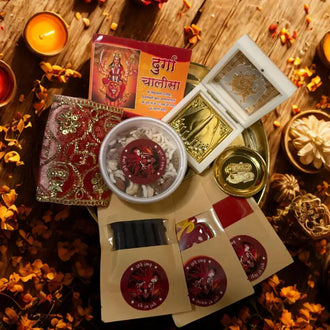
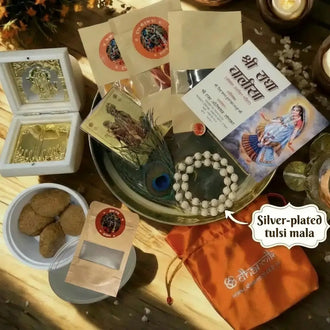
The final form, Siddhidatri, grants all spiritual perfections. She is offered black sesame seeds or Halwa-Puri. This concludes the fast and ensures protection from unnatural death. You can use a Navratri Prasad Box from Vaishno Devi (Small) to organize these final offerings for your home shrine.
Sacred Offering Benefits and Rituals

- Consumption of hallowed food helps in purifying the subconscious mind from worldly distractions.
- Distributing prasad to neighbors creates a sense of community and shared festival food importance.
- Using copper or brass vessels for the offering prevents the accumulation of negative metallic traces in the food.
- Adding Tulsi leaves to the water offered alongside the food increases its spiritual potency.
- Donating grains and seasonal fruits during the nine days helps balance planetary doshas in the horoscope.
- Keeping a Durga Mata (Matarani) 10gm Pure Silver Coin in the prasad tray is considered auspicious for attracting wealth.
What is the spiritual significance of Navratri Prasad and its stories?
The spiritual significance of this tradition lies in the concept of Anna Brahma, or food as God. When we offer ingredients to Maa Durga, we are acknowledging that the source of our life energy belongs to her. The stories of the Goddess, such as her battle with the demon Mahishasura, often involve moments where the gods offered her weapons and food to sustain her energy. By mimicking these offerings, we align ourselves with the cosmic struggle between good and evil. The physical act of eating the blessed food is thought to cleanse the Nadis, or energy channels, within the human body. This allows the devotee to meditate better and feel a closer connection to the mother. It is important to note that the purity of the person cooking the food is as vital as the ingredients themselves. If you have specific health conditions like diabetes, you should consult a doctor before consuming high-sugar offerings. Always speak with your family priest regarding the specific Tithi timings for your local region to ensure the rituals are performed correctly.
Common Mistakes to Avoid
- Using leftover food or ingredients that have already been tasted before the offering.
- Cooking the bhog while wearing shoes or without taking a bath in the morning.
- Using onions or garlic in any of the nine-day offerings as these are considered tamasic.
- Offering the prasad in plastic containers instead of metal, leaf, or clay plates.
- Forgetting to cover the food with a clean cloth while carrying it to the altar.
What is the basic prasad meaning in Hindu rituals?
The prasad meaning refers to a gracious gift or food that is first offered to a deity and then distributed among devotees. It acts as a physical medium through which the blessings and energy of the God reach the worshipper.
Why is festival food importance highlighted during Navratri?
The festival food importance is highlighted because Navratri marks a seasonal transition where the body needs specific nutrients to maintain immunity. Sacred offerings like honey, ghee, and coconut provide the necessary fat and energy for those who are fasting.
Can I use salt in the navratri prasad story significance rituals?
Using salt in these rituals is generally avoided, especially common table salt. Most devotees use Sendha Namak or rock salt if a savory item is being prepared, as it is considered pure and unprocessed for the Goddess.
Who should eat the sacred offering after the puja?
The sacred offering should be eaten by all members of the household and shared with guests or the needy. It is believed that the more you share the prasad, the more the blessings of Maa Durga multiply in your home.
How should I store the leftover prasad from the nine days?
Storing the leftover prasad should be done in a clean, dry place away from other non-sacred food items. If it is a dry offering like nuts or sugar, keep it in a glass jar to maintain its purity for several days.
Conclusion
The navratri prasad story significance reminds us that every meal can be a form of worship. By choosing the right ingredients for each of the nine nights, we honor the specific energies of Maa Durga. Remember to prepare your kitchen with devotion and share the blessings with everyone around you. You can start your preparations by getting a Durga Mata (Matarani) 10gm Pure Silver Coin to place near your offering bowl. For more details on ritual timings, read our post on Navratri community bonding and food.
By Rehan